
Choosing the right wall corner protector brands for baby-proofing in Singapore requires balancing impact protection, material safety, and adhesive compatibility with local home environments. As infants transition from crawling to pulling themselves up, sharp corners on low tables, TV consoles, and structural pillars become immediate hazards. Finding a reliable brand involves looking past generic marketing claims and verifying specific material standards, adhesive properties, and climate resilience.
In Singapore’s tropical climate, high relative humidity can severely affect how childproofing products perform over time. Standard painted plaster walls, built-in carpentry, and glass fixtures all react differently to adhesives and protective materials. By focusing on brands that prioritize transparent material sourcing, clear installation guidelines, and robust testing, you can create a safer living space for your child while preserving the integrity of your home’s surfaces.
Why Brand Reliability Matters for Baby Safety
Selecting established, transparent brands for corner protectors is a critical step in childproofing that directly impacts your baby’s safety. Many generic, unbranded options flood online marketplaces, often lacking clear information regarding their chemical composition or physical testing. When a baby is learning to walk, they frequently use furniture edges for balance, bringing their mouth and hands into direct contact with these protective guards.
Products mentioned in this guide
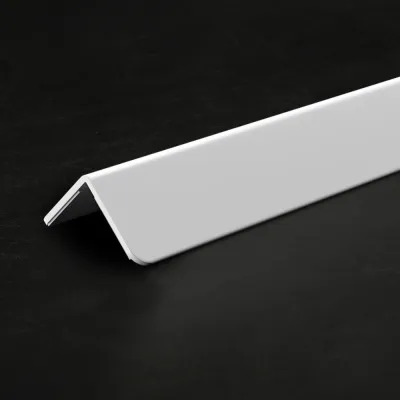
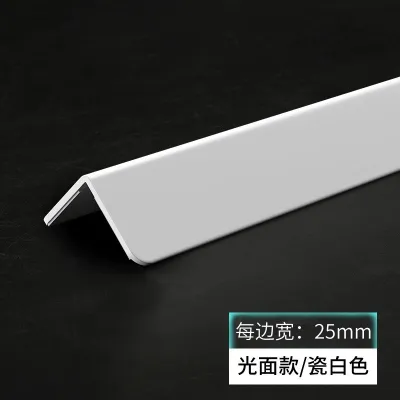
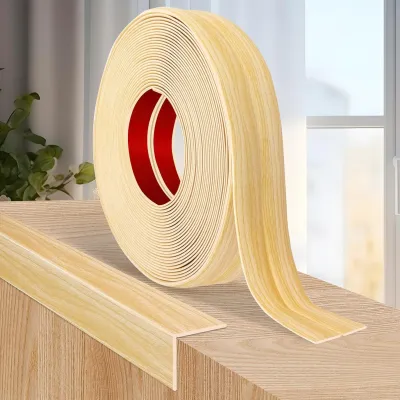
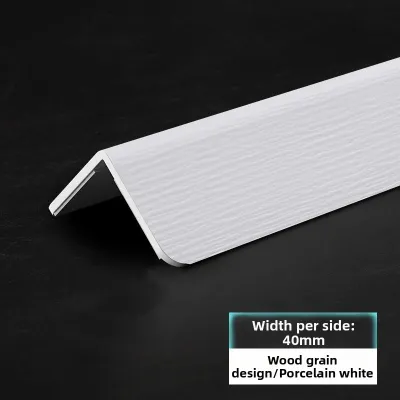
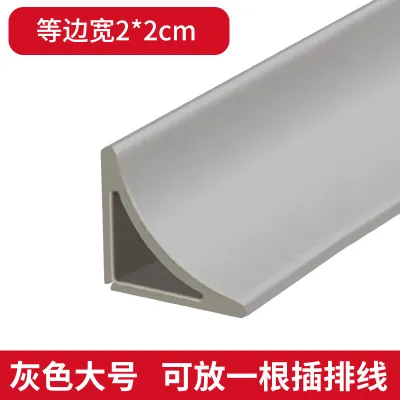
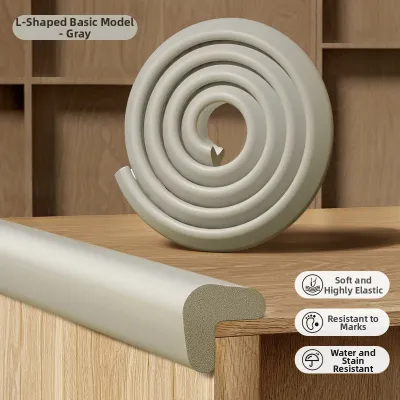
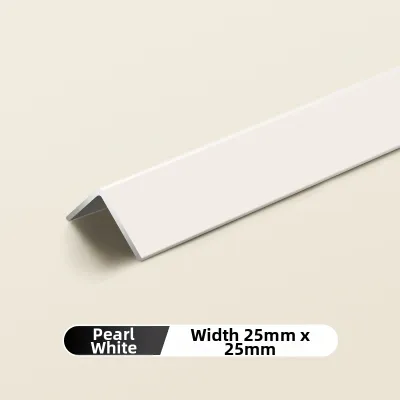
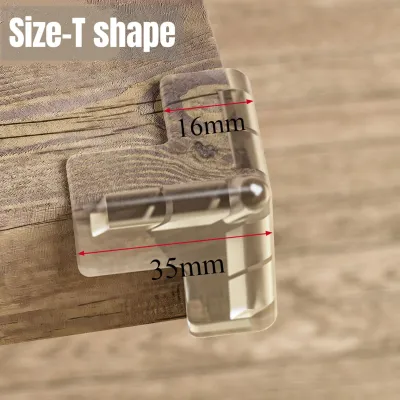
Prices are valid at publication and may change. Please refer to the product page for the latest price.
Unbranded corner protectors may contain harmful plasticizers or industrial chemicals that pose health risks if chewed. Furthermore, low-quality adhesives on generic products tend to degrade rapidly, especially in warm, humid environments. When an adhesive fails, the corner protector can easily detach, turning a safety device into a severe choking hazard for an inquisitive infant who might attempt to chew on the loose piece.
Reliable brands distinguish themselves by providing comprehensive product documentation. This includes clear age suitability guidelines, developmental stage warnings, and detailed material safety disclosures. By choosing a brand that invests in quality control and clear labeling, you gain assurance that the product will withstand daily impacts and remain securely anchored out of your child’s reach.
Core Evaluation Criteria for Wall Corner Protector Brands
When comparing different corner protector brands, you should establish a strict checklist of non-negotiable features to ensure you are getting a high-performing product. The first criterion is impact absorption capacity, which is determined by the material’s density and thickness. A quality brand will specify the density of its foam or the shore hardness of its silicone, allowing you to assess whether the protector can adequately cushion a fall.

Adhesive quality is another vital factor to verify. The brand should clearly state which surfaces their adhesive is compatible with, such as painted drywall, varnished wood, metal, or glass. Look for brands that utilize high-grade, double-sided acrylic tapes, which are known for strong initial bonding and resistance to temperature fluctuations.
Material transparency is equally essential. You should actively check product labels for certifications indicating the absence of harmful substances, such as BPA-free, phthalate-free, lead-free, and non-toxic designations. Because babies often explore their environment with their mouths, verifying these chemical safety standards is just as important as checking physical durability.
Finally, consider the brand’s long-term support and product ecosystem. Reputable manufacturers often sell replacement adhesive tapes separately, allowing you to reinstall or reposition the protectors without buying entirely new units. They also tend to offer responsive customer service channels where you can ask specific questions about wall compatibility, removal techniques, or safety standards.
Matching Protector Materials to Your Home Environment
Different areas of your home present unique safety challenges and environmental conditions. Singapore’s high humidity levels can cause certain materials to expand, contract, or lose their grip faster than they would in dry climates. To ensure lasting protection, you must match the protector material to both the specific furniture piece and the traffic level of the room.
The thickness of the protector should always correspond to the sharpness and height of the edge. Low-lying coffee tables require dense, highly cushioned materials, while higher wall corners in narrow hallways might benefit from slimmer, low-profile guards that do not catch on passing clothing.
Silicone and PVC Protectors for Hard Edges
Silicone and PVC corner protectors are excellent choices for hard, sleek surfaces such as glass dining tables, metal bed frames, and polished stone countertops. These materials are highly dense, offering excellent localized impact resistance while maintaining a slim, often transparent profile that blends seamlessly with modern home decor.
When selecting silicone or PVC brands, look for those that specify the use of food-grade silicone or non-toxic plasticizers in their PVC formulations. It is also wise to check if the material features UV resistance, which prevents the protectors from turning yellow and brittle when exposed to sunlight near windows or balconies.
Maintaining these protectors requires regular cleaning to prevent dust and oils from compromising the adhesive border. Because transparent materials show trapped dirt easily, choosing a brand with a smooth, non-porous surface makes it much easier to wipe down the guards with a damp cloth without lifting the edges.
High-Density Foam for High-Impact Zones
For areas where high-impact falls are more likely, such as low TV consoles, wide brick hearths, or heavy wooden cabinets, high-density foam protectors are highly effective. The soft, spongy texture of foam provides a wider surface area for dispersing impact energy, making it ideal for protecting active toddlers who are running or climbing.
However, foam protectors come with specific limitations regarding durability and child behavior. Teething babies may find the soft texture appealing to chew on, which can lead to them tearing off small pieces of foam. You must regularly inspect foam guards for bite marks, punctures, or crumbling edges, and immediately replace any damaged sections.
When evaluating foam brands, verify if they carry fire-retardant labels and check their density specifications. Higher-density foam resists tearing much better than low-density alternatives, providing a safer barrier against both physical impacts and curious teeth.
Verifying Adhesive Safety and Wall Compatibility
One of the most common challenges parents face when childproofing is finding an adhesive that stays secure without destroying home surfaces. In Singapore, many homes feature walls finished with standard emulsion paint, which can easily peel if subjected to overly aggressive adhesives. Conversely, wallpaper or delicate wood veneers can be permanently ruined during the removal process.
Before purchasing a brand, check its product specifications to see if the adhesive is rated for your specific wall finish. Reputable brands often offer removable, residue-free adhesive options designed to release their grip when proper removal techniques are applied. They will also clearly warn you against using their products on delicate, unstable, or poorly painted surfaces.
If you notice warning signs such as the adhesive peeling the paint during a minor adjustment, or if the tape feels excessively gummy and difficult to position, it may be too aggressive for your walls. In cases where you are unsure about compatibility, it is highly recommended to consult your furniture manufacturer or a professional painter before applying any adhesive to high-value or delicate surfaces.
Building a Condition-Based Shortlist of Brands
To find the most reliable corner protectors on e-commerce platforms or at local baby specialty stores, you should build a systematic shortlist based on objective performance indicators. Start by filtering products using verified buyer reviews, paying close attention to feedback from users who have installed the protectors in similar tropical climates. Look for comments detailing how well the adhesive holds up after several months of humidity and daily wear.
Avoid brands that rely on vague marketing terms like “maximum safety” or “ultra-strong” without providing concrete specifications. Instead, prioritize listings that clearly state the product’s dimensions, thickness, material composition, and safety certifications. A trustworthy brand will make this technical information easily accessible to consumers.
Additionally, evaluate the brand’s responsiveness to customer inquiries. Send a quick question regarding their adhesive removal process or chemical testing standards; a prompt, detailed response is a strong indicator of a brand that stands behind its safety claims. Finally, favor brands that offer dedicated replacement adhesive packs, ensuring you can maintain your childproofing setup over the long term without unnecessary waste.
Installation, Inspection, and Safe Removal Practices
Proper application is just as important as choosing a high-quality brand. Before installing any corner protector, you must thoroughly prepare the surface. Clean the area with a mild soap solution or isopropyl alcohol (if safe for the furniture finish) to remove dust, grease, and fingerprints, then allow it to dry completely. Any moisture or residue left on the surface will severely compromise the adhesive bond.
Once installed, establish a routine inspection schedule—ideally once a week—to check the condition of every protector in your home. Look closely for peeling corners, signs of wear, or bite marks on foam guards. If you observe any lifting or damage, stop using that section immediately and replace it to prevent it from becoming a choking hazard.
When the time comes to remove the protectors, do not pull them off forcefully, as this can rip paint or damage wood grain. Instead, use a hair dryer on a low, warm setting to gently heat the adhesive, softening it before slowly peeling the guard away. If you encounter resistance or notice surface damage occurring, stop immediately and apply a small amount of adhesive remover or vegetable oil to help dissolve the remaining residue safely.
Frequently Asked Questions (FAQ)
Can I use wall corner protectors on glass tables?
Yes, you can use corner protectors on glass tables, but you must select materials and adhesives specifically designed for glass surfaces. Transparent silicone or clear PVC protectors are highly recommended for glass, as they maintain the aesthetic of the furniture while providing robust impact protection. Ensure the brand specifies compatibility with glass and offers UV-resistant materials to prevent yellowing over time. Before application, clean the glass thoroughly to remove all oils, and follow the manufacturer’s guidelines regarding minimum glass thickness and edge profiles to ensure a secure, lasting bond.
How often should I replace baby corner protectors?
There is no fixed timeline for replacing corner protectors; instead, you should rely on observable signs of wear and degradation. Inspect the protectors regularly for a loss of elasticity, visible bite marks, tearing, or adhesive failure. In Singapore’s humid climate, adhesives may degrade faster, causing the edges to lift. If a protector becomes loose, torn, or brittle, it loses its impact absorption properties and can quickly become a choking hazard. Replace the protector immediately upon noticing any of these warning signs to ensure continuous safety for your child.

Community discussion
Share your experience or ask a question. Comments are reviewed before publication.