
Securing household drawers is a critical step in creating a safe environment for curious toddlers who are beginning to explore their surroundings. In Singapore, parents have access to a wide array of drawer child lock brands through local baby specialty stores, department stores, and online marketplaces. However, finding the right option for your home involves looking beyond brand names and marketing claims. Because every home features different furniture materials, drawer configurations, and daily usage patterns, the most reliable child lock is one that matches your specific household needs, installation preferences, and furniture finishes.
When planning to childproof your home, it is helpful to understand that no single lock design fits every drawer. Kitchen drawers containing sharp utensils require a different level of security than bedroom drawers filled with clothing. Additionally, the tropical climate in Singapore, characterized by high humidity, can significantly affect the performance of adhesive-backed locks. By establishing a clear set of evaluation criteria, understanding how different mechanisms work, and learning how to verify manufacturer safety labels, you can confidently select products that keep your child safe while maintaining the functionality of your home.
Key Evaluation Criteria for Child Lock Brands
To identify reliable childproofing products, caregivers should focus on three primary pillars: material quality, mechanical durability, and the balance between adult accessibility and child resistance. Evaluating these factors before purchasing helps ensure that the locks will withstand daily wear and tear without failing unexpectedly.
Products mentioned in this guide
![[SG Local Stock] Baby Safety Lock Childrens Anti-pinch Safety Lock Catch Anti-collision Premium Safety Locks Self-adhesive Baby Safety Buckle For Cabinet Drawer Fridge Door Wardrobe Children Day Gifts](https://img.lazcdn.com/g/p/638abdf5a97199a85681991ebc624026.jpg_400x400q80.jpg_.webp)
Prices are valid at publication and may change. Please refer to the product page for the latest price.
Material quality is the first line of defense. High-quality child locks typically utilize robust, non-toxic plastics such as high-density ABS or nylon. These materials are less likely to crack or become brittle over time, especially when exposed to ambient moisture or sunlight near windows. Because toddlers often explore their environment with their mouths, verifying that the materials are free from harmful chemicals like BPA and phthalates is an essential safety check. For strap-style locks, the flexible component should be made of thick, reinforced plastic or heavy-duty elastomer that resists stretching or tearing when pulled repeatedly.
Mechanical durability refers to how well the locking mechanism holds up under physical stress. Children often try to open drawers by pulling on them with their full body weight. A reliable lock brand designs its latches, springs, and hinges to resist these sudden forces. When evaluating a brand, look for solid construction where moving parts fit together tightly without excessive play or wobbling. Springs should offer firm resistance, requiring a deliberate force to compress or slide, which prevents toddlers from accidentally triggering the release.
The final criterion is the ergonomic balance between adult convenience and child resistance. A child lock must be difficult for a toddler to figure out or operate, yet simple enough for an adult to open, often with only one hand. Dual-action mechanisms—such as requiring a user to press two separate buttons simultaneously or slide a latch while pushing down—are highly effective. They exploit the developmental limits of young children, who generally lack the hand size, finger strength, and bilateral coordination required to perform these multi-step actions.
Matching Locking Mechanisms to Drawer Types
Selecting the right child lock requires matching the locking mechanism to the physical design of your drawers and cabinets. Different furniture styles, such as flat-front modern drawers, traditional shaker-style cabinets, or handleless drawers, demand specific locking solutions to ensure both security and ease of use.

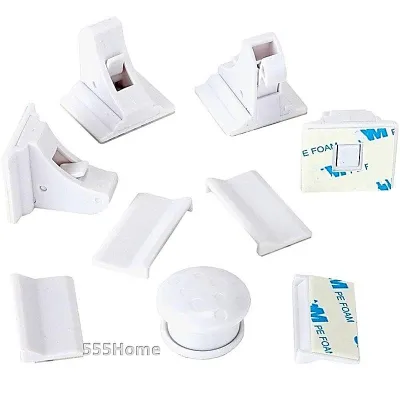
Magnetic locks are highly popular for modern, minimalist furniture because they are installed entirely on the inside of the drawer. This keeps them completely hidden from view, preserving the aesthetic of your home. To open the drawer, an adult must place a magnetic key on the outside of the drawer front directly opposite the internal lock. This mechanism is ideal for flat-front and handleless drawers where external strap locks cannot be easily attached. However, caregivers must keep the magnetic key stored safely out of reach of children but easily accessible to adults, and have a backup plan if a key is misplaced.
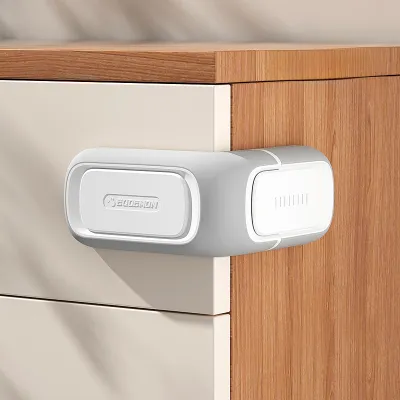
Push-button and latch locks are mechanical options that are typically mounted inside the top of the drawer. When the drawer is pulled open slightly, the latch catches on a hook mounted to the cabinet frame, stopping the drawer from opening further. To fully open it, an adult must reach into the small gap and press the flexible latch down to disengage it. While highly reliable and requiring no keys, these locks do allow the drawer to open a couple of centimeters, which can present a finger-pinch hazard if a child pushes the drawer closed quickly.
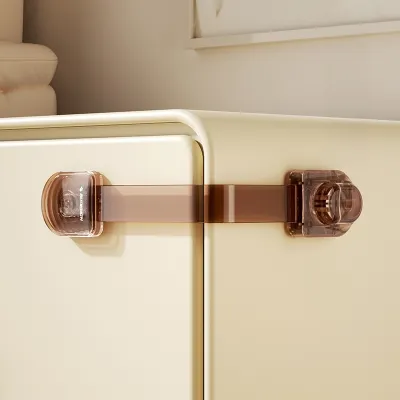
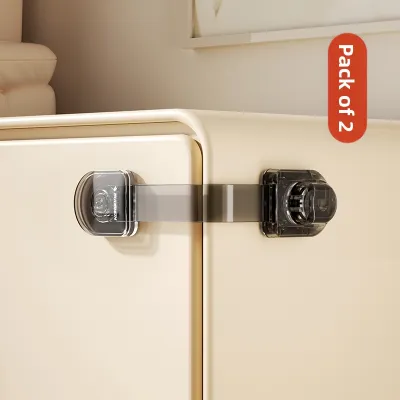
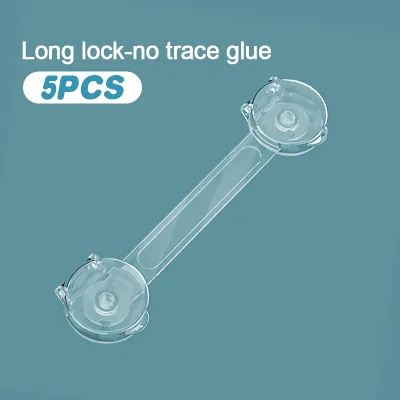
Strap locks are highly versatile, external options consisting of a flexible strap anchored by two adhesive pads. One pad is mounted on the side or frame of the cabinet, and the other is mounted on the drawer front. These are excellent for corner drawers, curved furniture, or appliances. Because they are highly visible, they may tempt children to pull on them, but their robust adhesive and flexible design make them highly resistant to tampering. They are also straightforward for adults to release using a slide-and-press button on the anchor pad.
Sliding locks are specifically designed for double-door cabinets or adjacent drawers with matching D-shaped handles or knobs. They consist of a U-shaped bar that slides through the handles and secures with a ratcheting clasp. While incredibly secure and requiring no adhesive or screws, they are not suitable for individual drawers or handleless furniture. Caregivers should carefully map out their furniture configurations to ensure they do not purchase sliding locks for drawers that lack the necessary external handles.
Surface Compatibility and Installation Checks
Proper installation is just as important as the quality of the lock itself. Even the most durable lock will fail if it is not securely attached to the furniture surface. Caregivers must choose between adhesive-backed locks and screw-mounted locks, taking into account the material of their furniture and the potential for long-term damage.
Adhesive-backed locks are the most common choice for renters and those wishing to avoid permanent damage to their furniture. These locks rely on heavy-duty double-sided tape to bond with the furniture surface. To ensure a strong bond, the surface must be meticulously prepared. Start by cleaning the area thoroughly with isopropyl alcohol to remove dust, grease, and polish residues. Allow the surface to dry completely before applying the adhesive. Once applied, press firmly for at least thirty seconds, and crucially, allow the adhesive to cure without any load or pulling for the manufacturer-recommended time, which is typically 24 hours.
In Singapore’s warm and humid climate, adhesive performance can be compromised if the installation environment is damp or if the furniture surface is prone to moisture retention. High humidity can slow down the curing process of certain adhesives, leading to premature failure when a child pulls on the lock. If you notice that adhesives are repeatedly failing despite proper surface preparation, it may be necessary to opt for screw-mounted locks or look for heavy-duty adhesive options specifically rated for humid conditions.
Screw-mounted locks offer the highest level of physical security and are completely unaffected by humidity or surface oils. However, they require drilling small pilot holes into the interior frame and drawer fronts of your furniture. Before proceeding with screw installation, it is essential to check your furniture manufacturer’s manual or warranty terms. Drilling into certain materials, such as high-gloss laminates, veneered particleboard, or solid wood antiques, can cause irreversible cracking, splintering, or void your furniture warranty. If you are dealing with high-end or delicate furniture, stop and consult a professional childproofing installer or the furniture manufacturer before drilling.
Verifying Safety Labels and Manufacturer Guidelines
When shopping for drawer child locks, parents must look beyond marketing slogans and carefully read the product packaging, warning labels, and manufacturer guidelines. Verifying these details ensures that the product is appropriate for your child’s developmental stage and that you are using it within its engineered limits.
Start by checking the manufacturer’s documentation for age and weight recommendations. Most child locks are designed and tested for children up to 24 months of age. As children grow older, they develop greater physical strength, coordination, and problem-solving skills. A lock that successfully deters a one-year-old may be easily bypassed or broken by a determined three-year-old. If your child has reached or exceeded the age or weight limits specified by the manufacturer, it is time to reassess your childproofing strategy and potentially transition to more advanced security measures.
Caregivers should also look for indications of compliance with recognized safety standards, such as ASTM (American Society for Testing and Materials) or EN (European Norm) standards, which may be printed on the packaging. While these certifications are dynamic and subject to change, verifying their presence on the product label provides an extra layer of assurance that the lock has undergone standardized testing for durability and safety. If a product lacks clear manufacturer contact information, warning labels, or installation instructions, it is best to avoid it in favor of a brand that provides transparent documentation.
It is vital to remember that no childproofing lock is entirely foolproof. These devices are designed to act as deterrents and delay access, giving caregivers valuable time to intervene. They are never a substitute for active adult supervision. Regularly inspect installed locks for signs of wear, such as cracked plastic, loose screws, or peeling adhesive. If a lock becomes compromised, stop using it immediately and replace it to prevent accidental access to restricted drawers.
Creating Your Childproofing Purchase Shortlist
To streamline your childproofing process and avoid unnecessary purchases, create a structured plan before buying locks from local retailers or online marketplaces. Begin by conducting a room-by-room audit of your home, counting the exact number of drawers and cabinets that require securing.
Map each drawer to its ideal locking mechanism based on its contents and design. For example, secure kitchen drawers containing knives or cleaning supplies with high-security magnetic locks or heavy-duty internal latches. For bedroom dressers containing soft clothing, simple strap locks or push-button latches may be sufficient. This targeted approach ensures you buy the right type of lock for each specific hazard rather than purchasing a single bulk pack that may not work on all your furniture.
Next, set a realistic budget. High-quality drawer child locks in Singapore typically range from S$5 to S$15 per lock, depending on the complexity of the mechanism and the brand. While multi-packs often offer better value, ensure they contain the specific lock types you identified during your audit. Finally, plan for the future. Consider how easy the locks will be to remove or adjust once your child outgrows them, ensuring you have a plan to restore your furniture surfaces without leaving permanent marks or residue.
Frequently Asked Questions (FAQ)
Can adhesive drawer locks be removed without damaging the wood?
Yes, adhesive drawer locks can generally be removed safely if you follow a careful process. To soften the adhesive bond, use a hair dryer on a low or medium heat setting to gently warm the plastic anchor pad and the underlying tape. Once the adhesive is warm and pliable, slowly peel the lock away from the surface, or use a piece of dental floss or a plastic scraper to slice through the softened foam tape. Any remaining sticky residue can be cleaned using a mild soap solution, a specialized adhesive remover, or a small amount of vegetable oil. Always test any cleaning agent or adhesive remover on an inconspicuous area of the furniture first to verify that it will not damage or discolor the wood finish.
At what age should parents start using drawer child locks?
Parents should ideally install drawer child locks before their child reaches the crawling and pulling-up milestones, which typically occur between 6 and 9 months of age. At this developmental stage, infants become highly curious about their environment and will use furniture to pull themselves up to a standing position, often grabbing drawer handles for support. Observing early signs of curiosity, such as a baby reaching for low handles or attempting to slide open slightly ajar drawers, is a clear signal that childproofing measures must be implemented immediately. As your child’s mobility, strength, and problem-solving abilities increase, continue to monitor their interaction with the locks and upgrade to more complex mechanisms if they begin to figure out how to bypass them.
Community discussion
Share your experience or ask a question. Comments are reviewed before publication.