
Finding the right anti-collision edge guards (防撞贴) in Singapore requires looking beyond marketing buzzwords to evaluate material safety, adhesive durability, and furniture compatibility. With numerous options available on online marketplaces and in local baby boutiques, parents must establish clear criteria to protect their children from sharp corners. This guide provides a comprehensive framework to compare materials, verify brand claims, and execute a secure installation. By understanding the physical properties of different guards and how they interact with your home’s surfaces, you can create a safer environment for your growing child.
Key Criteria for Evaluating Edge Guard Brands and Products
When evaluating different edge guard brands, material safety must be your primary consideration. Because infants naturally explore using their mouths, safety products within reach are likely to be chewed. Parents should carefully inspect product packaging and manufacturer documentation to verify that the materials are free from harmful chemicals such as bisphenol A (BPA), phthalates, heavy metals, and toxic flame retardants. Rather than accepting generic non-toxic claims at face value, look for brands that explicitly state compliance with recognized international safety standards, such as the European Union’s EN71 toy safety standard or REACH regulations, which you can verify through official manufacturer channels.
Adhesive quality is another critical factor that separates reliable brands from substandard alternatives. A high-quality edge guard must feature an adhesive that is strong enough to resist the persistent pulling of a curious toddler, yet gentle enough not to ruin your furniture’s finish upon removal. Adhesives perform variably across varnished wood, glass, and metal. When researching brands, check if they specify the type of adhesive tape included—such as acrylic-based double-sided tape—and whether they offer clear guidelines on surface compatibility to prevent costly damage to your home’s interior.
Products mentioned in this guide
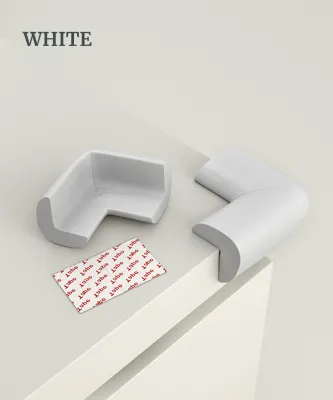
![[Cozy Nest] Transparent Corner Guards for Babies and Children Clear Bumper Cushions for Kids Safety Furniture Edge Protectors Soft Cushioned Table Corner Covers Baby Proofing Corner Bumpers](https://img.lazcdn.com/g/p/306a0bf2ba1771402fb4f09b8701d94e.png_400x400q80.png_.webp)
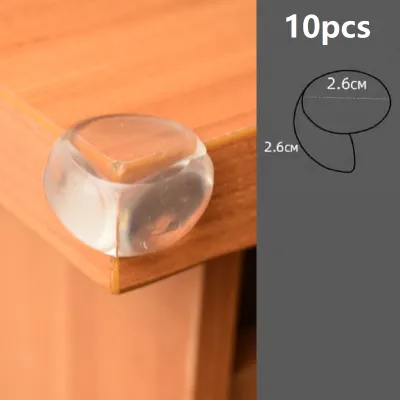
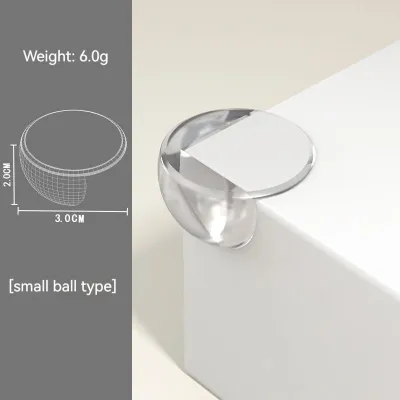
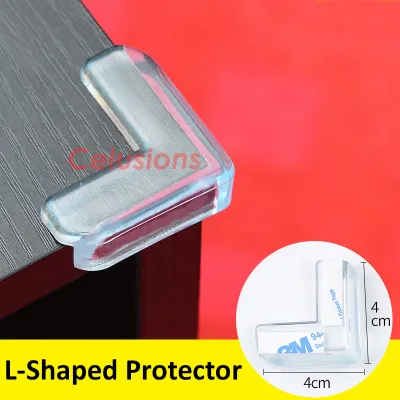
![[SG Stock] Corner Protector❤️Table Furniture Sharp Edge Safety Guard Silicone Bumper Baby Kids Children Protection](https://img.lazcdn.com/g/p/0aa0f4123947af38f65a7e6dadeb635c.jpg_400x400q80.jpg_.webp)
Prices are valid at publication and may change. Please refer to the product page for the latest price.
Material density plays a far more significant role in dispersing impact energy than thickness alone. A low-density foam guard may feel soft to the touch but can easily bottom out under the force of a falling child, allowing their head to make contact with the hard corner underneath. Conversely, a high-density material will compress gradually, absorbing and distributing the force of the collision safely. Look for brands that provide technical specifications regarding material density or shock-absorption ratings rather than relying solely on subjective marketing descriptions.
Finally, consider the ease of removal and the availability of clear decommissioning instructions from the manufacturer. When your child outgrows edge guards, you will want to restore your furniture to its original state. Reliable brands design their products with this transition in mind, often providing specialized removal instructions or recommending specific, safe solvents to break down the adhesive bond without stripping paint or varnish. Before purchasing, verify whether the brand offers a residue-free guarantee or provides step-by-step guidance on how to safely detach the guards when they are no longer required.
Comparing Common Edge Guard Materials and Profiles
Selecting the right material involves balancing impact protection, durability, and aesthetic integration with your home decor. Nitrile Butadiene Rubber (NBR) foam is popular for its exceptional cushioning and soft texture. It is highly effective at absorbing high-energy impacts, making it an excellent choice for low-lying coffee tables, TV consoles, and bed frames where severe bumps are most likely to occur. However, NBR foam is relatively soft and can be easily damaged by pet claws or a teething baby’s sharp front teeth, which may lead to small pieces being torn off and presenting a choking hazard.

Silicone guards offer a durable, tear-resistant alternative for teething infants. Food-grade silicone is naturally firm, highly resilient, and virtually impossible for a child to bite through, ensuring that the guard remains intact even under heavy oral exploration. Additionally, silicone is easy to wipe clean, does not absorb moisture or oils from sticky fingers, and is often available in semi-transparent profiles that blend discreetly with modern furniture designs. The primary trade-off is that silicone is firmer than NBR foam, meaning it provides slightly less deceleration during a high-speed impact, though it still successfully prevents lacerations and severe bruising.
Polyvinyl Chloride (PVC) guards offer rigid structure and transparency, making them nearly invisible on glass or metal. If maintaining your home’s aesthetic is a high priority, PVC guards allow the natural beauty of your furniture to show through while still covering sharp edges. However, because PVC is a harder plastic, its shock-absorption capacity is significantly lower than that of foam or silicone. It is best utilized on furniture where the primary risk is minor scrapes and bumps rather than heavy, full-body collisions.
The shape or profile of the guard must also match the specific geometry of your furniture. U-shape profiles wrap around the top, edge, and bottom of thin surfaces like glass tabletops. By enclosing the entire edge, U-shape guards prevent the child from bumping into the sharp underside of the table as they crawl beneath it. L-shape profiles are the standard solution for 90-degree edges on dining tables and cabinets, providing robust coverage along the primary line of impact.
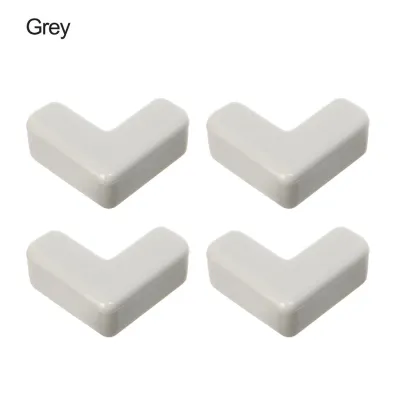
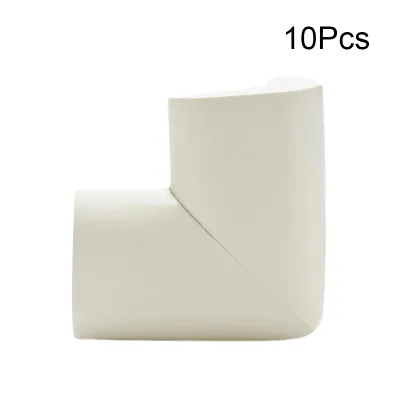
For isolated sharp points rather than continuous edges, spherical or corner-only guards are highly efficient. These pre-molded pieces fit snugly over sharp table corners, which are often the most dangerous impact zones in a room. Because they cover a smaller surface area, they are less visually obtrusive than continuous strips and are often easier to install securely. However, parents must ensure that these smaller pieces are attached with high-strength adhesive, as their compact size makes them tempting targets for toddlers to try to pry off and put in their mouths.
When deciding on the right material and profile, always consider your baby’s current developmental stage and physical habits. For teething children, tear-resistant silicone is safer than chewable foam. Conversely, if your child is already walking steadily and the primary goal is to prevent high-impact injuries during active play, the superior cushioning of thick NBR foam may outweigh the aesthetic benefits of clear PVC or the bite-resistance of silicone.
Sourcing and Verifying Trusted Brands in Singapore
Navigating the market in Singapore requires a strategic approach to ensure you are purchasing authentic, high-quality safety products. When shopping on major e-commerce platforms, always prioritize official brand flagship stores or authorized local distributors. The online marketplace is flooded with cheap, unbranded imitations that often use substandard plastics containing restricted chemicals or low-grade adhesives that fail within days of installation. By purchasing directly from verified brand stores, you gain access to genuine products, reliable customer support, and accurate product specifications.
For parents who prefer a hands-on evaluation, visiting physical baby specialty stores and maternity retailers across Singapore is highly recommended. Physically inspecting the products allows you to feel the density of the foam, test the flexibility of the silicone, and examine the quality of the included adhesive tape firsthand. Many local retailers display sample boards or demo products, giving you a clear understanding of how the guard will look and feel once installed in your home. This tactile inspection can save significant time and money by helping you avoid flimsy or overly rigid products before making a bulk purchase for your entire household.
Given Singapore’s warm and highly humid tropical climate, adhesive performance is a common point of failure for many edge guards. High humidity can cause low-quality adhesives to soften, lose their grip, and slide off furniture surfaces, leaving sticky residues and exposed sharp edges. When reading product reviews, look specifically for feedback from local buyers who have used the product in non-air-conditioned rooms over several months. Positive reviews that highlight long-term adhesive stability in local weather conditions are a strong indicator of a brand’s reliability and suitability for Singaporean homes.
Finally, always cross-reference any safety claims made by a brand with the physical labels on the packaging. A reputable manufacturer will clearly print their contact details, country of origin, batch numbers, and specific safety certifications on the box. If a product makes grand claims of being 100% safe or certified non-toxic but lacks any verifiable testing labels, manufacturer addresses, or clear instructions, it is best to avoid it. Investing a bit more in a transparent, well-documented brand ensures that you are bringing truly safe materials into your child’s immediate environment.
Step-by-Step Installation and Maintenance for Maximum Safety
Proper installation is just as important as choosing a high-quality brand; even the best edge guard will fail if it is not applied correctly. The installation process must always begin with thorough surface preparation. Dust, skin oils, furniture polish, and household grime will create a barrier between the adhesive and the furniture, drastically reducing the strength of the bond. Clean the target area thoroughly using isopropyl alcohol or a mild, residue-free soapy water solution, and allow it to dry completely. Avoid using heavy household cleaners or oil-based polishes immediately before installation, as these leave behind slick residues that prevent proper adhesion.
Once the surface is clean and dry, measure the furniture edge precisely and cut the guard to the required length using sharp utility scissors or a craft knife. When installing continuous guards around corners, cutting the material at a precise 45-degree angle (a miter cut) will allow the two pieces to meet flush, eliminating any exposed gaps or sharp points. Apply the double-sided adhesive tape to the inside of the guard first, pressing it down firmly along the entire length to eliminate air bubbles. Next, align the guard carefully with the furniture edge and press it down with firm, even pressure for at least 30 seconds, paying special attention to the ends and corners where peeling is most likely to start.
After application, the adhesive requires time to cure and establish a permanent chemical bond with the furniture surface. Most manufacturers recommend letting the adhesive cure undisturbed for at least 24 hours before allowing children to touch or pull on the guards. Attempting to test the strength of the bond or allowing a child to play near the newly installed guard too early will disrupt the curing process, leading to premature peeling and failure. Plan your installation for an evening or a time when your child will be away from the home or asleep to ensure the adhesive has ample time to set.
Maintaining a safe environment requires regular, ongoing inspections of all installed edge guards. Incorporate a quick physical check into your weekly cleaning routine, gently tugging on the edges to ensure the adhesive remains secure and inspecting the material for any signs of wear. Look closely for bite marks, tears, or crumbling sections, especially on foam guards installed on low tables or crib rails. If you notice any damage or peeling, remove the compromised section immediately to prevent it from becoming a choking hazard, clean the surface, and apply a fresh piece of guard with new adhesive.
It is crucial to recognize the safety boundaries of adhesive-based childproofing products, particularly when dealing with delicate, antique, or highly valuable furniture. High-strength adhesives can strip away delicate wood veneers, lift hand-painted finishes, or leave permanent stains on unsealed, porous wood. If you are unsure about how your furniture’s finish will react to the adhesive, stop the installation immediately. Test a small, inconspicuous piece of the adhesive tape on a hidden area of the furniture for a few days, or consult the furniture manufacturer or a professional wood restorer for alternative baby-proofing solutions that do not require permanent adhesives.
When to Replace or Upgrade Your Edge Guards
As your child grows and develops, your baby-proofing needs will naturally shift, requiring you to periodically evaluate whether your current edge guards are still providing adequate protection. Over time, physical wear, exposure to sunlight, and regular cleaning will cause even high-quality materials to degrade. Foam guards may begin to crumble, lose their elasticity, or become brittle, while silicone guards can turn yellow, stiffen, or develop a sticky surface texture. If you notice any of these visual or tactile changes, it is a clear sign that the material’s structural integrity is compromised, and it must be replaced to ensure continued impact protection.
The emergence of physical damage, such as deep bite marks, tears, or loose flaps, represents an immediate safety hazard that demands urgent attention. A determined toddler can easily tear off loose pieces of foam or silicone and swallow them, leading to a severe choking risk. Furthermore, if the adhesive has weakened to the point where your child can easily peel the guard away from the furniture, the product is no longer serving its protective purpose and may actually attract more attention from the child. Promptly replace any damaged or loose guards with fresh materials, ensuring you thoroughly clean the furniture surface before reapplication.
Your child’s physical milestones will also dictate when it is time to upgrade your baby-proofing strategy. A guard layout that was perfectly adequate when your baby was only crawling may become obsolete once they begin to pull themselves up to a standing position, cruise along furniture, or run through the house. As their height increases, their head and face will align with higher furniture edges, such as dining table tops, kitchen countertops, and desk corners. Regularly walk through your home at your child’s current eye level to identify new impact zones that require the installation of higher or more robust edge protection.
Finally, as toddlers grow stronger, their ability to bypass basic safety measures increases. A simple, small corner ball that successfully protected an infant may easily be pried off by a curious two-year-old with improved fine motor skills. When your child begins to actively target and remove individual corner guards, it is time to upgrade to continuous, full-length edge guards. These longer strips distribute the pulling force across a much larger surface area, making it significantly harder for a child to find leverage and peel the guard away, thereby maintaining a secure and protected home environment.
Frequently Asked Questions (FAQ)
Are silicone edge guards safer than foam ones for teething babies?
Silicone edge guards are generally considered a safer and more durable option for babies who are actively teething. Unlike soft NBR foam, which can be easily bitten through, torn, and swallowed in small pieces, food-grade silicone is highly tear-resistant and resilient under oral pressure. This durability significantly reduces the risk of choking hazards associated with ingested materials. However, parents must still verify that any silicone product they purchase is certified food-grade, free from harmful chemical additives, and regularly inspected for any signs of wear or adhesive failure.
How do I remove strong adhesive residue from wooden furniture?
Removing strong adhesive residue from wooden furniture requires a gentle, patient approach to avoid stripping the wood’s finish or paint. Start by applying gentle heat to the area using a hair dryer on a low setting, which softens the adhesive and makes it easier to peel away slowly. For remaining residue, apply a small amount of a mild, oil-based solvent, such as mineral oil or vegetable oil, and let it sit for a few minutes to break down the bond before wiping it clean with a soft microfiber cloth. Always test any solvent on an inconspicuous area of the furniture first, and consult your furniture care manual to ensure compatibility.
Can I use standard edge guards on glass tables?
Standard edge guards can be used on glass tables, but they often suffer from poor adhesion and can look highly unsightly. For glass surfaces, it is highly recommended to use specialized U-shape guards designed specifically to wrap around both the top and bottom of thin glass edges, providing a more secure grip and comprehensive protection. Because glass is non-porous, ensure the surface is completely free of fingerprints and oils before application. Always check the manufacturer’s guidelines to ensure the adhesive is rated for glass surfaces and will not cause damage or discoloration over time.

Community discussion
Share your experience or ask a question. Comments are reviewed before publication.