
Choosing the right hands-free breast pump brand in Singapore depends on your unique pumping goals, daily routine, and budget. Rather than relying on generic rankings, evaluating these devices requires a structured framework to assess brand claims, compare essential features, and select a reliable system that supports your breastfeeding journey safely and comfortably.
With numerous options available in the Singapore market, from premium international brands to budget-friendly local alternatives, finding the right fit can feel overwhelming. By focusing on your specific physical needs, daily environment, and the level of local customer support available, you can make an informed decision that protects both your physical comfort and your financial investment.
Clarifying What "Hands-Free" Means for Your Setup
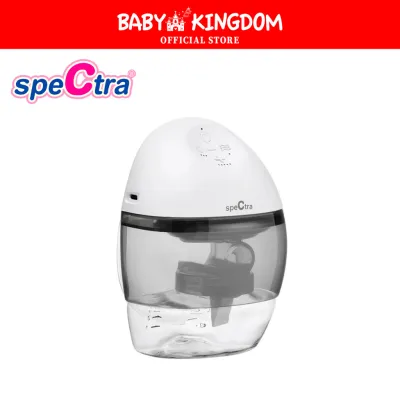
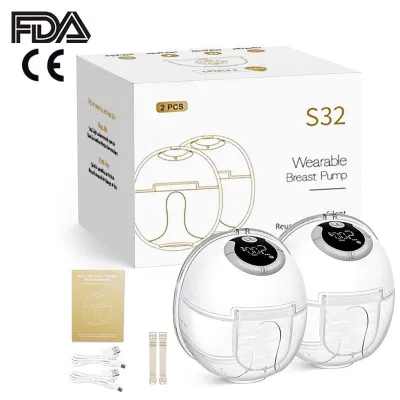
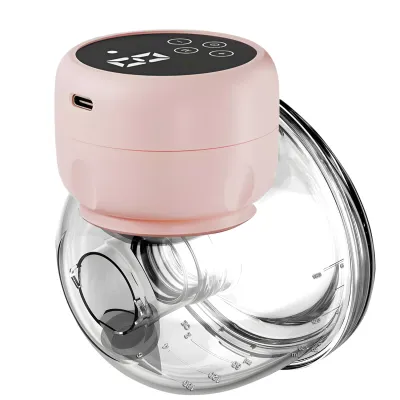
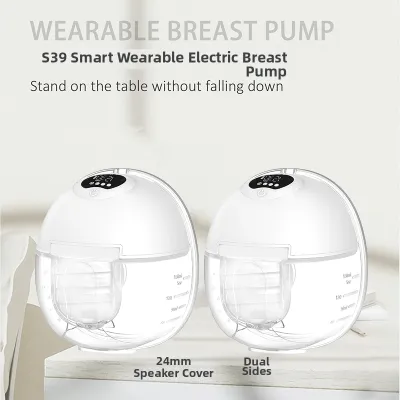
To choose the right equipment, you must first distinguish between fully wearable, tubeless breast pumps and portable pumps paired with hands-free accessories. Fully wearable pumps are self-contained units where the motor, battery, and milk collection cup are integrated into a single device that fits entirely inside your nursing bra. This design offers maximum physical mobility, allowing you to move around, complete light household chores, or work at a desk without any external wires or tubes.
Products mentioned in this guide
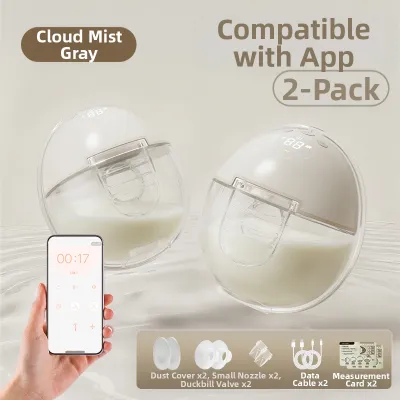
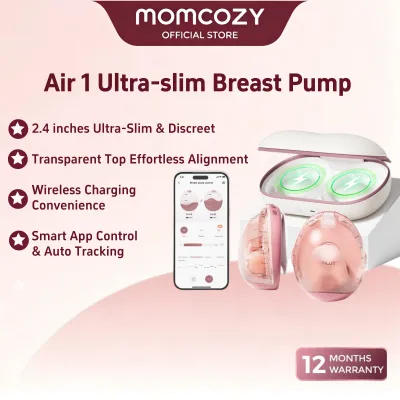
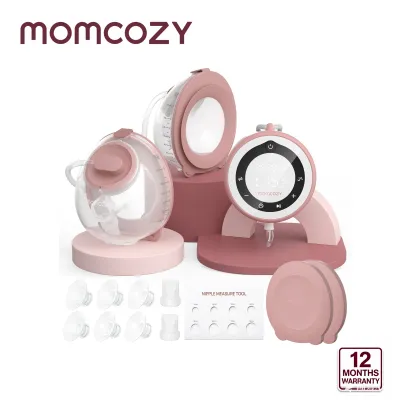
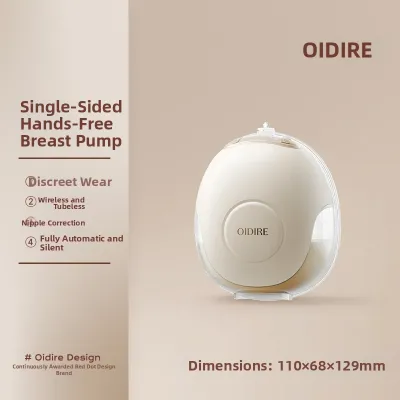
Prices are valid at publication and may change. Please refer to the product page for the latest price.
However, fully wearable pumps often involve trade-offs in suction strength, milk yield, and cup capacity. Because the motor must be small and lightweight enough to sit on the breast, it may not offer the same depth of suction or variety of cycle patterns as larger motors. Additionally, wearable cups typically hold between 120ml and 180ml of milk, which may not be sufficient for mothers with a high milk yield, requiring them to pause and empty the cups mid-session.
In contrast, portable pumps paired with hands-free collection cups offer a hybrid solution. The motor unit is separate—often small enough to clip onto a waistband or slip into a pocket—and connects to the collection cups inside your bra via thin silicone tubing. This setup allows for a stronger, more robust motor that can mimic hospital-grade suction patterns more closely, often resulting in more efficient milk expression for some mothers.
The trade-off for this hybrid setup is reduced physical mobility and discretion. The presence of tubing means you are not entirely wire-free, and the tubes can occasionally catch on objects as you move around. Furthermore, carrying a separate motor unit is slightly less discreet than wearing a fully self-contained pump, making it more challenging to pump unnoticed in public or shared workspaces.
Identifying which category aligns with your primary pumping environment is key to long-term satisfaction. If your daily routine requires complete physical freedom, such as caring for multiple children or moving constantly at work, a fully wearable pump is highly advantageous. If you primarily pump while seated at a desk, driving, or relaxing at home, a portable pump with hands-free cups may provide a better balance of suction power and convenience.
Core Criteria for Comparing Breast Pump Brands
When comparing different breast pump brands, evaluating the engineering and usability claims of each model is essential. The first technical aspect to consider is the variety of suction patterns and cycle speeds. A high-quality pump should offer both a stimulation mode—characterized by fast, shallow cycles that mimic a baby’s initial latch to trigger milk let-down—and an expression mode, which features slower, deeper cycles to draw out milk efficiently.

Adjustable vacuum levels are equally important, as the ideal suction strength varies from person to person and can even change throughout the day. Using a suction level that is too high can cause pain and breast tissue damage, which actually inhibits the let-down reflex and reduces milk output. Brands that offer a wide range of micro-adjustments allow you to find the exact level of comfort needed for optimal milk expression.
Battery life and charging methods are critical factors for hands-free convenience. Since wearable pumps rely entirely on internal rechargeable batteries, you should look for brands that offer at least 90 to 120 minutes of total run time on a single charge, which typically covers three to four pumping sessions. USB-C charging compatibility is highly beneficial, as it allows you to recharge the units using standard phone chargers, power banks, or laptop ports.
Motor noise levels can significantly impact how discreetly you can pump in shared spaces or near a sleeping baby. While most brands claim to be quiet, actual noise levels can vary based on the motor’s pitch and vibration. Checking user feedback regarding the noise level in quiet environments can help you determine if a brand’s pump is truly suitable for discreet use in an office or public setting.
Flange sizing and material safety are fundamental to both comfort and hygiene. A properly fitting flange ensures that the nipple is drawn centered into the tunnel without rubbing or causing pain. Reliable brands should offer multiple flange sizes or compatible silicone inserts to accommodate different nipple measurements. Additionally, ensure the brand utilizes a closed-system design, which features a physical barrier to prevent milk from backflowing into the motor or tubing, eliminating the risk of mold contamination.
Finally, consider the value of app connectivity and smart tracking features. Some premium brands offer Bluetooth-enabled pumps that pair with a smartphone app to track session duration, estimate milk volume, and save your preferred suction settings. While these features offer convenience, evaluate whether you prefer a simple, tactile interface on the pump itself or a highly connected digital experience, keeping in mind data privacy and app stability.
Matching Brand Strengths to Your Pumping Lifestyle
To narrow down your choices, match the specific strengths of different brands to your daily routine and return-to-work plans. For the commuting professional, discretion and reliability are paramount. You should prioritize brands that design ultra-low-profile wearable pumps that fit seamlessly under professional attire without creating an unnatural silhouette. Quiet motors and reliable leak-proof spill guards are also essential to prevent accidental spills during sudden movements or while transitioning between meetings.
For the at-home multitasker, the focus shifts toward comfort, cup capacity, and ease of maintenance. If you are constantly bending over, lifting a baby, or managing household chores, you need a brand that offers exceptional wearable stability, ensuring the cups remain securely sealed against the breast during movement. Larger capacity cups are also beneficial to avoid mid-session interruptions, and a simple design with fewer parts to wash will save valuable time throughout the day.
For the frequent traveler, battery longevity and physical durability are the most critical factors. Look for brands known for robust build quality that can withstand being packed in travel bags. Universal charging compatibility, such as USB-C, ensures you can charge your devices anywhere in the world without carrying bulky adapters. Additionally, brands that offer durable, compact carrying cases help protect the sensitive motor units and delicate silicone parts during transit.
Budget considerations also play a significant role in matching a brand to your lifestyle. Premium brands often come with advanced features like smart tracking and extensive accessory kits, but they require a larger upfront investment. Mid-range and entry-level brands may offer fewer digital features but provide reliable, straightforward suction that meets the needs of occasional pumpers. Evaluating how frequently you plan to pump—whether multiple times a day or just a few times a week—will help you determine if a premium brand’s features justify the higher cost.
Purchasing Safely and Verifying Brand Support in Singapore
When you are ready to purchase, ensuring you buy from authorized retailers, official brand stores, or reputable pharmacy chains in Singapore is crucial. While online marketplaces and unauthorized parallel importers may offer lower prices, buying from these sources carries significant risks. Parallel-imported pumps may not comply with local electrical safety standards, and they often lack genuine replacement parts or valid local warranties.
Checking the terms of the local warranty is essential before making a final decision. A reliable brand should offer a warranty of at least 12 to 24 months on the motor unit, backed by an accessible service center in Singapore. In the event of a motor malfunction, having a local service center means you can get the device tested, calibrated, or replaced quickly, minimizing disruptions to your pumping schedule. Some brands even offer temporary loaner pumps while yours is being serviced, which is an invaluable support service for exclusive pumping mothers.
The long-term accessibility of replacement parts is another critical consideration. Consumable components such as silicone valves, diaphragms, and flanges wear out over time and must be replaced every few months to maintain proper suction and hygiene. Before committing to a brand, verify that these replacement parts are readily available and reasonably priced at local retailers, as waiting weeks for international shipping can severely impact your breastfeeding journey.
Lastly, verify that the pump’s power adapter is compatible with Singapore’s electrical system (230V, Type G plug) if it does not use a standard USB charging interface. All components that come into contact with breast milk must be certified food-grade, BPA-free, and free from harmful chemicals. Look for brands that clearly state their compliance with international safety and material standards, ensuring a safe feeding experience for your baby.
Frequently Asked Questions (FAQ)
Can I use third-party flanges with any hands-free breast pump brand?
While aftermarket silicone inserts and third-party flanges are widely available, using components that are not officially supported by your pump’s brand carries risks. Breast pump motors are calibrated to work with specific cup volumes and airflow resistance; using non-original parts can compromise the airtight seal, leading to a drop in suction pressure and inefficient milk removal. This can result in incomplete breast emptying, which may gradually lower your milk supply over time.
Furthermore, poorly fitting third-party parts can cause painful friction, nipple swelling, or tissue damage. Using unapproved accessories may also void your manufacturer’s warranty if the motor experiences issues. If you struggle to find a comfortable fit within a brand’s official accessory range, it is highly recommended to consult a certified lactation consultant (IBCLC) in Singapore for a professional sizing assessment and guidance on safe, compatible solutions.
How do I clean and maintain a wearable breast pump motor?
Maintaining a wearable breast pump requires a strict distinction between washable milk-contact parts and the non-washable electronic motor unit. The motor unit contains sensitive microprocessors and lithium-ion batteries, meaning it must never be submerged in water, rinsed under a tap, or placed in any sterilizer. To clean the motor, gently wipe the exterior with a soft, slightly damp cloth or a sanitizing wipe, ensuring no moisture enters the charging port or air vents.
All washable components, such as the collection cups, flanges, silicone valves, and diaphragms, must be disassembled and washed thoroughly after every use. Refer to the manufacturer’s instructions to verify which parts are safe for boiling, steam sterilization, or UV sterilization, as excessive heat can warp silicone and plastic, causing suction loss. Inspect these parts regularly for signs of wear, cloudiness, or mold, and replace them immediately if you notice any degradation.

Community discussion
Share your experience or ask a question. Comments are reviewed before publication.