
Keeping your baby’s feeding equipment clean and sterile is a fundamental part of daily care, and maintaining the appliance that does this work is just as critical. Over time, the heating plate of your Momcozy steam sterilizer will naturally accumulate mineral deposits from the water used during each cycle. Descaling is the simple, essential process of removing these deposits to ensure the machine heats efficiently, sterilizes effectively, and lasts as long as possible. By using mild, food-safe acids like white vinegar or citric acid, you can safely dissolve this buildup without exposing your infant’s bottles to harsh chemical residues.
Recognizing Limescale Buildup and Descaling Frequency
Limescale is a hard, chalky substance primarily composed of calcium carbonate, which naturally precipitates out of water when it is heated. In a steam sterilizer, water is rapidly boiled on a metal heating plate to generate the high-temperature steam required to sanitize bottles, pacifiers, and breast pump parts. As the water evaporates into steam, the dissolved minerals are left behind, gradually forming a visible layer on the heating element and the surrounding inner walls.
At first, this buildup might appear as a light, powdery white film or small cloudy spots on the stainless steel plate. If left unaddressed, these spots can develop into thick, crusty white, grey, or brown deposits that bond tightly to the metal surface. This crust acts as an insulating barrier between the heating element and the water, forcing the appliance to work harder to reach the necessary sterilization temperatures.
Products mentioned in this guide
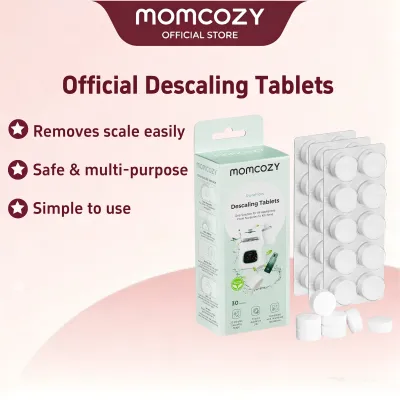
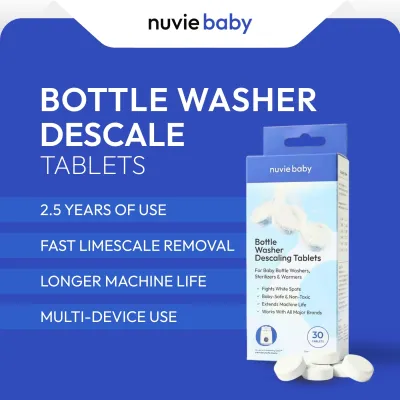
Prices are valid at publication and may change. Please refer to the product page for the latest price.
You will likely notice several performance indicators when your sterilizer is overdue for a descaling cycle. The most common sign is a noticeable increase in the time it takes for a standard cycle to complete, as the insulated heating plate struggles to transfer heat efficiently. You might also hear unusual clicking, buzzing, or louder boiling noises during operation, which occur when water gets trapped beneath the mineral crust. In severe cases, the machine may shut off prematurely before completing its cycle, leaving your baby’s bottles damp and improperly sanitized.
How often you need to descale depends heavily on the hardness of your local water supply and how frequently you run the appliance. In areas with hard water, which contains high concentrations of dissolved calcium and magnesium, you may need to descale the unit every one to two weeks. If you have soft water or use highly filtered water, you might only need to perform this maintenance every four weeks. Always monitor the physical appearance of the heating plate and consult your specific Momcozy model’s user manual to align with the manufacturer’s recommended maintenance schedule.
Gathering Safe Descaling Solutions and Tools
When preparing to clean an appliance that sanitizes items for your baby’s mouth, selecting the right cleaning agent is paramount. You must avoid any harsh industrial descalers, chemical solvents, bleach, or highly fragranced household cleaners, as these can leave toxic residues that are difficult to rinse away completely. Instead, rely on gentle, food-grade acids that effectively break down calcium carbonate while remaining completely safe for infant feeding gear.

Distilled white vinegar is one of the most accessible and effective natural descaling agents available. Its mild acetic acid content breaks the chemical bonds of the mineral scale, allowing it to be wiped away easily. Alternatively, food-grade citric acid powder is an excellent, odorless option that is highly effective at dissolving stubborn deposits. Citric acid is often preferred by parents who find the lingering scent of vinegar unpleasant, and it is widely available in the baking aisle of most grocery stores or online marketplaces.
Before proceeding with either option, it is crucial to perform a safety check by reviewing your specific Momcozy user manual. Different models may feature variations in the coating of their heating plates or the specific plastics used in their water reservoirs. The manufacturer’s documentation will specify whether both vinegar and citric acid are approved for your exact model, and it will outline any specific concentration limits you must observe to protect the appliance’s warranty.
To complete the descaling process safely, gather a few basic, non-abrasive tools. You will need a soft microfiber cloth or a non-abrasive sponge to wipe down the surfaces without scratching the metal or plastic. Avoid metal scouring pads, steel wool, or stiff-bristled brushes, as these will scratch the protective coating on the heating plate, making it even easier for minerals to adhere in the future. Keep a clean measuring cup on hand to ensure you mix your solutions to the precise ratios recommended by the manufacturer.
Step-by-Step Descaling Process for Momcozy Sterilizers
To safely and effectively clean your sterilizer, follow a structured, sequential workflow that protects both the electronic components of the base and the integrity of the heating element.
Step 1: Preparation Begin by turning off the appliance and unplugging the power cord from the wall outlet. Allow the unit to cool down completely if it was recently used, as the heating plate can cause severe burns. Remove the lid, accessory trays, bottle racks, and any baby bottles or pump parts from the unit. Carefully pour out any residual water remaining in the base reservoir, taking care not to let water spill into the air vents or control buttons, which can damage the internal circuitry.
Step 2: Mixing and Applying the Solution Prepare your chosen descaling mixture according to the guidelines in your user manual. If you are using white vinegar, a common ratio is equal parts white vinegar and clean water, typically around 50 ml of each, though you must verify this in your manual. If using citric acid, dissolve approximately 10 grams of citric acid powder into 100 ml of warm water until the crystals are fully dissolved. Pour the prepared mixture directly onto the heating plate in the base reservoir, ensuring the mineral deposits are fully submerged.
Step 3: The Descaling Cycle or Soak Depending on the specific instructions for your Momcozy model, you will either let the solution soak cold or run a short heating cycle. For a cold soak, simply let the mixture sit in the reservoir for 30 to 60 minutes, allowing the acid to dissolve the minerals naturally. If your manual instructs you to run a cycle, plug the unit in, replace the lid, and run a standard sterilization cycle for a few minutes to heat the solution, which accelerates the chemical reaction. If you run a cycle, unplug the unit immediately afterward and let the hot liquid sit for another 15 to 20 minutes to finish loosening the scale.
Step 4: Rinsing and Wiping Once the soaking time is complete, carefully pour the descaling solution out of the reservoir. Use your soft, damp cloth or non-abrasive sponge to gently wipe the heating plate and the inner walls of the reservoir. The softened limescale should wipe away easily; do not scrub aggressively. Rinse the reservoir thoroughly by pouring in a small amount of clean, fresh water, swirling it gently, and pouring it out. Repeat this rinsing step several times to ensure all traces of vinegar or citric acid are completely removed, keeping water away from the electrical ports and buttons.
Step 5: Final Drying and Reassembly Use a clean, dry microfiber cloth to wipe the interior and exterior of the sterilizer base. Leave the lid off and allow all components to air-dry completely in a well-ventilated area before reassembling the unit. Once dry, place the trays and racks back into the base, and your sterilizer is ready for its next standard cycle.
During this process, pay close attention to how the device behaves. If you notice any stop conditions—such as a burning smell, liquid leaking from the bottom of the base, or unusual error codes flashing on the digital display—unplug the unit immediately. Do not attempt to use the sterilizer or perform further cleaning; instead, contact Momcozy customer support or a qualified professional to inspect the appliance for electrical or structural damage.
Preventative Maintenance and Daily Care
While periodic descaling is inevitable, establishing simple daily habits can significantly reduce the speed at which minerals accumulate, saving you time and extending the operational lifespan of your appliance.
The most effective daily habit is to empty any leftover water from the reservoir immediately after every single sterilization cycle. When the cycle ends and the unit cools down, a small amount of water often remains on the heating plate. If left to sit, this water evaporates slowly, leaving all of its dissolved minerals behind to settle and harden onto the metal. By pouring out this residual water and wiping the plate dry with a clean, soft cloth after each use, you prevent these minerals from bonding to the surface.
Another highly effective strategy is to pay attention to the type of water you use. If your local tap water is exceptionally hard, consider switching to filtered, demineralized, or distilled water for your sterilization cycles, provided this aligns with the guidelines in your Momcozy user manual. Distilled water has had almost all of its mineral content removed, meaning it will produce virtually no limescale buildup, drastically reducing the frequency of required descaling.
In addition to water management, perform a quick visual inspection of the heating plate once a week. Catching early, thin layers of mineral film allows you to wipe them away with a damp cloth before they harden into a thick crust that requires a full descaling cycle. This proactive approach keeps the heating element operating at peak efficiency, ensuring your baby’s bottles are always subjected to the correct sterilization temperatures.
Finally, proper storage and ventilation are key to maintaining a hygienic appliance. When the sterilizer is not in use, keep it in a dry, clean area with the lid slightly ajar to allow any remaining moisture to escape. This prevents the growth of mold or mildew, which can thrive in damp, enclosed environments, ensuring that your sterilizer remains a clean, safe space for your infant’s feeding accessories.
Frequently Asked Questions (FAQ)
Can I use commercial descaling tablets meant for coffee machines?
No, you should not use commercial descaling tablets designed for coffee makers, kettles, or other household appliances in your baby bottle sterilizer. These commercial products often contain strong synthetic acids, chemical binding agents, and corrosion inhibitors that are not formulated or tested for safety on infant feeding equipment. Residues from these chemicals can cling to the plastic walls of the sterilizer and transfer to your baby’s bottles, pacifiers, or breast pump parts during subsequent steam cycles. To protect your infant’s health and avoid voiding your appliance’s warranty, stick strictly to the mild, food-safe descaling agents approved in your Momcozy user manual, such as food-grade citric acid or white vinegar.
What should I do if the limescale does not come off after one cycle?
If you encounter stubborn, thick mineral deposits that remain on the heating plate after completing a descaling cycle, do not attempt to scrape them off with metal utensils, knives, or abrasive scrubbers, as this will permanently damage the protective coating of the heating element. Instead, repeat the descaling process using a fresh mixture of your approved solution. For particularly persistent scale, allow the vinegar or citric acid solution to soak for a longer period, such as several hours or even overnight, before wiping. If the buildup still does not dissolve or if you suspect the heating plate has sustained physical damage from the minerals, stop using the device and contact Momcozy customer support for professional guidance.
Community discussion
Share your experience or ask a question. Comments are reviewed before publication.