
Properly maintaining, cleaning, and sterilizing your spectra accessories is one of the most critical aspects of your breastfeeding journey. Because breast milk is rich in fats, proteins, and sugars, any residue left behind on your pumping equipment can quickly become a breeding ground for harmful bacteria. Ensuring that your pump parts are hygienically clean protects your baby’s developing immune system from foodborne pathogens while simultaneously protecting the delicate mechanical components of your breast pump.
To clean your Spectra pump parts correctly, you must thoroughly wash all milk-contact components with warm, soapy water after every single use and sterilize them at least once daily. While the process may seem overwhelming at first, establishing a structured routine will save you time, protect your infant, and extend the functional lifespan of your equipment. This comprehensive guide outlines the exact steps required to clean, sterilize, dry, and store your pump accessories safely, with specific considerations for the humid climate of Singapore and the unique design of Spectra closed-system pumps.
Cleaning vs. Sterilizing: Setting the Right Hygiene Routine
Many parents use the terms “cleaning” and “sterilizing” interchangeably, but they serve two entirely different and equally important functions in your hygiene routine. Cleaning is the physical removal of organic matter, milk fat, proteins, and sugars from the surfaces of your pump parts. This step is mandatory after every single pumping session. If you skip cleaning and attempt to sterilize parts that still have milk residue on them, the heat can actually bake the proteins onto the plastic, creating a tough biofilm. This biofilm acts as a protective shield for bacteria, rendering subsequent sterilization efforts ineffective.
Products mentioned in this guide

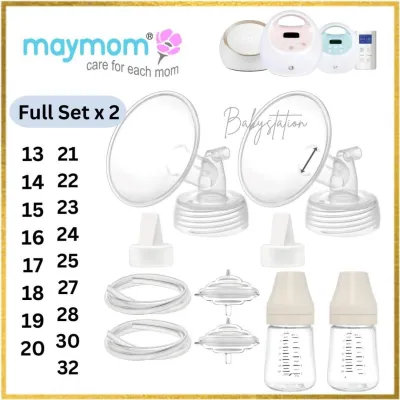
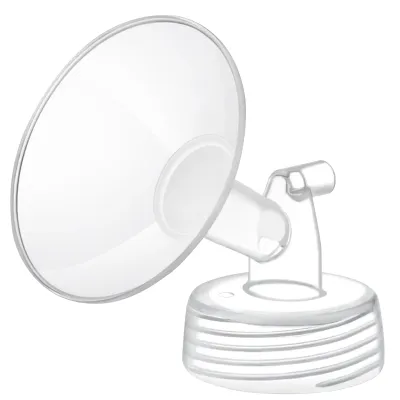
Prices are valid at publication and may change. Please refer to the product page for the latest price.
Sterilizing, on the other hand, is the process of using high temperatures or steam to destroy any remaining microscopic pathogens, viruses, and bacteria that survive the washing process. According to international pediatric health guidelines, daily sterilization is highly recommended, particularly for infants under two months of age, babies born prematurely, or those with compromised immune systems. For older, healthy infants, you may choose to sterilize less frequently depending on your pediatrician’s advice, but washing after every use remains non-negotiable. Always prioritize your baby’s health by consulting a qualified healthcare professional if you are unsure about the ideal sterilization frequency for your specific situation.
Identifying Your Spectra Accessories: What Touches Breast Milk?
Before you begin washing your equipment, you must understand the anatomy of your pump kit. Spectra breast pumps utilize a specialized closed-system design, which is engineered to keep breast milk entirely separate from the pump’s motor and air pathways. Because of this design, different components have vastly different cleaning requirements. Misidentifying parts or washing them incorrectly can lead to mold growth, loss of suction, or permanent damage to the accessories.

Parts That Contact Breast Milk
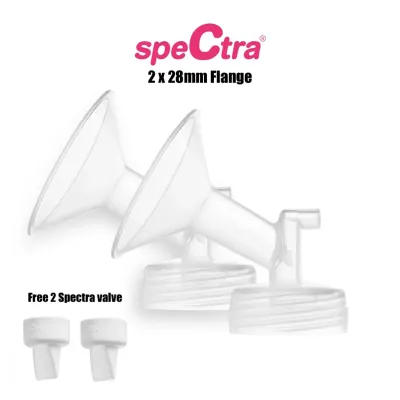
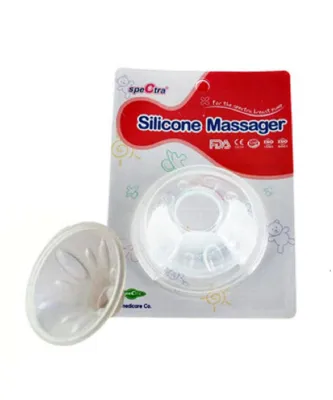
The components that come into direct contact with your breast milk require rigorous cleaning after every use and regular sterilization. These parts include the breast shields (flanges), milk collection bottles, bottle collars, sealing discs, and silicone duckbill valves. If you use silicone massage inserts or cushion adapters inside your flanges, these also count as milk-contact parts. Because breast milk contains natural fats that cling to surfaces, these components quickly accumulate a greasy film. If this film is not thoroughly stripped away during washing, it can harbor bacteria and cause the silicone parts to degrade, stretch, or lose their airtight seal prematurely.
Parts That Do Not Contact Breast Milk
The components that do not contact breast milk include the plastic tubing and the backflow protectors. In Spectra’s closed system, the backflow protector acts as a physical barrier between the wet parts (flanges and bottles) and the dry parts (tubing and motor). The backflow protector assembly consists of three parts: a large plastic casing, a small plastic casing, and a flexible silicone membrane that sits between them. Because the membrane prevents milk and moisture from passing into the tubing, the tubing itself should remain completely dry. Under normal operation, you do not need to wash or sterilize the tubing. In fact, getting the inside of the tubing wet is a major hazard, as it is incredibly difficult to dry and can easily grow mold.
Step-by-Step Daily Cleaning Routine
To maintain the integrity of your pump parts and ensure absolute hygiene, establish a dedicated washing routine immediately after you finish pumping. Letting milk sit in the bottles or flanges allows the fats to dry and harden, making them much more difficult to clean later. Follow these four essential steps for safe daily cleaning.
1. Complete Disassembly
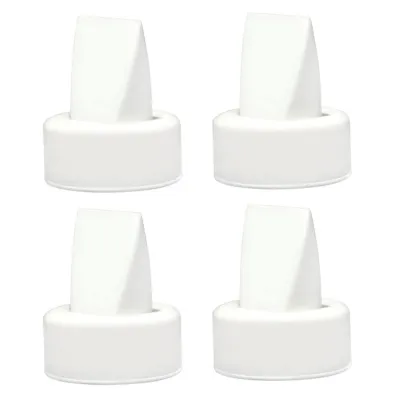
Begin by washing your hands thoroughly with soap and clean water for at least 20 seconds. Once your hands are clean, completely disassemble all the pump accessories. Separate the bottles from the flanges, pull the duckbill valves off the flange stems, and take apart the three components of the backflow protectors. Leaving parts partially assembled traps moisture and milk residue in the tight joints and crevices, creating a perfect environment for bacterial colonization. Always handle the delicate silicone duckbill valves with care, pulling them gently from the thick base rather than the thin tip to avoid tearing the material.
2. Preliminary Cold Water Rinse
Rinse all milk-contact parts under cold, running water immediately after disassembly. This is a crucial step that many parents overlook. Cold water effectively rinses away milk proteins and prevents them from coagulating or binding to the plastic and silicone surfaces. If you rinse with hot water first, the heat will coagulate the proteins, causing them to stick to the parts and leave a stubborn, cloudy residue that is highly resistant to soap.
3. Hand-Washing in a Dedicated Basin
Never wash your breast pump parts directly in the kitchen sink, as household sinks naturally harbor high levels of bacteria, food waste, and pathogens. Instead, use a dedicated washbasin reserved solely for your infant’s feeding equipment. Fill the basin with warm, soapy water using a mild, fragrance-free dish soap or a specialized baby bottle cleanser. Submerge the disassembled parts and wash them thoroughly using a dedicated bottle brush. Use a smaller detail brush to clean the narrow crevices of the flanges and bottle threads. For delicate silicone parts like the duckbill valves and backflow membranes, avoid using abrasive brushes altogether; instead, gently massage them with soapy water using your clean fingers to prevent micro-tears that compromise suction.
Dishwasher Considerations
If you prefer to use a dishwasher, first verify your specific Spectra accessory packaging and user manual to confirm which parts are dishwasher safe. Generally, hard plastic parts like flanges and bottles can be washed on the top rack of the dishwasher. Place smaller items, such as bottle collars and disassembled backflow protector casings, inside a closed mesh laundry bag or a dishwasher basket to prevent them from falling onto the heating elements. Use a hot water wash cycle and a heated drying cycle to aid sanitization. Keep in mind that frequent exposure to dishwasher detergents and high heat can cause plastic parts to become cloudy or brittle more quickly than hand-washing. Delicate silicone valves and membranes should always be hand-washed to preserve their shape and suction capabilities.
4. Thorough Rinse and Air Drying
After washing, rinse each part thoroughly under clean, running water to remove all traces of soap residue. Place the clean parts on a dedicated drying rack or a clean, unused paper towel in a well-ventilated area. Avoid using cloth dish towels to dry your pump parts, as towels can easily transfer lint, fibers, and household bacteria back onto your freshly cleaned equipment.
Safe Sterilization Methods for Heat-Safe Parts
Sterilizing your Spectra accessories eliminates any lingering pathogens that washing might have missed. However, because these parts are made of specialized plastics and silicone, they have specific temperature limits. Exceeding these limits can cause the parts to warp, melt, or degrade, which directly impacts the suction efficiency of your breast pump. Always check your specific Spectra manual for manufacturer warnings before sterilizing.
Boiling and Electric Steam Sterilizers
Boiling is a highly accessible and traditional method of sterilization. To boil your parts safely, fill a deep pot with enough water to fully submerge all components and bring it to a rolling boil. Carefully place the disassembled, pre-washed, boil-safe parts (such as the hard plastic flanges, bottles, and silicone valves) into the water. Ensure that no parts are resting directly against the bottom or sides of the metal pot, as the direct heat from the stove burner can easily scorch or melt the plastic. Boil the parts for the exact duration recommended in your Spectra manual—typically between 3 to 5 minutes. Do not leave the pot unattended, and do not boil them longer than recommended, as excessive exposure to boiling temperatures will rapidly degrade the silicone and plastic.
Electric steam sterilizers offer a convenient, automated alternative to boiling. When using an electric steam sterilizer, arrange the parts on the racks with all openings facing downward. This allows the steam to circulate freely inside the bottles and flanges. Follow the manufacturer’s instructions precisely regarding the exact volume of water to add to the heating plate. Ensure that you do not overload the sterilizer, as crowded parts may not receive even steam distribution.
Microwave Steam Sterilizer Bags
Microwave steam sterilizer bags are an excellent option for busy parents, especially when traveling or pumping at the workplace. These reusable bags use steam to quickly sanitize parts in a matter of minutes. To use them safely, place your pre-washed Spectra parts inside the bag, making sure not to overcrowd it. Add the exact volume of water specified by the bag’s manufacturer. Failing to add enough water can cause the bag and your accessories to melt or catch fire, while adding too much water will prevent proper steam generation.
Seal the bag and microwave it according to the wattage-specific time guidelines provided on the packaging. Once the cycle is complete, exercise extreme caution. The steam inside the bag is incredibly hot and can cause severe burns. Allow the bag to cool completely for at least two to three minutes before handling it. Use the designated “cool-touch” safety grip area to handle the bag, and carefully pour out the remaining hot water through the steam vent before fully opening the seal. Ensure that only microwave-safe components are placed inside these bags, and verify that the parts do not touch the walls of the microwave if they rotate on a turntable.
Drying, Storage, and Recognizing When to Replace Parts
Proper post-wash handling is just as critical as the washing process itself. In Singapore’s tropical, highly humid climate, moisture evaporates slowly, which can create an environment conducive to mold and bacterial growth if parts are left damp.
Drying and Storage
Always allow your accessories to air dry completely on a dedicated drying rack. If you find that the high humidity in Singapore is delaying the drying process, place the drying rack in an air-conditioned room or near a clean, gentle fan to accelerate evaporation. Never assemble or store parts while they are still damp, as trapped moisture will quickly lead to mold. Once every component is bone-dry, wash your hands thoroughly before assembling the parts. Store the assembled pump kits in a clean, dedicated, airtight container or a clean zip-top bag to protect them from household dust, pet dander, and airborne contaminants between uses.
Recognizing When to Replace Parts
Breast pump accessories are consumable items that wear out over time due to friction, heat, and milk fat exposure. As these parts degrade, they lose their elasticity and structural integrity, which directly causes a gradual drop in your pump’s suction power. Inspect your accessories weekly for signs of wear and tear:
- Duckbill Valves: These are the most sensitive parts of your pump. Inspect the tips closely; if the slit does not seal completely flat when at rest, or if the silicone appears stretched, cloudy, or torn, replace them immediately. Depending on how frequently you pump, duckbill valves generally need to be replaced every 1 to 3 months.
- Backflow Protector Membranes: If the silicone membrane inside the backflow protector loses its springiness, stretches out, or develops micro-tears, it will severely impact suction and fail to protect the motor. Replace these membranes every 3 to 6 months.
- Flanges and Breast Shields: Look for fine hairline cracks, rough edges, or deep cloudiness. Cracks can harbor bacteria that washing cannot reach and can also pinch your skin during pumping. Replace flanges every 6 months, or sooner if you notice physical damage.
- Bottles: If your collection bottles become heavily scratched, cracked, or deeply discolored, replace them to ensure a hygienic feed for your baby.
Troubleshooting Common Pump Maintenance Issues
Even with a meticulous routine, you may encounter occasional maintenance challenges. Knowing how to troubleshoot these issues safely will protect your pump motor and keep your accessories in top condition.
Water or Condensation in the Tubing
If you notice small droplets of condensation inside your Spectra tubing after a pumping session, do not panic. This is usually caused by humidity and temperature differences. To dry the tubing, disconnect it from the backflow protectors but leave it plugged into the pump motor. Turn the pump on and let it run empty for 5 to 10 minutes. The continuous airflow will evaporate the moisture. Alternatively, hang the tubing vertically in a dry area. However, if you ever see black spots, film, or clear signs of mold inside the tubing, you must discard it immediately. Because the narrow interior of the tubing cannot be safely scrubbed, sanitized, or dried once mold takes root, replacing it is the only safe option.
Stubborn Odors
Over time, the plastic and silicone parts of your pump may absorb a strong, sour milk odor that regular dish soap cannot eliminate. To neutralize these odors, prepare a mixture of equal parts warm water and white vinegar in your dedicated washbasin. Submerge the affected parts (excluding the tubing) and let them soak for 15 to 30 minutes. The natural acidity of the vinegar breaks down stubborn milk fats and neutralizes odors. After soaking, wash the parts thoroughly with warm soapy water and rinse them clean to ensure no vinegar smell remains.
Mold on Silicone Parts
Silicone is a highly porous material. If you notice any black or grey spots of mold on your duckbill valves, backflow membranes, or silicone massage cushions, do not attempt to boil or bleach them. Once mold spores penetrate the porous structure of silicone, they cannot be reliably or safely eliminated. Discard the moldy parts immediately and replace them with fresh, sterile accessories to prevent exposing your baby to harmful mold spores.
Frequently Asked Questions (FAQ)
Can I wash or boil Spectra tubing?
No, you should never wash, submerge, or boil Spectra tubing. Because Spectra breast pumps utilize a closed-system design, the tubing only carries air and should never come into contact with breast milk. Getting the inside of the tubing wet creates an immediate mold hazard, as the narrow, long tube is nearly impossible to dry completely. If the outside of the tubing becomes dusty or dirty, simply wipe it down with a damp cloth or a sanitizing wipe and dry it immediately with a clean paper towel. If moisture or milk somehow bypasses the backflow protector and enters the tubing, discard the tubing immediately and replace it.
How should I clean the backflow protectors?
To clean your backflow protectors, you must completely disassemble the three pieces: the front plastic casing, the silicone membrane, and the back plastic casing. Gently hand wash all three components in warm, soapy water. Avoid using a bottle brush on the silicone membrane, as the bristles can easily puncture or tear the delicate material; instead, clean it gently with your fingers. Rinse the parts thoroughly under running water and let them air dry completely before reassembling. Refer to your specific Spectra model manual to verify if the hard plastic casings are top-rack dishwasher safe, but always hand-wash the silicone membranes to preserve their lifespan.

Community discussion
Share your experience or ask a question. Comments are reviewed before publication.