
Finding the most trusted padded wall brands in Singapore requires looking beyond attractive pastel designs and marketing claims of absolute safety. For parents navigating the baby-proofing phase, a reliable padded wall panel must serve as a durable, non-toxic, and high-impact-absorbing barrier against hard concrete walls and sharp furniture edges. Because Singaporean homes often feature solid concrete partition walls and built-in cabinetry, choosing the right padding involves verifying material safety certifications, assessing adhesive compatibility with local paint finishes, and analyzing authentic feedback from other parents.
Rather than relying on unverified brand names or generic online listings, parents should establish a systematic evaluation process. This guide outlines how to assess your home’s specific layout, verify independent chemical safety reports, identify genuine user reviews, and execute a secure installation that protects both your child and your property.
Assessing Your Baby-Proofing Needs for Padded Walls
Before purchasing any wall padding, it is essential to map out the specific high-risk zones in your home. In typical Singapore apartments, such as HDB flats and condominiums, space is often optimized with built-in furniture, platform beds, and structural pillars. These architectural features create hard surfaces and sharp 90-degree corners that pose a risk to toddlers who are learning to roll, crawl, pull themselves up, or walk.
Products mentioned in this guide
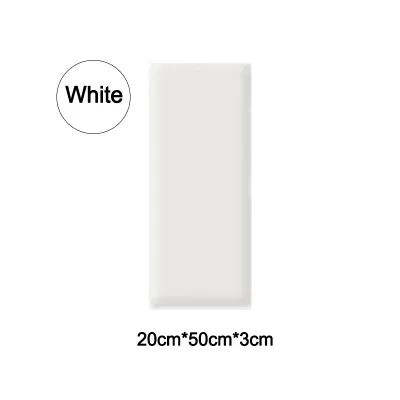
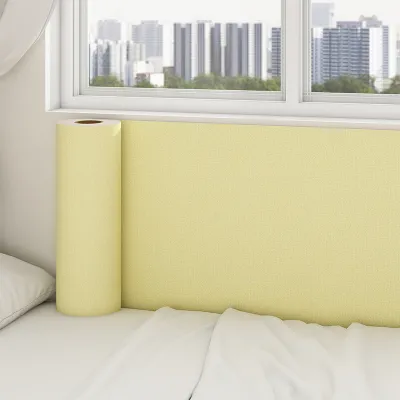
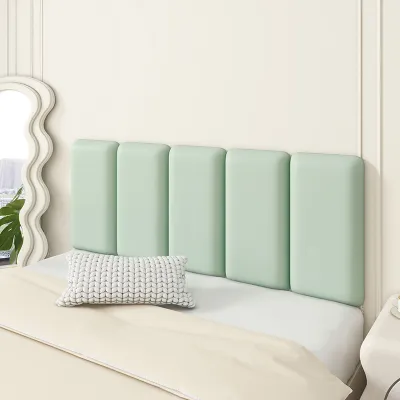
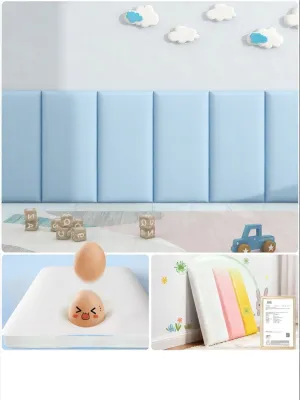
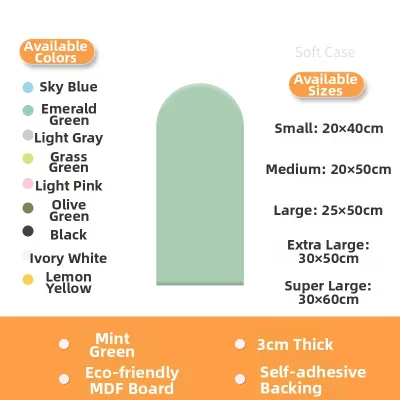
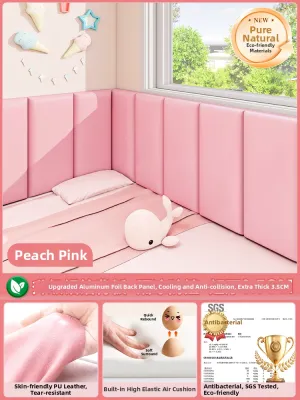
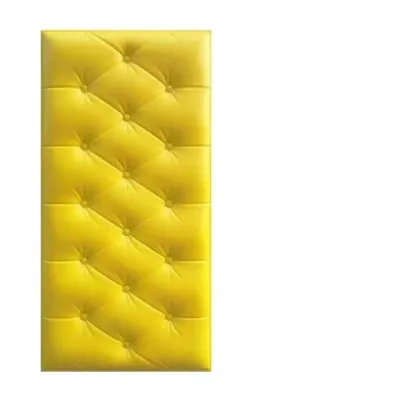
Prices are valid at publication and may change. Please refer to the product page for the latest price.
Start by identifying the primary zones where your child spends the most unsupervised or active time. The bedside area is a common starting point, especially if you use a platform bed or if the toddler’s cot is positioned directly against a concrete wall. Low window sills, playpen perimeters, and the lower sections of living room walls are also critical areas. If your home has structural columns or sharp drywall corners, these should be prioritized for wrap-around padding.
Once you have mapped these zones, determine the required thickness and foam density based on your child’s developmental stage. For younger infants who are just beginning to sit up or roll, a thinner pad of around 1 to 1.5 centimetres may suffice to prevent minor bumps. However, for highly active toddlers who are running, jumping, or prone to losing their balance, look for high-density foam panels with a thickness of at least 3 centimetres to ensure adequate impact absorption.
Finally, calculate the exact square footage required by measuring the length and height of the target wall areas. It is highly recommended to sketch a quick layout of the panels before ordering. This prevents under-ordering, which leads to unprotected gaps, and minimizes material waste from over-ordering. Remember to account for electrical outlets, light switches, and skirting boards, as these will require precise cutting and custom fitting during installation.
Evaluating Material Safety and Build Quality
Because infants and toddlers frequently touch, lean against, and sometimes even mouth wall panels, material safety is the most critical factor when choosing a brand. Trusted brands will openly provide verifiable, independent safety certifications rather than making vague claims of being “eco-friendly” or “baby-safe.”

When evaluating a brand, look for test reports from recognized global testing bodies such as SGS, KC (Korea Certification), or OEKO-TEX. These reports should confirm that the products are free from harmful levels of heavy metals, formaldehyde, phthalates, and formamide. Formamide, in particular, is a chemical compound sometimes used in the manufacturing of foam products that can off-gas and pose health risks. Ensure the brand’s documentation specifically states compliance with international toy safety standards, such as EN71 or ASTM F963.
Next, compare the types of foam used inside the panels. Ethylene-vinyl acetate (EVA) foam is highly common and budget-friendly, but low-quality EVA can have a strong chemical odor and may degrade quickly under compression. Polyurethane (PU) foam wrapped in a protective outer layer offers excellent cushioning and durability, making it a preferred choice for high-impact zones. Expanded Polyethylene (EPE) foam is another lightweight, highly resilient option that maintains its shape well over time.
The outer cover material is equally important for hygiene and maintenance. Look for high-quality PU leather or thermoplastic polyurethane (TPU) outer layers. These materials should be water-resistant, scratch-resistant, and easy to wipe clean with a damp cloth or mild baby-safe sanitizer. Avoid fabrics that absorb moisture, as Singapore’s humid climate can encourage the growth of mold, dust mites, and bacteria within the fibers.
Lastly, consider fire retardancy. While residential wall pads do not always require commercial-grade fire ratings, trusted brands often treat their materials to be self-extinguishing or flame-resistant. Verify that the outer cover and inner foam do not easily ignite or release highly toxic smoke if exposed to a heat source, especially if the panels are installed near electrical outlets.
Verifying Brand Reputation and Authentic Parent Reviews
With numerous generic brands flooding online marketplaces, distinguishing a reputable manufacturer from a low-quality alternative requires careful research. Marketing materials can easily mimic high-end brands, making authentic parent feedback your most valuable resource.
Begin by cross-referencing product reviews across multiple independent platforms. Do not rely solely on the reviews hosted on the brand’s own website, as these can be curated. Instead, search local parenting forums, community groups, and independent ecommerce platforms where buyers upload real photos and videos of their installations. Pay close attention to how the panels look after several weeks or months of use.
When reading reviews, learn to spot red flags that indicate manipulated ratings. Be skeptical of brands that have hundreds of five-star reviews with repetitive, generic phrasing and no user-uploaded photos. Sudden spikes in positive ratings over a short period can also indicate a coordinated promotional campaign. Look for detailed reviews that describe specific scenarios, such as how the padding performed when a toddler bumped their head, or how well the material resisted scratches from toys.
Long-term feedback is particularly crucial for padded walls. Search for comments regarding adhesive durability, foam degradation, and edge curling. In Singapore’s warm and humid environment, low-quality adhesives can liquefy or lose their grip, causing panels to peel away from the wall. Brands that receive consistent complaints about panels falling off after a month should be avoided, as loose panels present a safety hazard.
Additionally, evaluate the brand’s customer service and corporate transparency. Trusted brands typically offer clear warranty terms, responsive customer service channels, and straightforward return policies. If a brand does not provide clear contact information or refuses to answer specific questions about their material sourcing and safety certificates, it is best to look elsewhere.
Comparing Installation Methods and Wall Compatibility
An outstanding padded wall panel is only as good as its installation. If the panels do not stay securely attached to the wall, they cannot protect your child and may even pose a suffocation or trapping hazard if they fall. You must choose an installation method that matches your wall type and your long-term housing plans.
| Adhesive Type | Best Wall Surface | Holding Strength | Removal Difficulty | Rental Friendliness |
|---|---|---|---|---|
| Acrylic Double-Sided Tape | Smooth plaster, gloss paint, glass | High | Moderate to High | Low (may peel paint) |
| Hook-and-Loop (Velcro) | Matte paint, wallpaper, wood | Moderate | Low (tape remains on wall) | Moderate |
| Silicone-Based Adhesive | Rough concrete, brick, textured walls | Very High | Very High | Very Low (permanent) |
| Removable Gel Tape | Smooth tiles, metal, sealed wood | Moderate | Low | High |
For rented apartments, preserving the original wall paint is a major priority. Standard double-sided acrylic foam tape provides excellent holding strength but is highly likely to tear off matte emulsion paint when removed. If you are renting, consider using a hook-and-loop system where only small, low-tack adhesive strips contact the wall, or opt for free-standing padded playpens and modular floor mats that do not require wall attachment.
Before applying any adhesive, proper surface preparation is mandatory. Dust, oil, and moisture on the wall will severely compromise the bond. Wipe the wall down with a dry microfiber cloth or a mild isopropyl alcohol solution, and allow it to dry completely. Avoid using heavy household cleaners, as they can leave a chemical residue that prevents the adhesive from curing properly.
When the time comes to remove the panels, do not pull them off forcefully. Use a household hairdryer on a medium-heat setting to gently warm and soften the adhesive backing. Once warmed, slowly peel the panel away while using a plastic scraper or dental floss to slice through the softened adhesive. Any remaining residue can be cleaned with a specialized adhesive remover or warm soapy water.
Navigating Retail Channels for Authentic Products
To ensure you are purchasing genuine, high-quality padded walls rather than cheap counterfeits, you must select your purchasing channels carefully. Counterfeit baby products often use substandard foam and non-certified plastics that emit harmful volatile organic compounds (VOCs).
Whenever possible, purchase directly from the brand’s official flagship store on major online marketplaces or their dedicated local website. This guarantees that you receive authentic inventory, valid warranties, and access to official customer support. Official stores are also more likely to provide accurate product specifications and up-to-date safety certifications.
For parents who prefer a hands-on evaluation, visiting specialized local baby retail stores or physical showrooms in Singapore is highly beneficial. Seeing the products in person allows you to physically compress the foam to test its density, feel the texture of the outer cover, and inspect the overall build quality. It also gives you an opportunity to speak with knowledgeable retail staff about wall compatibility and installation tips.
Avoid buying from unverified third-party sellers or cross-border listings that offer prices significantly below the market average. While a low price point is tempting, these products often bypass local safety standards and may contain hazardous chemicals. Furthermore, returning defective or damaged items to overseas sellers can be incredibly difficult and costly.
Finally, prioritize brands that maintain local stock in Singapore. Local stock not only ensures significantly faster shipping times but also simplifies the return or exchange process if you accidentally order the wrong size or color. It also means the customer support team operates in your timezone, making it easier to resolve any installation or product issues quickly.
Frequently Asked Questions (FAQ)
Are padded wall stickers safe for all types of paint?
No, padded wall stickers and panels are not universally safe for all paint finishes. The high-strength adhesives required to hold heavy foam panels in place interact differently depending on the paint’s formulation and condition. Matte and chalky emulsion paints are highly susceptible to peeling because the adhesive bonds to the outer pigment layer rather than the underlying wall. Gloss, semi-gloss, and satin paints generally tolerate adhesives better, but they can still suffer damage if the paint was applied without a proper primer.
Before installing panels across a large area, always perform a hidden patch test. Apply a small piece of the adhesive tape to an inconspicuous area, such as behind a door or near the skirting board, and leave it for 48 hours. Carefully peel it off to check if it lifts the paint or leaves a stubborn residue. If the paint bubbles, cracks, or peels during this test, you should use a gentler adhesive, apply a primer, or opt for non-adhesive baby-proofing alternatives.
How often should padded wall panels be replaced?
Typically, high-quality padded wall panels should be inspected regularly and replaced every two to three years, or sooner if they show visible signs of wear. Over time, constant impacts, environmental factors, and cleaning routines will degrade the materials. You should replace the panels immediately if you observe permanently compressed foam that no longer rebounds, deep tears or cracks in the outer protective layer, or edges that consistently curl and lift away from the wall.
Singapore’s high humidity and warm climate can accelerate the breakdown of both the foam and the adhesive. If the panels are exposed to direct sunlight from nearby windows, UV radiation can cause the outer PU leather to become brittle and crack, exposing the inner foam to moisture and dust. When disposing of old panels, check with local recycling guidelines; while some clean PE foams can be recycled, heavily soiled panels or those with mixed materials must be disposed of as general household waste.

Community discussion
Share your experience or ask a question. Comments are reviewed before publication.