
Selecting a supportive maternity belt is a highly practical decision for expectant mothers navigating the physical transitions of pregnancy. As your baby grows, the shifting center of gravity and hormonal changes can place significant strain on your lower back, hips, and pelvis. In Singapore, finding the right maternity belt pregnant mothers recommend involves balancing structural support with fabric breathability to match the local tropical climate.
Rather than relying solely on brand popularity, choosing the most effective support wear requires understanding your specific physical symptoms, the stage of your pregnancy, and the design features of different support garments. By evaluating key criteria such as material composition, adjustability, and support types, you can find a reliable option that helps you remain comfortable and active throughout your pregnancy journey.
Why Pregnant Mothers in Singapore Use Maternity Belts
During pregnancy, your body produces relaxin, a hormone that softens your ligaments to prepare the pelvis for childbirth. While this process is essential, it often leads to joint instability, particularly around the pelvis and lower spine. As your abdomen expands, your abdominal muscles stretch and weaken, shifting your center of gravity forward. This shift forces your lower back muscles to work harder, frequently resulting in persistent lower back pain, pelvic girdle pain (PGP), and a heavy pulling sensation in the lower abdomen.
Products mentioned in this guide
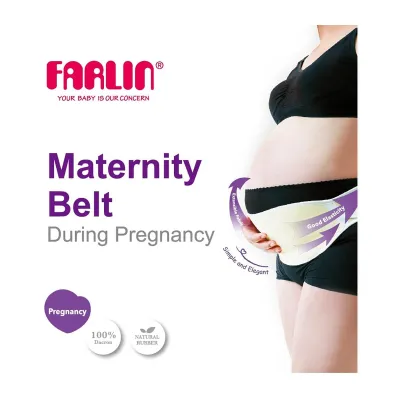
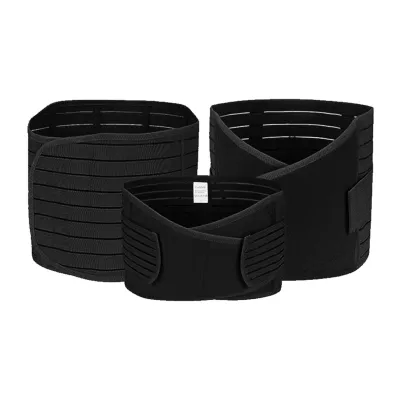
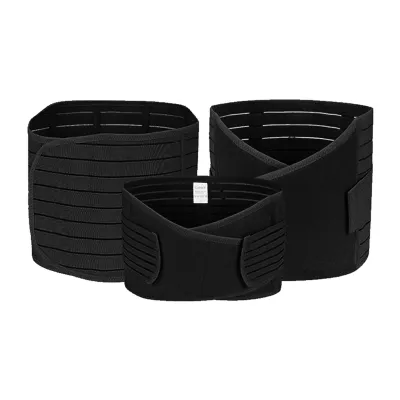
Prices are valid at publication and may change. Please refer to the product page for the latest price.
A maternity belt acts as an external support system, gently lifting the abdomen and redistributing the weight more evenly across your hips and lower back. This targeted compression helps stabilize the pelvis, reduces the workload on fatigued spinal muscles, and alleviates the downward pressure on your pelvic floor. For mothers who need to stand for long periods, commute on public transit, or care for older children, this support can significantly improve daily mobility and comfort.
In Singapore, the year-round hot and humid climate adds a unique layer of complexity to choosing maternity wear. Wearing an extra layer of thick, non-breathable elastic around your midsection can quickly lead to overheating, excessive sweating, and skin issues such as heat rash, contact dermatitis, or chafing. Consequently, local mothers actively seek out maternity belts made from highly breathable, lightweight, and moisture-wicking materials that can be worn comfortably under or over clothing without causing skin irritation.
Key Features to Look for in a Maternity Belt
To ensure a maternity belt provides lasting comfort and effective relief, you should evaluate several design elements before making a purchase.

- Fabric Breathability and Moisture-Wicking Properties: Look for belts that incorporate mesh panels, perforated elastic, or natural fibers such as bamboo-derived viscose. These materials facilitate airflow and help draw sweat away from the skin, which is crucial for managing Singapore's humidity. Avoid heavy, solid synthetic bands that trap heat against your body.
- Adjustability and Closure Quality: Your body shape will change continuously throughout the second and third trimesters. A high-quality maternity belt must feature adjustable closures—typically hook-and-loop fasteners (Velcro)—that allow you to customize the level of tension as your belly grows. Check the quality of the fasteners; they should be strong enough to hold securely under tension but smooth enough not to snag your delicate maternity clothing or scratch your skin.
- Seamless and Low-Profile Designs: If you plan to wear your support belt to work or out in public, consider how it sits under your clothing. Bulky seams, thick plastic boning, or heavy buckles can create visible lines under dresses and lightweight tops. Seamless or low-profile designs lie flat against your silhouette, providing discreet support.
- Ergonomic Design Claims: Review the manufacturer's packaging and documentation for specific ergonomic design details. High-quality belts are often contoured to follow the natural curve of a pregnant body, tapering at the sides to prevent the fabric from digging into your thighs when you sit down. Always verify care instructions on the label; many supportive belts require hand washing and air drying to maintain their elasticity and structural integrity over time.
Popular Types of Maternity Support Wear
Different stages of pregnancy and varying physical symptoms require different styles of support. Understanding the three primary types of maternity support wear will help you select the design that best matches your daily physical demands.
Full-Coverage Belly Bands
Full-coverage belly bands are continuous tubes of highly elastic fabric that slide over your head or hips to cover your entire abdomen, from just below the bust down to the hips. These bands provide gentle, all-around compression rather than heavy structural lifting. They are highly effective for smoothing your silhouette under form-fitting clothing and keeping unbuttoned pre-pregnancy pants securely in place during the early transition months.
Because they distribute pressure evenly across the whole bump, full-coverage bands are ideal for mild support, warmth in air-conditioned environments, and light daily wear during the second trimester. However, because they cover a large surface area, it is vital to check that the fabric is exceptionally breathable to prevent heat retention.
Lower Abdomen Support Belts
Lower abdomen support belts are designed specifically to cradle the underside of your belly, lifting the weight upward and backward toward your spine. These belts typically consist of a wide, supportive band that sits low on your hips, combined with secondary tension straps that allow you to adjust the lifting force. Some models also include a top strap that runs over the upper curve of the belly to keep the belt securely in place.
These belts are highly recommended for the third trimester, for mothers carrying multiples, or for individuals experiencing severe lower back strain and abdominal heaviness. By physically lifting the uterus off the pelvic bone, they provide immediate relief from downward pressure. When choosing this type, look for contoured designs that do not pinch your groin when you sit.
Pelvic Support Bands
Pelvic support bands are narrow, firm, and relatively inelastic bands worn very low on the pelvis, resting directly over the hip bones (the trochanters). Unlike abdominal belts, their primary purpose is not to lift the belly, but to apply lateral compression to the pelvic ring, stabilizing the sacroiliac (SI) joints and the pubic symphysis.
These bands are specifically designed to manage conditions such as Symphysis Pubis Dysfunction (SPD) or severe pelvic girdle pain. Because correct positioning is critical for these bands to work effectively without causing injury, you should always verify the proper placement and suitability with a healthcare provider, such as a women’s health physiotherapist, before regular use.
How to Evaluate Maternity Belt Brands and Reviews
With numerous brands available online and in physical stores, filtering through marketing claims requires a methodical approach.
To find a genuinely reliable brand, prioritize verified purchase reviews on major e-commerce platforms. Look past overall star ratings and focus on detailed written feedback. Seek out reviews from mothers who share your approximate height, pre-pregnancy build, and current gestational week. Pay close attention to comments regarding how well the belt retains its elasticity after weeks of daily wear and multiple washes, and whether the edges of the fabric roll or dig into the skin when sitting.
Local parenting forums, social media support groups, and community platforms in Singapore are excellent sources of unbiased, anecdotal experiences. Mothers in these communities frequently share practical insights, such as how a specific brand’s fabric holds up against local humidity, or whether a particular belt is comfortable enough to wear during a daily commute on the MRT.
Additionally, always check the retailer’s or brand’s return and exchange policies before purchasing. Because body shapes vary widely, a belt that is highly recommended by one mother may not fit your unique curves. A flexible exchange policy allows you to try the belt on at home and swap it for a different size if the fit is not perfect.
Where to Buy Maternity Belts in Singapore
When shopping for a maternity belt, you can choose between physical retail stores and online channels, each offering distinct advantages.
Visiting physical retail locations—such as specialized maternity boutiques, department stores with dedicated baby sections, or major medical pharmacies—is highly recommended if you are unsure of your size or preferred style. Shopping in person allows you to feel the weight and texture of the fabric, test the strength of the Velcro, and physically hold the belt against your body to gauge its width. Some specialized boutiques have trained staff who can assist you with fitting and demonstrate how to adjust the tension straps correctly.
If you prefer the convenience of online shopping, buy directly from official brand websites or authorized local distributors. Purchasing through official channels ensures that you receive an authentic product made with safe, non-toxic dyes and high-quality materials, rather than a cheap counterfeit that may lack structural integrity. Official purchases also guarantee access to customer support and manufacturer warranties, which can be valuable if you encounter any manufacturing defects.
Safety Guidelines and When to Consult a Doctor
While maternity belts are highly effective tools for managing pregnancy discomfort, they must be used safely and mindfully to prevent adverse effects on your health or your baby’s development.
- Avoid Excessive Tightness: A maternity belt should provide gentle, supportive compression, not restrictive pressure. Wearing a belt too tightly can compress major blood vessels, restrict blood flow to the uterus, interfere with your digestion (exacerbating acid reflux), and limit your baby's movement. You should always be able to slide a hand comfortably flat beneath the belt.
- Prevent Muscle Dependency: Relying on a support belt for too many hours consecutive day can cause your deep core and pelvic floor muscles to become inactive and weaken over time. To prevent this dependency, limit your wear time to two to three hours at a time, using the belt primarily during periods of high physical activity, walking, or standing.
- Incorporate Prenatal Exercises: A maternity belt is a temporary support aid and should not replace active muscle strengthening. Pair the use of your belt with safe, low-impact prenatal exercises, such as pelvic tilts and Kegels, to maintain your natural core strength.
- Know When to Stop and Seek Help: Stop wearing your maternity belt immediately and consult your obstetrician, gynecologist, or a qualified women's health physiotherapist if you experience any of the following symptoms: sharp or worsening pain, numbness or tingling in your legs or pelvic region, pelvic pressure, uterine contractions, skin irritation, or any noticeable reduction in fetal movement.
Frequently Asked Questions (FAQ)
Can I wear a maternity belt while sleeping?
Generally, you should not wear a maternity support belt while sleeping unless specifically instructed to do so by your healthcare provider. When you are lying down, the gravitational pull on your abdomen is naturally reduced, minimizing the need for external support. Wearing a belt during sleep can restrict your natural circulation, cause local overheating, and compress your abdomen as you shift positions during the night. Instead, use supportive pregnancy pillows to align your hips and cushion your belly while resting.
When is the best time to start wearing a maternity belt during pregnancy?
Most mothers begin wearing a maternity belt during the second or third trimester, typically between weeks 20 and 30, as this is when the baby grows rapidly and physical strain becomes more pronounced. However, there is no fixed timeline. The best time to start depends entirely on your individual comfort, physical symptoms, and daily activity levels. If you begin experiencing lower back pain or pelvic instability early in your pregnancy, you may start using a supportive band sooner after consulting your doctor.
Will wearing a maternity belt weaken my core muscles?
Wearing a maternity belt continuously for long periods without breaks can lead to mild muscle weakness, as your core muscles may begin to rely on the external support rather than engaging naturally. To preserve your core strength, use the belt selectively during active hours and avoid wearing it while sitting for prolonged periods or resting. Additionally, consult a physiotherapist or fitness professional to learn safe, pregnancy-specific core and pelvic floor exercises that keep your muscles active and prepared for labor.
Community discussion
Share your experience or ask a question. Comments are reviewed before publication.