
Finding reliable knee pads for kids in Singapore involves evaluating material breathability, non-slip grip performance on smooth indoor floors, and verified manufacturing standards. While many parents look for specific brand names, the true measure of a trusted knee pad lies in its physical construction, safety certifications, and how well it accommodates a toddler’s natural movement during crawling and early walking stages.
Singaporean homes often feature hard, polished flooring such as marble, ceramic tiles, or parquet. While these surfaces are easy to clean, they can be unforgiving on a toddler’s knees during their active developmental milestones. Additionally, the tropical, humid climate means that heavy, poorly ventilated protective gear can quickly cause heat rash or skin irritation. Therefore, local parents prioritize lightweight, highly breathable, and slip-resistant designs.
This guide outlines the essential criteria for evaluating toddler knee pads, helping you navigate the options available on local e-commerce platforms and baby boutiques to make an informed, safe choice for your child.
Products mentioned in this guide
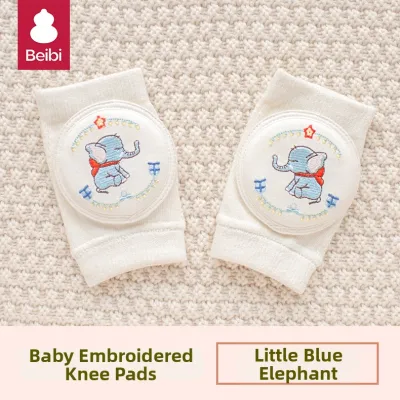
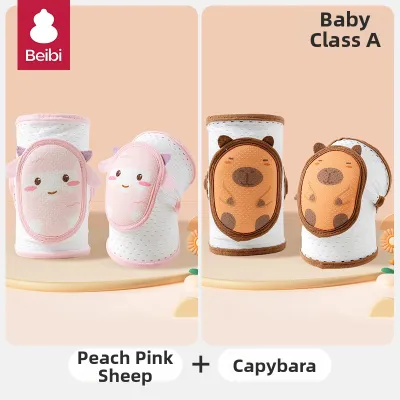
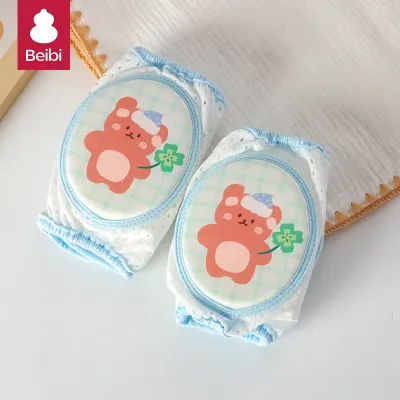

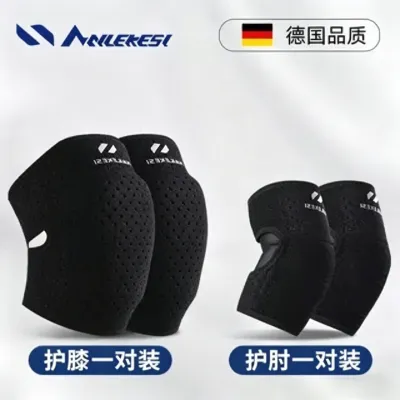
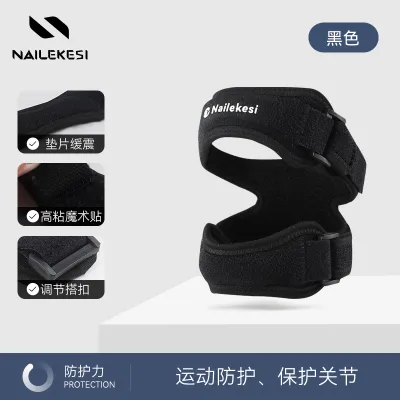
Prices are valid at publication and may change. Please refer to the product page for the latest price.
Key Features to Look for in Toddler Knee Pads
The primary function of a knee pad is to cushion impacts. Look for products that specify the type of padding used. High-density EVA foam or lightweight gel inserts are excellent choices because they absorb shock without adding excessive bulk. The padding should be thick enough to soften falls on hard tiles but flexible enough to bend easily with the child’s knee joint.
In Singapore’s warm and humid climate, heat retention is a major concern. Heavy synthetic fabrics can trap sweat, leading to discomfort and friction rashes. Opt for knee pads made from breathable cotton blends, bamboo-derived fabrics, or those featuring integrated mesh ventilation panels. These materials allow air to circulate, keeping your toddler’s skin dry and comfortable during extended play sessions.
Smooth indoor floors present a slipping hazard for crawling babies and early walkers. Trusted knee pads often feature silicone dots, rubberized patterns, or textured outer layers. These grips provide traction on polished surfaces like vinyl or marble, helping your child gain the stability they need to push forward while crawling or steady themselves while cruising along furniture.
Delicate toddler skin is highly sensitive to friction. Examine the interior construction of the knee pads before purchasing. Look for flat-lock or seamless stitching designs. Rough seams or protruding threads can rub against the skin with every movement, causing painful chafing and making your child resistant to wearing the protective gear.
How to Verify Brand Reliability and Safety Claims
When browsing online marketplaces or local baby stores, you will encounter various safety claims. To verify these, look for recognized textile and safety standards on the product packaging or the manufacturer’s official website. For example, certifications like OEKO-TEX Standard 100 indicate that the fabric has been tested for harmful substances and is safe for direct contact with infant skin. Avoid brands that make vague safety claims without referencing verifiable testing standards.

Verified customer reviews on established e-commerce platforms offer valuable insights into how knee pads perform in real-world conditions. Focus on feedback regarding long-term durability, elastic retention after multiple washes, and whether the pads stay in place during active play. Be cautious of reviews that seem overly generic or uniform; instead, look for detailed accounts from parents who describe their child’s specific age, activity level, and flooring type.
Reliable brands are transparent about their materials, manufacturing processes, and contact information. Check the product label or official website for a clear breakdown of fabric composition, such as the exact percentages of cotton, polyester, and spandex. A trustworthy manufacturer will also provide accessible care instructions and responsive customer service channels to address any questions or concerns you may have.
It can be tempting to purchase cheap, unbranded multi-packs from online marketplaces, which often cost under S$5. However, these products frequently lack clear material disclosures, safety testing, or quality control. They may use cheap elastic that loses its shape after a single wash, or synthetic dyes that irritate sensitive skin. Investing in a reputable, well-documented brand ensures better safety, comfort, and longevity.
Sizing and Fit: Ensuring Comfort and Protection
Many parents make the mistake of choosing knee pads based solely on general age recommendations, such as “6 to 18 months.” However, toddlers grow at vastly different rates. To ensure a proper fit, use a flexible measuring tape to measure your child’s thigh and calf circumference just above and below the knee joint. Compare these measurements against the manufacturer’s specific sizing chart before making a purchase.
The elastic bands of the knee pads must strike a delicate balance. They need to be snug enough to prevent the pads from sliding down during active crawling, but not so tight that they restrict blood circulation or leave deep red marks on your toddler’s skin. When trying them on, you should be able to easily slip a finger under the elastic band. If the band leaves a lasting indentation after a few minutes of wear, the size is too small.
Toddler knee pads generally come in two styles: pull-on sleeves or adjustable wrap-around straps. Sleeve designs are highly stretchable and offer a streamlined fit, making them ideal for younger babies who are primarily crawling. Adjustable strap designs, often featuring hook-and-loop fasteners, offer greater flexibility as your child grows and can be easily adjusted to fit over leggings or trousers during outdoor play.
Once you have selected a pair, observe your toddler’s movement during a brief trial wear at home. Watch how they crawl, pull themselves up, or take steps. The knee pads should remain centered over the kneecap without bunching up behind the knee joint or sliding down to the ankles. If the pads constantly shift or restrict your child’s natural range of motion, adjust the fit or try a different style.
When to Use Knee Pads and When to Stop
Knee pads are most beneficial during specific transitional milestones. This includes the early crawling stage when babies are learning to push off hard floors, the “cruising” phase where they pull themselves up on furniture, and the early walking stage when frequent falls are common. During these periods, protective gear can prevent painful bruises and scrapes, boosting your child’s confidence as they explore their environment.
As your toddler’s motor skills develop, their balance and coordination will naturally improve. Once your child is walking confidently, maintaining their balance, and falling less frequently, the need for knee pads decreases. Gradually reducing their usage allows your child’s skin to breathe and encourages them to adapt to different textures and surfaces without relying on artificial cushioning.
Pay close attention to how your child reacts to the knee pads over time. If they begin pulling at the pads, showing signs of skin irritation, or if the pads start to bunch up and cause trips, it is time to discontinue use. Additionally, as toddlers grow, their leg shape changes, and pads that once fitted perfectly may become too tight, posing a risk to circulation.
While minor bumps and scrapes are a normal part of a toddler’s physical development, frequent or unusually severe falls may warrant professional attention. If you have concerns about your child’s motor milestones, joint alignment, or balance, consult a pediatrician. They can provide personalized guidance on your child’s physical development and advise on whether specialized support or footwear is necessary.
Frequently Asked Questions (FAQ)
Are knee pads safe for babies learning to crawl?
Yes, knee pads are generally safe for babies learning to crawl, provided they are used as protective accessories under active parental supervision. They should never be viewed as a substitute for a properly baby-proofed environment. Before each use, inspect the knee pads for potential choking hazards, such as loose silicone grips, fraying threads, or detachable decorative elements. Introduce the pads during short play sessions first to monitor your baby’s skin for any signs of allergic reactions, chafing, or overheating.
How often should I wash toddler knee pads?
Toddler knee pads should be washed regularly to maintain hygiene, especially after outdoor use where they can accumulate dirt, dust, and outdoor allergens. Always refer to the manufacturer’s care label for specific washing instructions. Many fabric knee pads can be machine-washed on a gentle cycle in a laundry bag, while those with gel inserts or delicate silicone grips may require hand-washing. Ensure the knee pads are completely air-dried in a well-ventilated area before the next use; damp pads can harbor mold, bacteria, and cause skin irritation.
Community discussion
Share your experience or ask a question. Comments are reviewed before publication.