
When toddlers begin to crawl, pull themselves up, and take their first tentative steps, the home environment presents new physical challenges. Sharp furniture corners, low coffee tables, and hard cabinet edges pose immediate risks to active young children. To mitigate these hazards, parents in Singapore frequently turn to baby-proofing products, with edge guards and corner protectors being among the most essential purchases. However, selecting a reliable brand requires careful consideration of several factors beyond simple aesthetics. In Singapore’s warm and humid climate, adhesive performance can degrade rapidly, and low-quality materials may crumble or release unwanted chemical odors. To secure your home effectively, you must evaluate brands based on material safety certifications, physical impact absorption, and adhesive durability, while ensuring that the products you choose match your specific furniture types and your child’s developmental stage.
Key Criteria for Evaluating Trusted Edge Guard Brands
To identify edge guard brands that genuinely protect your child, you must look past marketing claims and focus on measurable quality standards. The first and most critical criterion is material safety. Because infants and toddlers explore their environment using their mouths, they are highly likely to touch, lean on, or even attempt to bite installed edge guards. Trusted brands prioritize non-toxic formulations and clearly state that their products are free from harmful substances such as Bisphenol A (BPA), phthalates, heavy metals, and toxic flame retardants. When evaluating brands on online marketplaces or in local baby specialty stores, look for physical packaging that references compliance with recognized international safety standards. These include the European Toy Safety Standard (EN 71) or the Registration, Evaluation, Authorisation and Restriction of Chemicals (REACH) regulation. These certifications indicate that the materials have undergone rigorous laboratory testing to ensure they do not leach harmful chemicals upon oral exposure.
The second criterion is impact absorption, which directly determines how well a protector cushions a child’s fall. The effectiveness of an edge guard depends heavily on its physical density and thickness. High-density foam, typically made from Nitrile Butadiene Rubber (NBR), offers excellent shock dispersion by compressing under pressure and absorbing the force of an impact before it reaches the sharp furniture edge underneath. If the foam is too soft or low-density, it will easily bottom out during a collision, failing to prevent injury. Similarly, silicone protectors must feature sufficient thickness and internal cushioning structures, such as air pockets, to disperse impact forces effectively. When comparing brands, look for technical specifications regarding foam density or silicone thickness rather than relying solely on visual appearance.
Products mentioned in this guide
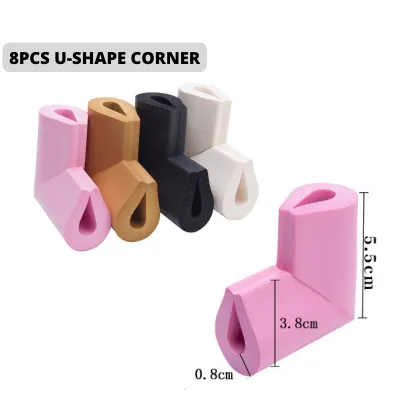

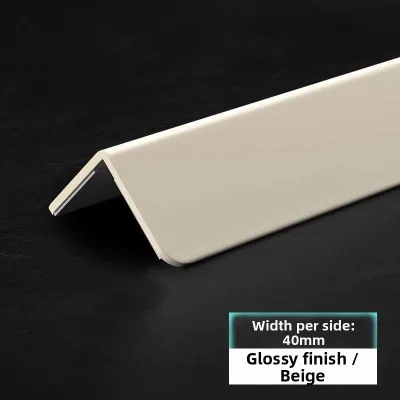
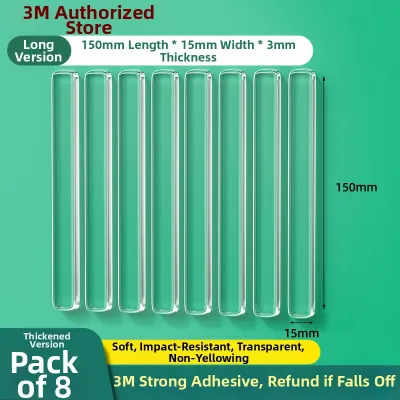
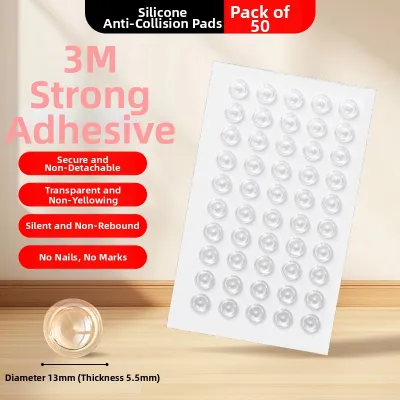
Prices are valid at publication and may change. Please refer to the product page for the latest price.
The third essential criterion is adhesive quality, which is particularly challenging to maintain in Singapore’s humid environment. Many generic edge guards fail because their adhesive backings lose grip over time, causing the guards to peel away, sag, or fall off entirely. This not only renders the safety barrier useless but also creates a severe choking hazard if a child manages to pull a loose piece of foam or silicone into their mouth. Trusted brands often partner with established adhesive manufacturers or supply high-quality, double-sided acrylic tapes that are engineered to withstand high humidity and temperature fluctuations. A reliable adhesive must form a strong, immediate bond with various furniture surfaces—including finished wood, metal, glass, and plastic—while remaining stable under daily wear and tear. At the same time, the adhesive should be formulated to allow clean removal when the baby-proofing phase is over, minimizing the risk of stripping paint, varnish, or delicate wood veneers.
Common Types of Edge Guards and Their Best Use Cases
Selecting the right type of edge guard involves matching the protector’s material and format to the specific furniture in your home and your child’s current developmental milestones. Edge guards generally fall into two main categories: pre-molded corner protectors and customizable edge rolls. Pre-molded corner protectors are designed specifically to cover sharp, 90-degree corners on items like dining tables, desks, and low cabinets. These protectors are highly effective because they are molded as a single piece, reducing the risk of peeling at the seams. On the other hand, customizable edge rolls are sold in long strips that you can cut to the exact length needed. These rolls are ideal for protecting long, straight borders, such as the edges of TV consoles, low bookshelves, bed frames, and windowsill ledges.

The choice of material—primarily high-density foam versus silicone—also plays a significant role in suitability. High-density foam guards are exceptionally soft and thick, making them the preferred choice for heavy-impact zones where toddlers are highly active, such as low-lying coffee tables in the center of the living room. Foam is highly versatile and can be easily cut and shaped to fit irregular furniture profiles. However, foam is susceptible to damage from biting and scratching, which can lead to tearing over time. In contrast, silicone protectors are highly durable, non-porous, and naturally resistant to tearing, making them an excellent choice for teething babies who are prone to chewing on furniture edges. Silicone is also easier to clean and sanitize, which is a significant advantage for maintaining hygiene in high-touch areas.
Another consideration is how the edge guards integrate with your home’s interior design. Many parents in Singapore prefer to maintain a clean, modern aesthetic in their HDB flats or condominiums. Transparent silicone corner guards are highly popular for this reason, as they provide robust protection while remaining virtually invisible on glass tables or light-colored wooden furniture. For darker wood or painted furniture, many trusted foam brands offer color-matched options in shades of brown, black, grey, and cream. This allows you to blend the safety features seamlessly into your existing decor, reducing the visual clutter that often accompanies baby-proofing.
How to Verify Brand Claims and Parent Reviews
With numerous baby-proofing products available on various ecommerce platforms, distinguishing truly reliable brands from low-quality imitations requires a critical eye. One of the most common pitfalls is relying on vague, unsubstantiated marketing claims. Product descriptions that use generic phrases like “100% safe,” “eco-friendly,” or “premium quality” without providing any supporting details or certifications should be treated with caution. Trusted brands are transparent about their manufacturing processes and will readily list specific safety standards, material compositions, and testing certifications on their product listings or official websites. If a brand cannot provide verifiable proof of chemical safety or impact testing, it is safer to look for an alternative.
To gain a realistic understanding of how an edge guard performs in daily use, you should actively filter and analyze parent reviews on online marketplaces. Rather than focusing solely on overall star ratings, look for detailed feedback from buyers who have used the product for several months. Pay close attention to reviews that discuss adhesive longevity, especially in Singapore’s humid climate. If multiple parents report that the guards began peeling off within a few weeks of installation, it indicates poor adhesive quality. Similarly, look for comments regarding material durability; reviews that mention foam tearing easily or silicone turning yellow and brittle over time are clear indicators of low-grade materials.
It is also vital to check for consistent complaints regarding safety hazards. If reviews frequently mention that babies were able to pull the guards off easily, bite off chunks of foam, or that the product arrived with a strong, persistent chemical odor, these are major red flags. A strong chemical smell often points to the presence of volatile organic compounds (VOCs) or low-quality plasticizers, which are unsuitable for environments where young children play and sleep. By cross-referencing brand claims with authentic, detailed parent feedback, you can avoid sub-standard products and select a brand that offers genuine protection and durability.
Installation and Removal Best Practices to Protect Furniture
Proper installation is just as important as choosing a high-quality brand; even the best edge guard will fail if it is not applied correctly. Before installing any protector, you must prepare the furniture surface thoroughly. Dust, grease, household oils, and wax polishes will prevent the adhesive from forming a secure bond. Clean the target area using a mild soap solution or a rubbing alcohol mixture, ensuring that the solvent is safe for your specific furniture finish. Once cleaned, wipe the surface completely dry with a clean microfiber cloth and allow it to air dry for a few minutes. Any remaining moisture will compromise the adhesive’s integrity and lead to premature peeling.
When applying the edge guard, measure and cut the material precisely to avoid gaps where dust can accumulate or where small fingers can pry the guard loose. Apply the double-sided adhesive tape to the guard first, then position it carefully on the furniture edge. Press down firmly along the entire length of the protector, applying even pressure for at least 30 seconds to activate the pressure-sensitive adhesive. For optimal bonding, it is crucial to let the adhesive cure undisturbed. Most manufacturers recommend waiting at least 24 hours before allowing your child to touch or pull on the guards. This curing period ensures that the bond reaches its maximum strength, significantly reducing the likelihood of accidental detachment.
When your child outgrows the need for baby-proofing, removing the edge guards safely requires a gentle approach to prevent damaging your furniture. Avoid pulling the guards off forcefully, as this can tear wood veneers, lift paint, or leave a stubborn, sticky residue behind. Instead, use a hair dryer on a low or medium heat setting to gently warm the adhesive along the edge of the guard. The heat will soften the glue, allowing you to slowly and carefully peel the protector away from the surface. If any adhesive residue remains, apply a small amount of vegetable oil, mild dish soap, or a dedicated adhesive remover to a soft cloth and gently rub the area until clean. If you are dealing with antique furniture, delicate hand-painted finishes, or unsealed wood, it is highly recommended to consult the furniture manufacturer or a professional baby-proofing service before applying or removing adhesives to avoid permanent damage.
Frequently Asked Questions (FAQ)
Are silicone edge guards safer than foam ones for teething babies?
Silicone edge guards are generally considered a safer and more durable option than foam guards for babies who are actively teething. Silicone is a non-porous, highly resilient material that naturally resists tearing and biting, making it extremely difficult for a child to bite off and swallow small pieces. Foam guards, while soft and highly cushioned, can be easily damaged by sharp primary teeth, creating small foam fragments that pose a serious choking hazard. If you choose to use foam guards in areas accessible to a teething baby, you must inspect them daily for any signs of wear, bite marks, or tearing. Always check the manufacturer’s age recommendations and safety warnings on the product packaging to ensure the material is rated for oral contact. If you notice any damage to the foam, stop using it immediately and replace it with a more durable silicone alternative to maintain a safe environment.
How often should I check and replace edge guards?
You should establish a routine to inspect all installed edge guards at least once a week. During these visual and physical checks, look closely for any signs of peeling at the corners, tearing along the edges, or bite marks from your child. Gently tug on the guards to verify that the adhesive backing remains firmly bonded to the furniture surface. In Singapore’s humid climate, adhesives can degrade faster than expected, and active toddlers may continuously test the strength of the guards. You must replace the edge guards immediately if you observe any loose edges, crumbling foam, or exposed adhesive, as these conditions significantly increase the risk of choking or ingestion. Regular maintenance and prompt replacement of worn-out protectors are essential to ensure that your baby-proofing measures remain fully effective as your child grows and becomes more active.
Community discussion
Share your experience or ask a question. Comments are reviewed before publication.