
Setting up a nursery requires balancing comfort, convenience, and safety, and few items are as frequently used as the diaper changing station. A high-quality waterproof changing pad serves as the foundation of this setup, acting as a protective barrier between your baby and the changing furniture. In Singapore’s warm, humid climate, choosing the right pad involves more than just finding an attractive design; it requires careful evaluation of material breathability, precise dimensions, and robust safety features.
Selecting the wrong pad can lead to immediate practical issues, such as a poor fit that slides around the changing table, or materials that trap heat and moisture, leading to skin irritation. To make an informed purchase, you must understand how to measure your existing furniture, evaluate the safety mechanisms of different pad designs, and choose materials that can withstand daily sanitization. This guide details the essential criteria for selecting a waterproof changing pad that integrates seamlessly into your nursery while keeping your infant secure and comfortable.
Quick Selection Guide: Core Features for a Safe and Comfortable Changing Pad
Busy parents need a straightforward framework to evaluate changing pads before diving into specific product specifications. The most critical decision-making dimensions center on physical safety, hygiene, and daily usability. A safe changing pad must fit your changing table with absolute precision, leaving no dangerous gaps, and must feature a reliable waterproof barrier that prevents liquids from soaking into the inner foam.
Products mentioned in this guide
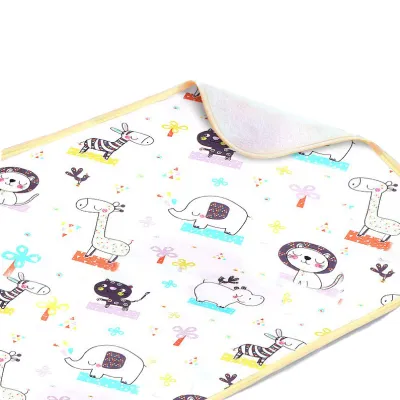
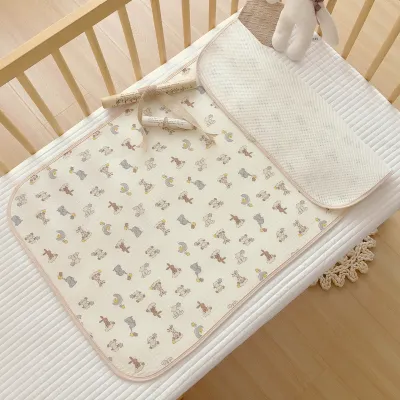
Prices are valid at publication and may change. Please refer to the product page for the latest price.
When comparing options, you will primarily choose between two functional designs: wipe-clean polyurethane surfaces and traditional foam pads that require removable fabric covers. Wipe-clean models offer unmatched convenience, allowing you to sanitize the surface instantly after a blowout, though they can sometimes feel cool or sticky against a baby’s skin. Traditional pads with removable covers provide a softer, more cushioned surface but require regular laundering, meaning you will need to purchase multiple covers to manage daily accidents.
Regardless of the style you prefer, safety and physical fit must always take precedence over aesthetic designs or matching nursery themes. A beautifully patterned pad is of little use if it slides across the table surface or lacks the necessary safety straps to anchor it securely. Prioritize structural integrity, certified non-toxic materials, and a secure restraint system to establish a reliable foundation for daily diapering routines.
Sizing and Fit: How to Match Your Changing Table Dimensions Perfectly
An improperly fitted changing pad is a serious safety hazard in the nursery. If a pad is too large for the changing table or dresser top, it can overhang the edges, creating an unstable, tipping hazard when weight is applied. Conversely, if the pad is too small, the resulting gaps can allow the pad to slide during a diaper change, or worse, cause an active baby to roll into the space between the pad and the wooden frame.

To ensure a perfect fit, use a metal measuring tape to measure the internal dimensions of your changing table’s top surface. Measure the exact length and width of the flat recessed area, as well as the depth of the safety rails if your table has raised wooden edges. If your changing table features contoured or curved wooden borders, measure from the innermost flat points to avoid purchasing a pad that sits unevenly on the frame.
While standard changing pad dimensions in Singapore baby stores typically hover around 70 centimeters in length and 45 to 50 centimeters in width, variations are common among international brands. Some American or European imports design pads to fit longer dresser tops, measuring up to 80 centimeters or more. Always cross-reference the manufacturer’s specified dimensions for both your changing table and the changing pad before making a purchase, leaving a tolerance of no more than 1 to 2 centimeters on any side.
If you are utilizing custom-built carpentry or a unique vintage dresser as a changing station, standard retail pads may not align with your setup. In such cases, look for manufacturers that offer customizable dimensions, or opt for flexible, non-contoured flat pads that can be safely positioned within your custom frame. Never attempt to force an oversized, rigid foam pad into a smaller wooden tray, as the compression can warp the pad, causing the center to bow upward and compromise its stability.
Material and Waterproofing: Balancing Leak Protection with Baby's Comfort
The core function of a changing pad is to contain moisture, making the selection of the waterproof barrier highly consequential. Common waterproof materials include Thermoplastic Polyurethane (TPU), Polyethylene Vinyl Acetate (PEVA), and traditional vinyl or PVC. TPU is highly regarded for its flexibility, durability, and soft texture, and it remains supple even after repeated cleanings. PEVA serves as a common chlorine-free alternative to PVC, offering lightweight waterproofing, whereas standard vinyl is highly durable and cost-effective but can feel stiff and cold to the touch.
Because a bare waterproof barrier can feel uncomfortable against a baby’s skin, many pads incorporate a soft comfort layer. Some premium models feature an integrated, textured top layer made from organic cotton or bamboo-derived rayon blends quilted over the waterproof base. This design prevents the baby’s skin from sticking to the pad during humid afternoons, which is a common source of fussiness during diaper changes in Singapore’s tropical climate.
When evaluating materials, consider how the local climate affects product longevity and hygiene. High relative humidity can trap moisture in fabric layers, encouraging the growth of mold, mildew, and bacteria if the pad is not thoroughly dried. Look for changing pads that explicitly feature breathable, moisture-wicking materials, and check the manufacturer’s care labels to verify if the fabric layers have been treated to resist microbial growth.
Your daily cleaning preferences will dictate whether you should choose a fully sealed, wipe-clean pad or a model with a removable cover. Fully sealed polyurethane or silicone pads can be wiped dry in seconds, making them highly efficient for households with multiple young children. On the other hand, pads with removable, machine-washable covers offer a warmer, more comforting surface for newborns, though they require a commitment to regular laundry cycles and a backup supply of clean covers.
Safety First: Fall Prevention and Material Safety Checks
Active infants can wiggle or roll unexpectedly during diaper changes, making fall prevention the absolute priority when selecting a pad. Contoured changing pads feature raised outer edges—typically on two or three sides—to help keep the baby centered on the pad. While these raised borders provide a helpful physical guide, they are merely an aid and should never be viewed as a substitute for active caregiver supervision.
A robust restraint system is essential for securing the baby during quick movements. Look for changing pads equipped with an adjustable safety strap that features a durable, quick-release buckle. This buckle must be secure enough to resist an infant’s movements yet simple enough for an adult to operate easily with one hand while holding the baby’s legs with the other. Ensure the safety strap is anchored directly to the underside or core of the pad, and check if the pad includes additional mounting straps to secure the entire unit to the wooden changing table.
To prevent the pad from sliding across smooth wooden or laminate furniture surfaces, verify the presence of a non-slip backing. Many high-quality pads utilize a textured rubberized bottom or silicone grip dots to create friction against the tabletop. If the pad lacks an integrated non-slip surface, you must use safety straps to screw or anchor the pad directly to the back of the changing table or dresser frame, following the manufacturer’s precise installation instructions.
Chemical safety is another critical dimension, as your baby’s skin will regularly contact the pad’s surface. Do not assume all baby products are inherently non-toxic; instead, actively read product labels and manufacturer specifications to verify claims. Look for certifications indicating the product is free from harmful phthalates, bisphenol A (BPA), lead, and formaldehyde. Finally, remember the golden rule of nursery safety: regardless of the safety straps, contoured edges, or non-slip backings on your pad, never leave a baby unattended on an elevated changing surface, even for a single second.
Which Changing Pad Type Fits Your Nursery Setup?
Different nursery layouts and family lifestyles require distinct changing pad configurations. Selecting the right type depends on whether you have a dedicated changing table, a multi-purpose dresser, or a compact living space that requires portable solutions.
Contoured Changing Pads
Contoured changing pads are the standard choice for dedicated, standalone nursery changing tables. These pads typically feature two raised longitudinal sides, creating a secure, concave valley that naturally coaxes active babies toward the center of the pad. They are ideal for parents who have a designated diapering station at a comfortable standing height and plan to use it as the primary changing area for the first year or more.
When choosing a contoured pad, look for deep, gradual curves rather than shallow slopes, as deeper contours provide better lateral support. Ensure the pad is constructed from high-density foam that will not bottom out under your baby’s weight over months of continuous use. Keep in mind that these pads take up a permanent physical footprint in the nursery and require specifically sized, fitted contoured covers, which can limit your ability to use standard flat sheets.
Flat and Foldable Pads
Flat and foldable changing pads offer maximum versatility for families living in compact HDB flats or those who prefer a minimalist nursery setup. These lightweight pads can be easily rolled or folded up, allowing you to store them in a drawer or diaper bag when not in use. They are perfect for parents who prefer to change their baby on a bed, a sofa, or directly on the floor, as well as for travel outside the home.
Because flat pads lack raised protective edges, they require extra vigilance from the caregiver to prevent the baby from rolling off the changing surface. When using a flat pad on an elevated surface like a bed, always maintain physical contact with your baby. Look for models with a highly reliable silicone or rubberized non-slip base to ensure the pad remains stationary on smooth fabrics, and prioritize quick-drying materials that can be packed away without trapping moisture.
Dresser-Top Changing Pads
Dresser-top changing pads are designed to convert a standard chest of drawers into a fully functional changing station, saving valuable floor space in smaller rooms. This setup is highly practical, as it allows you to utilize existing furniture and transition the dresser back to standard bedroom use once your child outgrows diapers. These pads often feature a flat bottom with safety straps designed to screw directly into the back of the dresser frame.
When setting up a dresser-top pad, you must verify the stability and weight limits of the underlying furniture. Ensure the dresser is securely anchored to the wall to prevent tipping hazards when weight is concentrated on the front edge. Choose a pad with a low profile to keep the changing surface at a safe, ergonomic height, and ensure the safety straps are securely fastened to the furniture to prevent the pad from sliding forward during use.
Cleaning and Care: Preserving the Waterproof Layer
Proper maintenance is essential to extend the lifespan of your changing pad and preserve its waterproof integrity. For daily cleaning, establish a routine of wiping down the surface immediately after each diaper change using a damp cloth with mild, baby-safe soap or gentle, alcohol-free baby wipes. This prevents urine and oils from sitting on the waterproof membrane, which can degrade the material over time.
Avoid using harsh chemical disinfectants, bleach, or abrasive scrubbing brushes on the waterproof surface. These harsh agents can cause micro-tears, cracking, and peeling in TPU, PEVA, or vinyl coatings, allowing moisture to penetrate the inner foam core where mold and bacteria can easily multiply. If a deep sanitization is required, use a highly diluted, baby-safe sanitizing spray, and ensure the pad is completely dry before placing a cover or a baby back onto it.
Regularly inspect your changing pad for signs of wear and tear, especially along the seams and folds where moisture tends to collect. If you observe visible peeling of the waterproof laminate, cracking in the vinyl, deep stains that cannot be sanitized, or a persistent musty odor, it is time to replace the pad. Using a compromised pad risks exposing your baby’s skin to hidden mold spores and bacteria trapped within the damp foam core.
Frequently Asked Questions (FAQ)
Do I need a separate cover for a waterproof changing pad?
While a waterproof changing pad can technically be used on its own, utilizing a separate, soft cover is highly recommended for your baby’s comfort. Bare waterproof materials can feel cold, sticky, or clammy, which can cause discomfort and make diaper changes more challenging. A soft, breathable cover made from cotton or bamboo fleece absorbs minor leaks and provides a cozy surface for your baby. To maintain safety, ensure any cover you use is specifically designed to fit your pad’s dimensions tightly, preventing loose fabric from bunching up around the baby’s face.
Can I use a regular mattress protector as a changing pad?
Using a regular mattress protector as a changing pad on an elevated surface is not recommended due to significant safety differences. Standard mattress protectors are designed flat and lack the contoured safety edges, rigid foam support, non-slip backing, and secure safety straps essential for elevated changing tables. While a mattress protector can be used for flat diaper changes on the floor, an elevated changing station requires a dedicated changing pad designed specifically to prevent falls and sliding.
How do I secure a changing pad to a dresser without drilling?
If you are renting your home or wish to preserve the finish of a premium wooden dresser, you can secure the changing pad without drilling holes. Place a heavy-duty, non-slip rubberized rug pad or silicone drawer liner between the top of the dresser and the bottom of the changing pad to create friction and prevent sliding. Alternatively, you can use specialized adhesive-backed furniture safety straps that adhere to the back of the dresser, though you must verify the adhesive’s compatibility with your furniture’s finish to prevent damage. Remember that non-drill methods do not replace the need for constant, hands-on caregiver supervision during diaper changes.
Community discussion
Share your experience or ask a question. Comments are reviewed before publication.