
Choosing between a waterproof school bag and a waterproof outing bag for your child depends primarily on their daily activities, the weight of the items they carry, and how long they spend outdoors. While both styles protect belongings from sudden tropical downpours, they serve very different physical and organizational needs. A school bag prioritizes structured ergonomic support to distribute the weight of heavy textbooks and files, whereas an outing bag focuses on lightweight flexibility, quick access, and compact storage for active play. Understanding these differences helps you select a bag that supports your child’s physical development while keeping their gear dry.
Assessing Your Child's Daily Routine and Carry Needs
To make the right choice, start by mapping out your child’s weekly schedule. A typical school week involves a structured commute, often requiring your child to carry heavy books, files, and stationery over set distances. If your child walks to school, waits at bus stops, or travels on public transport during the monsoon season, a highly durable, weather-resistant bag with structured support is essential.
Conversely, weekend routines usually center on outdoor parks, swimming lessons, or family day trips. In these scenarios, the physical load is lighter, but the exposure to water, sand, or dirt is much higher. A bag for these activities needs to prioritize quick cleaning and flexible storage over rigid structural support.
Products mentioned in this guide
![[SG SELLER] VOZUKO Dry Bag Sports Waterproof Floating Shoulder Bag Backpack Lightweight Kayaking Swimming Camping Surf](https://img.lazcdn.com/g/p/59f4149ddf8cd839e0c3942ec0ce6810.jpg_400x400q80.jpg_.webp)
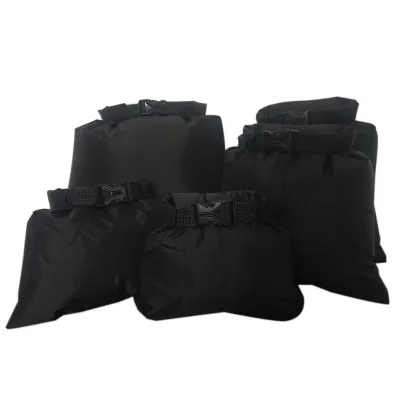
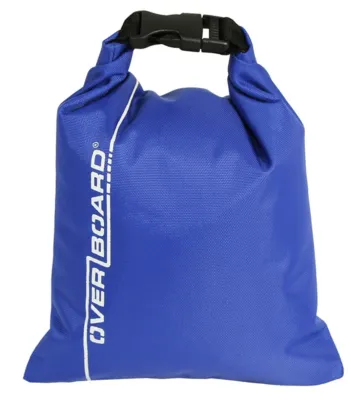
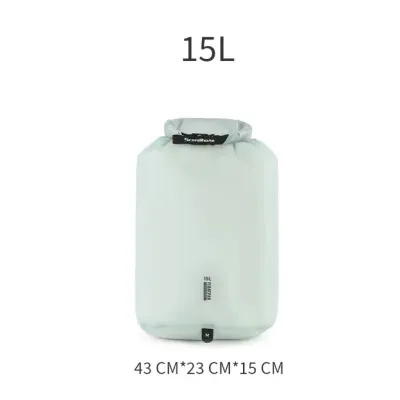
Prices are valid at publication and may change. Please refer to the product page for the latest price.
Next, evaluate the specific items your child needs to carry. School days demand flat, rigid compartments to prevent textbooks from bending, alongside dedicated spaces for water bottles and lunchboxes. Outings, on the other hand, require flexible space for spare clothes, towels, snacks, and toys. A bag packed with heavy, sharp-edged books needs a different structural design than one holding soft, bulky clothing.
Finally, consider your child’s age and physical development. Younger children in preschool or early primary years have developing spines that cannot safely support heavy or ill-fitting bags. The bag must match their shoulder width and torso length. A bulky school bag used for a casual beach trip can cause unnecessary fatigue, while a flimsy drawstring outing bag used to carry heavy schoolbooks can strain a child’s shoulders and back.
What Makes a Good Water Proof Bag for School
An effective waterproof school bag must balance weather protection with robust ergonomic support. Because schoolbooks and files add significant weight, look for wide, padded shoulder straps that distribute pressure evenly across the collarbones. An adjustable chest strap is highly beneficial, as it keeps the shoulder straps from slipping and stabilizes the load against the child’s back.

To prevent discomfort during warm, humid commutes, check for a padded back panel with ventilation channels that promote airflow. This feature helps keep your child cool and dry, even when carrying a fully loaded bag home from school.
Organization is another critical factor for academic success. A high-quality school bag should feature a structured interior with a dedicated, padded sleeve close to the back panel for heavier items or personal tablets. This positioning keeps the center of gravity close to the body, reducing spinal strain.
Look for separate external pockets to house water bottles or wet umbrellas, ensuring that any leaks do not ruin interior homework or electronics. The base of the bag should also be reinforced with abrasion-resistant material, as children frequently place their bags on rough concrete school yards or bus floors.
Additionally, verify that the bag has reflective strips or high-visibility elements on both the front and back. These elements are crucial for keeping your child visible to motorists during early morning commutes or rainy afternoon walks.
What Makes a Good Water Proof Bag for Outings and Travel
When selecting a waterproof bag for weekend trips and outdoor adventures, prioritize lightweight construction and easy accessibility. Unlike school bags, which remain upright and structured, an outing bag needs to be flexible enough to stuff into tight storage spaces, such as under car seats or inside strollers.
Look for bags made from supple, lightweight materials that do not add unnecessary weight before you even begin packing. This ensures your child can run, climb, and play comfortably without being weighed down by their gear.
Accessibility is key when managing an active child outdoors. Look for wide-opening main compartments, such as roll-top designs or U-shaped zippers, which allow you to locate spare clothes or wet wipes instantly without digging through layers of gear.
External attachment points, such as carabiner loops or elastic mesh pockets, are excellent for securing damp towels, hats, or muddy shoes outside the main dry compartment. This keeps the interior clean and dry for items that must remain protected.
The interior of an outing bag should be exceptionally easy to clean. Look for smooth, non-porous linings that can be wiped dry in seconds if a juice box leaks or wet swimwear is stored inside. The overall style should be versatile and casual, allowing the bag to transition seamlessly from a family hike to a casual dining venue.
Can One Bag Serve Both Purposes?
Many parents wonder if a single hybrid bag can handle both school commutes and weekend outings. A versatile, medium-sized backpack with moderate water resistance can occasionally bridge the gap, especially for younger children who do not yet carry heavy academic loads.
If you choose a single bag, look for a design with removable chest straps and compressible side straps. These features allow you to reduce the bag’s volume for lighter weekend trips while retaining the necessary support for school days.
However, there are clear structural boundaries where a single bag fails to perform. A rigid, highly structured school bag is often too bulky and cumbersome for active outdoor play, beach trips, or crowded theme parks. It can restrict your child’s movement and quickly become scuffed or stained by mud and sand.
Conversely, a lightweight, unstructured outing bag lacks the internal dividers and ergonomic back support required to carry heavy textbooks safely. Using an unsupportive bag for daily school commutes can lead to poor posture and shoulder pain over a school term.
Deciding whether to invest in one hybrid bag or two specialized options depends on your budget, storage space, and your child’s actual schedule. If your child participates in intensive outdoor sports or frequent weekend travel, having a dedicated, easily washable outing bag alongside a structured school bag is usually the most practical choice. This separation also ensures that school materials remain organized and clean, free from the sand, crumbs, and dampness of weekend adventures.
How to Verify Waterproof Labels and Material Specs
To ensure a bag provides the necessary protection, you must look closely at manufacturer labels and material specifications. Brands often use terms like water-resistant, water-repellent, and waterproof interchangeably, but they mean very different things.
Water-resistant bags can withstand light drizzle for a short period, while water-repellent bags feature a surface coating that causes water to bead up and roll off. Fully waterproof bags are designed to keep contents dry even during prolonged exposure or brief submersion.
Beyond the fabric itself, inspect the physical construction of the bag. Water often enters through needle holes in the seams rather than the fabric. Look for bags that specify taped or heat-sealed seams, which physically block water from seeping through the stitching.
Waterproof zippers with rubberized seals or protective fabric flaps are also essential, as standard zippers allow water to pass through easily. For enhanced protection in heavy downpours, consider roll-top closures, which eliminate zipper vulnerabilities entirely.
Finally, review the manufacturer’s care instructions to understand how daily wear affects the bag’s protective qualities. Many waterproof coatings are temporary and can degrade if exposed to harsh detergents, hot water, or machine washing. Understanding these limits beforehand helps you maintain the bag’s protective barrier.
Frequently Asked Questions (FAQ)
How do I clean and maintain a water proof bag for kids?
Always check the manufacturer’s care label before cleaning your child’s bag, as improper washing can void the warranty and damage the protective coatings. For routine maintenance, gently wipe the exterior and interior surfaces with a soft, damp cloth and a mild, diluted soap. Avoid machine washing, tumble drying, or using harsh chemical detergents, as these can strip away water-repellent treatments and melt sealed seams. Always allow the bag to air dry completely in a shaded, well-ventilated area away from direct sunlight before storing it.
When should I replace my child's water proof bag?
You should replace the bag when you observe physical signs of wear that compromise its safety or performance. Inspect the interior lining regularly; if you notice peeling, cracking, or flaking of the waterproof coating, the bag will no longer keep items dry. Broken zippers, frayed shoulder straps, or torn seams also indicate that the bag can no longer support weight safely. Additionally, re-evaluate the bag’s fit as your child grows; if the straps pinch or the bag rests below their lower back, it is time to upgrade to a larger size that matches their physical development.

Community discussion
Share your experience or ask a question. Comments are reviewed before publication.