
Transitioning your toddler from diapers to independent toilet use is a major developmental milestone, but maintaining this routine while away from home presents unique challenges. A reliable travel potty provides your child with a familiar, hygienic, and size-appropriate seat, reducing the anxiety often triggered by unfamiliar public restrooms. Choosing the right model requires balancing your family’s specific travel habits with your toddler’s physical comfort and developmental stage.
By focusing on portability, structural stability, and ease of cleaning, you can ensure a seamless transition that keeps your potty training journey on track. Whether you are running errands at a local shopping mall or embarking on a family holiday, having the right gear makes all the difference. This guide outlines the essential features to evaluate, the main types of travel potties available, and how to build a shortlist that fits your budget and lifestyle.
Key Features to Evaluate Before Buying
When evaluating travel potties, portability is often the first consideration for parents, as the unit must fit seamlessly into your mobile lifestyle. Consider the physical dimensions and weight of the potty when it is fully folded or packed. A model that fits easily into a standard diaper bag or the under-seat basket of a stroller ensures you always have a sanitary option within arm’s reach. However, extreme portability should not come at the expense of structural integrity; you must verify that the folded unit locks securely into its open position so it does not collapse unexpectedly during use.
Products mentioned in this guide
![[SG Stock] Baby Foldable Travel Potty Seat Kids Fodling Toilet Training Seat 12M+](https://img.lazcdn.com/g/p/54298d0cd77fc65e57e532664f2d523b.jpg_400x400q80.jpg_.webp)



Prices are valid at publication and may change. Please refer to the product page for the latest price.
Stability is paramount for building your toddler’s confidence, as a wobbling seat can cause sudden fear and set back weeks of training progress. Look for models featuring a wide, low-slung base that distributes the child’s weight evenly across the floor. Non-slip rubber grips or textured feet on the bottom of the potty are essential for preventing slides on slick public restroom tiles, outdoor grass, or concrete surfaces. Always check the manufacturer’s documentation for the exact weight capacity of the unit, ensuring it comfortably accommodates your child’s current weight with room for growth.
The design of the seat itself directly influences both your child’s comfort and your cleanup workload. An ergonomic, contoured seat shape helps your toddler sit comfortably without pinching their skin or causing leg numbness during longer sessions. For parents of boys and active toddlers, an integrated, sufficiently high splash guard is a critical feature to prevent messy spills and spray. The splash guard should be high enough to deflect liquid downward into the collection area without obstructing the child’s ability to mount or dismount the seat independently.
In urgent situations, every second counts, making the ease of assembly and takedown a decisive factor. Evaluate how many steps are required to transition the potty from its packed state to fully operational. Designs that feature intuitive, one-handed unfolding mechanisms or simple snap-into-place legs are highly advantageous when managing a distressed toddler. Avoid overly complex latching systems or models with loose, detachable parts that can easily be misplaced in transit, as these add unnecessary stress to an already high-pressure moment.
Types of Travel Potties and Their Best Use Cases
Travel potties generally fall into three primary structural categories: standalone models with removable bowls, liner-based systems that use disposable bags, and hybrid designs that transition into toilet seat reducers. Understanding the distinct advantages and operational trade-offs of each category allows you to select a design tailored to your specific travel environments. Whether you primarily navigate urban spaces with accessible restrooms or travel to remote outdoor locations, matching the potty’s structure to your itinerary is key to a successful purchase.

Foldable and Collapsible Potties
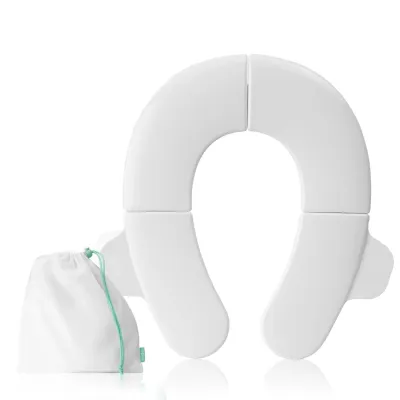
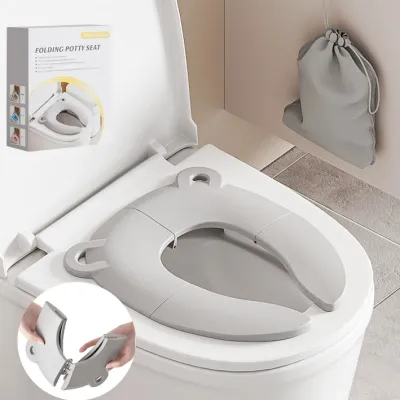
Foldable and collapsible potties are engineered specifically for families who prioritize luggage space and rapid deployment. These models typically feature legs or side panels that fold flat or collapse inward, reducing the unit’s volume significantly for easy storage in backpacks or carry-on luggage. When selecting a folding model, carefully inspect the hinge mechanisms for potential pinch points. High-quality designs shield these moving parts to prevent your child’s skin or clothing from getting caught during setup or use.
These compact units are highly suitable for long flights, train journeys, and road trips where space is at a premium. They allow you to set up a familiar toilet space on the floor of an airplane restroom or in the trunk of your car. However, the folding joints and crevices that make these potties so portable also require diligent maintenance. You will need to regularly inspect and clean these hinges to prevent dust, sand, or organic residue from accumulating and compromising the folding mechanism over time.
Bag-Based and Disposable Liner Potties
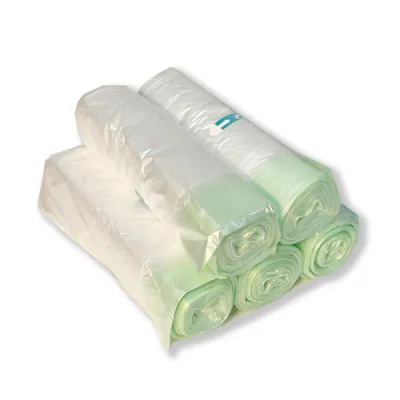
Bag-Based potties rely on disposable, absorbent liners to collect waste, eliminating the need to find a sink or water source immediately after use. This design is incredibly convenient for outdoor excursions, playground visits, or situations where public sanitation is unavailable. When considering this type, evaluate the ongoing operational costs and the availability of replacement liners. Some models require proprietary bags designed specifically for their frame, while others are compatible with universal, biodegradable liners or standard plastic bags.
Leak prevention and odor control are critical when using liner-based systems in public spaces. Look for liners that feature thick, puncture-resistant materials and built-in superabsorbent pads that quickly solidify liquid waste. Once used, the bag must be tied securely and disposed of in designated public waste bins in accordance with local sanitation guidelines. Keep in mind that a frame-only potty relying on a suspended bag may feel less structurally stable to a hesitant toddler compared to a solid plastic bowl, so early practice at home is highly recommended.
Multi-Function Potties and Seat Reducers
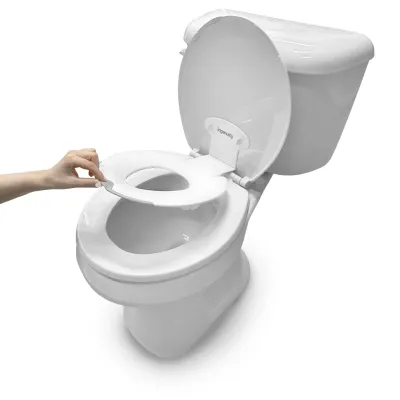
Multi-function potties offer excellent versatility by serving as both a standalone potty and a folding seat reducer that fits over standard adult toilet seats. This dual-purpose design is ideal for transitioning toddlers who are ready to use public restrooms but still find adult-sized toilet seats intimidatingly large. Before purchasing, check the manufacturer’s compatibility guidelines, as some seat reducers are optimized for round toilet bowls while others accommodate oval or elongated shapes.
Using a seat reducer in public restrooms requires careful hygiene management. The underside of the reducer will make direct contact with public toilet seats, meaning you must establish a safe handling and cleaning routine. Look for models that include a dedicated, washable storage bag to keep the soiled reducer separate from the rest of your diaper bag contents. Additionally, be aware that automated flushing sensors in public restrooms can startle a toddler sitting on a reducer; covering the sensor with a sticky note before your child sits down can prevent unexpected flushes.
Hygiene, Cleaning, and Maintenance on the Go
Maintaining strict hygiene standards while traveling requires a well-stocked potty kit and a clear cleaning routine. Your travel kit should always include biodegradable wet wipes, a child-safe sanitizing spray or disinfecting wipes, hand sanitizer, and several opaque, leak-proof disposal bags. Keeping these supplies organized in a dedicated compartment of your travel bag ensures you can respond quickly to any bathroom emergency without searching through multiple pockets.
When your child finishes using a standalone potty, empty the liquid or solid waste directly into a flush toilet whenever possible. If you are outdoors or lack access to a toilet, dispose of the waste using an absorbent liner bag, tie it securely, and place it in a designated trash receptacle. After emptying the bowl, wipe the entire surface down with a disinfecting wipe or spray it with a child-safe sanitizer, paying close attention to the seat area and the splash guard. Allow the surface to air-dry or wipe it dry with a clean paper towel before folding the unit back up for storage.
If a thorough cleaning is not possible immediately after use—such as during a hectic transit window—secure the soiled potty inside a sealed, waterproof wet bag to contain any odors or residual moisture. Once you return home or reach your accommodation, perform a deep-cleaning routine. Disassemble any removable parts, wash them thoroughly with warm, soapy water, and apply a mild disinfectant. Ensure all components, especially the hinges and folding joints, are completely dry before storing the potty away to prevent the growth of mold or mildew.
How to Build Your Travel Potty Shortlist
To build a practical shortlist, start by matching the potty type to your family’s primary mode of transportation. If you travel mostly by car, a slightly bulkier standalone model with a solid bowl can easily reside in your trunk, offering maximum stability. For air travel or frequent public transit commutes, an ultra-lightweight folding reducer or a highly compact liner-based potty is much more practical. Write down your primary travel scenarios to eliminate categories that do not align with your lifestyle.
Next, verify the technical specifications provided by the manufacturers. Do not rely solely on age recommendations, as children of the same age can vary significantly in size and weight. Check the exact weight limits, seat dimensions, and material safety certifications, ensuring the plastic is free from harmful chemicals like BPA and phthalates. Cross-reference these specifications with real-world user reviews on online marketplaces or parenting forums, looking specifically for feedback regarding long-term durability, hinge stability, and how easily the unit can be wiped clean.
Finally, establish a realistic budget that accounts for both the upfront purchase price and long-term operational costs. While a basic standalone travel potty might cost between S$20 and S$40, a model requiring proprietary disposable liners can incur significant ongoing expenses over several months of active training. Compare the cost of replacement liners and factor in the price of essential accessories like wet bags or sanitizing sprays. Balancing these initial and recurring costs will help you select a high-value option that supports your toddler’s potty training journey without unnecessary financial strain.
Frequently Asked Questions (FAQ)
At what age or developmental stage should I introduce a travel potty?
There is no single chronological age that dictates when to introduce a travel potty, as readiness depends entirely on your child’s physical and cognitive development. Look for observable signs of readiness, such as your toddler showing interest in the bathroom, communicating their physical needs verbally or through gestures, and maintaining a dry diaper for several hours at a time. Introducing a travel potty is highly beneficial once these signs are present, as it maintains consistency across different environments.
However, travel disruptions, schedule changes, and unfamiliar surroundings can naturally cause temporary setbacks or resistance. If your child exhibits significant distress, anxiety, or regression during travel, it is best to pause training, return to diapers temporarily, and consult a pediatrician or child development specialist for personalized guidance.
Is it safe to use a travel potty inside a moving vehicle?
Using a travel potty inside a moving vehicle is highly unsafe and should never be attempted. In the event of a sudden stop, sharp turn, or collision, an unrestrained child sitting on a potty is at extreme risk of severe injury, and the potty itself can become a dangerous projectile inside the cabin. Your child must remain securely buckled into their certified car seat or booster seat at all times while the vehicle is in motion.
If your toddler urgently needs to use the toilet during a road trip, safely pull over at the nearest designated rest stop, service station, or well-lit parking area. Always adhere to local traffic safety laws and child restraint regulations, prioritizing your family’s physical safety over the convenience of a quick bathroom break.
Community discussion
Share your experience or ask a question. Comments are reviewed before publication.