
Baby-proofing your home is a major milestone in creating a safe environment for your child as they begin to explore their surroundings. Among the most critical hazards in any living space are the sharp edges and corners of low-lying furniture, particularly dining tables, coffee tables, and desks. Choosing the right table corner guard requires matching the guard’s material and adhesive type to your specific table material—whether it is delicate glass, finished wood, or heavy stone—and its physical shape. By aligning these factors, you can ensure reliable impact absorption, secure adhesion, and long-term protection for both your child and your furniture.
What to Look for in a Table Corner Guard
When selecting a table corner guard, you must evaluate several key factors to ensure it provides adequate protection without damaging your furniture or detracting from your home’s interior design. The primary elements to consider are material composition, adhesive quality, thickness, and visual integration.
Material Types and Density Corner guards are commonly manufactured from clear silicone, polyvinyl chloride (PVC), nitrile rubber (NBR), or soft foam. Each material offers distinct physical properties. Clear silicone is highly flexible, durable, and discreet, making it an excellent choice for modern decor. PVC is firmer and holds its shape well, offering solid structural protection. NBR and soft foam provide excellent cushioning and are highly effective at absorbing high-impact forces. When comparing these materials, look closely at their density. High-density materials are crucial because they prevent “bottoming out”—a scenario where a sharp impact fully compresses the guard, transferring the force directly to the child’s head.
Products mentioned in this guide
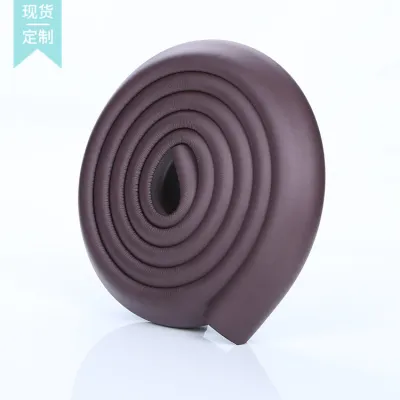
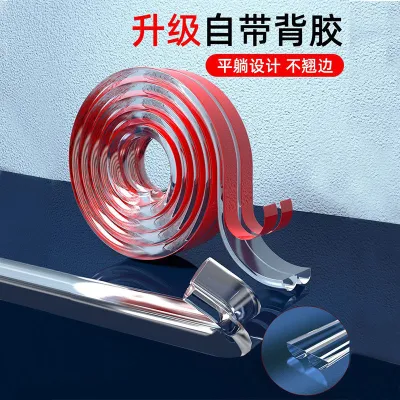
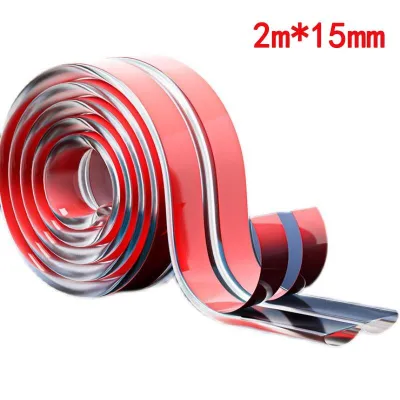
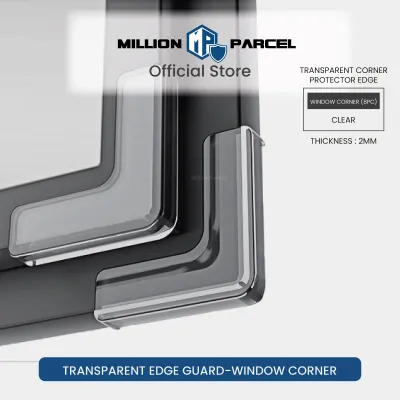
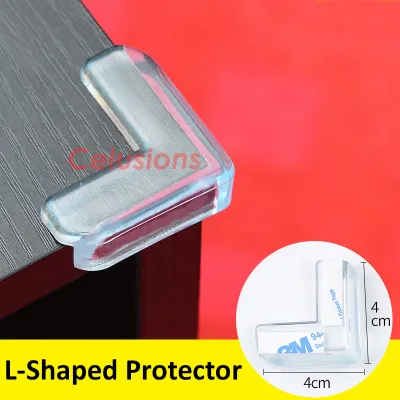
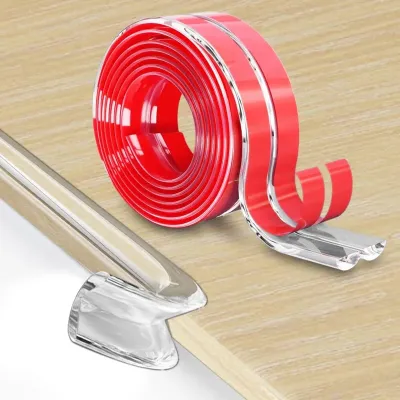
![[SG] Transparent Corner Protector | Corner Guard Baby Safety Corner Protector for Table & Furniture Corner Edge Bumper](https://img.lazcdn.com/g/p/5a3a27d1f5eb0192e08060b473a0dd4d.jpg_400x400q80.jpg_.webp)
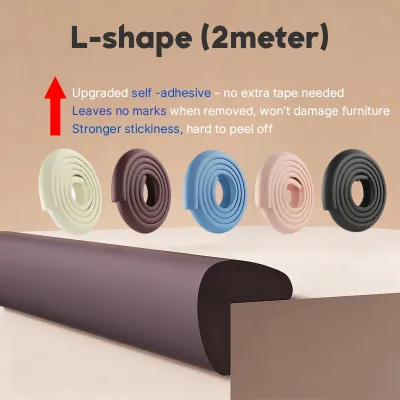
Prices are valid at publication and may change. Please refer to the product page for the latest price.
Adhesive Quality and Residue The performance of a corner guard is only as good as the adhesive holding it in place. Most products utilize either acrylic-based or rubber-based double-sided tapes. Acrylic-based adhesives offer excellent long-term stability, resistance to temperature fluctuations, and clean removal. Rubber-based adhesives often provide a very strong initial bond but can degrade over time, leaving behind a sticky, difficult-to-clean residue. For delicate furniture finishes, prioritize traceless, furniture-safe adhesives that offer a secure hold without risk of permanent damage.
Thickness and Cushioning The ideal thickness of a corner guard depends on your child’s developmental stage and the height of the table. For crawling babies who are just beginning to pull themselves up, wider and softer cushioning on lower edges is essential to protect them from accidental slips. For older, more active toddlers who are running around the living space, you will need highly dense, thicker guards positioned at head height to mitigate the risk of high-velocity collisions.
Visual Discretion and Safety You must also weigh the aesthetic trade-offs between different guard designs. Transparent guards are highly discreet and preserve the natural look of premium furniture materials like marble or glass. However, they do not provide a visual warning to a fast-moving child. Opaque, color-matched guards can blend seamlessly with specific wood tones or painted finishes while offering a clear visual boundary that helps children naturally avoid bumping into the table.
Best Table Corner Guard Types for Your Table Material
Different table materials require specific types of corner guards to ensure reliable adhesion and prevent surface damage. Matching the guard to your table’s material is essential for safety and furniture preservation.

Glass Tables
Glass tables present a unique challenge because any adhesive used is visible from multiple angles. Clear silicone or gel-based guards are highly recommended because they preserve the clean, transparent aesthetic of glass. It is crucial to verify that the guard has UV-resistant properties; low-quality plastics can yellow quickly when exposed to sunlight, ruining the look of your dining or coffee table. Avoid opaque foam or heavily textured PVC, as they disrupt the visual flow of glass. When selecting an adhesive, verify that it is rated for “crystal clear” application and clean removal to prevent unsightly cloudy residues on the glass surface.
Wood Tables
Wood is a delicate, organic material with finishes ranging from varnishes and lacquers to paints and natural oils. Soft silicone or highly flexible PVC options are excellent choices because they conform easily to the natural grain of the wood. However, you must exercise caution with adhesives. Overly aggressive industrial-strength glues can strip away varnish, lacquer, or paint when the guard is eventually removed. To prevent this, always perform a hidden-area test—such as on the underside of the table or a rear leg—to verify that the adhesive does not react chemically with your wood finish. If aesthetic integration is a priority, look for opaque, color-matched guards that mimic common wood tones like oak, walnut, or espresso.
Marble and Stone Tables
Marble, granite, and other natural stones are exceptionally hard, cold, and often porous. Because stone edges present a severe impact hazard, you should prioritize high-density silicone or thick foam guards that offer maximum shock absorption. Adhesives must be chosen with care; verify that the product is explicitly rated safe for sealed stone surfaces. Certain chemical adhesives can penetrate porous stone or degrade the protective sealant, leading to permanent dark staining or discoloration. During surface preparation, avoid using acidic cleaning agents or harsh solvents, which can easily etch or dull the polished finish of marble. Additionally, keep in mind that cold stone surfaces can slow down adhesive curing times, requiring a longer period of undisturbed setting.
How to Match Guards to Your Table's Shape and Edges
The physical shape and edge profile of your table dictate the type of guard configuration you need to install. Proper geometric matching ensures complete coverage and prevents gaps that could cause injury.
Sharp 90-Degree Corners
Standard right-angle corners pose the highest risk of serious injury, particularly to a child’s head, forehead, and eyes. For these sharp edges, pre-molded L-shaped, U-shaped, or spherical ball-shaped corner pieces are the most effective options. To ensure a proper fit, measure the exact corner radius of your table. A guard that is too small will leave dangerous gaps, while one that is too large will have overhangs that are easily pulled off by curious little hands. For high-traffic areas, thicker, multi-layered corner balls provide an extra layer of protection by distributing the force of an impact over a wider surface area.
Rounded, Beveled, or Continuous Edges
Many modern tables feature soft, curved corners, beveled profiles, or continuous rounded edges that cannot accommodate standard 90-degree corner guards. In these cases, flexible, roll-based edge guards are the ideal solution. These rolls, often available in U-shaped or W-shaped profiles, can be cut to custom lengths to wrap around continuous edges. For a clean, seamless finish at the joints, use sharp, heavy-duty scissors to cut the guards at a 45-degree angle (a miter cut). This technique prevents gaps and overlapping edges, ensuring complete and secure coverage across complex table geometries.
How to Install and Remove Guards Without Damaging Furniture
Proper installation and removal techniques are essential to ensure the safety of your child while preserving the integrity of your furniture. Following a systematic approach will yield the best results.
Surface Preparation Before applying any adhesive, you must clean the furniture surface thoroughly. Use a mild soap and water solution to remove dust, dirt, and surface oils. Avoid using oily furniture polishes, waxes, or silicone-based cleaners, as they leave a microscopic residue that prevents the adhesive from bonding securely. The surface must be completely dry before you apply the guard.
Climate Considerations In tropical climates like Singapore, high relative humidity can significantly affect how adhesives cure. Moisture in the air can weaken the initial bond of double-sided tapes. To counteract this, install the guards during the coolest, driest part of the day (or in an air-conditioned room) and allow the adhesive to cure undisturbed for 24 to 48 hours before allowing children near the table.
Application Technique Peel the backing from the adhesive tape, align the guard carefully, and press firmly from the center outward to force out any trapped air bubbles. Apply steady, even pressure for at least 30 seconds to ensure a strong, uniform bond.
Safe Removal Steps When it is time to remove the guards, avoid pulling them off forcefully, which can damage your furniture. Instead, use a hairdryer on a low, warm setting to gently heat and soften the adhesive. Slide a piece of dental floss or thin fishing line behind the guard, using a sawing motion to slice through the softened tape. Any remaining sticky residue can be safely dissolved with a mild, oil-based remover, such as baby oil or eucalyptus oil.
Safety Boundary Always consult the furniture manufacturer’s care instructions and the guard’s manual before application. If the finish begins to lift during testing or removal, stop immediately and consult a professional furniture restorer.
Frequently Asked Questions (FAQ)
Are foam corner guards safe for babies who chew on them?
Foam guards can pose a significant choking hazard if a teething baby manages to bite off and swallow small chunks of the material. When purchasing foam guards, caregivers must verify that the product is non-toxic, BPA-free, and phthalate-free by checking the manufacturer’s product specifications. If your child shows a persistent habit of chewing on the edges of furniture, immediately stop using foam guards and switch to firmer, food-grade silicone guards. Regardless of the guard type, active caregiver supervision remains essential to ensure your child’s safety.
How often should I replace table corner guards?
Table corner guards should be inspected every few months for signs of wear and tear. Look for physical changes such as yellowing, peeling edges, loss of elasticity (where foam becomes brittle or flat), or adhesive degradation (where the guard slips or slides out of place). Replace the guards immediately if they no longer provide adequate shock absorption or if the adhesive fails to hold them securely. Regular maintenance ensures that the guards continue to perform their safety function effectively.

Community discussion
Share your experience or ask a question. Comments are reviewed before publication.