
Selecting the right tableware is a foundational step in your baby’s weaning journey, directly influencing their safety, self-feeding confidence, and sensory development. A stainless steel suction plate has become a favored option among modern parents, offering a hygienic, exceptionally durable, and chemical-free alternative to traditional plastic dishes. However, because a baby’s physical coordination, motor skills, and nutritional needs evolve rapidly between six months and toddlerhood, no single plate design fits every stage. Choosing the ideal plate requires matching its physical dimensions, compartment layout, and suction strength to your child’s current developmental milestones.
To help busy parents make an informed and immediate decision, here is a quick reference guide mapping key plate features to your baby’s weaning progress:
- Early Weaning (6 to 8 Months): Focus on compact, deep-walled plates or single-compartment suction bowls. At this stage, babies are exploring basic purees and soft mashes, requiring deep sides to help guide food onto spoons and a highly robust suction base to withstand accidental swipes and sensory play.
- Active Eating and Pincer Grasp (9 to 12 Months): Transition to divided plates with medium-depth compartments. This design supports babies learning to pick up finger foods with their thumb and index finger, keeping different textures separate while offering curved inner walls that assist in independent scooping.
- Toddler Transition (12 Months and Beyond): Opt for larger capacity plates with flatter profiles and removable suction bases. These plates accommodate growing appetites, allow toddlers to practice cutting softer foods with child-safe utensils, and easily convert into standard tableware as the child outgrows the need for a suction anchor.
Why Choose Stainless Steel for Baby Weaning?
When preparing for the weaning phase, parents are faced with a wide array of tableware materials, from silicone and bamboo to plastic and glass. Among these options, food-grade stainless steel—typically labeled as 304 or 18/8 stainless steel—stands out for its exceptional hygiene and long-term durability. Unlike plastic, which scratches easily under the scrape of metal or plastic spoons, stainless steel maintains a completely smooth, non-porous surface. These microscopic scratches in plastic can harbor bacteria, food oils, and soap residue over time, whereas stainless steel remains exceptionally easy to sanitize, ensuring a pristine surface for every single meal.
Products mentioned in this guide
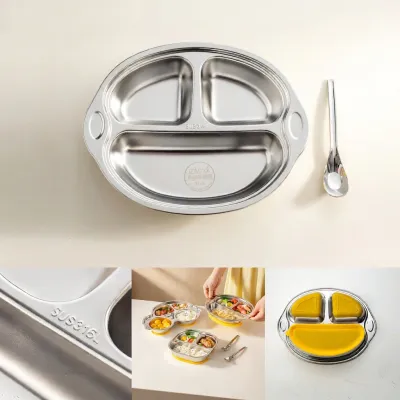
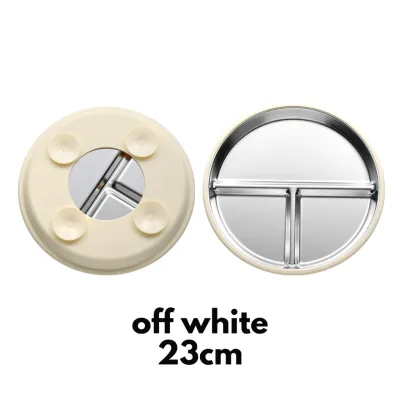
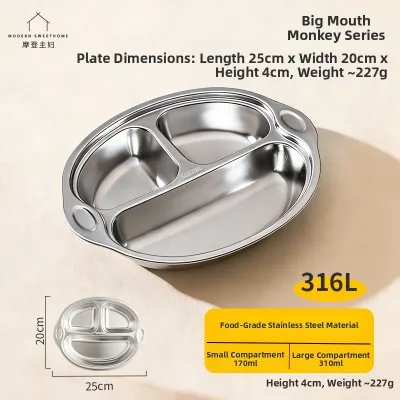
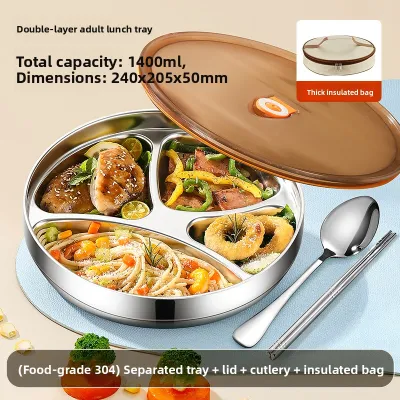
Prices are valid at publication and may change. Please refer to the product page for the latest price.
Another significant advantage of stainless steel is its complete resistance to food odors and stubborn stains. Parents frequently introduce vibrant, nutrient-dense local foods such as pumpkin purees, carrot mashes, and turmeric-infused dishes during early feeding stages. While these ingredients can permanently discolor plastic or pure silicone plates within a single use, stainless steel is completely impervious to staining. It does not absorb strong food odors, meaning yesterday’s fish mash will not affect the taste of today’s fresh fruit slices. This resistance to degradation ensures the plate looks and smells as clean as the day you bought it, even after months of heavy use.
From a safety and environmental perspective, high-quality stainless steel offers peace of mind by eliminating concerns regarding chemical leaching. While modern baby plastics are often labeled as BPA-free, they may still contain other chemical plasticizers whose long-term effects remain a subject of ongoing research. Food-grade stainless steel is a stable, non-reactive material that does not leach chemicals into warm foods. However, parents should always inspect the product packaging and verify the manufacturer’s material certifications to ensure the plate is free from lead, heavy metals, and low-grade fillers.
Despite these compelling benefits, stainless steel has one major functional limitation that every parent must consider before purchasing: it is completely incompatible with microwave ovens. If your meal preparation routine involves batch-cooking baby food, freezing individual portions, and quickly reheating them in the microwave, you cannot perform this step directly in a stainless steel plate. Instead, you must transfer the food to a microwave-safe glass, ceramic, or silicone container to heat it, stir thoroughly to eliminate hot spots, and then transfer the warm food onto the stainless steel plate. Understanding this workflow trade-off is essential to determine if the durability of stainless steel fits smoothly into your daily kitchen routine.
Recommended Plate Features by Weaning Stage
Early Weaning (Around 6-8 Months)
The initial phase of weaning, usually starting around six months when your baby exhibits all physical signs of readiness, is focused primarily on sensory exploration, tasting new textures, and developing basic hand-eye coordination. At this delicate stage, presenting a large, multi-compartment plate filled with various foods can be visually overwhelming for an infant. Instead, experts recommend starting with a compact, single-compartment plate or a deep suction bowl. Keeping the presentation simple helps your baby focus on the single taste and texture in front of them without unnecessary distractions.

Deep-walled profiles are highly beneficial for beginners who are just learning how to manipulate food. When a baby attempts to scoop up purees, mashed avocado, or thick oatmeal, they do not yet possess the wrist control required to balance food on a spoon. They naturally use the sides of the dish as a backstop, pushing the food against the vertical wall to guide it onto their utensil or fingers. A plate with low, flat edges will cause the food to slide off onto the tray, leading to frustration. A deep bowl or plate with steep, defined walls provides the physical support your baby needs to build confidence in their early feeding attempts.
Additionally, maximizing suction strength is critical during this phase. Babies at six to eight months are driven by curiosity and a desire to explore gravity; they will naturally pull, lift, and swipe at anything within their reach. Without a powerful suction base, a bowl of warm puree can instantly become a projectile, resulting in a messy cleanup and a disrupted meal. Look for plates featuring a wide, heavy-duty suction cup that covers a large surface area, ensuring the dish remains firmly anchored to the highchair. Always maintain close caregiver supervision during meals to guide your baby and ensure they do not pull the plate loose.
Active Eating and Pincer Grasp (9-12 Months)
Between nine and twelve months, babies undergo rapid cognitive and motor development. They transition from using their whole hand to grab food (the palmar grasp) to using their thumb and index finger (the pincer grasp). This milestone allows them to pick up smaller, individual pieces of food, making it the perfect time to introduce a divided stainless steel suction plate. Compartments are highly effective at this stage because they allow you to present a balanced variety of foods—such as steamed vegetable florets, soft protein pieces, and grains—without them mixing. This clear separation helps babies identify different food groups, textures, and flavors individually, which can prevent selective eating habits from developing.
When choosing a divided plate for this stage, look for medium-depth compartments. The walls of each section should be high enough to keep different foods from spilling into adjacent compartments, yet shallow enough that your baby can easily reach their fingers to the very bottom to pinch and lift small pieces of food. If the compartments are too deep or narrow, your baby’s hand may block their line of sight, or their fingers may struggle to maneuver in the tight corners, leading to frustration and a loss of interest in self-feeding.
Another critical design detail to look for is curved inner edges or slightly sloped compartment walls. Plates designed with sharp, 90-degree angles at the bottom of the walls tend to trap food in the corners, making it nearly impossible for a baby to scoop up with a spoon or slide out with their fingers. In contrast, rounded inner corners naturally guide the food upward along the curve as your baby sweeps their utensil or hand across the bottom. This small engineering detail significantly reduces mealtime mess and helps your baby master the mechanics of scooping independently.
Toddler Transition (12+ Months)
As your child crosses the one-year mark and enters toddlerhood, their nutritional requirements and eating patterns begin to align more closely with family meals. Their appetites will grow, requiring larger portion sizes that can no longer fit comfortably in early weaning dishes. At this stage, you should transition to a larger capacity stainless steel plate that can accommodate full toddler-sized portions of proteins, complex carbohydrates, and fiber-rich sides.
Flatter plate profiles become highly advantageous during this transition. Toddlers are ready to begin practicing with more advanced utensils, including child-safe forks and dull training knives. To learn how to pierce a piece of soft pasta or cut through a slice of steamed fish, they need a flat, stable surface that provides ample room to maneuver. High, steep walls can obstruct their hand movements and make it difficult to position utensils at the correct angle. A flatter plate with a low outer rim provides the perfect training ground for these refined motor skills, mimicking the adult tableware they see their parents using.
Furthermore, look for plates that feature a fully removable silicone suction base. As your toddler’s self-control improves, their tendency to intentionally throw or flip their plate will decrease. A modular design allows you to detach the suction mechanism entirely once it is no longer needed, leaving you with a sleek, high-quality, standard stainless steel plate. This extends the lifespan of the tableware by several years, allowing it to serve as a practical everyday plate for preschool-aged children and beyond, representing excellent long-term value for growing families.
Evaluating Suction Base Designs and Strength
The overall usability of a suction plate is defined by the design, material quality, and implementation of its silicone base. Parents generally choose between two primary configurations: full-silicone encased designs and removable silicone ring bases. A full-silicone encased plate features a stainless steel core completely wrapped in a thick, outer silicone sleeve that extends into a large suction cup at the bottom. This design provides exceptional durability, as the thick silicone wrapper cushions the steel plate from dents if it is dropped onto hard flooring. It also tends to offer incredibly strong, uniform suction because the entire base behaves as a single cohesive unit. However, these plates are naturally bulkier, heavier, and take up significantly more space in your kitchen cabinets and drying racks.
On the other hand, plates with a removable silicone ring base utilize a standard stainless steel plate with a separate silicone suction ring that stretches tightly around the bottom metal rim. This design is much sleeker, lighter, and highly versatile, as it allows you to remove the suction ring completely when your child outgrows the need for it. It also makes thorough cleaning much easier, as you can separate the two parts to wash away any trapped moisture. The primary drawback is that if the silicone ring is stretched out over time, misaligned during assembly, or worn down, the suction seal can weaken or fail entirely.
Regardless of the design you choose, it is important to check the product specifications for the thickness and quality of the silicone base. Thicker, food-grade silicone is more resilient, retains its shape better after repeated washing, and maintains a stronger vacuum seal over time. Additionally, parents must verify how well the suction base performs on their specific highchair tray material. Suction bases require a completely smooth, flat, non-porous surface to work effectively. If your highchair tray is made of textured plastic, matte-finished wood, or is heavily scratched from previous use, air will slowly leak under the silicone seal, causing the plate to lose its grip. Before making a purchase, read user reviews specifically mentioning your highchair brand to ensure compatibility.
Safety, Care, and Maintenance Checklist
To maintain the hygiene and structural integrity of your baby’s stainless steel suction plate, establishing a consistent care routine is essential. While stainless steel is a highly resilient material that can easily withstand high temperatures and harsh detergents, the silicone suction components require more delicate handling. If your plate features a removable silicone ring base, always separate the silicone from the metal plate after every single meal. In warm, humid environments, any moisture trapped in the tight crevices between the silicone and steel can quickly lead to the growth of black mold and bacteria, posing a health risk to your baby.
When cleaning the tableware, always refer to the manufacturer’s care instructions for specific guidelines. If you prefer using a dishwasher, place the stainless steel plate in the standard rack, but keep the silicone suction base on the top rack. The high-heat drying cycles in many dishwashers can exceed the temperature limits of lower-grade silicone, causing it to warp, stretch, or lose its suction capability over time. For handwashing, use a mild, baby-safe dish soap and a soft sponge. Avoid using steel wool, abrasive scouring pads, or harsh chemical cleaners, as these can scratch the polished surface of the stainless steel and damage the smooth edge of the silicone suction cup, compromising its ability to form a vacuum seal.
Regularly inspect all silicone parts for signs of physical wear, such as small tears, cracking, stretching, or discoloration. Silicone that has become sticky, brittle, or torn should be replaced immediately, as small fragments can break off and present a choking hazard. If the manufacturer offers replacement silicone rings, purchasing a spare can extend the life of your plate significantly. Premium stainless steel suction plates typically range from S$25 to S$50 in baby specialty stores, making them a durable long-term investment compared to replacing cheaper plastic alternatives multiple times.
Finally, keep these critical safety and care rules in mind to protect your family and your tableware:
- Never place the stainless steel plate inside a microwave oven under any circumstances, as metal will cause electrical arcing and pose a severe fire hazard.
- Verify the manufacturer's temperature limits on the product label before placing the plate or silicone base in an oven, steam sterilizer, or UV sterilizer, as sterilizing methods can vary in temperature and may degrade certain materials.
- Always ensure that an adult is supervising the infant or toddler during meals to assist with utensil use, prevent choking, and ensure a safe, positive feeding environment.
Frequently Asked Questions (FAQ)
Can I put a stainless steel suction plate in the microwave?
No, you must never place a stainless steel suction plate, or any metal tableware, in a microwave oven. Microwaves work by emitting electromagnetic waves that are absorbed by water molecules in food, causing them to vibrate and heat up. However, metal reflects these waves rather than absorbing them. This reflection can cause electrical charges to build up on the metal surface, leading to sparks, electrical arcing, potential damage to your microwave’s magnetron, and a serious risk of fire. If you need to reheat a meal, always transfer the food to a microwave-safe container made of glass, ceramic, or high-temperature silicone first. Once the food is heated thoroughly and stirred to eliminate any hot spots, test the temperature on your wrist to ensure it is safe before transferring it onto the stainless steel plate for your baby.
How do I get the suction plate to stick to a textured highchair tray?
Suction plates rely on creating a physical vacuum seal between the silicone base and the surface beneath it. This vacuum requires a completely smooth, flat, and non-porous surface to prevent air from leaking under the edges of the suction cup. If your highchair tray has a textured, matte, or grain finish, or if it is heavily scratched from daily use, the suction plate will not be able to maintain a seal. To improve the grip, ensure that both the suction base and the highchair tray are completely clean, free of grease, and slightly damp before pressing the plate down firmly from the center. If the tray’s texture still prevents a secure hold, you can place a large, smooth, flat silicone placemat over the highchair tray to create an artificial smooth surface, or transition your baby to eating at a smooth glass or polished wooden dining table.
When should I stop using a suction plate?
There is no fixed age at which you must stop using a suction plate, as the transition depends entirely on your child’s individual behavioral development and motor skills. Generally, parents begin phasing out suction tableware when their child consistently demonstrates that they can eat without intentionally lifting, throwing, or flipping their plate. For many children, this developmental milestone is reached between 18 months and three years of age. If you are using a convertible plate with a removable silicone suction ring, you can simply detach the ring and present the dish as a standard, free-standing plate. This allows your child to practice eating from adult-style tableware while still enjoying the durable, shatterproof benefits of their familiar stainless steel dish.
Community discussion
Share your experience or ask a question. Comments are reviewed before publication.