
Transitioning your child from breast or bottle feeding to their first cup is a major developmental milestone. For many parents in Singapore, finding a cup that is durable, hygienic, and easy for small hands to manage is a top priority. While plastic cups are lightweight and widely available, stainless steel cups have become an increasingly popular alternative. They offer exceptional durability, resist odors, and provide a long-lasting option that can withstand the daily drops of toddlerhood.
Choosing the best stainless steel cup for your child requires looking beyond aesthetics. You must evaluate how the cup’s physical design matches your child’s current motor skills, oral development, and your daily routine. From understanding the mechanics of different spout types to verifying the safety of the materials used, making an informed choice ensures a smoother weaning journey. This guide breaks down the essential factors to consider so you can select a safe, functional, and developmentally appropriate cup for your little one.
Why Consider Stainless Steel for Early Drinking
One of the primary reasons parents turn to stainless steel is its remarkable durability. Toddlers are in a phase of active exploration, which frequently involves dropping, throwing, or knocking over their drinking vessels. Unlike glass, which poses an immediate shattering hazard, or certain plastics that can crack over time, stainless steel is virtually indestructible. Investing in a high-quality steel cup means choosing a product that can survive countless impacts on hard kitchen tiles or outdoor pavements.
Products mentioned in this guide
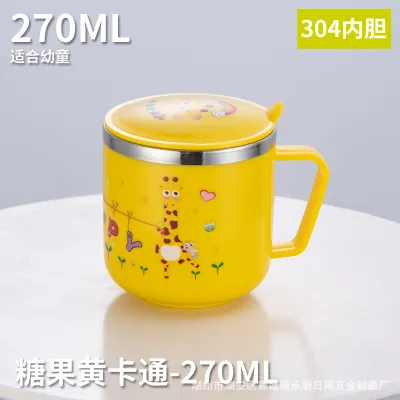
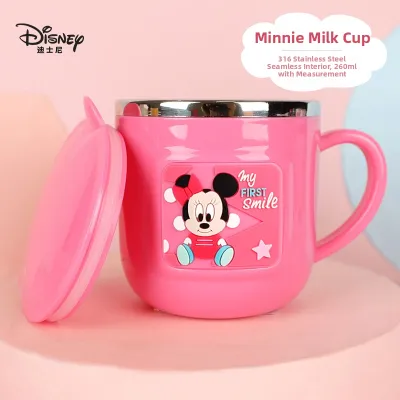
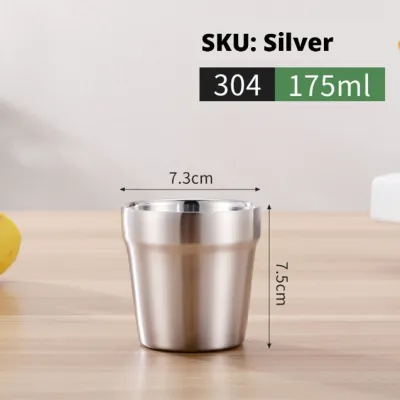

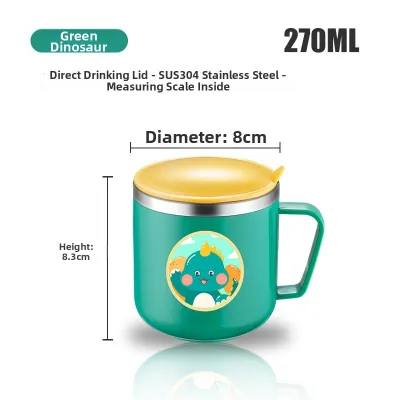
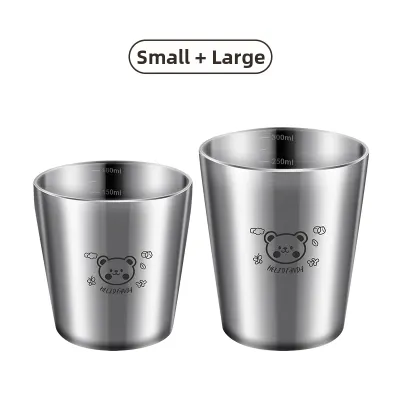
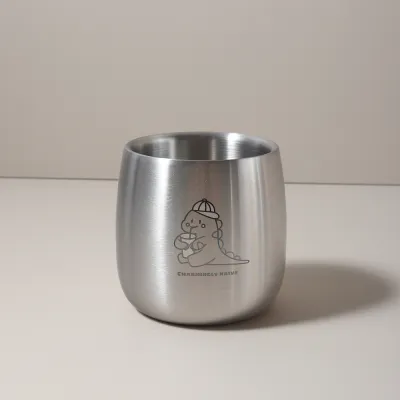
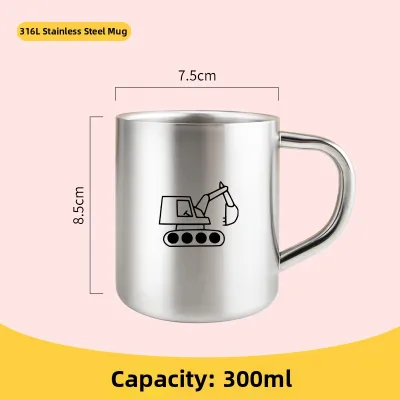
Prices are valid at publication and may change. Please refer to the product page for the latest price.
Temperature retention is another notable characteristic of stainless steel, particularly double-walled insulated models. In Singapore’s warm climate, an insulated cup can keep water refreshingly cool during outdoor trips. However, this excellent insulation also introduces a safety consideration. Because the outer walls of an insulated cup do not transfer heat, the cup will feel cool to the touch even if the liquid inside is scalding hot. This makes it easy to accidentally serve liquids that are too hot, highlighting the need for careful temperature checks.
Weight is a practical factor that parents must balance against durability. Stainless steel is naturally heavier than plastic, especially when filled with liquid. For a young infant who is just beginning to develop grip strength and hand-eye coordination, a heavy cup can be frustrating to lift. When selecting a cup for the early stages of weaning, look for lightweight, single-wall steel options or smaller capacities to ensure your child can handle the cup independently.
Essential Features to Evaluate Before Buying
The type of spout or lid on a cup plays a significant role in your child’s oral development. Pediatric dentists generally recommend transitioning children to open cups or straw cups rather than hard, rigid spouts. Soft silicone spouts or flexible straws are gentler on developing gums and teeth. Straw cups, in particular, help promote mature swallowing patterns and strengthen the muscles in the tongue and lips, which are essential for speech development.

Grip ergonomics and handle designs are crucial for helping small hands build confidence. For infants starting their weaning journey, cups with dual, easy-grip handles are ideal because they allow for a secure, two-handed hold. Many models feature removable handles, allowing the cup to adapt as your child’s fine motor skills improve. Additionally, look for cups that feature a textured silicone sleeve around the steel body, which provides a non-slip surface for older toddlers who have graduated to holding the cup with one hand.
While spill-proof designs are highly desirable for keeping your home dry, they often come with a hidden drawback: complex valve systems. Intricate leak-proof mechanisms can easily trap moisture, milk fats, and juice sugars, creating a breeding ground for mold and bacteria. When evaluating a cup, look for a balance between effective leak prevention and a simple, easy-to-clean structure. Lids with minimal parts that can be completely disassembled are far easier to keep hygienic over the long term.
Base stability is another key feature that prevents mealtime frustrations. Toddlers often use a heavy-handed approach when placing their cups back down on a high-chair tray or dining table. A cup with a wide, flared base or a weighted bottom is much less likely to tip over. Many stainless steel cups come equipped with a removable silicone boot or base cover, which not only adds stability by gripping flat surfaces but also dampens the loud clanging sound when the cup is set down.
Matching the Cup to Your Child's Weaning Stage
During Stage 1 of weaning, which typically begins around six months of age, your baby is introduced to drinking liquids other than breast milk or formula. At this starting point, weighted straw cups are highly recommended. The weighted ball at the end of the straw moves dynamically with the liquid, allowing your baby to sip successfully even if they tilt the cup upside down. A soft silicone spout can also serve as a gentle transition, but the primary goal is to help them understand the concept of drawing liquid upward.
As your child moves into Stage 2, usually between nine and eighteen months, they are ready to transition toward open-cup mechanics. This is the perfect time to introduce 360-degree lip-activated cups or rimmed training cups. These designs allow your toddler to sip from any side of the rim, mimicking the action of an open cup while utilizing a silicone seal to prevent major spills. Dual handles remain highly beneficial during this stage, helping your child stabilize their movements as they practice tilting the cup to their mouth.
By Stage 3, which generally occurs around eighteen months and beyond, your child is developing the coordination needed for independent drinking. At this point, you can transition them to standard open stainless steel cups or simple, free-flowing straw cups without complex spill-proof valves. Choose a cup with a slightly tapered rim that fits comfortably against their lower lip, and ensure the base has a non-slip silicone grip. Practicing with a small, open steel cup during supervised meals helps build excellent motor control.
Safety Standards and Material Verification
When shopping for stainless steel children’s products, verifying the quality of the metal is paramount. Look for food-grade stainless steel markings, such as 304 or 316, which are often stamped on the bottom of the cup or clearly printed on the packaging. Grade 304 (also known as 18/8) is highly resistant to rust and corrosion, making it safe for daily contact with water, milk, and acidic juices. Grade 316 (or 18/10) offers even greater durability and corrosion resistance, providing an excellent premium option for long-term use.
While the main body of the cup is made of steel, the lid, straw, and handles are typically constructed from plastic or silicone. It is vital to read the product labels carefully to verify that all non-metal components are certified BPA-free, BPS-free, and phthalate-free. These chemical additives can leach into liquids, especially when exposed to warm temperatures or repeated washing, so ensuring their absence is a critical step in protecting your child’s health.
In addition to material composition, look for independent safety certifications and clear age-grade warnings on the packaging. Standards such as the European EN 14350 or compliance with FDA regulations indicate that the product has undergone rigorous testing for mechanical safety, ensuring there are no small parts that could detach and pose a choking hazard. Always adhere to the manufacturer’s age recommendations, as a cup designed for a three-year-old may have components that are unsafe for a six-month-old infant.
Even the most durable cups require regular inspection to ensure they remain safe for use. Over time, repeated drops can cause deep dents, or harsh cleaning tools can scratch the interior surface of the steel. If you observe any visible rust, deep scratches that are difficult to clean, or cracked plastic lids, it is time to stop using the cup. Damaged silicone valves or torn straws should also be replaced immediately, as loose pieces of silicone can become a choking hazard.
Cleaning, Maintenance, and Hygiene Practices
Maintaining strict hygiene is essential when caring for your child’s feeding gear. To clean a stainless steel cup thoroughly, you must completely disassemble all of its parts after every single use. This means pulling the silicone straw out of the lid, detaching the weighted ball, removing any silicone sealing rings, and sliding off external sleeves or handles. Skipping this step allows milk or juice residues to hide in the crevices, quickly leading to mold growth.
Before washing, always check the manufacturer’s instructions regarding dishwasher safety and temperature limits. While the stainless steel cup body is generally dishwasher-safe, the high heat of a dishwasher’s drying cycle can warp plastic lids, degrade silicone valves, and cause printed designs on the exterior to fade. Hand washing with warm, soapy water and a set of dedicated cleaning brushes—including a very thin brush for the inside of straws—is often the best way to extend the lifespan of the cup’s components.
Preventing mold buildup requires a combination of thorough cleaning and proper drying techniques. After washing, lay all disassembled parts out on a clean, well-ventilated drying rack. Avoid reassembling the cup or putting the lid back on while any components are still damp, as trapping moisture inside the cup creates an ideal environment for mold to flourish. If you live in a humid environment, ensuring complete dryness before storage is especially critical.
Over time, minerals from water or fats from milk can leave a stubborn, cloudy residue or a lingering odor inside the steel cup. To descale and refresh the cup safely, avoid using abrasive steel wool or harsh chemical bleach, which can scratch the protective surface of the metal. Instead, soak the cup in a solution of warm water and baking soda, or use a mild mixture of water and white vinegar. Rinse the cup thoroughly with clean water afterward to remove any remaining vinegar scent before serving a drink to your child.
Building Your Shortlist: In-Store and Online Checks
When you are ready to purchase, start by carefully reading the product descriptions on local e-commerce platforms or visiting physical baby specialty stores in Singapore. Pay close attention to the specified age, weight, and volume recommendations. A cup that looks perfect online might turn out to be too heavy or hold too much volume for a weaning infant, so verifying the physical dimensions and capacity beforehand is a crucial step.
Consider the long-term cost of ownership rather than just the initial S$ purchase price. High-quality stainless steel cups can be a larger upfront investment, but they often save money over time due to their durability. Check if the brand sells replacement parts, such as silicone straws, valves, and lids, separately. Because silicone parts naturally wear out and require regular replacement, buying from a brand that offers spare parts is far more economical than having to purchase an entirely new cup when a straw becomes damaged.
Finally, always check the return and exchange policies of the retailer before finalizing your purchase. Because children’s feeding items are highly sensitive hygiene products, most online marketplaces and physical stores in Singapore do not accept returns once the packaging has been opened or the seal is broken. Ensure you are fully satisfied with the specifications, and inspect the product immediately upon delivery for any manufacturing defects or shipping damage before washing or using it.
Frequently Asked Questions (FAQ)
Can I put hot liquids in a stainless steel cup for my toddler?
It is highly recommended to avoid putting hot liquids in stainless steel cups designed for toddlers. Double-wall insulated cups are excellent at maintaining temperatures, but they also prevent heat from transferring to the outer surface of the cup. This means the exterior will feel completely cool to your touch, while the liquid inside remains scalding hot, creating a significant risk of accidental burns when your child takes a sip. Always test the temperature of any beverage by placing a few drops on the inside of your wrist before serving, and stick to lukewarm or cool liquids for your child’s safety.
How often should I replace the silicone straw or spout?
Silicone straws, spouts, and valves should be inspected daily for signs of wear, such as tears, bite marks, thinning, or discoloration. Toddlers who are teething often chew on these soft parts, which can weaken the silicone and cause pieces to tear off, presenting a choking hazard. As a general guideline, manufacturers recommend replacing these high-wear silicone components every two to three months. However, if you notice any physical damage, deep scratches, or persistent mold spots that cannot be cleaned, you should replace the part immediately.
Is it safe to leave milk in a stainless steel cup for extended periods?
Leaving milk, formula, or fresh juice in a stainless steel cup for extended periods is not safe. In warm climates, bacteria can multiply rapidly in perishable liquids left at room temperature, often within just a few hours. While an insulated stainless steel cup can help keep milk cool for a limited time, it does not prevent bacterial growth indefinitely. If milk has been left in the cup for more than two hours, discard it immediately. Wash the cup and all its disassembled parts thoroughly with warm, soapy water, using a small brush to clean out any residue from the straw and valve.
Community discussion
Share your experience or ask a question. Comments are reviewed before publication.