
Selecting the right bag for your child involves balancing physical comfort, storage capacity, and daily usability. A popular choice among parents is the Skip Hop bag, known for its playful animal designs and child-friendly features. To select the ideal model for school commutes and weekend outings, you must evaluate your child’s current developmental stage, their physical height, and the specific items they need to carry daily. Rather than choosing solely based on an appealing design, matching the bag’s structural features to your child’s routine ensures a comfortable fit that supports their independence.
Key Factors for Choosing the Right Bag for Your Child
Toddlers and school-age children have vastly different physical capabilities and daily requirements. A bag that is too large can cause a young child to lose balance, especially when navigating steps, boarding public transport, or walking along busy pathways. For toddlers, look for compact sizes that allow them to carry small items like a favorite toy or a pack of tissues without feeling weighed down. As children transition to kindergarten and primary school, their bags must accommodate larger items while maintaining a scale proportionate to their growing bodies.
Consider what your child actually needs to carry on a typical day. A standard routine might require a lunchbox, a water bottle, a change of clothes, and school folders or notebooks. If your child attends a full-day childcare program, they may also need space for a small blanket or sleep cot sheet. Map out these items before purchasing. A bag with a single large compartment might cause items to shift, whereas multiple compartments help distribute weight and keep wet items, like damp clothes or condensation-heavy water bottles, separate from dry schoolwork.
Products mentioned in this guide
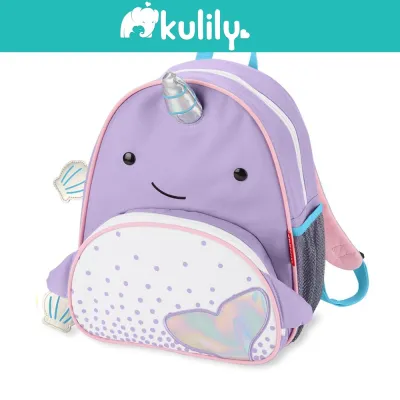
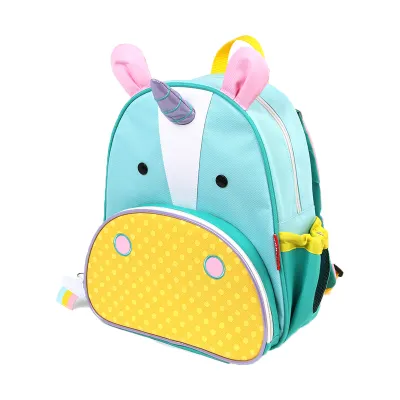
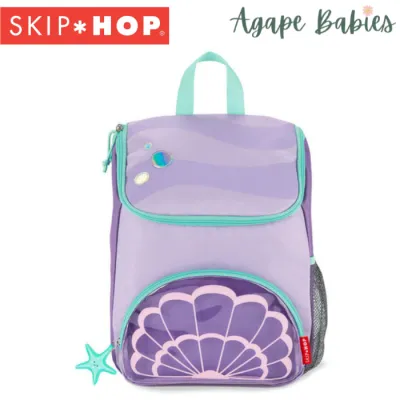
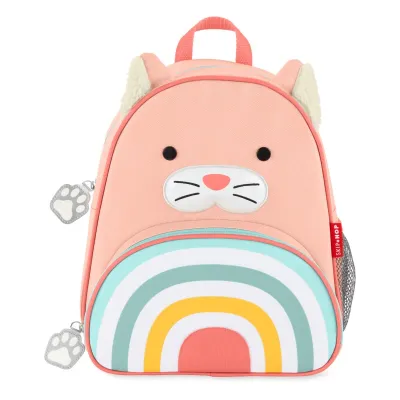
Prices are valid at publication and may change. Please refer to the product page for the latest price.
Ergonomics are crucial for growing spines and maintaining good posture. Look for wide, padded shoulder straps that distribute weight evenly across the shoulders rather than cutting into the collarbone. Adjustable straps are essential to keep the bag snug against the child’s back, preventing it from sagging below the waistline, which can pull the child backward and strain their lower back. An adjustable chest clip or sternum strap is highly beneficial for younger children, as it keeps the shoulder straps from slipping off narrow shoulders during active movement.
Navigating Skip Hop Bag Categories by Age and Use Case
Skip Hop’s toddler-focused bags, often referred to as mini backpacks or harness bags, are designed for children aged 1 to 3. These bags typically feature a detachable tether or harness strap that allows parents to maintain a secure connection in crowded spaces like shopping malls or busy transit stations. The storage capacity is intentionally limited to prevent overloading. They are ideal for carrying a single diaper, a small pack of wipes, and a light snack, helping toddlers build a sense of responsibility by carrying their own belongings under close adult supervision.

For children aged 3 and older, the standard backpack sizes offer expanded storage capacities. These bags are designed to hold full-sized school folders, coloring books, and larger lunch containers. They feature more robust shoulder straps and additional pockets to help older children organize their school supplies. When selecting a big kid backpack, verify the dimensions against your child’s torso length to ensure the bottom of the bag rests comfortably above their lower back.
Keeping food fresh is a priority, especially in warm, humid climates where temperatures can rise quickly. Insulated lunch bags and coordinating food jars are designed to keep meals at a safe temperature until lunchtime. These accessory bags often feature clips or straps that allow them to attach directly to the exterior of the main backpack, saving valuable internal storage space and preventing potential food spills from ruining school books or spare clothing.
Must-Have Features for School Commutes and Everyday Outings
Daily commutes expose bags to various elements, from sudden tropical downpours to accidental water bottle leaks. Look for bags made from durable, tightly woven polyester or canvas materials that can withstand being placed on classroom floors or playground benches. Water-resistant exterior coatings help repel light rain and spills, keeping the contents dry. It is important to inspect the interior lining to ensure it is water-resistant as well, which prevents spilled liquids from seeping through the fabric to the outside.
Effective organization makes a significant difference in a child’s daily routine. A dedicated exterior mesh pocket is essential for holding a water bottle securely, keeping it upright to minimize leaks and ensuring quick access during outdoor play. Front zippered compartments are ideal for storing small, frequently used items like hand sanitizer, pocket tissues, or transit cards, allowing children to retrieve them without rummaging through the main compartment.
Visibility is a key safety consideration, particularly during early morning commutes or late afternoon walks home. Look for bags that incorporate reflective piping, details, or attachment loops where you can clip a small safety light. These reflective elements help make your child more visible to drivers and cyclists when crossing streets or walking through parking lots.
Spills, crumbs, and dirt are inevitable when dealing with kids’ gear. Bags with wipeable, water-resistant interior linings simplify maintenance. Instead of requiring a full wash cycle, these linings allow parents to quickly wipe away food residue, dirt, or leaked liquids with a damp cloth and mild soap, keeping the bag hygienic and odor-free with minimal effort.
How to Verify Fit, Safety, and Care Before You Buy
Before making a purchase, always consult the manufacturer’s official product documentation to verify the recommended age range, weight limits, and capacity warnings. Using a bag designed for an older child on a toddler can compromise their safety and comfort. Manufacturer guidelines are established based on developmental milestones and physical safety standards, making them a critical reference point for parents.
Once you have the bag, adjust the straps with the bag fully packed to simulate real-world use. The backpack should sit high on the child’s back, with the top of the bag resting just below the shoulders and the bottom resting above the waistline. If the bag sags or sways as the child walks, tighten the shoulder straps and secure the chest clip. Teach your child to always wear both shoulder straps rather than slinging the bag over one shoulder, which can cause muscle strain and posture misalignment.
Different materials require specific cleaning methods to preserve their structural integrity and insulation properties. Always locate and read the care label sewn inside the bag. Some insulated lunch bags or structured backpacks may lose their shape, water-resistant coatings, or thermal efficiency if subjected to machine washing or high heat in a dryer. Confirming the recommended cleaning method ensures the bag remains durable and safe for long-term use.
Regularly inspect the bag’s hardware, including zippers, buckles, snaps, and seams. Zippers should glide smoothly without catching on the fabric, and buckles should snap securely without requiring excessive force from a child. For younger children, check for any small, detachable parts or loose threads that could pose a choking hazard or cause the bag to fail during use. If you notice frayed seams or cracked plastic buckles, address these issues promptly to maintain the bag’s safety.
Frequently Asked Questions (FAQ)
How heavy should a child's school backpack be?
Pediatric and chiropractic guidelines generally recommend that a child’s loaded backpack should not exceed 10% to 15% of their total body weight. For example, if a child weighs 20 kg, their packed bag should ideally weigh no more than 2 to 3 kg. To keep the load manageable, encourage your child to pack only the essentials for each day, utilize school lockers or cubbies for heavy textbooks when available, and place the heaviest items closest to the back panel of the backpack to optimize weight distribution.
Can I put a Skip Hop backpack in the washing machine?
While it may be tempting to toss a dirty backpack into the washing machine, you must always check the specific care label attached to your model first. Many structured backpacks and insulated lunch bags are hand-wash only to protect their water-resistant coatings, insulated linings, and structural shapes. For general maintenance, spot clean the exterior with a damp cloth and mild detergent, wipe down the interior lining, and allow the bag to air dry completely in a well-ventilated area away from direct sunlight.
Are chest straps necessary for toddler backpacks?
Chest straps and harness tethers are highly beneficial for toddlers who are still developing their balance, coordination, and spatial awareness. The chest strap keeps the shoulder straps securely positioned on narrow shoulders, preventing the bag from slipping off during active play or sudden movements. As your child grows, develops stronger shoulder muscles, and demonstrates better balance, you can transition them to standard backpacks without chest clips, provided the shoulder straps are properly adjusted to fit their frame.

Community discussion
Share your experience or ask a question. Comments are reviewed before publication.