
To choose the right size waterproof pee pad for your changing table, you must measure the precise inner dimensions of your table’s changing surface—specifically the length, width, and depth—and match those to the pad’s style. A properly fitted waterproof pee pad ensures a flat, stable, and safe surface for your baby during diaper changes, preventing dangerous slips, bunching, or gaps. While many parents assume all changing tables and pads are standard, dimensions vary widely across brands. Choosing the correct size requires understanding your table’s design, whether it features raised safety bumpers, and how the pad secures to the frame.
Why Exact Sizing Matters for Nursery Safety
Nursery safety hinges on the stability of the surfaces where you care for your infant. When a waterproof pee pad does not fit your changing table perfectly, it introduces several immediate physical hazards. A loose or oversized pad can easily slip, slide, or bunch up beneath your baby during a diaper change. This sudden movement can startle an infant, potentially causing them to roll unexpectedly. Furthermore, excess material can create folds or gaps along the sides of the changing table, presenting a risk where a baby’s limbs or face could become trapped or wedged against the frame.
Conversely, a pad that is too tight or small for the table creates its own set of safety concerns. Straining a small pad over a larger surface puts immense pressure on the seams, which can tear or compromise the integrity of the waterproof barrier over time. More critically, tight or ill-fitting covers often cause the corners or edges of the changing pad to lift. This lifting creates an uneven, unstable surface that deprives your baby of flat, secure support. During diaper changes, caregivers must manage active, wriggling infants; any instability in the surface beneath them increases the risk of falls. A precise fit is not an aesthetic preference, but a fundamental safety requirement that keeps the changing environment predictable and secure.
Products mentioned in this guide
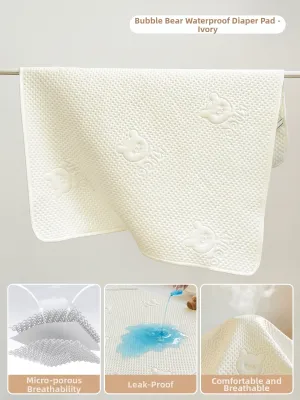

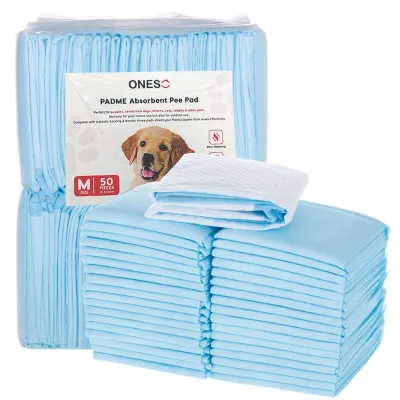


Prices are valid at publication and may change. Please refer to the product page for the latest price.
How to Measure Your Changing Table Accurately
To ensure a perfect fit, do not rely on visual estimates or generic product descriptions. Instead, use a firm metal measuring tape to record the exact physical dimensions of your changing table. Start by measuring the length and width of the flat, usable surface area. If your changing table has a wooden frame with raised sides, measure the interior space—from the inside of one wooden barrier to the inside of the opposite barrier. This ensures the waterproof pee pad will sit completely flat against the base without climbing up the wooden walls.

Next, measure the thickness or depth of the table’s top surface or the existing changing pad you plan to cover. This step is frequently overlooked but is absolutely essential if you are purchasing a fitted pad or cover with elasticized pockets. Most standard changing pads are between 5 and 10 centimetres thick. If your pad has contoured, raised sides, measure the depth at the highest point to ensure the cover has enough fabric to wrap completely around and underneath the pad.
Additionally, account for any unique design features such as built-in contoured edges, raised safety bumpers, or recessed plastic trays. These features reduce the actual flat surface area available for the pad. If your table includes a recessed tray, measure only the inner dimensions of that tray. Finally, always cross-reference your manual measurements with the manufacturer’s user manual or the product label located on the underside of your changing table. The manufacturer often specifies the exact dimensions of compatible pads to ensure compliance with safety standards.
Understanding Waterproof Pee Pad Styles and Dimensions
Waterproof pee pads come in several distinct styles, each requiring a different approach to sizing. Matching your measurements to the correct style ensures the pad performs its protective function without sliding.
Fitted Pads with Elastic Edges
Fitted waterproof pads function similarly to fitted bedsheets, using an elasticized skirt to wrap securely around the changing pad. When selecting a fitted style, the depth measurement of your changing pad is just as critical as its length and width. The elastic pocket must be deep enough to tuck fully underneath the bottom of the pad. If the pocket is too shallow, the elastic will struggle to hold, causing the cover to pop off the corners unexpectedly when your baby moves. Ensure the pad cover has at least 2 to 3 centimetres of extra depth allowance to provide a secure, wrap-around grip.
Flat or Strap-Secured Pads
Flat waterproof pads, often called liners or travel mats, sit directly on top of the changing surface. Some designs feature non-slip backing, while others rely on security straps or anchors to stay in place. When sizing a flat pad, it must fit neatly within the boundaries of any raised safety bumpers or wooden barriers. If the flat pad is even slightly too wide, the edges will fold upward against the barriers, creating a lip that can trap moisture or cause the baby to slide. Additionally, if your changing table uses safety straps that anchor to the frame, verify that any pre-drilled holes or strap slots in the pad align perfectly with these built-in anchor points.
Contoured vs. Rectangular Shapes
The overall shape of your changing table surface dictates the shape of the waterproof pee pad you must choose. Traditional rectangular tables require flat, straight-edged pads, whereas modern contoured tables—which feature curved, hourglass-shaped sides—require matching contoured pads. Never attempt to force a rectangular pad onto a contoured surface, or vice versa. Doing so forces the material to bunch up in the narrow sections or stretch dangerously over the wider sections. This mismatch creates hazardous air gaps, uneven cushioning, and can block the routing of the table’s safety belt.
Securing the Pad: How Fit Affects Stability
The safety of a changing table relies heavily on how well the waterproof pee pad integrates with the table’s built-in securing mechanisms. Most modern changing tables feature a central safety strap designed to buckle across your baby’s torso to prevent falls. If your waterproof pee pad is too large, the excess fabric can easily drape over or block the safety strap’s anchor points, making it difficult to thread the belt or buckle it securely. Conversely, an undersized pad might pull the strap taut in the wrong direction, leaving the safety harness too loose to restrain your baby effectively.
Furthermore, many waterproof pads utilize a non-slip silicone or rubberized backing to prevent sliding on smooth wooden or plastic changing tables. For these non-slip backings to function, they must maintain full, flat contact with the table surface. If the pad is forced into a space that is too small, the material will wrinkle and lift, reducing the surface area in contact with the table. This loss of friction allows the pad to slide easily under the weight of a moving baby.
Before placing your baby on the changing table, always perform a manual stability check. Gently pull the corners and edges of the installed pad in multiple directions. If the pad shifts more than a centimetre, slips off the corners, or causes the underlying changing pad to buckle, the fit is incorrect. Do not use the setup until you have adjusted the pad or replaced it with the correct size.
Common Sizing Mistakes to Avoid
Navigating the nursery market can be overwhelming, leading to several frequent sizing errors that compromise safety and convenience.
- Ignoring the table's depth or thickness: Many parents only measure the length and width, purchasing a fitted cover that is too shallow. This results in a cover that constantly slips off, creating an annoying chore and a safety hazard during active diaper changes.
- Assuming all "standard" pads are identical: While "standard" changing pads are often around 43 by 80 centimetres, actual dimensions vary significantly by brand and country of manufacture. A pad designed for a European-style changing table may not fit a North American or Asian-style frame. Always measure rather than relying on the word "standard."
- Using a crib-sized waterproof protector: A waterproof protector designed for a standard crib mattress is far too large for a changing table. Attempting to fold or tuck this excess waterproof material under a changing pad creates a highly unstable, slippery, and bunched-up surface that poses a severe roll hazard for your infant.
- Forgetting to measure the inner dimensions between safety bumpers: Buying a pad based on the external dimensions of the changing table frame, rather than the internal space between the raised safety bumpers, leads to a pad that is too wide. This forces you to fold the edges, which ruins the flat surface and prevents the pad from lying secure.
Frequently Asked Questions (FAQ)
Can I use a crib mattress protector on a changing table?
No, you should not use a crib mattress protector on a changing table. Crib protectors are significantly larger than changing tables, and the excess material will bunch up, creating an uneven and highly unstable surface. This bunching can cause your baby to roll unexpectedly or compromise the fit and function of the changing table’s safety harness. Always use a pad specifically sized for your changing table’s dimensions to maintain a safe environment.
What if my changing table is an unusual or custom size?
If your changing table features non-standard or custom dimensions, look for adjustable flat waterproof mats or liners that can be safely positioned within the flat area. Alternatively, consult the furniture manufacturer for custom-fit accessories designed specifically for your model. Regardless of the pad you use, ensure that the table’s built-in safety strap remains fully functional, properly routed, and unobstructed to secure your baby during every diaper change.
Community discussion
Share your experience or ask a question. Comments are reviewed before publication.