
Selecting the right size waterproof bed pad depends entirely on where you plan to use it. For a standard changing table in Singapore, you typically need a compact pad measuring approximately 40 by 80 centimetres or 50 by 70 centimetres, designed to fit securely within the table’s protective barriers. For a crib mattress, the pad must match standard local dimensions—most commonly 60 by 120 centimetres or 70 by 140 centimetres—and must fit exceptionally snug without any loose edges. Using the wrong size on either surface compromises your child’s safety and fails to protect your furniture from leaks.
To ensure a safe nursery setup, parents must match the specific dimensions of their furniture with the exact specifications of the protective layer. A pad that is too small leaves vulnerable gaps where liquids can seep through, while a pad that is too large will bunch up, creating uneven surfaces that pose physical safety risks. Understanding how to measure your furniture and select the correct pad style will help you maintain a clean, dry, and safe environment for your baby.
Why Exact Sizing Matters for Nursery Safety and Leak Protection
Guessing the size of a waterproof bed pad poses significant safety risks in a nursery environment. When a pad does not fit perfectly, the excess fabric can easily bunch up, fold over, or slide out of place. On a crib mattress or a changing table, loose or bunched-up fabric creates uneven surfaces and excess bulk. These folds can pose serious physical safety hazards, including entanglement or suffocation risks for an infant who is rolling over or moving during sleep.
Products mentioned in this guide
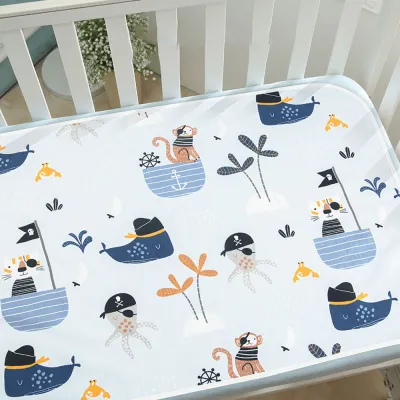
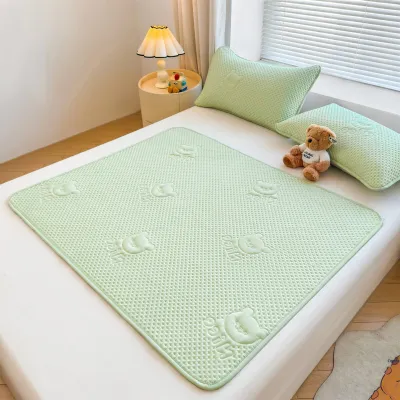

Prices are valid at publication and may change. Please refer to the product page for the latest price.
From a practical standpoint, an ill-fitting pad fails to perform its primary function of leak protection. If a pad is too small, urine and diaper blowouts will easily bypass the waterproof barrier, seeping directly into the mattress core or the changing table’s foam topper. In Singapore’s highly humid climate, trapped moisture inside a mattress or foam pad becomes an ideal breeding ground for mold, mildew, and bacteria. Once these contaminants take root inside the core materials, they are incredibly difficult to clean and often require replacing the entire mattress or changing pad.
To prevent these issues, a waterproof protector must lay completely flat, smooth, and secure against the surface it is protecting. Relying on generic product labels like “standard size” is often unreliable because furniture dimensions vary widely across different brands and regions. Taking precise physical measurements of your specific nursery furniture is the only dependable way to ensure a secure, high-performing fit.
Sizing a Waterproof Pad for Your Changing Table
Changing tables and dresser-top changing stations come in a wide variety of shapes and configurations. Many models feature contoured edges, raised side safety rails, or specific recessed wooden frames designed to hold a changing topper in place. Because of these unique physical structures, a waterproof pad must fit precisely within the flat interior boundaries of the changing surface without climbing up the protective side walls.

To find the correct pad size, use a flexible measuring tape to measure the exact interior length and width of your changing table’s flat surface. If you are using a contoured foam changing pad, measure its length, width, and the height of the raised side contours. A standard changing table pad in Singapore often measures around 40 by 80 centimetres, but European and American-designed furniture may require slightly different dimensions. Always check your changing table manufacturer’s product documentation to verify the recommended pad dimensions and compatible accessories before purchasing.
Securing mechanisms are another critical factor when sizing a pad for a changing station. Because infants wiggle and kick during diaper changes, the pad must remain firmly in place to prevent slips. Look for waterproof pads that feature built-in safety straps, elasticized skirt edges that wrap underneath the changing topper, or a heavy-duty, non-slip silicone backing. These features prevent the pad from sliding around while you are actively changing your baby.
Additionally, always verify the maximum weight and age limits specified in your changing table’s product documentation. Never rely solely on a product name to assume suitability, and ensure active caregiver supervision is maintained at all times during diaper changes to prevent falls.
Fitting a Waterproof Bed Pad for the Crib Mattress
When selecting a waterproof bed pad for a crib mattress, complying with safe sleep guidelines is the absolute priority. A crib mattress protector must fit exceptionally snug, with absolutely no gaps between the mattress sides and the crib frame. The pad must lay perfectly flat beneath a tightly fitted crib sheet, without altering the firm, flat surface required for safe infant sleep.
To ensure a proper fit, you must measure the length, width, and thickness of your crib mattress. Standard crib mattresses in Singapore typically follow European sizing (60 by 120 centimetres or 70 by 140 centimetres) or American sizing (71 by 132 centimetres). Mattress depth is equally important; depths can range from 10 to 15 centimetres. If a waterproof pad is too thick or bulky, or if its elastic skirt is too shallow, it will pull the corners of the mattress upward or prevent the fitted outer sheet from wrapping securely underneath, causing the sheet to pop off.
Bunching is another major concern under crib sheets. If the waterproof layer is loose, it will slide and gather into lumps when the baby moves. This uneven surface is uncomfortable and can restrict a baby’s movement. To prevent this, choose a fitted-sheet style waterproof protector that wraps entirely around the mattress sides, or a flat pad with heavy-duty elastic corner bands that anchor it firmly to the underside of the mattress.
In Singapore’s warm and humid climate, balancing waterproofing with breathability is essential for your baby’s comfort. Heavy, non-breathable plastic barriers can trap body heat and sweat, leading to skin irritation or heat rashes. Look for product labels indicating breathable, temperature-regulating materials such as cotton terry or bamboo-derived viscose paired with a thin thermoplastic polyurethane (TPU) waterproof membrane. Always verify these material claims and safety standards on the manufacturer’s official care tags and product documentation before use.
While a high-quality protector helps maintain a clean sleep environment, no product can promise absolute safety. If you notice any signs of wear, tearing, or structural softening of the mattress, stop use immediately and consult a pediatric sleep specialist or a qualified professional for guidance.
Protecting Your Regular Bed During Diaper Changes
Many parents find themselves changing diaper leaks or dressing their baby on their own adult bed, especially during late-night wakeups or when managing multiple children. However, adult mattresses are far too large for standard nursery-sized protectors, and wrapping a king or queen-size bed in a full-coverage waterproof cover just for diaper changes is often impractical and expensive.
For this scenario, the most effective sizing strategy is to use a medium-to-large portable waterproof pad, often referred to as a flat changing mat or travel underpad. These pads typically measure around 50 by 70 centimetres or 60 by 90 centimetres. This size provides a generous, localized protective barrier that fits easily under your baby’s entire body, catching any sudden leaks or diaper blowouts without requiring you to strip and wash your heavy adult bedsheets and mattress protectors.
Using a dedicated, portable pad on your bed is highly convenient. These mats are lightweight, easy to fold, and can be quickly tossed into the washing machine. When selecting a portable pad for use on an adult bed, look for options with a soft, absorbent top layer and a reliable non-slip backing to keep the pad flat on your duvet or fitted sheet.
Because these pads require frequent washing, prioritize materials with quick-drying properties. In Singapore’s humid air, thick quilted pads can take a long time to line-dry. Lightweight pads with a polyester or bamboo top layer and a thin TPU backing tend to dry much faster, ensuring you always have a clean pad ready when you need it.
How to Measure Your Furniture and Avoid Sizing Mistakes
To avoid purchasing the wrong size waterproof pad, follow a systematic measurement process rather than guessing or relying on generic size categories. Taking five minutes to measure your furniture physically will save you the hassle of returns and ensure your nursery remains safe.
First, gather a flexible sewing tape measure. If you only have a metal construction tape, work carefully to avoid scratching wooden furniture or tearing fabric. Measure the flat surface area using the steps below:
- Length: Measure from the inside headboard to the inside footboard of the crib, or from the left inside edge to the right inside edge of the changing table frame.
- Width: Measure from the inside front rail to the inside back rail.
- Depth: For mattresses, measure the vertical thickness at the corners, as this determines how deep the elastic pocket of a fitted pad needs to be.
One of the most common sizing mistakes is buying a pad based solely on the furniture’s model name. Manufacturers frequently update dimensions across different production years or regional batches, meaning a “standard” pad from one year might not fit the same model bought a year later. Another common error is buying a pad that is too large and attempting to fold the excess material underneath the mattress. This creates unsafe, uneven lumps and lifts the mattress off the crib base, creating dangerous gaps along the sides.
Always compare your physical measurements against the exact dimensions listed in the product specifications of the waterproof pad before making a purchase. Additionally, check the care labels for washing instructions. Some waterproof materials, particularly those made with natural cotton or bamboo fibers, may shrink slightly after their first hot wash. If you plan to wash your pads in warm or hot water for sanitation, consider choosing a pad that is slightly generous in its fit or pre-shrunk by the manufacturer to ensure it still fits perfectly after laundering.
Frequently Asked Questions (FAQ)
Can I use the same waterproof pad for both the crib and the changing table?
It is generally not recommended to use the same waterproof pad for both surfaces due to different physical shapes and safety requirements. Changing tables typically require contoured pads with built-in safety straps, non-slip backing, or specific dimensions that lock into a raised frame to prevent shifting while a baby is active. In contrast, crib mattress pads must be flat, thin, and designed to wrap securely around the mattress corners like a fitted sheet to prevent bunching during sleep. Using a crib pad on a changing table can lead to slipping, while using a changing pad in a crib can create dangerous, uneven lumps under the sheet.
How many waterproof pads do I realistically need for a newborn?
For a newborn, keeping a minimum of 2 to 3 waterproof pads per surface is highly practical. This allows you to have one pad in active use, one in the laundry, and one clean spare ready for middle-of-the-night changes. If you do not have a clothes dryer, Singapore’s high humidity can prolong air-drying times for waterproof materials, meaning you may want to keep 3 to 4 pads on hand to avoid running out during rainy periods or consecutive diaper blowouts.
Community discussion
Share your experience or ask a question. Comments are reviewed before publication.