
As babies transition from crawling to pulling themselves up and taking their first steps, the home environment presents new challenges. Sharp corners on coffee tables, low shelves, and dining tables become immediate hazards at a child’s eye and head level. Silicone corner protectors offer a practical, cushioning barrier designed to soften accidental impacts during this active developmental stage. By choosing the right protectors and installing them correctly, parents can reduce the risk of minor bumps and bruises while maintaining the functionality of their living spaces.
Selecting the right protective gear requires looking beyond basic aesthetics. While many options are available on online marketplaces, their performance, adhesive strength, and material safety vary widely. This guide provides a comprehensive framework to help you evaluate silicone corner protectors, verify product claims, and apply them securely to various furniture surfaces in your home.
Understanding Silicone as an Edge Guard Material
Silicone has become a highly popular material for baby-proofing, largely due to its unique physical properties. Unlike rigid plastics that can crack under pressure or dense foam alternatives that toddlers can easily bite or tear apart, silicone offers a balanced combination of flexibility and durability. It acts as an elastomeric cushion, absorbing and distributing the force of an impact when a child bumps into a sharp corner. This resilience makes it highly suitable for high-traffic areas of the home where furniture is subject to daily wear and tear.
Products mentioned in this guide
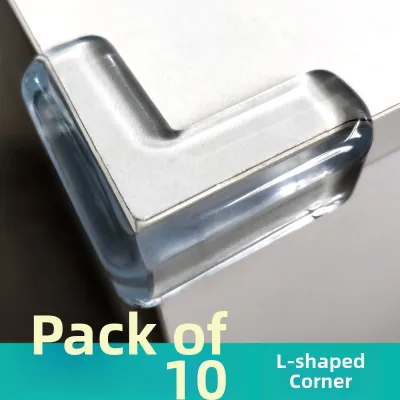
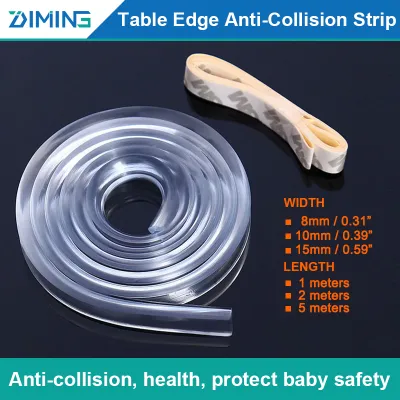
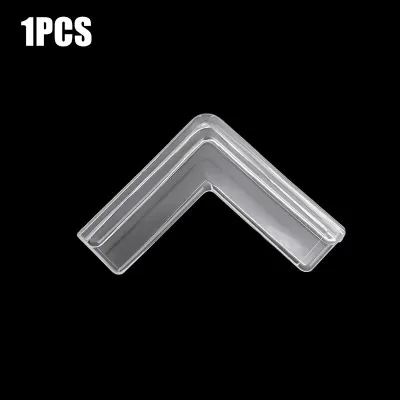
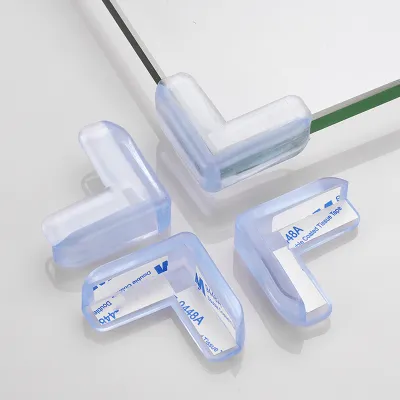
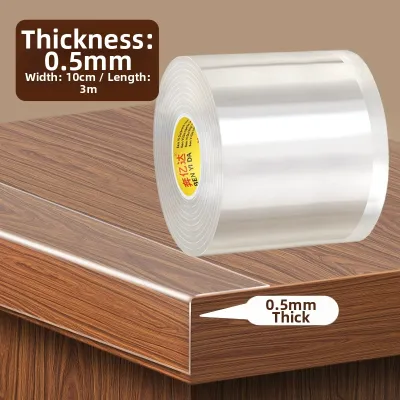
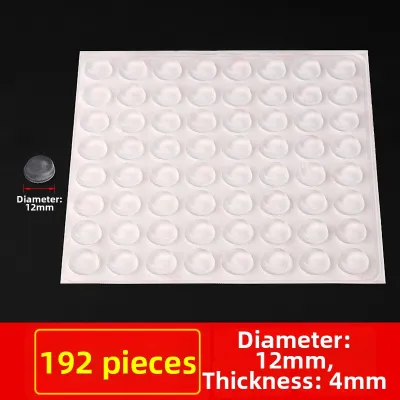
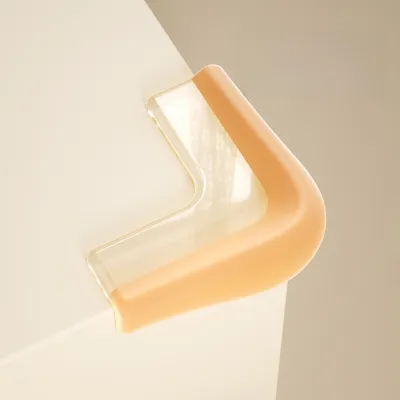
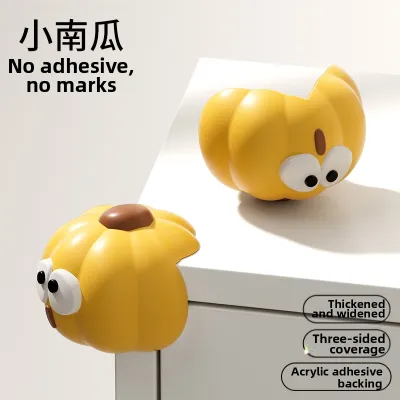
Prices are valid at publication and may change. Please refer to the product page for the latest price.
Another significant advantage of silicone is its aesthetic versatility. Many silicone protectors are manufactured with high transparency, allowing the natural wood grain, color, or texture of your furniture to remain visible. This is particularly beneficial for modern living spaces where bulky, brightly colored foam guards might disrupt the interior design. Additionally, silicone is naturally resistant to water and common household spills, making it easier to clean and maintain over time compared to porous foam materials that can trap dust, moisture, and food particles.
However, the effectiveness of a silicone corner protector depends heavily on its thickness and the specific formulation used by the manufacturer. While silicone is inherently tough, thin or low-quality variants may degrade or tear under repeated stress. When selecting these safety items, it is important to understand that no material can guarantee absolute safety or prevent all injuries. Instead, silicone serves as a reliable tool to mitigate the severity of impacts, provided it is used as part of a broader, supervised approach to child safety in the home.
Key Criteria for Selecting Safe and Effective Protectors
When browsing for silicone corner protectors, parents must evaluate several critical dimensions to ensure the product matches their specific furniture and safety requirements. The first and often most challenging factor is adhesive quality. The protector is only as reliable as the tape holding it in place. Many products come pre-applied with double-sided acrylic adhesives, which are known for their strong initial bond and clarity. It is essential to verify whether the adhesive is compatible with your furniture’s surface material, whether it is finished wood, glass, metal, or laminate, as some adhesives can leave stubborn residues or even strip delicate finishes upon removal.

Material safety is another paramount consideration, especially since infants and toddlers frequently explore their environment using their mouths. Because corner protectors are installed at a child’s height, they are highly likely to be touched, licked, or even chewed on. Parents should carefully examine product descriptions and packaging labels for indications of material purity. Look for products labeled as food-grade silicone, and verify that they are free from harmful chemicals such as bisphenol A (BPA), phthalates, lead, and heavy metals. Since these claims are often made loosely by sellers on online marketplaces, looking for independent testing verifications on the packaging is a prudent step.
The shape and thickness of the protector must also align with the profile of the furniture you intend to cover. The two most common designs are ball-shaped and L-shaped protectors. Ball-shaped protectors offer spherical coverage, making them ideal for three-way corners such as the sharp points of dining tables, desks, and kitchen countertops. L-shaped protectors, on the other hand, are flatter and wrap around the top and side edges of a corner, making them highly suitable for low drawers, shelves, and thinner tabletops. Choosing a shape that matches the exact contour of the furniture corner ensures there are no gaps where a child’s fingers could pry the protector loose.
How to Evaluate Product Claims and Packaging Before Buying
With a vast array of baby-proofing products available on various ecommerce platforms, distinguishing high-quality silicone protectors from substandard imitations requires a critical eye. One of the most reliable ways to verify safety claims is to look for recognized safety standard marks on the product packaging. Standards such as the European Union’s EN 71 (which regulates toy safety, including chemical migration and physical properties) or compliance with the US Consumer Product Safety Commission (CPSC) guidelines are indicators that the manufacturer has subjected the product to independent testing. Rather than taking a seller’s online description at face value, look for photographic evidence of these certifications on the physical packaging.
In addition to safety marks, reputable manufacturers will always provide clear, accessible contact information and detailed product documentation. The packaging should include a complete material breakdown, clear instructions for use, and specific age or usage warnings. If a product arrives in plain, unmarked plastic wrapping without a brand name, manufacturer address, or safety instructions, it may not have undergone rigorous quality control. Such products often use inferior adhesives that fail quickly or silicone mixtures that contain fillers, which can compromise both durability and chemical safety.
Finally, reading user reviews critically can provide valuable insights into how the protectors perform in real-world conditions. When browsing online marketplaces, look past the initial five-star reviews that only focus on the unboxing experience or the immediate appearance of the product. Instead, search for feedback from parents who have used the protectors for several months. Pay close attention to reports regarding long-term adhesion, how well the silicone resists biting or tearing, and whether the adhesive leaves permanent marks or residue when removed. A pattern of reviews mentioning that the protectors fell off within a few weeks or were easily pulled off by a toddler is a clear sign to look for an alternative brand.
Step-by-Step Installation for Maximum Adhesion
Achieving a secure, long-lasting bond between the silicone protector and your furniture requires careful preparation and precise application. The most common reason for adhesive failure is improper surface preparation. Before applying any adhesive, the furniture corner must be thoroughly cleaned to remove dust, oils, fingerprints, and furniture polish residues. Use a mild cleaning solution, such as a mixture of water and dish soap, or rubbing alcohol if the furniture finish permits. Ensure the surface is completely dry before proceeding, as any trapped moisture will severely compromise the adhesive’s ability to cure.
Once the surface is clean and dry, prepare the silicone protector for application. If the adhesive tape is not pre-applied, carefully apply it to the inner surfaces of the protector, taking care not to touch the sticky side of the tape with your fingers, as skin oils can reduce its effectiveness. Align the protector precisely with the furniture corner. Once positioned, press down firmly on all sides of the protector for at least 30 seconds. This pressure-sensitive adhesive requires firm, even contact to establish a strong bond with the substrate.
After pressing the protector into place, it is crucial to allow the adhesive to cure fully before subjecting it to any stress. Most manufacturers recommend a curing period of at least 24 hours. In humid climates, such as in Singapore, allowing the full curing time is especially important, as moisture in the air can affect how quickly the adhesive sets. During this time, keep children away from the area and avoid touching or testing the strength of the bond. Allowing the adhesive to set undisturbed ensures that it reaches its maximum holding power, making it much more difficult for an inquisitive toddler to pull it off later.
It is also important to recognize the limitations of adhesives on certain surface materials. While silicone protectors adhere exceptionally well to smooth, non-porous surfaces like glass, metal, and sealed laminates, they may struggle on highly textured, uneven, or untreated wood surfaces. Applying adhesive to raw, unvarnished wood or delicate, peeling veneers can result in a weak bond and may cause permanent damage to the wood fibers when the protector is eventually removed. For these delicate surfaces, parents should proceed with caution and consider alternative baby-proofing methods if necessary.
Maintenance, Inspection, and When to Replace
Baby-proofing is not a one-time task; it requires ongoing maintenance and regular inspections to ensure the home remains safe as your child grows. Over time, the adhesive backing on silicone corner protectors can weaken due to environmental factors such as humidity, temperature fluctuations, and daily impacts. Parents should conduct routine visual and physical checks of all installed protectors at least once a week. Gently wiggle each protector to verify that the bond remains firm and that there are no peeling edges where a child could insert a finger and pry the guard loose.
During these inspections, closely examine the physical condition of the silicone itself. Look for any signs of tearing, cracking, or bite marks. Because silicone is soft and flexible, toddlers may attempt to chew on the protectors, especially when teething. If a protector shows any signs of structural damage, such as deep gouges or missing pieces, it must be replaced immediately. Damaged silicone can tear further under pressure, and small, detached pieces can quickly become severe choking hazards for young children.
Cleaning the protectors regularly is also essential for maintaining hygiene and preserving the material. Wipe the silicone surfaces with a damp cloth and a mild, baby-safe detergent to remove dirt, food residue, and saliva. Avoid using harsh chemical cleaners, abrasive scrubs, or solvents, as these can degrade the silicone material and seep underneath the edges, breaking down the adhesive bond. If water or cleaning solution accidentally gets trapped beneath the protector, remove it, clean the furniture surface thoroughly, and reapply the protector using fresh adhesive tape.
Frequently Asked Questions (FAQ)
Can silicone corner protectors damage wood furniture?
Yes, there is a risk that the adhesive used to secure silicone corner protectors can damage wood furniture, particularly if the wood has a delicate, antique, or poorly sealed finish. The risk depends largely on the type of adhesive, the duration of application, and the method used for removal. When removing a protector, never pull it off forcefully, as this can strip away the wood varnish, paint, or veneer. Instead, use a hair dryer on a low, warm setting to gently heat the adhesive, which softens the bond and allows the protector to be peeled away slowly. Any remaining residue can often be safely dissolved using a mild adhesive remover or vegetable oil, but always test these substances on an inconspicuous area of the furniture first to ensure they do not discolor or damage the finish.
Are transparent protectors completely invisible on glass tables?
While transparent silicone corner protectors are designed to be highly discreet, they are not completely invisible, especially on highly reflective surfaces like glass tables. The difference in optical clarity between the glass and the silicone, combined with the way light refracts at the curved edges of the protector, means that the guard will still be somewhat noticeable. To achieve an optimal aesthetic result, it is crucial to ensure a bubble-free installation. When applying the protector to a glass surface, press firmly from the center outward to push out any trapped air bubbles, which can create unsightly silver spots. Choosing a high-quality, optically clear silicone rather than a slightly cloudy or matte-finished variant will also help the protector blend more seamlessly with the glass.

Community discussion
Share your experience or ask a question. Comments are reviewed before publication.