
As your baby begins to crawl, cruise, and take their first steps, baby-proofing sharp furniture edges becomes an urgent priority for parents in Singapore. Finding the best rubber edge protectors is not about searching for a single, universal product; instead, it requires matching the protector’s material, shape, and adhesive strength to your specific household furniture. By evaluating material safety, density, and how well an adhesive performs in Singapore’s humid climate, you can build a reliable shortlist that keeps your little one safe from painful bumps and bruises.
Key Selection Criteria for Rubber Edge Guards
When evaluating rubber edge protectors, the material composition is your first line of defense. Caregivers typically choose between natural rubber, silicone, and synthetic elastomers like Nitrile Butadiene Rubber (NBR) or Polyvinyl Chloride (PVC). Natural rubber offers excellent elasticity and cushioning but can be more challenging to find in pre-molded baby-proofing shapes. Silicone is highly durable, easy to clean, and naturally resistant to bacteria, making it a popular choice for modern households. Synthetic options like NBR are highly favored for their dense, foam-like texture, which provides exceptional impact absorption when a toddler collides with a sharp corner.
Thickness and density are critical factors that directly influence both safety and durability. An edge guard must be thick enough to absorb the force of a fall, yet dense enough that it does not bottom out under pressure. However, excessively thick or soft foam can present a tempting target for teething babies. If a child manages to bite off a piece of low-density foam, it immediately becomes a severe choking hazard. Therefore, you should prioritize high-density materials that resist tearing and biting, and always supervise your child around newly installed guards.
Products mentioned in this guide
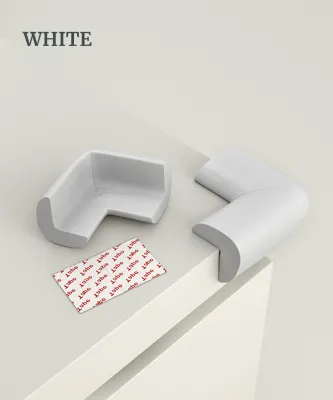
![[SG Stock] Corner Protector❤️Table Furniture Sharp Edge Safety Guard Silicone Bumper Baby Kids Children Protection](https://img.lazcdn.com/g/p/8fc33b4511e50f72e4853ee00dedbbe7.jpg_400x400q80.jpg_.webp)
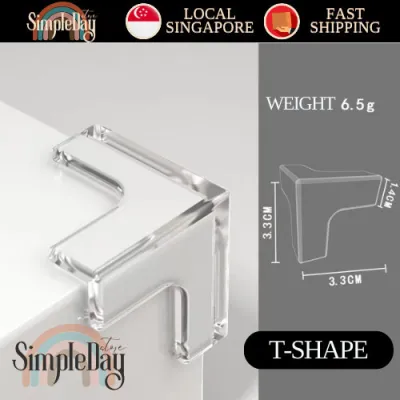
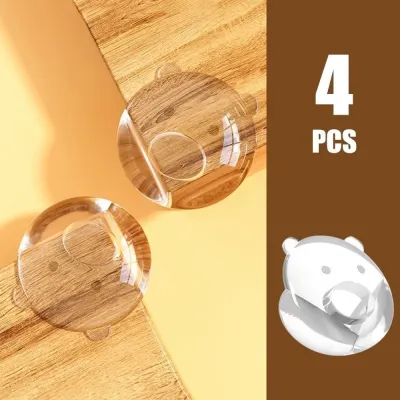
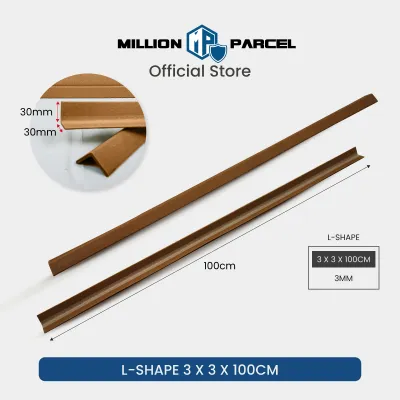
Prices are valid at publication and may change. Please refer to the product page for the latest price.
Because babies frequently explore their environment with their mouths, verifying chemical safety is non-negotiable. Look for products that explicitly state they are free from Bisphenol A (BPA), phthalates, heavy metals, and flame retardants. Since these claims are easy to print on a box, you should verify them by looking for recognized international safety standards on the packaging, such as European Union (EN 71) or American (ASTM F963) toy safety certifications. Avoid relying on vague marketing terms like “eco-friendly” or “non-toxic” without these verified testing marks.
Finally, consider the physical dimensions and flexibility of the protector. Straight, rigid edges require structured guards, while curved coffee tables or round dining sets demand highly flexible rolls that can bend without creasing. Creasing not only looks untidy but also creates tension that pulls the adhesive away from the furniture surface over time. Measuring the total linear length of the edges you need to cover before purchasing will prevent unnecessary seams, which are weak points that curious fingers can easily peel.
Matching Protector Profiles to Furniture Shapes
Selecting the right physical profile for your edge guards is essential for ensuring they stay securely attached and provide complete coverage. If the shape of the protector does not match the geometry of the furniture edge, the adhesive will experience uneven tension, leading to premature peeling and exposing sharp corners.

U-Shaped and C-Shaped Edge Guards for Tables and Shelves
U-shaped and C-shaped edge protectors are specifically designed to wrap around both the top, bottom, and face of a flat edge. This makes them highly suitable for thick dining tables, kitchen countertops, and open shelving units where a child might bump their head from underneath as well as from above. By enclosing the entire edge, these profiles offer comprehensive protection and make it much harder for a toddler to find leverage to peel the guard off.
Before purchasing a U-shaped guard, you must measure the exact thickness of your furniture edge. If the guard is too narrow, it will stretch excessively, causing the adhesive to fail and the protector to pop off. Conversely, if the guard is too wide, it will leave a loose gap underneath, allowing dust to accumulate and reducing the overall stability of the installation. Note that U-shaped profiles generally perform poorly on very thin glass shelves or heavily beveled wooden edges, as the lack of flat surface contact prevents the adhesive from bonding securely.
L-Shaped Corners and Spherical Protectors for Sharp Points
For standard 90-degree corners, L-shaped protectors are the traditional choice. These guards cover the top and side surfaces of a corner, making them ideal for square coffee tables, TV consoles, and low cabinets. When choosing L-shaped guards, it is vital to verify that the internal angle of the protector matches the actual angle of your furniture, as even a slight mismatch can prevent the adhesive from making full contact.
For highly acute or protruding corners, spherical or teardrop-shaped protectors often provide superior cushioning. These rounded designs disperse the force of an impact in all directions, minimizing the risk of serious injury. However, because these protectors have a smaller overall surface area, you must carefully check the quality of the adhesive backing. A toddler can exert surprising pulling force, and a small corner guard with insufficient adhesive can easily be pulled off and end up in a child’s mouth, presenting a serious choking hazard.
Adhesion, Material Safety, and Label Checks
The reliability of any edge protector depends heavily on the adhesive used to secure it. In Singapore’s tropical climate, high relative humidity can weaken standard adhesives, causing them to slide, lift, or melt over time. When selecting a product, check the manufacturer’s specifications to ensure the adhesive is rated for high-humidity environments and is compatible with your specific furniture material, whether it is solid wood, wood veneer, glass, or metal. Acrylic-based double-sided tapes are often preferred for their strong initial tack and resistance to moisture.
To verify non-toxic claims, do not rely solely on bold front-of-pack declarations. Turn the packaging over and look for specific testing laboratory marks, such as SGS or TÜV Rheinland certifications, which indicate the product has undergone rigorous chemical analysis. These independent tests verify that the rubber or foam does not leach harmful chemicals when exposed to saliva or sweat. If a product lacks these verifiable marks, it is best to leave it on the shelf, especially if it will be placed within reach of a teething infant.
Another common issue with synthetic rubber and PVC protectors is a strong, pungent chemical odor upon opening the packaging. This smell is often a sign of volatile organic compounds (VOCs) off-gassing from the manufacturing process. If the manufacturer’s instructions recommend an off-gassing period, place the protectors in a well-ventilated outdoor area or a balcony for a few days before installing them indoors. If the strong chemical smell persists even after several days of ventilation, avoid using the product in your child’s immediate environment.
Always read the packaging for small parts warnings and age recommendations. Some small, pre-cut corner guards are not suitable for children under a certain age or development stage because they can be easily detached. If your child is in a highly active oral stage where they chew on everything, opting for continuous roll guards rather than small individual corner pieces can significantly reduce the risk of accidental ingestion.
Installation and Damage-Free Removal Guidelines
Proper installation is the key to ensuring your edge protectors remain effective and do not ruin your furniture. Begin by thoroughly cleaning the application surface to remove all dust, grease, and wax polishes, which can severely compromise the adhesive bond. Isopropyl alcohol is highly effective for this purpose, but you must first test it on an inconspicuous area of your furniture to ensure it does not strip the paint, varnish, or delicate wood veneer. Allow the surface to dry completely before applying the protector, as any trapped moisture will prevent the adhesive from curing.
Once the surface is clean and dry, measure and cut the rubber protector to the exact length required. Apply the adhesive tape to the protector first, pressing down firmly along the entire length to eliminate air bubbles. When applying the protector to the furniture, start from one end and smooth it down gradually, applying firm, even pressure for at least thirty seconds. For the best results, allow the adhesive to cure undisturbed for 24 hours before allowing your child near the furniture, as premature pulling can permanently weaken the bond.
When the time comes to remove the edge protectors, a rushed approach can tear off wood veneer, lift paint, or leave a stubborn, sticky residue. To remove them safely, use a hair dryer on a low or medium heat setting to gently warm the adhesive, which softens the bond and makes it easier to peel away. Slowly pull the protector back at a shallow angle, applying heat continuously just ahead of the peeling point. If you encounter resistance or notice the furniture finish starting to lift, stop immediately and consult a professional furniture restorer or use a dedicated, manufacturer-approved adhesive remover.
Finally, baby-proofing is not a set-and-forget task. You must regularly inspect all installed edge protectors for signs of wear, tearing, or loosening. Singapore’s humid climate, combined with regular household cleaning and a child’s natural curiosity, will eventually degrade even the strongest adhesives. If you notice any peeling edges, cracks in the rubber, or pieces that have been bitten or torn, replace the protector immediately to maintain a safe environment for your child.
Frequently Asked Questions (FAQ)
Can I use rubber edge protectors on glass tables?
Yes, you can use rubber edge protectors on glass tables, but you must select an adhesive that is specifically formulated for non-porous glass surfaces. Standard adhesives may slide off glass easily or leave a highly visible, unsightly residue that is difficult to clean. Clear silicone or specialized acrylic tapes are often the most effective choices for glass, as they provide a strong grip without ruining the aesthetic of the table.
Before installing protectors, always check the manufacturer’s instructions for both the edge guard and your glass table. Some tempered glass tables have specific weight and impact limits, and adding heavy or bulky protectors might alter how force is distributed during an accidental bump. Additionally, ensure the glass is completely free of fingerprints and cleaning spray residues before application to guarantee a secure, long-lasting bond.
How often should I replace baby edge protectors?
There is no fixed timeline for replacing baby edge protectors, as their lifespan depends on the material quality, environmental conditions, and your child’s behavior. You should perform weekly visual and physical checks to identify signs of degradation. Look for noticeable discoloration, hardening of the rubber, cracking, or any loss of adhesive strength where the edges begin to lift from the furniture.
If your baby is teething and has started chewing or biting the edge protectors, you must inspect them daily. Any signs of bite marks, punctures, or missing fragments require immediate replacement of the guard. Chewed rubber or foam poses an immediate choking hazard, and once the structural integrity of the protector is compromised, it can no longer effectively cushion your child from sharp corners.

Community discussion
Share your experience or ask a question. Comments are reviewed before publication.