
Selecting the right rash cream for your baby in Singapore requires a careful understanding of skin physiology, environmental factors, and ingredient formulations. The combination of high year-round humidity and constant diaper wear creates a microclimate that easily traps moisture, friction, and irritants against a baby’s delicate skin. Because every infant’s skin barrier is unique, a product that works effectively for one child may cause irritation or prove insufficient for another. By categorizing your baby’s skin type, learning to decode ingredient labels, and understanding how to safely apply and source these products, you can maintain a healthy skin barrier and prevent painful flare-ups.
Identifying Your Baby's Skin Sensitivity Level
To choose an effective rash cream, you must first identify your baby’s specific skin sensitivity level. Infant skin is up to thirty percent thinner than adult skin, making it highly permeable and easily compromised. In the diaper region, this vulnerability is heightened by constant exposure to digestive enzymes, moisture, and mechanical friction from diaper edges.
Normal skin in the diaper area typically presents with occasional, mild redness that resolves quickly—often within twenty-four hours—with basic hygiene and standard protective ointments. Babies with normal skin do not react to standard baby wipes, synthetic diaper materials, or common laundry detergents. For these infants, a lightweight daily barrier cream is usually sufficient to maintain skin integrity.
Products mentioned in this guide
![Baby sebamed Diaper Rash Cream 100ml [Baebear.sg]](https://img.lazcdn.com/g/p/7fa2f19658166932b018b42dde60bbfd.png_400x400q80.png_.webp)
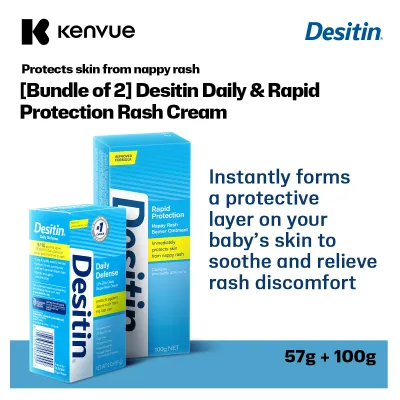
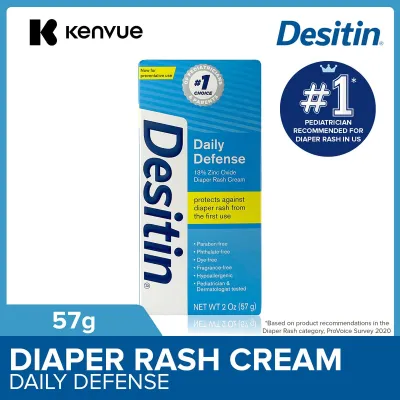
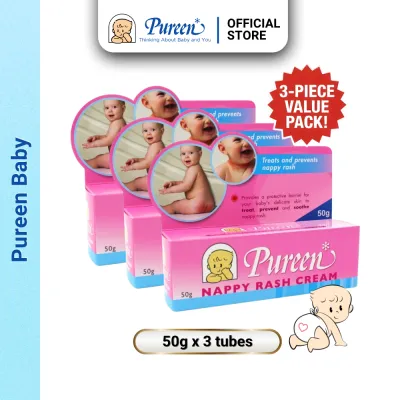
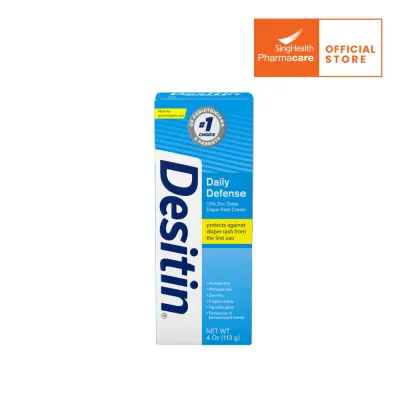
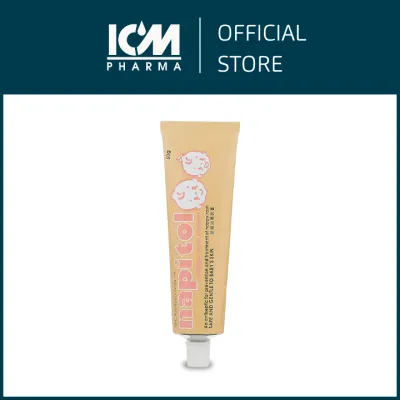
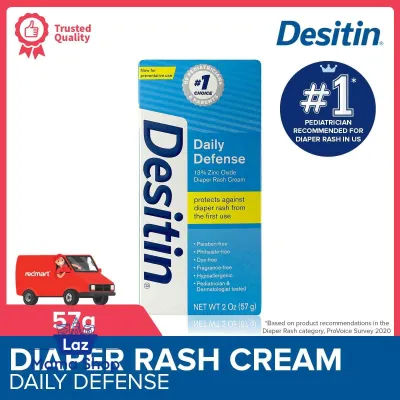
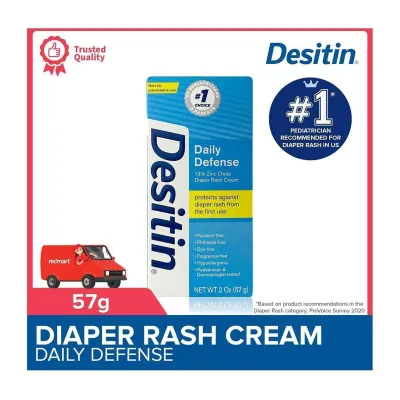
Prices are valid at publication and may change. Please refer to the product page for the latest price.
Easily irritated skin, on the other hand, reacts quickly to environmental triggers. If your baby frequently develops bright red patches after wearing a diaper slightly longer than usual, or shows immediate sensitivity to scented wipes and alcohol-containing products, their skin falls into the easily irritated category. The rash in these babies is often characterized by widespread, flat red patches that can quickly become tender to the touch if not addressed with a prompt barrier application.
Eczema-prone skin represents a more complex challenge. Eczema, or atopic dermatitis, is characterized by a genetically compromised skin barrier that struggles to retain moisture and keep out allergens. In the diaper area, eczema-prone skin often appears extremely dry, rough, scaling, or even cracked, rather than just red and moist. While the diaper area is somewhat protected from classic dry eczema due to the naturally humid environment of the diaper, flare-ups can still occur, presenting as highly inflamed, itchy, and intensely sensitive patches that react poorly to standard zinc oxide formulations.
Singapore’s tropical climate adds an extra layer of complexity to these sensitivity levels. High ambient heat and humidity can lead to sweat retention, causing heat rash to overlap with diaper rash. Distinguishing between standard diaper dermatitis and sweat-induced irritation is crucial, as heavy, occlusive creams that protect against wetness might trap sweat and worsen heat rash.
While most mild cases of diaper irritation can be managed at home, parents must know when to seek professional guidance. If the rash develops small fluid-filled blisters, deep cracks, yellow crusting, or bright red spots that spread beyond the diaper area into the thighs and abdomen, it is time to consult a pediatrician. These signs often indicate a secondary bacterial or fungal infection that requires targeted medical treatment rather than over-the-counter barrier creams.
Matching Rash Cream Ingredients to Skin Needs
Understanding the active and inactive ingredients in a rash cream allows you to select a formulation tailored to your baby’s skin type. Diaper creams generally fall into two categories: daily preventative barriers and active treatment pastes. The choice between them depends entirely on the current state of your baby’s skin and their baseline sensitivity.

Barrier ingredients serve as the primary line of defense by physically separating the skin from moisture and waste. Zinc oxide is the most common active ingredient in therapeutic rash creams. It is a mineral that provides a thick, water-resistant coating over the skin, reflecting moisture and soothing inflammation. For daily prevention, a zinc oxide concentration of ten to twelve percent is typically sufficient, while active, stubborn rashes may require concentrations up to forty percent to provide a robust, impermeable shield.
Petrolatum, or petroleum jelly, is another highly effective barrier ingredient. It forms an occlusive layer that locks in the skin’s natural moisture while preventing external wetness from penetrating. Petrolatum is highly tolerated and rarely causes allergic reactions, making it an excellent base for babies with easily irritated or dry skin. Other beneficial barrier ingredients include lanolin, which mimics the skin’s natural lipids to provide deep hydration, and plant-derived oils like sunflower seed oil, which offer natural emollient properties.
However, parents of babies with sensitive or eczema-prone skin must exercise caution with certain ingredients. Synthetic fragrances and masking scents are among the leading causes of contact allergy in infants. Even products labeled “unscented” may contain chemical masking agents to neutralize raw ingredient odors; instead, look for products explicitly certified as “fragrance-free.”
Preservatives are necessary in water-based creams to prevent bacterial growth, but some can be highly irritating. Avoid products containing parabens, formaldehyde releasers, or methylisothiazolinone. Additionally, while lanolin is highly moisturizing, it can occasionally trigger allergic reactions in babies with severely compromised skin barriers or known wool allergies. If your baby has eczema, a patch test on a small area of healthy skin is recommended before widespread application.
Reading product labels requires looking past front-of-pack marketing claims. Turn the packaging over to examine the “Active Ingredients” and “Inactive Ingredients” lists. Active ingredients are those clinically recognized to perform the primary protective function, while inactive ingredients form the vehicle, texture, and preservation system. A shorter ingredient list is generally safer for highly sensitive skin, as it minimizes the statistical likelihood of an adverse reaction.
How to Evaluate and Select a Rash Cream Brand
When navigating the wide array of rash cream brands available in Singapore, establishing a systematic evaluation framework helps ensure you purchase safe, authentic, and practical products. Parents can find these items in local retail pharmacies, department stores, and various online marketplaces.
First, look for reputable brands that emphasize independent dermatological testing. Labels such as “dermatologically tested,” “hypoallergenic,” or “pediatrician recommended” indicate that the formulation has undergone safety evaluations. However, because these terms are not universally standardized, parents should verify the manufacturer’s reputation, look for brands with transparent ingredient sourcing, and consult local healthcare professionals for trusted recommendations.
Product authenticity is a critical consideration, particularly when shopping on e-commerce platforms. The high demand for popular baby care brands has led to the emergence of parallel imports and counterfeit products. To ensure safety, purchase from official brand stores, authorized local distributors, or established physical pharmacies in Singapore. Authentic products will feature clear batch numbers, manufacturer details, and intact safety seals.
Always verify the expiration date before purchase and application. Rash creams containing active minerals like zinc oxide or natural oils can degrade over time, leading to ingredient separation, reduced efficacy, or bacterial contamination. In Singapore’s warm climate, improper storage in non-air-conditioned warehouses can accelerate this degradation, making it even more important to buy from supply chains that guarantee temperature-controlled storage.
Packaging design is another practical factor that influences hygiene and ease of use. Rash creams are commonly packaged in squeeze tubes, open tubs, or airless pump bottles. Squeeze tubes are highly recommended for daily use because they allow you to dispense the product without touching the remaining cream, minimizing the risk of introducing bacteria from your hands into the container. Open tubs, while convenient for scooping out thick pastes, require strict hand hygiene to prevent contamination. Airless pumps offer excellent hygiene but may struggle to dispense very thick, high-concentration zinc oxide pastes. Always verify the recommended age, development stage, and specific manufacturer warnings on the product packaging before use.
Safe Application and When to Seek Medical Help
Even the highest-quality rash cream will not perform effectively if applied incorrectly. Proper application technique is essential to maximize the protective barrier and support the skin’s natural healing process, especially in humid environments.
The first step is thorough, gentle cleansing. During diaper changes, clean the area using lukewarm water and a soft, reusable cotton pad or a fragrance-free, alcohol-free baby wipe. Avoid rubbing or scrubbing the skin, as mechanical friction further damages the compromised epidermal barrier. If stool is difficult to remove, apply a small amount of baby oil or petrolatum to a cotton pad to gently dissolve it.
Once clean, the skin must be allowed to dry completely before any cream is applied. Applying barrier cream over damp skin traps moisture against the epidermis, which can worsen irritation and create an ideal environment for fungal growth. In Singapore’s humid climate, air-drying for a few minutes is highly beneficial. You can gently pat the area dry with a clean, dry towel, but never use a hair dryer, as the heat can easily burn delicate infant skin.
When applying the cream, match the thickness to the severity of the irritation. For daily prevention, a thin, transparent layer of ointment or cream is sufficient to provide basic protection. However, if an active red rash is present, apply a thick, visible layer of zinc oxide paste—similar to frosting a cake. This thick layer ensures that urine and feces cannot penetrate to touch the inflamed skin. Avoid wiping off the entire layer of cream during wet-only diaper changes; instead, gently clean the surface and apply a fresh layer on top to minimize friction.
Caregivers must monitor the rash closely and recognize when home care is no longer sufficient. Stop using any product immediately if you notice signs of an allergic reaction, such as localized swelling, hives, or a worsening of redness immediately after application.
Consult a healthcare professional or pediatrician if the diaper rash does not show signs of improvement after three days of consistent care, or if it worsens rapidly. Red flags that require prompt medical evaluation include the appearance of pus-filled bumps, open sores, bleeding, a bright red rash with distinct satellite spots (which typically indicates a yeast infection), or if the baby develops a fever or seems unusually distressed. These conditions require prescription antifungal or antibacterial treatments that standard over-the-counter rash creams cannot provide.
Frequently Asked Questions (FAQ)
Can I use the same rash cream for the diaper area and the face?
It is generally not recommended to use heavy diaper rash creams on an infant’s face. The skin on a baby’s face is much thinner and has a different density of sebaceous glands compared to the diaper area. Thick barrier creams, especially those with high concentrations of zinc oxide, petrolatum, or heavy oils, can clog facial pores and lead to localized breakouts or heat rash. Additionally, facial skin is highly sensitive to the thick, occlusive formulations designed to withstand urine and friction. For facial dryness or drool rash, look for lightweight, non-comedogenic moisturizers specifically formulated for infant facial care.
How long should I wait to see results from a new rash cream?
When starting a new rash cream, you should typically observe signs of improvement within twenty-four to forty-eight hours of consistent, proper application. Initial signs of recovery include a reduction in the intensity of the redness, a flattening of raised bumps, and a decrease in the baby’s discomfort during diaper changes. If the rash shows no improvement after three days, or if it continues to spread and intensify despite regular application, discontinue use. This lack of progress may indicate that the formulation is not suited to your baby’s skin sensitivity, or that the rash is fungal or bacterial in nature, requiring a professional medical diagnosis.

Community discussion
Share your experience or ask a question. Comments are reviewed before publication.