
Choosing the right QV Baby cream variant depends on identifying your baby’s specific skin concern—whether it is daily dryness, nappy area irritation, or highly sensitive, flare-up prone skin. By matching the observed skin condition with the specific formulation on the product label, parents can support their baby’s delicate skin barrier effectively.
Infant skin is significantly thinner and more fragile than adult skin, making it highly susceptible to environmental changes and external irritants. In Singapore, the tropical climate presents a unique challenge for infant skincare. The high outdoor humidity can lead to sweating and heat rash, while the dry, cool air of indoor air-conditioned spaces can rapidly strip moisture from your baby’s skin. This constant transition between different environments makes a structured, targeted moisturising routine essential for maintaining healthy skin.
The QV Baby range is a popular choice among parents looking for gentle, dermatologically tested options to care for their little ones. However, because different variants are formulated to address distinct skin issues, using the wrong product may not provide the relief your baby needs. Understanding how to evaluate your baby’s skin and match it to the correct formulation is the key to achieving the best results.
Products mentioned in this guide


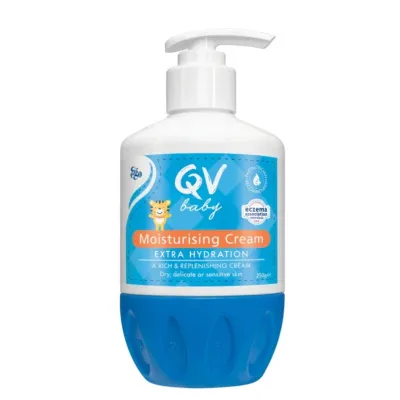

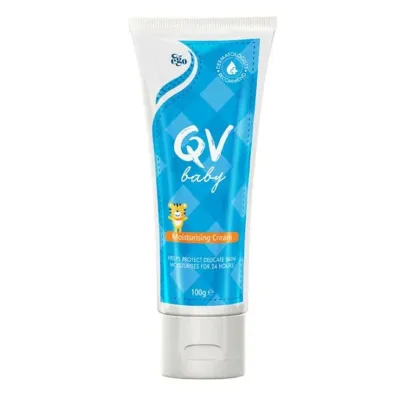
![[Dermaceutica] Ego QV Baby Moist Cream 100g [LOCAL SG DELIVERY]](https://img.lazcdn.com/g/p/1901e1ddd0fedad5017d3066d6646a18.png_400x400q80.png_.webp)
Prices are valid at publication and may change. Please refer to the product page for the latest price.
Selecting the right skincare product can also prevent minor issues from escalating into more severe conditions. By establishing a consistent routine with the appropriate variant, you can help maintain your baby’s skin comfort, support their sleep quality, and reduce the need for corrective treatments.
Identifying Your Baby's Specific Skin Concern
Before selecting a product, it is important to carefully observe and categorize your baby’s current skin condition. Caregivers should perform regular skin checks, ideally during bath time or nappy changes, to identify any changes in texture, colour, or moisture levels.
General dryness typically presents as rough, slightly flaky patches on the limbs, torso, or cheeks. This condition is often exacerbated by environmental factors, such as prolonged exposure to air conditioning, or lifestyle habits like bathing in water that is too warm. When you run your fingers over your baby’s skin, dry areas will feel less smooth and may appear dull or slightly ash-coloured.
Irritation in the nappy area is characterized by redness, warmth, or mild swelling confined strictly to the skin covered by the nappy. This is usually caused by the physical friction of the nappy rubbing against the skin, combined with prolonged exposure to the moisture and acidity of urine and stool. The redness can range from a light pink blush to bright red patches, depending on the severity of the irritation.
Localized redness, intense itching, or dry patches that flare up repeatedly may indicate eczema-prone skin or a compromised skin barrier. These areas often require a more intensive, targeted approach to soothe discomfort and prevent further moisture loss. You may notice your baby rubbing the affected areas against bedding or clothing in an attempt to scratch the itch.
While home care is highly effective for mild skin issues, caregivers must know when to stop using cosmetic creams and seek professional medical advice. If you observe broken skin, bleeding, weeping sores, pus, or a severe rash that does not improve within a few days, consult a paediatrician or healthcare professional immediately. These symptoms may indicate a secondary bacterial or fungal infection that requires prescription medical treatment.
Matching QV Baby Cream Variants to Skin Needs
The QV Baby range offers several distinct formulations designed to address different levels of skin sensitivity and moisture needs. Selecting the correct variant requires carefully reading the product label to verify that the formulation matches your baby’s current skin condition.

These products are designed for daily skincare, hydration, and barrier protection; they are not medical treatments for diagnosed dermatological conditions. Always check the packaging for specific age recommendations, usage instructions, and ingredient lists to ensure compatibility with your baby’s skin.
For Daily Hydration and Mild Dryness
For babies experiencing mild dryness or those requiring daily skin maintenance, a standard moisturising cream is typically the primary choice. This variant is formulated for general, all-over body application, helping to support the skin’s natural protective barrier.
Daily moisturising helps maintain the skin’s elasticity and prevents micro-tears that can allow environmental irritants to enter. By keeping the skin hydrated, you help reinforce its natural defense mechanisms against daily wear and tear.
The best time to apply this cream is immediately after a bath. Pat the baby’s skin gently with a soft towel, leaving it slightly damp, and then apply the cream. This helps lock in the surface moisture before it evaporates into the dry indoor air.
When choosing a daily moisturiser, always check the label to confirm it is fragrance-free, colour-free, and lanolin-free. Fragrances are a common trigger for skin irritation in infants, so avoiding them is key to maintaining a healthy skin barrier.
For Nappy Rash and Moisture Protection
The skin in the nappy area is subject to a harsh microclimate. The combination of warmth, moisture, and friction can quickly break down the skin barrier, leading to discomfort and redness.
A barrier cream acts as a physical shield. It contains protective ingredients that repel water, preventing urine and faeces from coming into direct contact with the delicate skin while still allowing the skin to breathe.
For the barrier cream to work effectively, the skin must be completely clean and dry before application. Applying cream over damp skin can trap moisture underneath, creating an environment ripe for irritation or fungal growth.
Caregivers should apply a thin, even layer of the barrier cream at every nappy change, especially before bedtime when the baby will wear the nappy for a longer duration. This routine must be paired with frequent nappy changes to keep the area as dry as possible.
For Eczema-Prone Skin and Flare-Ups
When a baby’s skin is extremely dry, rough, or prone to itchy flare-ups, a standard moisturiser may not provide sufficient support. For these concerns, a highly emollient variant formulated specifically for extra dry or eczema-prone skin is recommended for targeted application.
Eczema-prone skin has a severely compromised barrier that allows moisture to escape rapidly and irritants to penetrate easily. This leads to intense dryness, itching, and red flare-ups that can disrupt your baby’s daily comfort and sleep.
This type of cream is designed to provide intensive hydration to compromised areas, helping to soothe dryness and support skin barrier recovery. Caregivers should apply this cream directly to the affected patches as directed by the product packaging or a healthcare provider.
If the skin barrier appears broken, or if the flare-up does not show signs of improvement after consistent application, it is essential to consult a paediatrician or dermatologist for a proper assessment and potential medical treatment.
Application Tips and Safety Checks
Before introducing any new skincare product to your baby’s routine, performing a simple patch test is a crucial safety step. Apply a small, pea-sized amount of the cream to a clean patch of skin on the baby’s inner arm or thigh, and monitor the area for 24 hours.
If any redness, swelling, itching, or irritation occurs during this period, wash the area gently with water and do not proceed with full application. This simple precaution helps prevent widespread adverse reactions on your baby’s body.
Always check the expiry date printed on the packaging before use, as expired products may lose their efficacy or undergo chemical changes that irritate sensitive skin. Using fresh products ensures that the active ingredients perform as intended.
Store the cream exactly as directed on the label, typically in a cool, dry place away from direct sunlight, to preserve the stability of the formulation. In Singapore’s tropical climate, storing products in a hot room or near a window can cause the emulsion to separate or degrade.
Discontinue use immediately and seek medical advice if your baby shows signs of an allergic reaction, such as hives, sudden swelling, or if the existing skin irritation worsens significantly after application.
Frequently Asked Questions (FAQ)
Can I use QV Baby Barrier Cream on the face?
Always refer to the specific product label for exact usage instructions and approved application areas. Barrier creams are typically thicker, heavier formulations designed specifically to shield the nappy area from moisture and friction. The delicate skin on a baby’s face is more prone to clogged pores and may respond better to a lighter, daily moisturising cream formulated specifically for facial use.
How often should I apply moisturiser to my baby's skin?
It is generally recommended to apply moisturiser immediately after bathing to lock in moisture, as well as whenever the skin feels dry to the touch. In Singapore, where air conditioning is frequently used indoors, the air can become very dry, accelerating moisture loss from your baby’s skin. Adjust the frequency of application based on your baby’s individual skin response and changes in their environment.
Are QV Baby creams suitable for newborns?
To determine if a specific cream is suitable for a newborn, always check the manufacturer’s age recommendations and warnings printed on the product packaging. A newborn’s skin barrier is exceptionally delicate and still developing during the first few weeks of life. It is highly recommended to consult a midwife, paediatrician, or healthcare professional before introducing any new skincare products to a newborn’s delicate skin.
Community discussion
Share your experience or ask a question. Comments are reviewed before publication.