
Welcoming a new baby brings immense joy, but the physical toll of childbirth requires deliberate, structured recovery. A postpartum binder—often referred to as an abdominal wrap or support belt—serves as a valuable tool to help stabilize your core, support weakened muscles, and ease lower back strain during the initial weeks of recovery. Choosing the right binder in Singapore requires balancing your specific delivery type, your daily activity level, and the challenges of a warm, humid climate. By focusing on adjustable compression, breathable materials, and proper fit, you can find a garment that safely aids your transition back to daily mobility.
Your recovery journey is highly personal, and there is no single binder that suits every individual. The ideal choice depends heavily on whether you underwent a vaginal delivery or a Cesarean section, as each path places different demands on your abdominal wall and pelvic floor. Additionally, the constant heat and humidity in Singapore mean that fabric selection is just as critical as structural support to prevent skin irritation and wound complications. Understanding these factors before making a purchase ensures you select a supportive garment that promotes healing rather than causing discomfort.
Understanding Your Recovery Needs by Delivery Type
The physical impact of childbirth varies significantly depending on your delivery method, which directly dictates the type of support your body requires. For those who have had a Cesarean delivery, the primary concern is protecting the surgical incision while providing gentle abdominal support. A C-section involves cutting through multiple layers of tissue, leaving a sensitive wound that requires stabilization to minimize pain during movement, coughing, or sneezing. A suitable binder for C-section recovery must offer soft, non-abrasive coverage over the lower abdomen, ensuring that closures do not rub against or irritate the healing incision.
Products mentioned in this guide
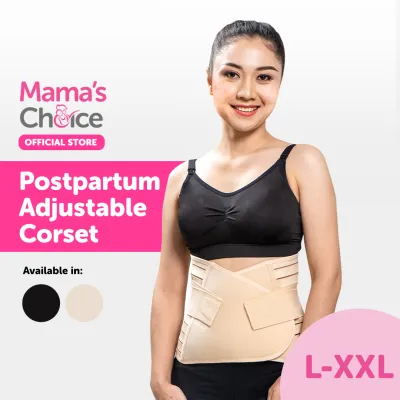
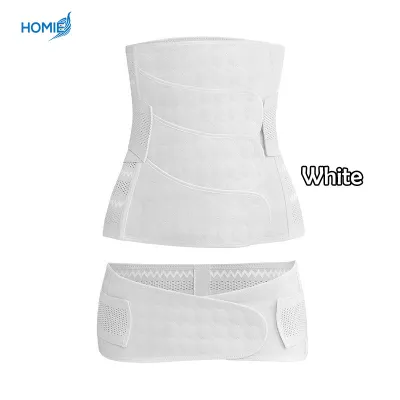
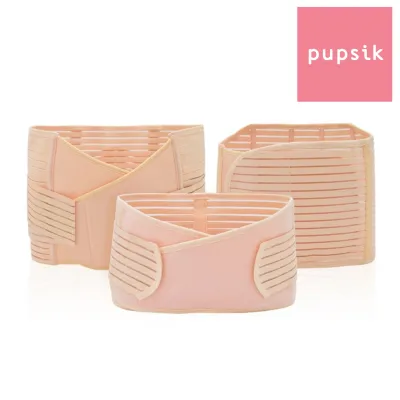
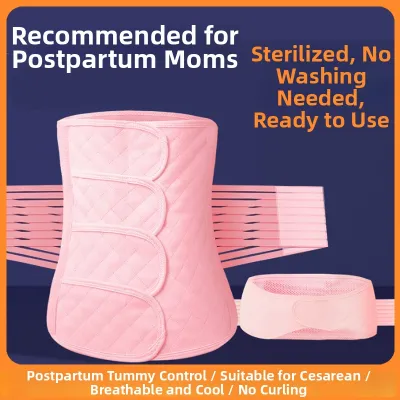
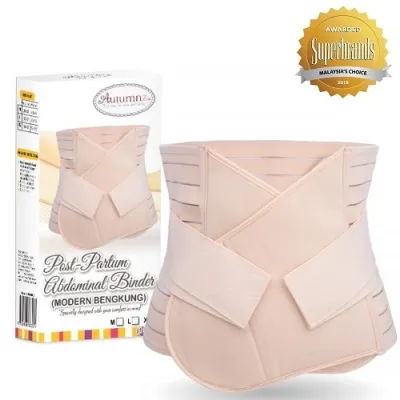
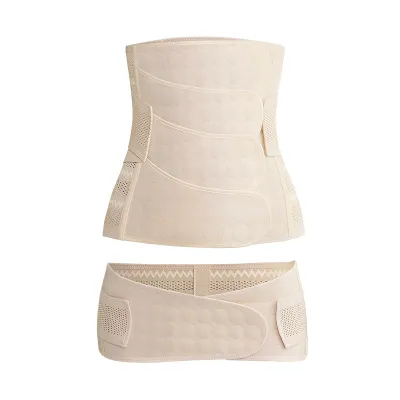
Prices are valid at publication and may change. Please refer to the product page for the latest price.
In contrast, recovery after a vaginal delivery focuses primarily on core stabilization and pelvic floor rehabilitation. During pregnancy, the abdominal muscles stretch significantly, often leading to diastasis recti, a separation of the left and right abdominal muscles. A postpartum binder helps gently pull these muscles back together, providing external feedback that makes it easier to engage your deep core. However, because vaginal delivery places immense pressure on the pelvic floor, excessive or downward compression from an improperly fitted binder can worsen pelvic floor dysfunction. For vaginal recovery, the binder should provide upward and inward support rather than pushing downward on the pelvic organs.
Before wrapping your abdomen, it is essential to look for observable signs that your body is ready for gentle compression. Generally, you should wait until immediate postpartum swelling begins to subside and you can stand comfortably without severe, sharp pain. For vaginal deliveries, some mothers start using light support within the first few days, while C-section mothers often wait until their surgical dressings are removed and the incision is dry and closed. Always monitor your body’s response; if applying the binder causes an increase in pelvic pressure, localized pain, or discomfort, it is a clear sign to loosen the garment or delay its use.
While postpartum binders offer excellent structural assistance, they are not suitable for everyone, and certain conditions require a direct consultation with your obstetrician or healthcare provider. If you experienced pre-eclampsia, severe high blood pressure during pregnancy, or have active cardiovascular issues, sudden abdominal compression can affect blood circulation and must be avoided until cleared by a doctor. Furthermore, if you notice any signs of wound infection, such as redness, warmth, oozing, or an unusual odor around your C-section incision, do not use a binder. Always seek professional medical clearance if you have a history of pelvic organ prolapse or severe pelvic floor weakness, as improper binding can exacerbate these conditions.
Key Features to Evaluate in a Postpartum Binder
When comparing postpartum binders online or in local maternity boutiques, evaluating the closure mechanism is your first step toward finding a functional garment. Hook-and-eye closures offer a highly secure fit but can be difficult to adjust independently, especially during the early weeks when your abdominal size changes rapidly. Adjustable Velcro closures are highly popular because they allow you to easily customize the level of compression throughout the day as your swelling fluctuates. However, low-quality Velcro can be stiff, noisy, and prone to catching on delicate clothing. Pull-on styles offer a smooth, seamless silhouette under outfits but lack the customizable tightness needed for targeted, stage-by-stage recovery.

In Singapore’s tropical climate, material breathability and skin sensitivity are paramount considerations for any wearable recovery gear. Wearing a thick, non-breathable elastic band in high humidity quickly traps sweat and heat against your skin, creating an ideal environment for bacterial growth, heat rashes, and wound maceration. Look for binders constructed from lightweight mesh, perforated elastic, or natural fiber blends such as bamboo and organic cotton. These materials facilitate airflow and wick moisture away from the skin, which is especially critical for protecting a healing C-section incision from sweat-induced irritation. Avoid garments with exposed synthetic seams or harsh plastic boning that can dig into sensitive skin when sitting or bending.
Sizing is another critical factor that requires careful measurement rather than guesswork. A common mistake is purchasing a binder based on your pre-pregnancy clothing size or your size during the third trimester. Your postpartum body is in a state of rapid transition, and a binder that is too small will exert dangerous downward pressure on your pelvic floor, while one that is too large will fail to provide adequate support. To find an accurate fit, use a flexible measuring tape to measure the widest part of your hips and the fullest part of your abdomen a few days after delivery, or consult the manufacturer’s sizing chart which often correlates postpartum measurements with late-pregnancy weight. Many high-quality binders feature multi-paneled designs or secondary tension straps, allowing you to tighten or loosen specific zones as your torso gradually returns to its baseline shape. While prices can range from S$30 to over S$150 depending on the brand and material complexity, focusing on fabric quality and adjustability is far more important than a high price tag.
Building Your Shortlist: Matching Binder Styles to Your Goals
To narrow down your options, it helps to match specific binder styles to your daily routine, mobility needs, and current stage of recovery. Wrap-style belts are highly versatile and are often the preferred choice for the immediate postpartum period. These wraps typically consist of one wide band or three interconnected bands that wrap around the pelvis, waist, and upper abdomen. This design allows you to adjust the compression level on each section independently, making it easy to loosen the upper abdomen while keeping the lower pelvis firmly supported. Wrap-style belts are exceptionally convenient for early-stage C-section support because they can be positioned to avoid direct pressure on the incision while still stabilizing the surrounding abdominal wall, and they can be easily removed or adjusted before using the bathroom.
For mothers seeking a more discreet option that fits seamlessly under everyday clothing, pull-on compression shorts or high-waisted briefs are an excellent alternative. These garments function similarly to shapewear but are specifically engineered with medical-grade, targeted compression zones that support the lower abdomen, hips, and pelvic floor. High-waisted briefs are particularly beneficial during mid-stage recovery when you begin to increase your daily physical activity, such as taking short walks or running errands. Because they cover the entire pelvic girdle, they provide balanced, upward support that helps alleviate pelvic pressure and lower back pain without the bulkiness of a wrap-style belt. However, because they must be pulled up and down, they may not be suitable for the first week following a C-section when bending and pulling garments over a fresh incision can be painful.
As you progress further into your recovery journey and your incisions have fully healed, you might consider full-torso shapewear or structured corsets for comprehensive back and abdominal support. These garments extend from just below the bust line down to the hips, offering a highly structured fit that helps improve posture during long periods of sitting, such as when nursing or pumping. Full-torso support is highly valued by mothers experiencing persistent lower back pain or postural misalignment due to weakened core muscles. It is important to remember that these highly structured garments should only be introduced once your healthcare provider confirms that your deep tissues have healed sufficiently, as the rigid boning and high compression can restrict natural muscle engagement if used too early or for too long.
Safe Usage, Care, and Warning Signs
Using a postpartum binder safely requires a clear understanding of daily wear limits and the physical necessity of muscle activation. While a binder provides excellent external support, relying on it continuously can prevent your deep core muscles—such as the transversus abdominis—from doing their natural job, potentially leading to long-term muscle weakness. As a general guideline, limit your wear time to a few hours at a time, totaling no more than eight to twelve hours per day, and always remove the binder when resting or lying down. This practice ensures that your skin has time to breathe, circulation remains unrestricted, and your core muscles are gently forced to engage and rebuild their natural strength during daily movements.
Proper hygiene and care of your binder are essential to protect your skin and maintain the structural integrity of the garment. Given Singapore’s humid weather, you will likely need to wash your binder frequently to remove sweat, oils, and dead skin cells. Always check the manufacturer’s care label, but as a rule, hand washing your binder in cool water with a mild, hypoallergenic detergent is the best way to preserve the elasticity of the fabric and the grip of the Velcro. Avoid using fabric softeners, as they can coat the fibers and reduce the material’s breathability and moisture-wicking capabilities. To dry, lay the binder flat in a well-ventilated indoor area or in gentle shade; avoid direct, intense sunlight or tumble dryers, as high heat can warp elastic fibers and melt plastic closures.
While wearing a postpartum binder, you must remain highly sensitive to your body’s feedback and watch for specific warning signs that indicate you should stop using the garment immediately. If you experience an increase in pelvic pressure, a feeling of heaviness in your lower pelvis, or urinary incontinence, the binder is likely too tight or pushing downward inappropriately. Other red flags include restricted or shallow breathing, digestive discomfort such as acid reflux or severe bloating, and localized skin irritation, redness, or chafing. For C-section mothers, any signs of incision irritation, increased pain at the wound site, or moisture accumulation around the scar require immediate removal of the binder and a prompt consultation with your doctor to prevent wound complications.
Frequently Asked Questions (FAQ)
Can I wear a postpartum binder while sleeping?
It is generally not recommended to wear a postpartum binder while sleeping. When you lie down, gravity no longer exerts the same downward pressure on your organs and spine, reducing the physical need for external support. Sleeping in a compression garment can restrict your breathing, impede natural blood circulation, and trap sweat against your skin for extended periods, increasing the risk of skin irritation or infection. Always check the specific product label and manufacturer instructions, as some lightweight, seamless bands are designed for overnight wear, but most structured binders should be removed before bed to allow your body to rest and recover naturally.
How long postpartum should I continue wearing a binder?
The duration of binder usage varies widely depending on your individual recovery milestones, delivery type, and the return of your natural core strength. Many mothers find the greatest benefit from wearing a binder during the first six to eight weeks postpartum, which aligns with the initial tissue healing phase. As your deep abdominal and pelvic floor muscles begin to regain their strength through gentle rehabilitation exercises, you should gradually reduce the amount of time you spend wearing the binder each day. Rather than adhering to a strict calendar timeline, focus on how your body feels and consult your healthcare provider to determine when you are ready to transition away from external support.
Will a binder help me lose postpartum belly fat?
It is important to understand that a postpartum binder does not directly burn fat, reduce weight, or permanently flatten your stomach. The primary function of a binder is mechanical: it provides structural support to weakened muscles, stabilizes your pelvis, and helps reduce temporary postpartum swelling and fluid retention. While wearing a binder can temporarily create a smoother, flatter silhouette under clothing, actual fat loss and long-term muscle recovery require a combination of balanced nutrition, gradual physical activity, and targeted core rehabilitation exercises. Relying solely on compression without active muscle engagement will not lead to lasting physical recovery or fat reduction.
Community discussion
Share your experience or ask a question. Comments are reviewed before publication.