
Potty training is a major developmental milestone that represents a significant step toward independence for your toddler. However, transitioning away from diapers can introduce unexpected hurdles, especially when you venture outside the comfort of your home. Navigating crowded shopping malls along Orchard Road, enjoying a sunny afternoon at East Coast Park, or embarking on a family road trip can quickly turn stressful when your child suddenly announces they need to go. Public restrooms can be intimidating, unhygienic, or simply too far away when a toddler has only seconds to spare.
A reliable portable potty for kids serves as an essential tool during this transition, offering a familiar and hygienic alternative to public facilities. By providing a consistent bathroom experience across different environments, a travel potty helps minimize the anxiety and resistance that often lead to potty training setbacks. Choosing the right model requires balancing convenience for parents with physical comfort and safety for the child.
The Role of a Portable Potty in Successful Potty Training
Consistency is one of the most critical factors in successful toilet training. Toddlers rely heavily on routine and predictable environments to feel secure. When they are suddenly forced to use large, noisy public toilets with automatic flushes and high seats, the sensory overload can cause them to hold their urine or stool. This avoidance behavior can lead to painful constipation, physical discomfort, and a sudden regression in their training progress.
Products mentioned in this guide
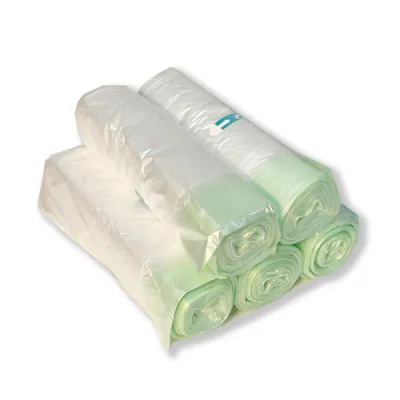
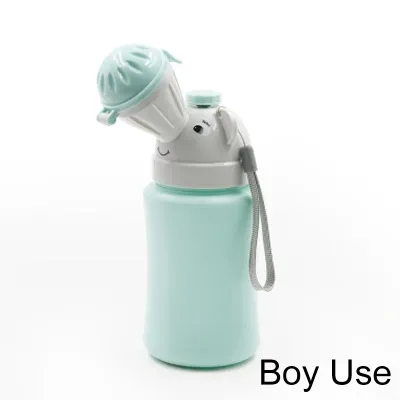
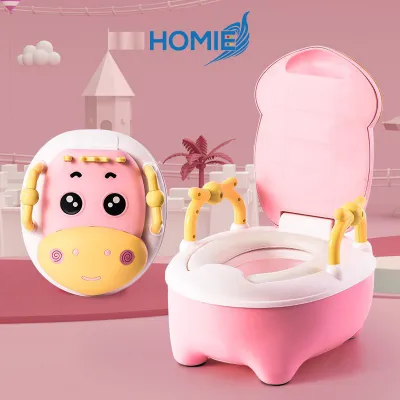
![[SG Stock] Baby Foldable Travel Potty Seat Kids Fodling Toilet Training Seat 12M+](https://img.lazcdn.com/g/p/b7242f67fbb9b3f1ec1e2753750fe534.jpg_400x400q80.jpg_.webp)
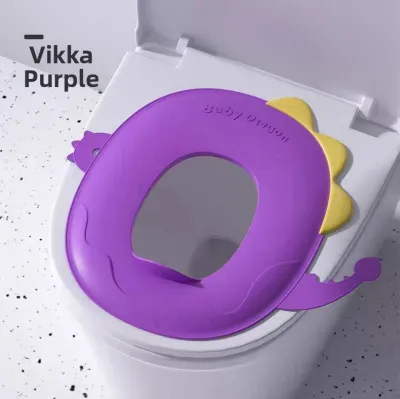
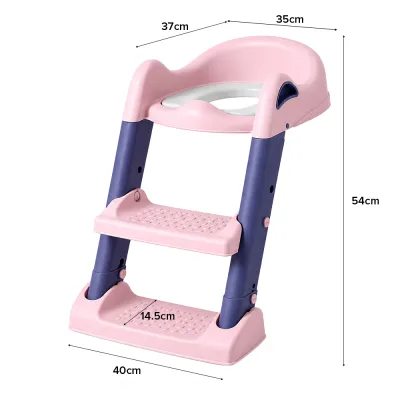
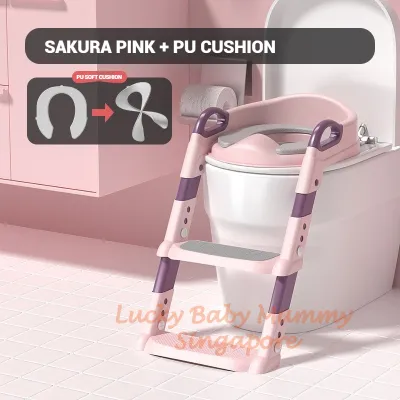
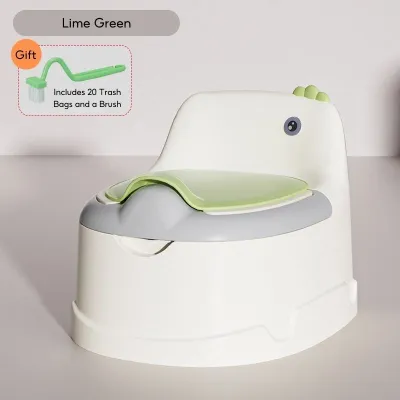
Prices are valid at publication and may change. Please refer to the product page for the latest price.
A portable potty addresses these challenges by bringing a piece of your home routine wherever you go. Whether it is placed in the boot of your car, tucked under a stroller, or set up in a quiet corner of a park, it offers your child a secure and appropriately sized seat. This familiarity reinforces their training habits and helps them build confidence, knowing they always have a safe space to respond to their bodily cues. For parents, it eliminates the frantic search for a public toilet, turning potentially stressful outings into relaxed, manageable family adventures.
5 Essential Features to Evaluate in a Portable Potty
When shopping for a portable potty, it is easy to get overwhelmed by the variety of designs available on online marketplaces. To find a model that truly fits your lifestyle, you must look beyond aesthetic appeal and closely evaluate the technical specifications and build quality of each option.

Portability, Weight, and Foldability
The primary value of a travel potty lies in its portability, which means you must carefully inspect its physical dimensions and weight before making a purchase. A model that is too bulky to fit into your standard diaper bag or stroller basket will likely be left at home, defeating its purpose. Look for potties that fold flat or collapse into a compact shape, making them easy to carry on public transit or store in a tight car boot.
Weight is another crucial factor, especially if you plan to carry the potty while managing a stroller, a diaper bag, and a toddler. Opt for lightweight yet durable plastics that do not add unnecessary bulk to your gear. Additionally, evaluate the folding mechanism itself; in high-pressure situations, you want a potty that can be unfolded and locked into place quickly, ideally with one hand, while you support your child with the other.
Leak-Proof Mechanisms and Splash Guards
Managing waste on the go is one of the most daunting aspects of outdoor potty training, making leak-proof designs essential. If you choose a model with a reusable inner bowl, ensure it features a highly secure, locking lid with a silicone or rubber gasket seal. This prevents accidental spills and contains odors if you must transport the waste to a proper disposal point.
For parents of boys, an integrated splash guard is a vital feature to prevent urine from spraying over the front of the potty. Look for a guard that is high enough to be effective but contoured so it does not interfere with your child’s comfort when they sit down. Furthermore, check for a high backrest and seamless inner bowl construction, as crevices and joints can trap liquids, making them difficult to sanitize thoroughly on the go.
Hassle-Free Cleaning and Liner Compatibility
A portable potty must be easy to clean, or it will quickly become a source of hygiene frustration. Models generally fall into two categories: those with removable inner bowls and those with unified, wipe-clean designs. Removable bowls allow you to lift the container out, empty it into a standard toilet, and rinse it quickly. However, this requires access to a sink or water source, which may not always be available.
To handle situations with zero plumbing, verify whether the potty is compatible with disposable liners or absorbent bags. These liners fit over the seat, collect the waste, and often contain an absorbent pad that solidifies liquid to prevent splashes. Ensure the potty can accommodate standard, cost-effective third-party liners rather than forcing you to buy expensive, proprietary brand refills, which can significantly increase your long-term expenses.
Stability and Non-Slip Safety
A toddler who feels unstable on a potty will quickly lose confidence and may refuse to use it altogether. Therefore, physical stability is paramount. Inspect the base of the potty for rubberized non-slip feet or grips that prevent the unit from sliding on smooth surfaces, such as public restroom tiles, polished mall floors, or car floorboards.
Equally important is the structural integrity of the hinges and locking joints. When a potty is unfolded, the locking mechanisms must snap securely into place to ensure the unit does not collapse under your child’s shifting weight. Before your first outing, set up the potty on a flat surface and apply downward pressure to verify that the legs are locked solid and do not wobble.
Ergonomic Comfort for Toddlers
An uncomfortable seat can derail your potty training efforts. Toddlers need to feel physically supported to relax their pelvic floor muscles and eliminate successfully. Look for a seat with gentle contouring that supports the natural curve of a child’s thighs and buttocks. The seat height should allow your child’s feet to rest flat on the ground, which is the optimal anatomical position for bowel movements.
Because children grow rapidly, always check the manufacturer’s stated age, height, and weight limits before buying. A potty that is too small will cause discomfort, while one that is too large may make your child feel like they are falling in, triggering anxiety. If possible, let your child test the potty at home first to ensure they feel secure and comfortable on the seat.
Matching Potty Styles to Your Travel and Daily Needs
Different families have different travel habits, and the best portable potty for your household depends heavily on how and where you plan to use it. Understanding the strengths and limitations of each style will help you make a practical choice.
Foldable Travel Potties for On-the-Go
Foldable travel potties are designed specifically for maximum portability and quick deployment. These models typically feature legs that fold flat against the seat, transforming the potty into a slim disc that slides easily into a backpack or a stroller’s lower compartment. They are highly favored by parents who rely on public transport, walk frequently, or enjoy day trips to places where public facilities are sparse.
The main trade-off with these ultra-compact models is their reliance on disposable liners. Because they lack a deep, rigid plastic bowl, they must be lined with a bag before use. While this makes cleanup incredibly fast and water-free, it means you must always carry a supply of liners with you. Additionally, some toddlers who are accustomed to a solid, high-backed potty at home may initially find the minimalist frame of a folding travel potty less secure.
Bag-Lined Potties for Quick Disposal
Bag-lined potties are specialized units built for outdoor adventures, long road trips, and situations where plumbing is completely unavailable. These potties often feature a sturdy, box-like structure with a built-in compartment for storing spare bags. When nature calls, you simply pull a liner over the seat, let your child use it, tie the bag, and dispose of it in a rubbish bin.
This style is exceptionally convenient for beach days, camping trips, or playground visits, as it completely eliminates the need to carry wet waste or search for a sink. However, parents should consider the ongoing cost and environmental impact of using disposable plastic liners. To mitigate this, look for biodegradable liner options, and ensure the potty’s design allows you to use standard, eco-friendly bags if desired.
Convertible Potties for Home and Travel
For parents seeking maximum versatility and long-term value, convertible potties are an excellent option. These 3-in-1 designs are engineered to grow with your child, functioning as a standalone floor potty during the early stages of training, transitioning into a toilet seat reducer that fits over adult toilets, and eventually serving as a sturdy step stool to help your child reach the sink.
The primary benefit of a convertible model is the seamless transition it offers; your child uses the exact same seat contour at home and on the road, which dramatically reduces training anxiety. The downside, however, is their physical footprint. Convertible potties are significantly bulkier and heavier than dedicated travel potties, making them impractical for carrying on foot. They are best suited for families who travel primarily by car and can keep the unit in the boot.
Safety, Material, and Hygiene Checks Before You Buy
Before finalizing your purchase on any ecommerce platform, it is essential to perform a thorough quality and safety check. Because your child’s bare skin will be in direct contact with the potty, you must verify that the materials used are completely safe. Look for product labels and manufacturer specifications confirming that the plastic is BPA-free, phthalate-free, and lead-free. Avoid products with strong chemical odors upon unboxing, as this can indicate the use of low-grade plastics or adhesives.
Physical safety is equally critical, especially regarding moving parts. Carefully inspect the hinges, folding joints, and latches to ensure there are no sharp edges or pinch points that could catch your child’s delicate skin or fingers during setup or use. Always verify the maximum weight capacity specified by the manufacturer; using a potty beyond its weight limit can cause the plastic to warp, crack, or collapse unexpectedly.
Finally, establish a strict hygiene routine to preserve the integrity of the materials and prevent the growth of harmful bacteria. Always refer to the manufacturer’s care instructions before using chemical disinfectants, as harsh cleaners like bleach or alcohol can degrade certain plastics, making them brittle over time. For general maintenance, a mild soap and warm water solution is typically recommended, followed by complete air-drying before folding and storing the unit.
A Practical Selection Checklist for Parents
To help you narrow down your choices and make a confident decision, use this practical checklist before adding a portable potty to your cart:
- Determine Primary Use: Will you primarily use the potty in the boot of your car, on public transport, or during outdoor activities like park visits?
- Measure Storage Space: Check the folded dimensions of the potty to ensure it fits comfortably inside your diaper bag, stroller basket, or car glove compartment.
- Verify Weight Capacity: Compare your child's current weight and height against the manufacturer's specifications to ensure a safe, ergonomic fit.
- Evaluate Cleaning Preferences: Decide if you prefer a reusable, washable inner bowl (requires water access) or a bag-lined system (requires ongoing liner purchases).
- Check Safety Features: Ensure the model features rubberized non-slip feet and secure locking mechanisms that prevent accidental folding.
- Assess Comfort Elements: Look for a contoured seat, a supportive backrest, and an effective splash guard to minimize messes and encourage your child to sit.
Frequently Asked Questions (FAQ)
At what age should I introduce a portable potty?
Introducing a portable potty depends on your child’s individual developmental readiness rather than a specific chronological age. While many children show interest in potty training between 18 and 30 months, physical and behavioral cues are the best indicators. Look for signs such as staying dry for two hours or more, communicating the need to go through words or gestures, following simple instructions, and showing discomfort with wet diapers. Introducing the portable potty early in the process—even just having it around the house—helps your child become familiar with it before you use it outdoors.
Can I use regular trash bags as potty liners?
While standard plastic trash bags can be used in an absolute emergency, they are not recommended for regular use as potty liners. Standard trash bags lack an absorbent pad, meaning liquid waste will remain free-flowing inside the bag. This significantly increases the risk of leaks, spills, and splashes when you attempt to tie and dispose of the bag. Furthermore, standard bags do not neutralize odors, which can make storing a soiled bag in your car or stroller highly unpleasant. Purpose-made potty liners feature super-absorbent pads that quickly turn liquid into a gel, ensuring a clean and odor-free disposal process.
How do I clean and sanitize a portable potty while traveling?
To maintain high hygiene standards on the go, assemble a dedicated travel cleaning kit to keep alongside your portable potty. This kit should include child-safe disinfectant wipes, a small spray bottle filled with a mild soapy solution, paper towels, and sealable zip-lock bags for storing soiled liners or wet clothes. After each use, wipe down the seat and splash guard with a disinfectant wipe, and allow it to air-dry briefly before folding. If you are using a reusable bowl, rinse it with clean water whenever possible, spray it with your mild cleaning solution, and wipe it dry. Always wash the unit thoroughly with warm water and soap once you return home.
Community discussion
Share your experience or ask a question. Comments are reviewed before publication.