
Navigating Singapore’s bustling shopping malls, scenic parks, and family-friendly cafes with a baby requires careful preparation, especially when it comes to diaper changes. A reliable portable diaper mat serves as a clean, familiar barrier between your baby and public surfaces, whether you are utilizing a dedicated nursing room in a shopping center or managing an emergency change on a park bench. Choosing the right mat involves balancing your daily travel habits, your baby’s current developmental stage, and the practicalities of local weather conditions.
Singapore’s warm, humid climate means that moisture management and quick-drying materials are paramount. A mat that traps sweat or takes days to dry after washing can quickly develop musty odors or mold. Therefore, understanding how different designs, materials, and folding mechanisms fit into your lifestyle is the first step toward stress-free outings.
Essential Criteria for Choosing a Portable Diaper Mat
When evaluating unfolded dimensions, consider your baby’s current length and projected growth over the coming months. A mat that is too short will leave your baby’s head or feet exposed to public changing surfaces, defeating the purpose of carrying a personal barrier. Look for designs that offer a generous length-to-width ratio, ensuring full-body coverage during changes. Additionally, verify the manufacturer’s specified weight and age limits on the product packaging to ensure the mat remains safe and supportive as your baby grows.
Products mentioned in this guide
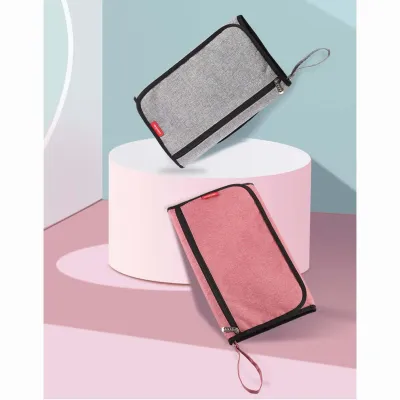
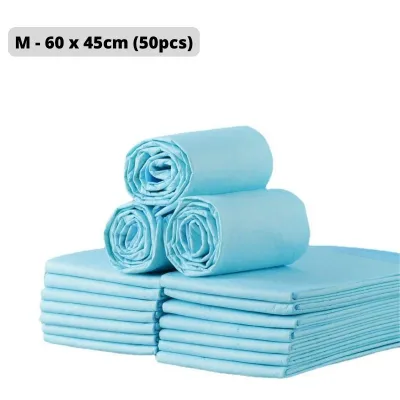
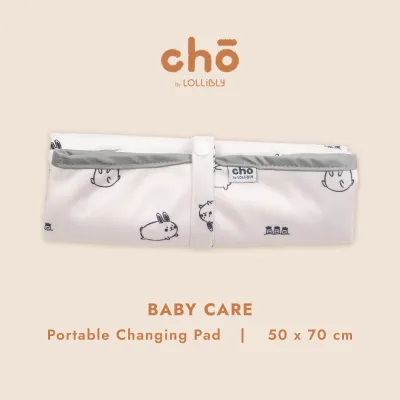
![[Bundle of 2] Foldable & Portable Waterproof Diaper Changing Mat Bamboo Charcoal 40cm x 70cm](https://img.lazcdn.com/g/ff/kf/Sff164728d3014663ad69d86c1b8123489.jpg_400x400q80.jpg_.webp)
![[3 for $9.90] Waterproof Reusable Baby Diaper Changing Mats 50x70cm Pads For Nappy Change Sleep Travel Friendly](https://img.lazcdn.com/g/p/45fe80dd4dd5a3c3d9dd3dfc78ab64af.png_400x400q80.png_.webp)
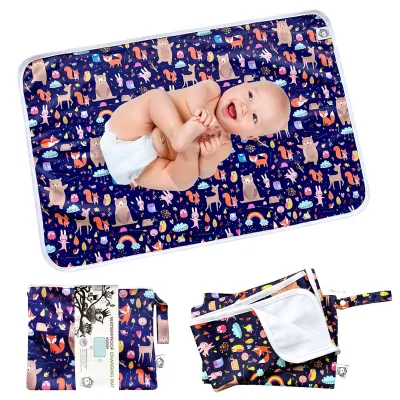
Prices are valid at publication and may change. Please refer to the product page for the latest price.
Padding thickness is another critical factor for comfort, especially when changing your baby on hard public surfaces. Many shopping mall changing tables are constructed from rigid plastic, metal, or wood, which can feel cold and uncomfortable. A portable mat with a built-in cushioned headrest or consistent foam padding throughout provides a supportive layer that helps keep your baby calm. However, thicker padding often increases the folded bulk of the mat, so you must balance the need for comfort with your available storage space.
The folded size and weight of the mat directly impact how easily it integrates into your daily routine. Space inside a diaper bag is highly valuable, as you must also carry diapers, wipes, spare clothes, and feeding supplies. A lightweight, compact mat that folds down flat is ideal for slipping into a backpack or stroller organizer. Look for carrying mechanisms such as adjustable wrist straps, top handles, or integrated clips that allow you to attach the mat to the outside of your stroller for quick access.
Waterproofing and leak-proof boundaries are essential for protecting both public surfaces and your personal belongings. A high-quality portable mat should feature a completely impermeable inner lining that prevents liquids from soaking through. Some designs include raised outer edges or fold-out wings that provide extra coverage, containing any unexpected messes or spills. This boundary is particularly useful when managing diaper changes on fabric surfaces, such as cafe seating or vehicle upholstery, where a leak could cause lasting damage.
Comparing Materials and Hygiene Features
Selecting the right surface material requires balancing your baby’s skin sensitivity with your cleaning preferences. Wipeable synthetic materials, such as polyurethane or PEVA (polyethylene vinyl acetate), are highly practical for on-the-go use. These surfaces allow you to quickly sanitize the mat with a baby wipe or disinfectant spray immediately after a change, making them ready to be folded and packed away without delay. When purchasing, check the product label to verify that these materials are free from harmful chemicals like phthalates and BPA.

In contrast, mats featuring soft fabric covers, such as quilted cotton or bamboo fleece, offer a gentler and warmer surface for your baby’s skin. This can be particularly beneficial for infants prone to diaper rash or eczema, as synthetic materials can sometimes trap heat and cause irritation. If your baby experiences persistent skin irritation after using synthetic mats, consult a pediatrician or dermatologist for guidance. The primary trade-off with fabric covers is that they require regular machine washing and take longer to dry, making them less convenient for multiple changes during a single day out.
Stain resistance and odor control are vital considerations, especially in Singapore’s warm and humid climate. High humidity can cause trapped moisture to develop musty smells or mold if the mat is not dried properly. Review the manufacturer’s care instructions to see if the fabric has been treated with a water-repellent coating or if it features antimicrobial properties. Keep in mind that these treatments can wear off over time with frequent washing, so choosing naturally quick-drying materials is often the most reliable long-term solution.
To get the best of both worlds, many parents opt for hybrid designs that feature a wipeable, waterproof base paired with a detachable, machine-washable fabric liner. This setup allows you to wipe down the main body of the mat for minor messes while easily removing the fabric portion for a thorough wash when needed. This flexibility ensures you can maintain high hygiene standards without sacrificing your baby’s comfort during extended outings.
Matching Diaper Mat Styles to Your Lifestyle
Matching the design of your portable diaper mat to your typical outing scenarios will make daily transitions much smoother. For parents who frequently visit urban shopping centers, dining establishments, or compact cafes, a clutch-style or compact foldable mat is highly efficient. These designs are streamlined and often feature a minimalist profile that fits easily into a small handbag or under a stroller. They are designed for rapid deployment in tight public restrooms where space is limited.
Clutch-style mats often double as self-contained changing stations, featuring integrated pockets to hold a small stack of diapers, a travel-sized wipe dispenser, and diaper disposal bags. This design allows you to leave your main, heavy diaper bag at your table or with a partner while you carry only the compact clutch to the changing room. This convenience is particularly valuable when navigating crowded spaces where maneuvering a large stroller or bulky backpack is difficult.
For families who enjoy outdoor activities, such as picnics at East Coast Park or walks through the Singapore Botanic Gardens, a larger, heavily padded roll-up mat is often more suitable. These mats provide a substantial, protective barrier against uneven ground, damp grass, or sandy surfaces. While they are bulkier and may not fit inside a standard diaper bag, they often come with dedicated shoulder straps or can be easily stowed in a stroller basket or car trunk, making them excellent for extended outdoor use.
If you prefer a highly organized packing system, you must weigh the utility of built-in storage pockets against the simplicity of a minimalist, ultra-lightweight design. Mats with numerous zippered compartments and mesh pockets help keep your changing essentials organized and easily accessible. However, if you already use a well-structured diaper backpack with dedicated compartments, an all-in-one mat might introduce unnecessary bulk and weight. In such cases, a simple, lightweight folding mat that serves solely as a clean barrier is often the more comfortable and streamlined choice.
What to Check Before You Buy
Before finalizing your purchase from an online marketplace or physical retail store, there are several practical details you should inspect to ensure long-term usability. First, evaluate the closure mechanisms, such as zippers, snaps, or Velcro tabs. When changing a baby, you will often have only one hand free while using the other to secure your child. Test whether you can easily unfold, fold, and secure the mat using a single hand. Stiff zippers or complex buckles can create unnecessary stress during an urgent diaper change.
Next, carefully read the product care labels for specific washing instructions and heat limitations. Some waterproof backings and synthetic coatings can warp, crack, or peel if exposed to high temperatures in a washing machine or tumble dryer. In Singapore’s humid environment, ensuring that a mat can be safely washed and quickly air-dried in a well-ventilated area is crucial. Choosing a mat that is easy to clean without risking material degradation will extend its lifespan and maintain its hygienic properties.
Finally, when purchasing from e-commerce platforms, take the time to review user feedback regarding the product’s long-term durability. Pay close attention to comments about seam strength, zipper quality, and how well the waterproof lining holds up after multiple washes. Additionally, verify the seller’s return policies and check if the manufacturer offers a warranty against defects. Investing in a well-constructed mat with positive user reviews and clear warranty terms helps ensure you receive a reliable product that can withstand the demands of daily use.
Frequently Asked Questions (FAQ)
Can I use a portable diaper mat on public changing tables?
Yes, using a personal portable diaper mat on public changing tables is highly recommended to maintain hygiene and protect your baby’s skin from direct contact with shared surfaces. Before placing your mat down, assess its unfolded dimensions against the size of the public changing table to ensure it provides full coverage. To maintain optimal hygiene, establish a routine of wiping down the public surface with a sanitizing wipe before laying your mat down. After the diaper change is complete, thoroughly clean both sides of your portable mat with a wipe before folding it back up, preventing any germs from the public table from transferring to the inside of your diaper bag.
How do I clean and store a reusable changing mat after an outing?
Proper cleaning and storage are essential to prevent the growth of mold, mildew, and unpleasant odors, particularly in Singapore’s humid climate. Immediately after a change, wipe down any soiled areas with a baby wipe or a mild sanitizing spray. Once you return home, unfold the mat completely and allow it to air-dry in a well-ventilated indoor area or indirect sunlight before storing it. Always check the manufacturer’s care label to determine if the mat is machine-washable or if it requires hand-washing. Avoid storing a damp mat in a closed diaper bag or cupboard, as trapped moisture can quickly degrade the waterproof backing and ruin the materials.

Community discussion
Share your experience or ask a question. Comments are reviewed before publication.