
Selecting the right Pigeon toothbrush depends on matching the brush’s design, bristle texture, and safety features to your baby’s specific age and oral development stage. Rather than relying solely on the age range printed on the packaging, you should evaluate your baby’s current teething progress, their ability to grip objects, and whether they are brushing independently or require full parental assistance. By aligning these developmental milestones with the specific characteristics of each toothbrush model, you can establish a safe and effective oral hygiene routine from the very first tooth.
Introducing oral care early helps your child become accustomed to the sensation of brushing, reducing resistance as they grow older. The transition from gentle gum stimulation to active plaque removal requires different tools designed for the unique physical characteristics of a developing mouth. Understanding how to evaluate these tools ensures you select a brush that is both comfortable for your baby and highly effective at maintaining oral hygiene.
Understanding Your Baby's Oral Development Stages
A baby’s oral cavity undergoes rapid changes during the first two years of life, and their toothbrush must adapt to these physical shifts. The oral care journey begins long before the first tooth actually cuts through the gums. Recognizing the subtle signs of each developmental phase allows you to introduce the appropriate cleaning tool at the precise moment your baby is ready.
Products mentioned in this guide
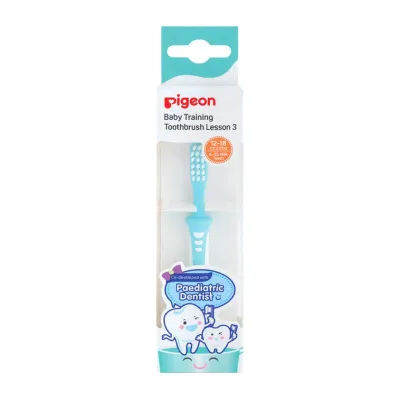
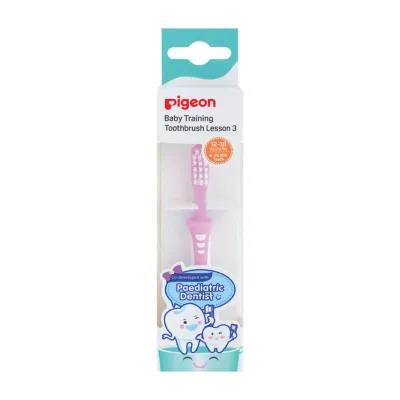
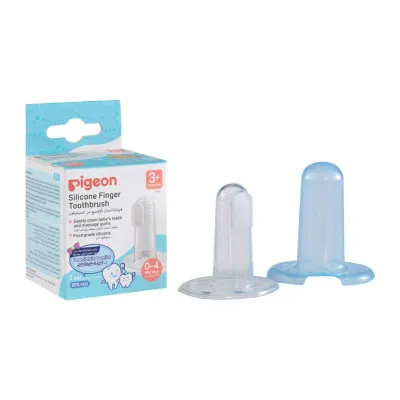
Prices are valid at publication and may change. Please refer to the product page for the latest price.
During the pre-teething phase, which typically occurs in the first few months of life, your baby’s gums may become sensitive, warm, or swollen. You might notice increased drooling, a constant desire to chew on fingers or toys, and occasional irritability. While there are no teeth to brush yet, this is the ideal time to introduce gentle gum stimulation. Using a soft, textured tool during this stage helps soothe teething discomfort and familiarizes your infant with the sensation of having an object in their mouth, laying the groundwork for future brushing habits.
The eruption of the first primary teeth, usually the lower central incisors, marks a critical milestone in your baby’s oral development. These newly emerged teeth have delicate, thin enamel that is highly susceptible to early decay, while the surrounding gum tissue remains tender and easily irritated. This stage requires a transition to ultra-soft materials that can clean the tooth surfaces without causing discomfort or scratching the sensitive gums. A brush with hard bristles at this stage can cause pain, leading to a negative association with oral hygiene.
As your baby continues to grow, more teeth will begin to emerge in rapid succession, including the upper incisors and the first molars. This progression changes the primary goal of oral care from simple gum soothing to active plaque removal. The presence of multiple teeth adjacent to one another creates tight spaces where food particles and bacteria can easily accumulate. To address this, the cleaning tool must offer more precise reach and slightly firmer, yet still incredibly soft, bristles that can sweep away debris from the crevices between teeth.
Eventually, your child will develop a near-complete set of primary teeth, typically around the toddler years. At this milestone, their oral motor skills are also advancing, and they will likely show a strong desire to mimic your actions by attempting to brush their own teeth. The toothbrush must now accommodate both parent-assisted cleaning and the child’s early attempts at independent brushing. This requires a design that offers broader cleaning coverage to clean larger tooth surfaces efficiently while remaining gentle on the gums and cheeks.
Key Features to Check on Pigeon Toothbrush Packaging
When shopping for a baby toothbrush, the product packaging contains essential information that guides you to the correct choice. While the age recommendations printed on the box are helpful baselines, they should never be the sole factor in your decision. You must cross-reference these manufacturer guidelines with your baby’s actual physical development and oral status.

The age or month recommendations on the packaging are calculated based on average developmental milestones, but every baby develops at their own pace. For instance, if a package indicates suitability for babies aged six to eight months, but your nine-month-old has not yet erupted their first tooth, that specific brush may not yet be appropriate. Conversely, if your five-month-old is already showing signs of multiple erupted teeth, you may need to look for a brush designed for a slightly older stage. Always prioritize the physical reality of your baby’s mouth over the chronological age listed on the box.
Bristle hardness and material composition are critical specifications that must be verified on the packaging. For the earliest stages of oral care, look for brushes that utilize soft elastomer or rubber-like bristles. These materials are designed to massage the gums and gently wipe away milk residue without causing irritation. As more teeth emerge, the packaging should indicate a transition to ultra-soft nylon or polyester bristles, which provide the necessary structural integrity to clean tooth enamel effectively while remaining gentle on the surrounding soft tissues.
Brush head dimensions are another vital feature to check before purchasing. A baby’s mouth has very limited clearance, and a brush head that is too large can cause significant discomfort, trigger a strong gag reflex, or fail to reach the back molars where plaque often accumulates. The packaging should describe the brush head as ‘compact’ or ‘ultra-compact’. Visually inspect the brush through the packaging window if possible, ensuring the head is small enough to fit comfortably within your baby’s oral cavity.
The handle design is equally important and varies significantly depending on the intended stage of use. For early training brushes, look for packaging that highlights safety features such as a detachable safety shield or choke guard. This ring-like barrier prevents the brush from being inserted too deeply into the baby’s throat, reducing the risk of accidental choking or gagging. Additionally, check for ergonomic grip descriptions; some handles are designed long and slim for parent-assisted brushing, while others are short and thick to accommodate a toddler’s developing grip.
Finally, review the packaging for clear instructions regarding material safety and care. Ensure the product is labeled as BPA-free and made from non-toxic, food-grade materials. The packaging should also provide specific guidelines on cleaning, sterilization compatibility, and when to replace the brush. Verifying these details ensures that the product you choose meets the highest safety standards for your child.
Matching Pigeon Toothbrush Types to Developmental Milestones
Selecting the right toothbrush is a dynamic process that requires matching the specific design of the brush to your child’s current developmental milestones. Oral care is a progressive learning journey, transitioning from passive gum care managed entirely by the parent to active, independent brushing performed by the toddler. Evaluating your child’s readiness at each stage ensures a smooth transition without causing anxiety or physical discomfort.
When deciding between a multi-stage training set and a standalone toothbrush, consider your child’s current motor skills and familiarity with oral hygiene. Training sets are highly beneficial for beginners as they offer a structured, step-by-step progression that grows with your baby. Standalone brushes, on the other hand, are ideal when your child has already mastered the basic motions of brushing, has a specific number of teeth, or simply needs a replacement for a worn-out tool from a previous stage.
Training Toothbrush Sets for Beginners
Multi-stage training toothbrush sets are specifically engineered to guide babies through the initial phases of oral care. These sets typically feature three or four distinct brushes, each tailored to a specific milestone in the teething process. The first stage usually consists of a brush with a soft, rubbery elastomer head and thick, rounded bristles. This design is not intended for deep cleaning but rather for soothing sore gums, massaging teething areas, and introducing the concept of having a cleaning tool in the mouth.
As your baby transitions to the second stage of the training set, the brush head features slightly finer elastomer bristles. This stage is designed for babies who are beginning to erupt their first teeth, providing a gentle cleaning action that wipes away food residue while continuing to offer comfort to the surrounding gums. The third stage introduces soft nylon bristles, which are essential for cleaning the enamel of multiple erupted teeth. This step-by-step progression allows your baby to adapt gradually to firmer textures, reducing the likelihood of sensory aversion to brushing.
Transitioning between the stages of a training set should be guided by your baby’s comfort and physical progress rather than a strict timeline. If your baby shows signs of distress, resists the firmer bristles of a later stage, or bites down excessively on the brush, it may be beneficial to return to the previous stage for a few weeks. Allow your baby to explore the brush at their own pace, ensuring that oral care remains a positive and stress-free experience.
You will know your baby has outgrown the initial training tools when they have developed a significant number of primary teeth and show a strong interest in brushing independently. If the elastomer bristles of the early stages are showing signs of wear or splaying rapidly due to chewing, or if the brush head is too small to clean the expanded tooth surfaces effectively, it is time to transition to a standalone toddler toothbrush.
Standalone Toothbrushes for Toddlers
Standalone toothbrushes are designed for toddlers who have developed basic grasping skills and are ready to practice brushing their own teeth under close supervision. These brushes feature more traditional designs but are scaled down to fit the physical proportions of a young child’s mouth and hands.
Safety remains a primary concern during this stage of semi-independent brushing. When selecting a standalone brush, verify that it features a built-in safety mechanism, such as a flared handle design or a compatible safety shield. Toddlers often lack precise motor control and may accidentally push the brush too far into their mouths. A safety guard acts as a physical barrier, preventing deep insertion and protecting the delicate tissues of the throat.
The handle of a toddler toothbrush must be specifically designed to accommodate a child’s unique grip. Toddlers typically use a palmar grasp, holding objects with their entire fist rather than their fingers. Look for a brush with a short, thick handle that features textured rubber grips or ergonomic contours. This design allows your toddler to hold the brush securely, even when wet, giving them greater control over their brushing movements and building their confidence.
The brush head of a standalone toddler brush must balance coverage with maneuverability. It should be wide enough to clean the biting surfaces of the molars efficiently, yet compact enough to fit comfortably in the cheek pockets and reach the back teeth without causing gagging. Ensure the bristles are made of high-quality, ultra-soft nylon with rounded tips to prevent micro-scratches on the developing enamel and to protect the delicate gum line from excessive pressure.
Safety Checks and Usage Boundaries
No matter which toothbrush stage your child is currently using, safety must always be the top priority. Active adult supervision is non-negotiable during every single brushing session. Babies and toddlers do not possess the motor control or cognitive awareness to brush safely on their own. A child holding a toothbrush may run, jump, or fall, which can lead to severe oral, throat, or airway injuries if the brush is forced into the mouth during an impact. Always ensure that you are within arm’s reach and actively guiding or performing the brushing process.
Regularly inspecting the toothbrush for signs of wear and tear is essential to prevent choking hazards and maintain hygiene. Baby toothbrushes are subjected to intense wear, as infants frequently bite and chew on the brush heads to soothe their gums. Before every brushing session, perform a quick visual and physical check. Look for loose bristles, split elastomer parts, or severe splaying of the brush head. If you notice any damage, loose components, or significant deformation, discard the toothbrush immediately and replace it with a new one.
In addition to physical wear, hygiene degradation is a critical factor in determining when to replace a toothbrush. Over time, bacteria and moisture can accumulate within the bristle base, even with thorough rinsing. As a general rule, replace your baby’s toothbrush every three months, or sooner if the bristles show visible wear or if your child has recently recovered from an illness. Storing the brush upright in a clean, dry, and well-ventilated area helps prevent the growth of mold and bacteria between uses.
Occasionally, you may find that the general instructions printed on a toothbrush package conflict with the personalized advice provided by your pediatric dentist. For example, a package may suggest a certain age range for a specific brush, but your dentist may recommend a different tool based on your child’s unique dental alignment, enamel strength, or gum health. In all cases of conflict, prioritize the personalized, professional guidance of your pediatric dentist over generic product packaging instructions.
Frequently Asked Questions (FAQ)
How much toothpaste should I use with a Pigeon baby toothbrush?
For infants and toddlers under the age of three, a tiny smear of toothpaste, roughly the size of a single grain of rice, is the standard recommendation. This minimal amount ensures that your baby receives the benefits of the toothpaste while minimizing the risk of ingestion, as young children have not yet developed the ability to spit reliably. The toothpaste should be smeared gently across the tips of the bristles rather than sitting in a large dollop on top, which helps distribute it evenly during brushing.
As your child grows and demonstrates the motor skills to spit out excess toothpaste consistently, typically around the age of three, you can transition to a slightly larger amount, about the size of a pea. Always check the specific manufacturer instructions on your toothpaste packaging, as formulations and age recommendations can vary. Consulting your pediatric dentist is the best way to determine the appropriate type and amount of toothpaste for your child’s specific oral health needs.
When should I transition from a Pigeon training brush to a regular kids' toothbrush?
The transition from a training brush to a regular kids’ toothbrush is determined by your child’s physical development and motor skills rather than a strict chronological age. Key milestones indicating readiness include the eruption of a full set of primary teeth and the ability to perform basic brushing motions without biting down constantly on the brush head. If your child can hold the brush with a mature grip and shows the coordination to reach all areas of their mouth, they may be ready to transition.
Physical changes in your child’s mouth also signal the need for a larger brush. As the jaw grows and more teeth emerge, the small head of a training brush will eventually become inefficient at cleaning the larger surface areas. If you find that brushing is taking significantly longer or that the training brush head is no longer covering the tooth surfaces adequately, it is time to look for a kids’ toothbrush with a slightly larger head and a bristle configuration designed for older children. A pediatric dentist can provide personalized guidance on the ideal timing for this transition.
Can I sterilize Pigeon baby toothbrushes in boiling water?
Before attempting to sterilize any baby toothbrush in boiling water, steam, or a microwave sterilizer, you must carefully check the heat resistance temperature printed on the product packaging. Many baby toothbrushes, particularly those designed for early training stages, are constructed from soft elastomers, rubber, or specific plastics that cannot withstand high temperatures. Exposing these materials to boiling water or intense steam can cause them to deform, melt, or lose their structural integrity, rendering the brush unsafe for use.
If the packaging indicates that the toothbrush is not compatible with heat sterilization, you should rely on thorough daily cleaning practices to maintain hygiene. After each use, rinse the brush head thoroughly under warm running water to remove all traces of toothpaste and food debris. Gently shake off any excess water and store the toothbrush in an upright position in an open, well-ventilated area to air-dry completely. Avoid storing the brush in closed containers or travel cases, as damp environments promote the growth of bacteria and mold.
Community discussion
Share your experience or ask a question. Comments are reviewed before publication.