
The right Pigeon body wash refill depends entirely on whether your baby has normal, dry, or sensitive skin. Because formulations and available variants change, parents must verify the specific product’s label for targeted ingredients, age recommendations, and fragrance-free claims rather than relying solely on the brand name. In Singapore’s unique climate, where babies constantly transition between humid outdoor heat and dry, air-conditioned indoor spaces, maintaining a healthy skin barrier is essential. Choosing the correct refill variant ensures you support your baby’s skin health while minimizing the risk of irritation.
Assessing Your Baby's Skin Needs Before Choosing
Before selecting a specific body wash refill, it is essential to evaluate your baby’s current skin condition. Infant skin is dynamic and can change due to age, health, and environmental factors. Start by gently touching your baby’s skin a few hours after bath time. Healthy, normal skin should feel soft, smooth, and relatively supple. If you notice rough patches, dry flakes, or areas that feel tight and coarse, your baby’s skin may be struggling to retain moisture.
Pay close attention to visual cues as well. Redness in the skin folds, around the joints, or on the cheeks often points to localized irritation or sensitivity. If your baby frequently scratches their limbs or rubs their face against your shoulder, this behavior typically indicates itchiness caused by dryness or mild contact irritation. Keeping a daily mental note of these physical signs will help you determine whether your baby requires a standard gentle cleanser or a highly specialized formulation.
Products mentioned in this guide
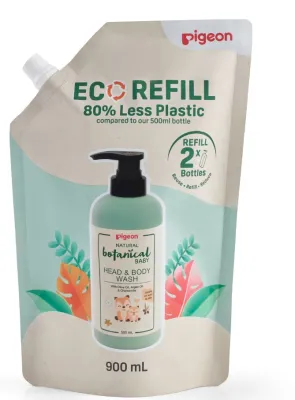
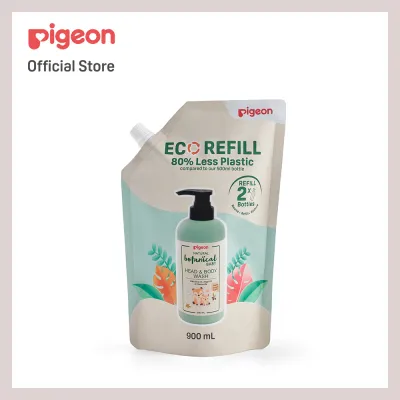
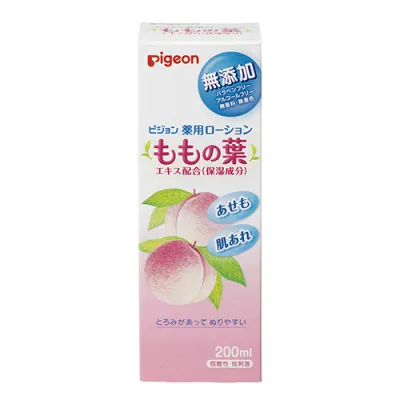
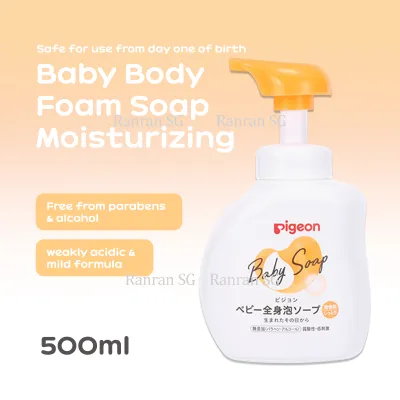
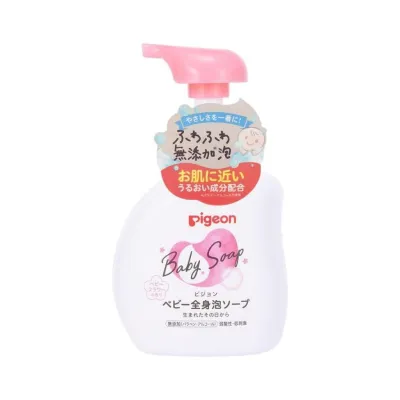
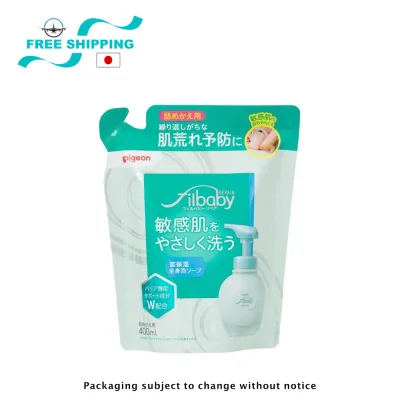
Prices are valid at publication and may change. Please refer to the product page for the latest price.
Environmental factors in Singapore play a massive role in how your baby’s skin behaves. The tropical climate brings high outdoor humidity, which can cause babies to sweat heavily, potentially leading to heat rashes or clogged pores. Conversely, many families rely on air conditioning to keep indoor spaces comfortable. Spending prolonged periods in air-conditioned rooms strips natural moisture from the air and, consequently, from your baby’s skin. This constant fluctuation between hot, humid outdoor air and cold, dry indoor drafts can severely compromise the skin’s natural moisture barrier, making it highly susceptible to dryness and irritation.
Finally, consider your family’s dermatological history. Genetics heavily influence skin type and sensitivity levels. If parents or older siblings have a history of eczema, asthma, or allergic rhinitis, your baby has a higher likelihood of developing sensitive skin or dry skin conditions. Note any previous reactions your baby has had to laundry detergents, fabric softeners, or other skincare products. Understanding these genetic predispositions allows you to make a more cautious, informed choice when selecting a body wash variant.
Key Details to Check on Pigeon Refill Labels
When shopping for a pigeon body wash refill, reading the packaging carefully is your first line of defense. Terms like “hypoallergenic” generally indicate that the product has been formulated to minimize the likelihood of allergic reactions, though it does not guarantee absolute safety for every individual. “Fragrance-free” means no added perfumes, which is crucial for sensitive skin, while “moisturizing” suggests the inclusion of ingredients designed to lock in hydration. Always verify these claims on the physical packaging of the specific refill pouch you purchase, as formulations can vary by batch and region.

Infant skin is significantly thinner and more permeable than adult skin, meaning it absorbs substances more rapidly and loses moisture faster. Check the refill pouch for specific age recommendations or developmental stage indicators. Some variants are formulated specifically for newborns, prioritizing ultra-mild cleansing agents, while others are designed for older babies and toddlers who may need more robust cleansing to wash away sweat, dirt, and outdoor grime. Aligning the product with your baby’s current age helps prevent over-stripping their delicate skin barrier.
Never skip the fine print on the back of the refill pack. Look for the manufacturer’s instructions on how to perform a patch test before full-body application. Check for explicit warnings, such as avoiding contact with the eyes, and verify the expiration date or period-after-opening symbol. Because refill pouches are designed to replenish existing bottles, ensure the packaging is fully sealed and untampered with at the time of purchase to guarantee the product’s integrity and safety.
Matching Body Wash Variants to Specific Skin Conditions
If your baby’s skin regularly feels tight, rough, or exhibits visible flaking, a moisturizing variant is typically the most appropriate choice. Look for refill pouches that explicitly highlight added emollients, glycerin, or ceramides on their ingredient lists. These components work by mimicking the skin’s natural lipids, filling in the gaps between skin cells to lock in moisture and protect against the drying effects of both warm bathwater and air conditioning.
For babies prone to sudden redness, chafing, or mild irritation, a soothing or sensitive-skin variant is highly recommended. These formulations prioritize minimal ingredient lists to reduce the risk of contact dermatitis. When selecting these variants, prioritize options that are strictly fragrance-free and colorant-free. Soothing ingredients, such as chamomile or peach leaf extracts, are often featured in these formulas to help calm minor skin discomforts, but you must still verify that your baby does not have a specific sensitivity to these botanical additions.
If your baby is fortunate enough to have normal, resilient skin that rarely shows signs of dryness or irritation, a standard, mild cleansing variant is usually sufficient. These everyday formulas are designed to gently wash away daily sweat and dirt without disrupting the skin’s natural pH balance. Even for normal skin, avoid harsh surfactants or heavily perfumed options, as maintaining a healthy, undisturbed skin barrier during infancy helps prevent sensitivities from developing later in childhood.
It is vital to recognize the limits of commercial cosmetic products. If your baby exhibits persistent, severe redness, weeping sores, intense itching, or has been diagnosed with a medical skin condition such as atopic dermatitis, standard body washes may not be suitable. In these situations, do not attempt to treat the condition with over-the-counter baby washes. Consult a qualified pediatrician or pediatric dermatologist to obtain a tailored treatment plan and professional recommendations for prescription-grade cleansers.
Best Practices for Transferring and Using Refills
Before purchasing a pigeon body wash refill, confirm that the pouch’s pouring nozzle is fully compatible with your existing pump bottle. Using mismatched bottles can lead to messy spills, product wastage, and unnecessary exposure to open air. Air exposure can degrade certain active ingredients and increase the risk of airborne contaminants entering the liquid, which compromises the product’s shelf life and safety.
Hygiene is paramount when reusing plastic pump bottles. Never pour a new refill directly into a bottle that still contains leftover body wash or residual moisture. Thoroughly wash the empty bottle and pump mechanism with warm, soapy water, rinse them completely, and allow them to air-dry entirely before refilling. Residual water left inside the bottle can dilute the preservatives in the new body wash, creating an ideal breeding ground for harmful bacteria and mold.
Introducing any new skincare product to a baby requires careful observation. After the first bath using the new refill variant, monitor your baby’s skin closely for 24 to 48 hours. Look for any signs of an adverse reaction, such as localized redness, tiny bumps, or dry patches. If you observe any of these symptoms, stop using the product immediately, rinse the skin gently with plain, lukewarm water, and consult a healthcare professional if the symptoms persist or worsen.
Frequently Asked Questions (FAQ)
Can I mix different Pigeon body wash refills in the same bottle?
Mixing different body wash variants, or even combining a new batch with the remnants of an old one, is highly discouraged. Each variant is formulated with a precise balance of cleansing agents, moisturizers, preservatives, and pH adjusters designed to work together safely. Mixing them can destabilize the formula, rendering the preservatives ineffective and allowing bacteria to multiply. It can also alter the pH level, potentially causing skin irritation or dryness. To switch variants safely, always empty the bottle completely, wash and dry it thoroughly, and then pour in the new refill.
How do I know if my baby is reacting to a specific body wash variant?
An adverse reaction to a body wash typically manifests within a few hours to a couple of days after use. Watch for observable signs such as sudden localized rashes, hives, dry peeling skin, or increased redness in areas exposed to the soap. Your baby might also show signs of discomfort, such as unusual fussiness or crying during or after their bath. If you suspect a reaction, immediately discontinue the product. Gently rinse your baby’s skin with plain, lukewarm water to remove any remaining residue, and seek professional medical advice from a pediatrician to identify the cause and receive appropriate guidance.

Community discussion
Share your experience or ask a question. Comments are reviewed before publication.