
Choosing the right Philips food processor for preparing baby food depends on your family’s batch-cooking habits, your baby’s current weaning stage, and the available space on your kitchen counter. There is no single model that fits every household perfectly. While some parents require a compact machine for quick, daily single portions, others benefit more from a high-capacity multi-functional appliance that can handle bulk preparation for freezing. By focusing on key decision factors such as bowl capacity, texture control, and material safety, you can select a model that simplifies meal preparation and grows alongside your child’s changing dietary needs.
Essential Features to Check for Baby Food Preparation
Preparing meals for an infant requires specific appliance features that differ from standard adult meal preparation. Understanding these technical specifications helps ensure the food processor can handle the unique demands of early weaning and toddler transitions.
First, evaluate the bowl capacity and how it aligns with your planned batch sizes. During the initial stages of weaning, babies consume very small quantities of smooth puree, often only a few teaspoons per meal. A food processor with an excessively large bowl may struggle to draw these small quantities into the path of the blades, resulting in unevenly chopped chunks rather than a smooth consistency. Conversely, as your child grows into toddlerhood and begins eating larger portions, or if you prefer to cook and freeze weekly batches in silicone trays, a larger bowl capacity becomes essential to save time and effort. For instance, a compact bowl of around 0.5 liters is ideal for single-serving meals, while a 1.5-liter to 2-liter bowl is better suited for batch-cooking multiple portions.
Products mentioned in this guide
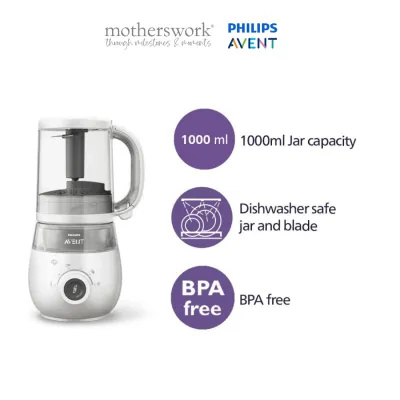
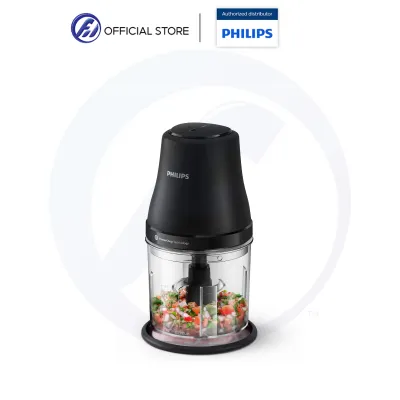
Prices are valid at publication and may change. Please refer to the product page for the latest price.
Blade design and motor power directly influence your ability to control food texture. Early weaning requires an ultra-smooth, lump-free consistency to prevent choking hazards. Look for models featuring sharp, multi-angled stainless steel blades that sit close to the bottom of the bowl, which helps process ingredients thoroughly. As your baby transitions to later stages of weaning, you will need to produce chunkier textures, soft mashes, and finely minced finger foods. A motor with a reliable pulse function allows you to control the exact texture by delivering short bursts of power, preventing a textured mash from accidentally turning into a liquid puree. Higher wattage motors, typically ranging from 500 to 800 watts, handle dense ingredients like sweet potatoes and cooked meats more efficiently without overheating.
Material safety is a critical consideration when preparing food for infants. You must verify that all plastic components that come into direct contact with food are labeled as BPA-free and made from food-grade materials. Do not rely solely on general online descriptions; instead, inspect the physical product packaging, user manual, or official manufacturer specifications for certified safety markings. High-quality, durable plastics are less likely to degrade, crack, or absorb strong food odors and stains over time, ensuring a safer preparation environment for your baby’s meals.
Cleaning convenience is paramount for busy parents and is vital for maintaining strict hygiene. Food processors with complex assemblies or non-removable parts can trap food particles, creating breeding grounds for bacteria and mold. Prioritize models that feature fully removable blade assemblies and dishwasher-safe bowls, lids, and accessories. Smooth interior bowls without unnecessary ridges or deep crevices are much easier to wipe clean and sanitize quickly between uses, reducing the risk of cross-contamination.
Match the Processor Type to Your Feeding Routine
To narrow down your choices among the available Philips models, it is helpful to match the appliance category to your daily kitchen habits and feeding philosophy. Different designs cater to distinct preparation styles, from quick daily meals to large-scale batch freezing.

If you prefer preparing small, fresh portions of baby food every day, a compact or mini chopper model is often the most practical choice. These smaller appliances typically feature a modest bowl capacity, making them highly efficient at pureeing a single pear, a small sweet potato, or a tiny portion of steamed vegetables. Their compact footprint takes up minimal counter space in smaller kitchens and fits easily into cabinets. Because they have fewer parts, they are also exceptionally quick to assemble, disassemble, and clean after a brief meal prep session. They are also highly useful for parents practicing baby-led weaning who only need to chop small amounts of ingredients finely or make quick dips and sauces.
For parents who prefer to batch-cook and freeze portions for the week, a full-size or multi-function food processor is a more suitable investment. These robust machines offer larger bowl capacities, allowing you to blend big batches of vegetable purees, stews, or grain mixtures at once. They also come equipped with various interchangeable discs for slicing, shredding, and grating. This versatility means the appliance remains highly useful for preparing general family meals long after your baby has transitioned fully to solid family foods, allowing you to grate vegetables for toddler-friendly fritters or chop ingredients for family soups.
Some product lines include specialized combo units that integrate both steaming and blending functions within a single appliance. These units allow you to steam raw vegetables, fruits, or meats and then simply flip the jar or initiate a blend cycle to puree the cooked ingredients without transferring them to another container. This design minimizes cleanup and preserves the nutrient-rich cooking liquids. If you are considering a combo unit, always verify the exact operational steps and water reservoir maintenance requirements in the manufacturer’s manual to ensure it fits your daily routine, as regular descaling of the steam chamber is necessary to maintain hygiene.
However, a mismatch condition can occur where neither a standard mini chopper nor a large multi-function processor fits your needs if you attempt to use them outside their intended limits. For example, using a heavy-duty, commercial-style food processor to blend a single baby-sized portion of food is highly inefficient. The blades in large-capacity bowls often sit too high or spin too far from the sides to catch small volumes of food, leaving large, unblended chunks that can pose a safety risk to your baby. If you choose a larger model, ensure you are committed to preparing larger batches that meet the machine’s minimum processing volume.
Safety and Hygiene Checks Before You Buy
Before finalizing your purchase of any food processor model, conducting a few physical and operational checks will ensure the appliance is safe, hygienic, and durable enough for daily baby food preparation.
Always verify food-grade material claims and safety certifications directly on the physical packaging or the official product label. Look for clear, recognized symbols indicating compliance with food safety standards. Avoid purchasing unbranded or uncertified appliances from third-party sellers on online marketplaces, as these products may not undergo the rigorous testing required to guarantee they are free from harmful chemical residues or heavy metals.
Carefully inspect the physical design of the bowl, lid, and blade assembly for potential hygiene risks. Look for removable rubber seals and gaskets; if a seal cannot be easily removed for washing, moisture and food particles can become trapped underneath, leading to mold growth that is difficult to detect. Choose models with smooth joints, rounded interior corners, and minimal hidden crevices. This open design ensures that every surface can be thoroughly scrubbed, rinsed, and dried after each use.
Review the manufacturer’s instructions regarding motor cooling and safe operational limits. Preparing dense purees, such as sweet potato or meat mixtures, can put significant strain on a food processor’s motor. Check if the model features an automatic thermal shut-off or overheat protection, which temporarily disables the motor if it begins to run too hot. Understanding the recommended continuous run times—often limited to short bursts of 30 to 60 seconds—will help you prevent motor burnout and extend the lifespan of your appliance.
To help you make a confident decision, use this actionable pre-purchase checklist when evaluating different models:
- Confirm the plastic bowl and lid are explicitly labeled as BPA-free on the packaging or manual.
- Verify that the blade assembly can be completely detached from the bowl for safe, thorough cleaning.
- Check the minimum liquid or food volume required by the manufacturer to ensure it matches your typical portion sizes.
- Ensure replacement parts, such as extra seals or blades, are readily available from authorized service centers.
- Confirm the availability of a pulse function for precise texture control during later weaning stages.
Frequently Asked Questions (FAQ)
Can I use a standard Philips food processor for baby food, or do I need a dedicated baby model?
You can absolutely use a standard Philips food processor to prepare baby food, provided you work within the machine’s operational limits. Standard kitchen processors offer excellent motor power and versatile attachments, making them highly useful for preparing larger batches of purees or mincing family meals. However, dedicated baby food makers often combine steaming and blending in one jar, which simplifies the cooking process and reduces cleanup. If you choose a standard food processor, consult the user manual to check the minimum processing volume. Standard models with large bowls may require a larger quantity of ingredients to blend smoothly, which might not be ideal if you prefer preparing tiny, single-serving portions during the early stages of weaning.
How do I clean the processor blades safely after pureeing raw meat or fish for my baby?
Cleaning the processor blades immediately and thoroughly after handling raw meat or fish is critical to prevent cross-contamination and bacterial growth. Begin by unplugging the appliance and carefully disassembling the bowl and blade unit. Rinse all parts under warm running water to remove loose food debris, taking extreme care when handling the sharp edges of the blades. Wash the blades, bowl, and lid thoroughly using hot, soapy water and a clean brush dedicated to baby items, ensuring you clean inside the central column of the blade assembly where residue can hide. Refer to your specific model’s user manual to confirm which components are dishwasher-safe, as high-temperature dishwasher cycles can provide an extra level of sanitization for compatible parts. Allow all pieces to air-dry completely in a well-ventilated area before reassembling or storing the appliance.
Community discussion
Share your experience or ask a question. Comments are reviewed before publication.