
Choosing the right pee pad for baby changing tables is a balancing act between safety, hygiene, and daily convenience. The ideal pad must fit your specific changing table dimensions perfectly, provide absolute waterproof protection to shield your furniture, and offer a soft, breathable surface that keeps your baby comfortable. In Singapore’s warm and humid tropical climate, selecting the wrong material can quickly lead to heat retention, sweat buildup, and diaper rash, making material choice just as critical as size.
To make an informed decision, you must evaluate your family’s daily laundry capacity, the structural design of your changing table, and the specific safety features of the pad. This guide breaks down how to measure your changing space, compares reusable and disposable options, and highlights the safety standards you need to verify before purchasing. By choosing a pad that aligns with your household routine, you can ensure a sanitary, stress-free changing experience for both you and your little one.
Quick Guide: Core Criteria for Choosing a Changing Table Pee Pad
Before diving into the finer details of materials and brands, it helps to understand the core pillars of selecting a pee pad for baby setups. Busy parents should focus on four primary decision factors to narrow down their options quickly.
Products mentioned in this guide
![[SG Seller]Disposable Sheet/baby changing pad/Underpads/maternity pad/diaper changing pad/Pet pad/diaper changing pad](https://img.lazcdn.com/g/p/1e18d5044cc6a8981a574358039de40b.png_400x400q80.png_.webp)
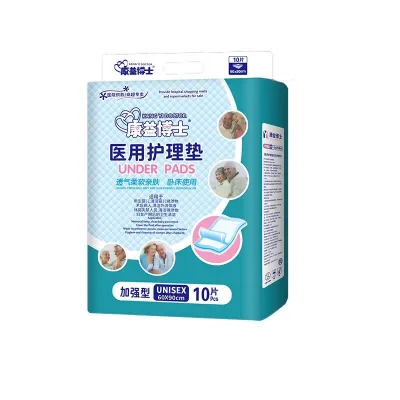
Prices are valid at publication and may change. Please refer to the product page for the latest price.
- Exact Table Measurements: The pad must match the usable flat surface of your changing table or dresser top. A mismatch can lead to dangerous sliding or bunching.
- Material System: Decide whether a reusable cloth pad, a fully disposable liner, or a hybrid combination of both fits your weekly laundry routine and household budget.
- Waterproof Integrity: Look for high-quality waterproof barriers, such as thermoplastic polyurethane (TPU) backings, that prevent liquids from seeping through to the underlying furniture.
- Non-Slip Safety Features: Ensure the pad has a reliable mechanism to stay anchored to the table, such as silicone grip dots, security straps, or physical ties.
Every family’s optimal setup depends heavily on their specific changing table model and how much time they can dedicate to washing baby laundry. Additionally, always check the manufacturer labels of both the changing table and the pad for specific age, weight, and developmental limits to ensure your nursery setup remains completely safe.
Matching the Pee Pad for Baby to Your Changing Table Size and Shape
A changing pad that does not fit your furniture is more than just an aesthetic issue; it is a direct safety and hygiene hazard. To secure a safe changing environment, you must carefully align the pad’s physical dimensions with the structure of your changing station.

Measuring the Usable Surface
To begin, use a metal measuring tape to record the exact length, width, and depth of the flat, usable surface of your changing table. Do not rely on the overall external dimensions of the furniture piece, as decorative wooden borders, raised safety rails, or built-in storage compartments can significantly reduce the actual space available for the pad. If your changing table includes built-in safety straps attached directly to the wooden frame, measure their placement as well. You will need to ensure that any pad you select does not block these straps or prevent them from securing around your baby’s waist.
Flat vs. Contoured Pads
Changing pads generally fall into two structural categories: flat and contoured. Flat pads are uniform in thickness, highly portable, and versatile enough to fit almost any flat surface, making them excellent for compact spaces or multi-use dressers. Contoured pads, on the other hand, feature raised sides—often in a two-sided or four-sided design—that create a shallow, cradling valley for the infant. While these raised edges help keep a newborn centered and prevent them from easily rolling side to side, they also require a precise fit within the changing table’s frame to prevent the edges from compressing or warping.
The Danger of Overhang and Bunching
Selecting a pad that is too large for your changing table creates a highly unstable surface. If the pad overhangs the edge of the furniture, it can easily tilt or slide off when weight is applied, risking a serious fall. Conversely, squeezing an oversized pad into a small changing frame causes the material to bunch up, creating uneven surfaces, air pockets, and fabric folds that can interfere with the proper function of safety straps. On the other hand, a pad that is too small leaves wide gaps of exposed wood or laminate, allowing urine and stool to bypass the pad entirely and damage the furniture finish or harbor bacteria in hard-to-clean crevices.
Strap Compatibility and Anchoring
Many changing tables come equipped with safety harnesses designed to hold the infant secure during changes. If your table has these straps, your chosen pad must accommodate them. Look for pads that feature pre-cut slits or designated routing paths that allow the furniture’s safety straps to pass through easily without compromising the waterproof barrier. If the pad has its own independent safety straps, verify how they anchor to the wall or the back of the changing dresser to ensure they can be installed exactly as the manufacturer intended.
Reusable vs. Disposable Pee Pads: Which Type Suits Your Routine?
One of the most significant lifestyle decisions you will make is choosing between reusable cloth pads and disposable changing liners. Both systems offer distinct advantages and drawbacks, and many parents find that a combination of both works best for their daily routine.
Reusable Cloth and Waterproof Pads
Reusable changing pads are highly favored by parents looking for a long-term, eco-friendly solution. Typically constructed with a soft fabric top layer and a waterproof backing, these pads are designed to withstand hundreds of machine wash cycles.
- Pros: Over the course of infancy, reusable pads are highly cost-effective, requiring only a one-time purchase of a small inventory. They are generally much softer and gentler on a baby's delicate skin than paper-based disposables, and they significantly reduce household waste.
- Cons: Reusables demand a continuous commitment to laundry. Because babies frequently urinate during diaper changes, you will need to purchase multiple backup pads (typically three to five) to ensure you always have a clean one available while others are in the wash. If not laundered promptly, wet cloth pads can quickly develop stubborn odors and mold, especially in high-humidity environments.
Disposable Changing Pad Liners
Disposable liners are single-use sheets featuring an absorbent paper pulp top layer and a thin plastic or polyethylene waterproof backing. They are designed to be thrown away immediately after they become soiled.
- Pros: Disposables offer unmatched convenience, making them indispensable for travel, outdoor excursions, or handling severe diaper blowouts. They eliminate the need for immediate scrubbing and washing, saving valuable time and energy for tired caregivers.
- Cons: The recurring financial cost of buying packs of disposable liners can add up significantly over several years. Additionally, they contribute directly to landfill waste and are often less breathable, which can cause heat to build up rapidly beneath the baby during a change.
The Hybrid Approach
For many households, a hybrid setup offers the perfect balance of convenience and sustainability. In this arrangement, you secure a durable, comfortably cushioned, and wipeable reusable pad to the changing table as your permanent base. You then place a thin disposable liner directly beneath the baby’s diaper area during active changes. If a minor leak occurs, you can simply wipe down the reusable base; if a major blowout happens, you can roll up and discard the disposable liner instantly, protecting the main pad and keeping laundry to a minimum.
When deciding which path to take, honestly evaluate your weekly laundry bandwidth, your access to washing and drying facilities, and your budget. If you live in an apartment without a dedicated clothes dryer, drying thick, multi-layered reusable pads during the rainy season can take considerable time, making a hybrid or disposable-heavy approach highly practical.
Evaluating Material, Absorbency, and Skin Comfort
The materials that make up your baby’s changing pad directly affect both their physical comfort and the pad’s ability to contain messy leaks. Because a baby’s skin is incredibly thin and sensitive, the fabrics you choose require careful consideration.
Top Layer Materials
The surface fabric is the only part of the pad that comes into direct contact with your baby’s skin.
- Organic Cotton: Cotton is highly breathable, naturally soft, and excellent at absorbing minor moisture. It is a fantastic option for babies with sensitive skin or eczema, as it rarely causes irritation.
- Bamboo Rayon: Bamboo-derived fabrics are exceptionally soft, naturally hypoallergenic, and possess excellent moisture-wicking properties. They tend to feel cooler to the touch, which is highly beneficial in warm climates.
- Microfiber and Polyester Fleece: These synthetic materials are engineered for rapid liquid absorption and quick drying. However, they can sometimes trap heat more than natural fibers and may feel slightly rougher after multiple wash cycles.
Absorbent Core vs. Waterproof Backing
A high-performance changing pad relies on a dual-layer system to manage liquids effectively. The top layer and inner core are designed to absorb and hold moisture, preventing urine from pooling beneath the baby’s back and causing discomfort or skin irritation. Beneath this absorbent core sits the waterproof backing, which acts as an absolute barrier. When shopping, verify that the waterproof layer is made from safe, non-toxic materials like food-grade polyurethane laminate (PUL) or thermoplastic polyurethane (TPU) rather than cheap, brittle polyvinyl chloride (PVC), which can crack over time and release chemical odors.
Breathability in Humid Climates
In tropical regions like Singapore, where indoor humidity and temperatures remain consistently high, breathability is a non-negotiable factor. When a baby lies on a non-breathable plastic surface, sweat and body heat quickly become trapped between their skin and the pad. This localized microclimate of heat and moisture is a primary trigger for diaper rash, heat rash, and general fussiness during changing times. Prioritize pads with breathable outer covers made of natural fibers, and avoid leaving your baby on synthetic or heavily plasticized surfaces for extended periods. If your baby develops persistent skin redness, severe diaper rash, or signs of an allergic reaction, stop using the pad immediately and consult a qualified pediatrician or medical professional.
Verifying Material Claims
To ensure the safety of the materials, do not rely solely on marketing terms like “all-natural” or “hypoallergenic.” Instead, look for verifiable, independent safety certifications on the product packaging. For example, check if the textile components are certified under the OEKO-TEX Standard 100, which verifies that the fabric has been tested for harmful levels of toxic substances. Always read the manufacturer’s care tag to check the maximum washing temperature limits; some waterproof coatings can melt or delaminate if washed in boiling water or dried on high heat, which will ruin the pad’s waterproof capabilities.
Essential Safety and Maintenance Features to Look For
A changing table is one of the most common locations for infant falls in the home. While a pee pad is primarily designed for hygiene, its structural safety features play a critical role in preventing accidents.
Non-Slip Backing and Anchor Straps
When a baby wiggles, kicks, or attempts to roll over, they exert lateral force on the changing pad. If the bottom of the pad is smooth, it can easily slide across the slick wooden or laminate surface of the changing table, potentially carrying the baby with it. To prevent this, choose a pad equipped with a high-friction, non-slip backing—such as silicone grip patterns or textured rubberized panels. Additionally, many high-quality pads feature safety anchor straps that screw directly into the back of your changing dresser, ensuring the pad remains firmly locked in place regardless of how active your baby becomes.
Wipeable vs. Machine-Washable Surfaces
Maintaining impeccable hygiene requires a balance between quick, on-the-spot cleaning and deep sanitization.
- Wipeable Surfaces: Pads covered in smooth, waterproof coatings (like polyurethane) can be cleaned in seconds using a baby-safe sanitizing wipe or a damp cloth with mild soap. This is ideal for managing multiple diaper changes throughout the day.
- Machine-Washable Pads: For deep cleans, fabric pads or removable fabric covers must be machine washable. Ensure that the fabric can handle regular washing without shrinking, warping, or losing its waterproof properties.
The Golden Rule of Caregiver Supervision
It is vital to remember that no physical safety feature—whether it is a contoured edge, a non-slip backing, or a safety harness—can ever replace the active supervision of a caregiver. Changing pads are secondary physical barriers designed to assist you; they are not restraint devices and cannot guarantee safety on their own. Never leave your baby unattended on a changing table, even for a single second to grab a diaper or answer a phone. Always keep at least “one hand on the baby” at all times to prevent sudden rolls or falls.
Cleaning and Inspection Routines
Over time, exposure to moisture, friction, and cleaning agents will wear down even the most durable changing pads. Establish a weekly routine to inspect your pad for signs of wear and tear. Look closely for cracking, peeling, or thinning of the waterproof backing, as these damaged areas can trap moisture and harbor harmful bacteria or mold. If you notice persistent sour odors that do not disappear after washing, or if the inner foam core becomes permanently compressed or lumpy, it is time to discard the pad and replace it to maintain a safe and sanitary environment.
Setting Up a Safe and Efficient Changing Station
An organized changing station reduces stress and keeps your baby safe by ensuring you never have to turn your back or step away from the table. Integrating your pee pad into a highly functional layout is the final step in creating a practical nursery.
The Layering Strategy
To maximize protection and comfort, assemble your changing surface using a strategic layering method. Start with the bare changing table surface, ensuring it is clean and dry. Next, secure your cushioned, waterproof changing pad directly to the table using its non-slip backing or anchor straps. If you prefer a softer surface, place a fitted, breathable fabric cover over the pad. Finally, place a compact, highly absorbent pee pad or disposable liner directly on top, positioned right beneath where your baby’s bottom will rest. This multi-layered defense ensures that any leaks are caught immediately, leaving the underlying furniture completely dry.
Supply Organization
Before placing your baby on the changing table, ensure that all necessary supplies are fully stocked and positioned within arm’s reach. Arrange diapers, wet wipes, diaper rash creams, clean clothes, and waste disposal bags in open bins or hanging organizers directly adjacent to the changing surface. You should be able to grab any item you need with one hand while keeping your other hand firmly on your baby’s chest. If you must step away to retrieve an item, always pick your baby up and take them with you; never leave them on the table alone.
Protecting the Furniture Finish
Many high-quality changing tables are made of solid wood or finished laminates that can warp, discolor, or peel when exposed to prolonged moisture or acidic baby wipes. To safeguard your investment, consider placing a thin, secondary waterproof mat or a dry cotton towel directly underneath the main changing pad. This extra layer acts as a safety net, catching any lateral run-off or stray liquids that might bypass the edges of the main pad during a particularly messy diaper change.
Frequently Asked Questions (FAQ)
Can I use a regular folded towel instead of a dedicated pee pad?
While a folded cotton towel is highly absorbent and easily washable, it is not a suitable substitute for a dedicated changing pad. Towels lack a waterproof backing, meaning any significant amount of liquid will quickly soak through and damage your changing table’s wooden or laminate surface. Furthermore, a folded towel has no non-slip backing, creating a dangerous sliding hazard when your baby moves. It also lacks the necessary slits or design features to accommodate your changing table’s built-in safety straps, leaving your baby unsecured.
How many reusable changing pads do I need to buy?
For a household relying primarily on reusable changing pads, a minimum of three pads is highly recommended. This allows you to have one pad actively secured to the changing table, one clean backup stored in your nursery drawer, and one currently in the laundry or drying line. If you do not have a clothes dryer or if you live in a high-humidity environment where line-drying takes longer, increasing your inventory to four or five pads will prevent you from running out of clean surfaces during busy days.
Are contoured changing pads safer than flat ones?
Contoured changing pads with raised sides can help keep a newborn centered and prevent them from easily rolling off the table during their first few weeks of life. However, these raised edges do not prevent falls and should never be viewed as a substitute for active caregiver supervision. As your baby grows, learns to roll, and begins pushing themselves up, the raised sides of a contoured pad can actually become leverage points or tripping hazards. Once your baby reaches the manufacturer’s specified weight limit or developmental stage—such as showing signs of rolling over—you should ensure they are secured with safety straps or transition to a flat changing surface. Always consult your changing table and pad manuals to verify when to stop using specific models.

Community discussion
Share your experience or ask a question. Comments are reviewed before publication.