
Selecting the right diaper care product is a fundamental step in maintaining your baby’s skin health, especially in warm, humid environments where moisture buildup is common. Mustela provides a range of diaper creams and wipes tailored to different skin types and levels of irritation. To choose the correct product, you must first evaluate your baby’s current skin condition, understand the differences between daily prevention and active soothing, and carefully verify the ingredients listed on the packaging.
By matching the specific formulation to your baby’s immediate needs, you can prevent minor irritation from developing into a persistent rash. This guide walks you through the process of assessing your baby’s skin, selecting the appropriate wipes and creams, and verifying product authenticity to ensure safe, effective daily care.
How to Assess Your Baby's Diaper Area Needs
Before purchasing any diaper care product, take a close look at your baby’s diaper area during a routine change. The skin’s appearance is the most reliable indicator of what type of care is required at any given moment. Healthy skin appears smooth, even-toned, and free of dry patches or red spots. If you notice mild, scattered pinkness or slight dryness, your baby may be experiencing early-stage irritation from friction or prolonged contact with wetness.
Products mentioned in this guide
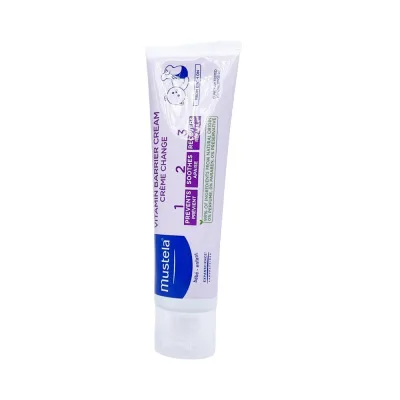
Prices are valid at publication and may change. Please refer to the product page for the latest price.
When the skin exhibits bright red patches, raised bumps, or a warm-to-the-touch texture, a more pronounced diaper rash is likely present. In severe cases, the skin may become broken, cracked, or show signs of peeling. If you observe broken skin, oozing, or if your baby shows signs of extreme discomfort during cleaning, you should bypass standard over-the-counter cosmetic solutions and consult a pediatrician immediately for professional medical guidance.
In addition to the immediate state of the diaper area, consider your baby’s overall skin type. Some infants have normal skin that tolerates standard formulations well, while others have sensitive or highly reactive skin that flares up at the slightest contact with fragrance. If your baby has been diagnosed with atopic-prone skin or eczema, their skin barrier is naturally compromised, requiring specialized, ultra-gentle formulations.
Identifying your primary care goal helps narrow down your options. Daily prevention focuses on creating a breathable physical barrier to keep wetness away from healthy skin. Soothing mild irritation requires lightweight, calming formulas that reduce friction. Intensive repair is reserved for active rashes, utilizing thicker, protective pastes that support the skin’s natural recovery process while shielding it from acidic waste.
Matching Mustela Diaper Care to Specific Skin Conditions
Once you have assessed your baby’s skin, you can map their needs to Mustela’s product categories. The brand structures its diapering line into two primary functional groups: cleansing products, such as wet wipes, and protective barrier products, such as creams and pastes.

Matching the right product to the corresponding skin condition prevents unnecessary irritation. For instance, using a heavily fragranced wipe on already inflamed skin can worsen a rash, while applying a thick, heavy treatment paste on perfectly healthy skin daily might be unnecessary and difficult to clean. By aligning your baby’s current skin state—whether normal, sensitive, or irritated—with the corresponding product category, you ensure that each diaper change supports skin barrier integrity.
Choosing the Right Wipes for Cleansing
Diaper wipes are the first line of defense in keeping the diaper area clean, but their formulation must match your baby’s skin tolerance. For babies with normal skin and no history of sensitivity, standard cleansing wipes are designed to gently remove residue while leaving a light, clean scent. These wipes typically contain mild cleansing agents and plant-derived extracts to maintain skin hydration during routine changes.
If your baby has sensitive, reactive, or dry skin, standard wipes may cause redness due to friction or fragrance ingredients. In these cases, look for fragrance-free, high-water-content wipes or those specifically formulated for sensitive skin. These options minimize the risk of contact dermatitis by omitting unnecessary perfumes and utilizing highly purified water combined with soothing plant extracts.
Always check the ingredient list on the back of the packaging before purchasing. Avoid wipes that contain drying alcohols, parabens, phthalates, or strong essential oils, as these can strip the skin of its natural lipids. In Singapore’s hot and humid climate, sweat and trapped moisture can make the skin even more vulnerable to chemical irritants, making clean, minimalist ingredient profiles a priority for daily cleansing.
Selecting Creams for Prevention and Treatment
Diaper creams serve as a physical shield between your baby’s delicate skin and the harsh environment inside a wet diaper. Everyday barrier creams are formulated for routine use at every diaper change. These creams generally feature a lighter, more spreadable texture that is easy to apply and wipe away. They work by depositing a thin, breathable layer of protective lipids and zinc oxide to repel moisture without clogging pores or trapping heat.
When active redness or a diaper rash is present, everyday barrier creams may not provide sufficient protection. This is when you should transition to intensive repair creams or thicker barrier pastes. These formulations contain higher concentrations of active protective agents, such as zinc oxide, which create a robust, water-resistant barrier over irritated skin. The thick texture prevents acidic urine and stool from coming into direct contact with the compromised skin barrier, allowing the underlying tissue to heal.
When applying these creams, always follow the manufacturer’s instructions on the label. For daily prevention, a thin, translucent layer is usually sufficient to protect healthy skin. For active irritation or rash treatment, apply a thicker, more generous layer—often described as “icing a cake”—to ensure complete coverage and maximum protection. Always ensure the skin is completely clean and dry before application to avoid trapping moisture beneath the cream.
Key Ingredients and Formulation Checks for Parents
Reading and understanding the ingredient label is the most reliable way to verify if a diaper care product is suitable for your baby. Zinc oxide is one of the most common and effective active ingredients in diaper creams, valued for its ability to reflect moisture and soothe irritated skin. Panthenol, also known as Vitamin B5, is another key ingredient to look for, as it helps hydrate the skin and supports natural barrier repair.
Parents should also look for proprietary or natural ingredients listed on Mustela packaging, such as Avocado Perseose, which is designed to protect the skin barrier, or Sunflower Oil Distillate, often included to soothe extremely dry or atopic-prone skin. However, always verify these ingredients directly on the product’s ingredient list rather than relying solely on front-of-pack marketing claims.
Equally important is checking for what is not in the product. Ensure the label explicitly states the absence of parabens, phthalates, phenoxyethanol, and synthetic fragrances, especially if your baby has sensitive skin. Look for terms like “hypoallergenic” and “pediatrician tested” on the packaging, which indicate the formulation has undergone rigorous safety evaluations to minimize allergy risks. Always cross-reference these claims with the official product documentation or the manufacturer’s website to ensure compliance with current safety standards.
Purchasing and Verifying Authenticity in Singapore
To ensure you are applying safe, genuine products to your baby’s skin, it is crucial to purchase Mustela diaper care from authorized retail channels. In Singapore, these include official brand flagship stores on major online marketplaces, established local pharmacy chains, and authorized department stores or baby specialty shops. Purchasing from unauthorized third-party sellers on discount platforms increases the risk of acquiring counterfeit or improperly stored items.
Counterfeit baby products pose a significant health risk, as they may contain unauthorized ingredients, contaminants, or incorrect formulations. Red flags that suggest a product may not be authentic include prices that are unusually low compared to standard retail rates (typically ranging from S$15 to S$35 depending on the product size), poor print quality on the packaging, misspelled words, or the absence of a batch code and expiration date. Genuine Mustela products will always feature clear, legible batch codes stamped on the crimp of the tube or the bottom of the bottle.
Upon receiving your purchase, inspect the packaging integrity immediately. Ensure the safety seals are intact and the product does not show signs of leakage. Given Singapore’s high humidity and ambient temperatures, proper storage is vital. Store your diaper creams and wipes in a cool, dry place away from direct sunlight, as excessive heat can cause the emulsion in creams to separate or cause wipes to dry out prematurely, compromising their effectiveness and safety.
Frequently Asked Questions (FAQ)
Can I use diaper cream on my baby's face or body?
Diaper creams are specifically formulated to be thick, heavy, and water-resistant to protect the diaper area from moisture and friction. Because of this dense texture, they are generally not suitable for use on a baby’s face or body, as they can clog pores and trap sweat, potentially leading to heat rash or further irritation. Always check the product label for specific usage instructions; unless a product is explicitly labeled as multi-purpose, keep diaper creams confined to the diaper area. For dry patches or rashes on the face and body, use a dedicated baby moisturizer or facial cream, and consult a pediatrician if the irritation persists.
How often should I apply cream during a diaper change?
The frequency of application depends on whether you are preventing irritation or treating an active rash. For daily prevention, you can apply a thin layer of barrier cream during every diaper change, especially before bedtime or long periods between changes when the baby will be in a wet diaper longer. For active rash treatment, apply a thicker layer of repair cream at every single change until the redness completely subsides. Regardless of the goal, always clean the diaper area thoroughly with a gentle wipe or water, and pat the skin completely dry with a clean towel before applying any cream to prevent trapping moisture.
What should I do if the rash worsens after using a new cream?
If your baby’s skin condition worsens, shows increased redness, or develops new bumps after applying a new diaper cream, stop using the product immediately. Gently cleanse the area with plain, lukewarm water to remove any remaining cream, avoiding harsh rubbing, and pat the skin completely dry. Some babies may have individual sensitivities to specific ingredients, even in hypoallergenic formulas. If the rash does not improve within a few days, spreads to other areas, bleeds, oozes, or is accompanied by a fever, seek professional medical advice from a pediatrician immediately to rule out secondary bacterial or fungal infections.
Community discussion
Share your experience or ask a question. Comments are reviewed before publication.