
Selecting the right breast milk storage system is a pivotal decision in your breastfeeding journey, directly impacting your daily organization, kitchen space, and feeding efficiency. Medela offers a variety of storage options, including single-use bags, reusable bottles, and specialized containers, each designed to address distinct lifestyle needs. The ideal choice depends on whether you are building a long-term freezer stash, commuting to an office, or managing daily feeds at home. By matching these products to your specific routine, you can minimize milk waste, streamline your cleaning schedule, and ensure your baby receives safely preserved milk.
To make the best choice, you must evaluate your daily environment, your available storage space, and how quickly you plan to use your expressed milk. While some parents rely entirely on one storage format, many find that a combination of bags and bottles provides the ultimate flexibility for transitioning between work, travel, and home care.
Quick Guide: Matching Medela Storage Types to Your Routine
Every breastfeeding routine has unique demands, and understanding how different storage formats align with your lifestyle is the first step toward an efficient setup. Medela breast milk storage bags are highly efficient for long-term freezing and maximizing limited space. Reusable bottles excel at daily pumping and direct feeding, offering a seamless transition from pump to baby. Specialized storage cups and containers are best suited for small volumes, transitional feeding, or organizing daily top-ups.
Products mentioned in this guide
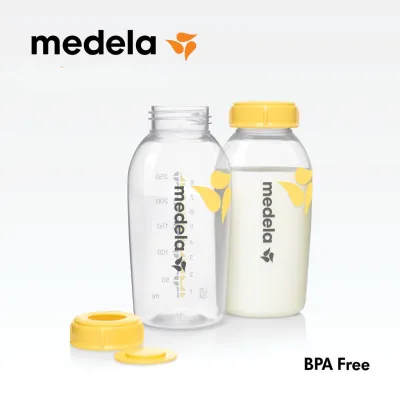
![[SG ready stock]Medela Breast Milk Glass Bottle BPA Free Formula Bottles Milk Storage Bottles Baby Bottle 250ml/150ml](https://img.lazcdn.com/g/p/25262fb830c360014c34a228dfbe63b1.jpg_400x400q80.jpg_.webp)
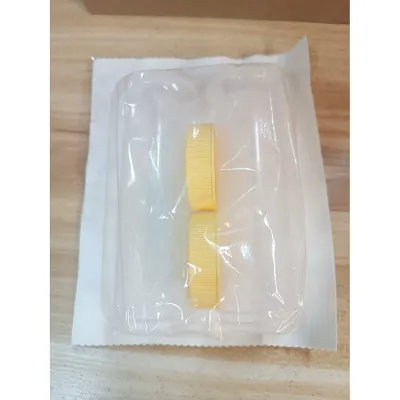
![[SG ready stock]Medela Breast Milk Storage Bottles BPA-Free 100% Original Milk Collection Containers for Breastfeeding Moms](https://img.lazcdn.com/g/p/25262fb830c360014c34a228dfbe63b1.jpg_webp_400x400q80.jpg_.webp)
Prices are valid at publication and may change. Please refer to the product page for the latest price.
When deciding on your primary storage method, consider three key factors: physical storage space, your preferred feeding method, and the expected duration of storage. If you live in a compact home with limited freezer space, bulky bottles can quickly overwhelm your shelves, making flat-laying bags the logical choice. Conversely, if your baby is fed primarily with fresh milk within a day or two of expression, reusable bottles reduce the need for constant transferring and minimize plastic waste.
Your current pumping volume also plays a significant role in determining the most efficient setup. Parents with a high milk supply often benefit from transitioning milk immediately into storage bags to build an organized freezer reserve. If you are pumping smaller amounts or are in the early stages of lactation, utilizing smaller bottles or specialized containers prevents milk from being spread thin across large surfaces, ensuring every drop is easily collected and fed to your baby.
Medela Breast Milk Bags: Best for Freezing and Saving Space
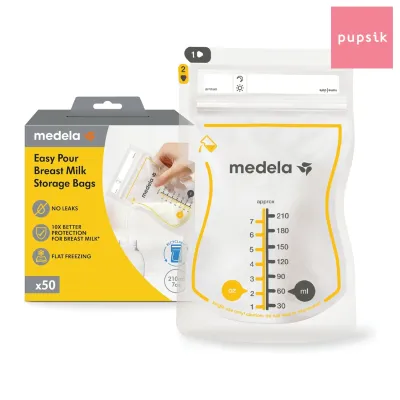
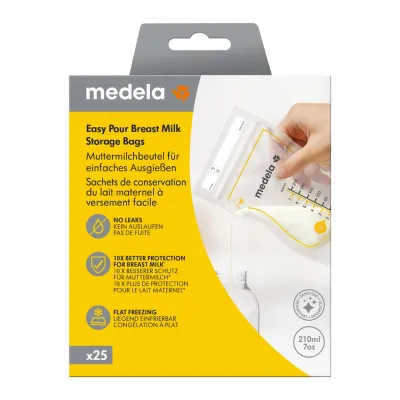
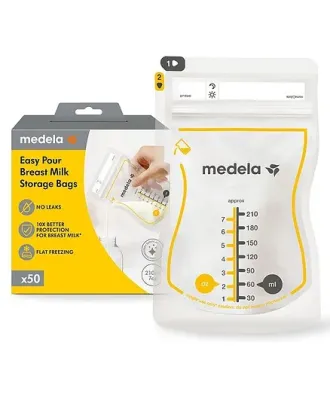
For parents focused on building a robust freezer stash or managing tight storage quarters, Medela breast milk storage bags offer an exceptionally space-efficient solution. These pre-sterilized, medical-grade bags are designed to lie completely flat when filled with a moderate volume of milk. This flat profile allows you to stack multiple bags neatly on top of one another, creating an organized “milk bank” that maximizes every square centimeter of your freezer.

Before filling a storage bag, it is essential to perform a few practical checks to ensure the safety and integrity of your expressed milk. Always inspect the double-zipper seal for any debris or misalignment before pouring in the milk. It is highly recommended to write the date, time, and volume on the designated labeling area using a soft-tip permanent marker before filling the bag; attempting to write on a filled, cold bag can puncture the plastic or result in illegible ink. When thawing, place the frozen bag in a clean container in the refrigerator or submerge it in lukewarm water, ensuring it remains upright to prevent any potential leaks during the transition.
Despite their convenience, storage bags come with specific trade-offs that you should weigh against your lifestyle. Because they are strictly single-use items, they generate ongoing plastic waste and require continuous repurchasing, which adds to your long-term parenting expenses. Additionally, while the plastic is durable, bags are inherently more vulnerable to accidental punctures from sharp freezer frost or rough handling than rigid plastic bottles, requiring careful placement within your freezer drawers.
Medela Breast Milk Bottles: Ideal for Daily Pumping and Direct Feeding
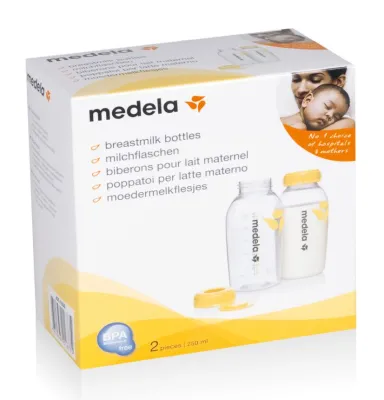
If your daily routine revolves around short-term storage and frequent, direct feeding, Medela reusable breast milk bottles are highly practical. These bottles are designed to connect directly to compatible Medela breast pumps, allowing you to express, store, and feed using the exact same container. This direct integration eliminates the need to transfer milk between different vessels, significantly reducing the risk of spills and cutting down on the volume of dishes you need to wash at the end of the day.
For parents commuting to work or traveling, ensuring a secure seal is paramount to preventing leaks in your transit bag. Always verify that the bottle collar and sealing disc are aligned correctly and screwed on tightly before placing them in a cooler bag with ice packs. Additionally, before heating your milk, check that the bottle material is fully compatible with your specific bottle warmer’s heating profile, as rapid temperature spikes can affect the longevity of the plastic. Keep a close eye on storage times, labeling each bottle with a removable silicone band or water-soluble marker to ensure fresh milk is used within recommended safety windows.
While bottles offer unmatched convenience for immediate use, they do present physical limitations. They occupy significantly more vertical and horizontal space in both your refrigerator and freezer compared to flat-laying bags, which can quickly clutter your kitchen. Furthermore, reusable bottles demand a consistent commitment to thorough cleaning, requiring meticulous washing, rinsing, and regular sterilization between every single use to maintain proper hygiene standards.
Medela Storage Containers and Cups: Versatile Options for Short-Term Use
Specialized storage containers and cups serve as excellent versatile options for parents navigating specific feeding transitions or managing smaller volumes of milk. These smaller vessels are particularly useful during the early weeks of breastfeeding when colostrum or transitional milk is produced in smaller, highly concentrated quantities. They are also ideal for storing small “top-up” portions that can be easily added to a feed without thawing an entire large bag of milk.
When utilizing these smaller containers, always evaluate their volume capacity against your baby’s current feeding intake to avoid overfilling. Ensure that the lids are fully threaded and securely tightened, especially if you plan to transport them in a diaper bag. These cups are also highly compatible with paced feeding systems or alternative cup-feeding methods, making them a valuable tool if you are working closely with a lactation consultant to address latching or feeding challenges.
However, these specialized cups are generally not intended for long-term deep freezing. The rigid plastic construction and wider lids do not stack as efficiently as storage bags, and some designs may become brittle if subjected to sub-zero temperatures for extended periods. Keep these containers dedicated to short-term refrigeration and quick-turnaround feeding routines for the best results.
Cross-Scenario Compatibility: Building a Flexible Storage Routine
Many parents find that the most successful storage strategy does not rely on a single product, but rather combines different Medela options to handle complex daily schedules. For example, if you are returning to an office environment, a highly effective workflow involves pumping directly into reusable bottles during the workday to keep the milk fresh and secure during your commute. Once you return home, you can feed your baby directly from those bottles or transfer any excess milk into storage bags to be frozen for future use.
To build a seamless routine, you must verify the physical compatibility of your specific equipment. Medela pumps utilize specific connector styles, and while many classic models feature standard narrow-neck threads, newer pump designs may require specific adapters to connect directly to storage bags or alternative bottle sizes. Review your pump’s instruction manual to identify which adapters are necessary to enable direct-to-bag pumping, which can save valuable time during busy office pumping sessions.
Your storage setup should remain adaptable as your baby grows and your daily schedule evolves. In the early months, small bottles and storage cups are highly efficient for frequent, low-volume feeds. As your baby’s feeding volume increases, transitioning to larger bottles and larger-capacity storage bags will help you manage your inventory more effectively, ensuring that your storage portions align closely with your baby’s growing appetite to prevent unnecessary milk waste.
Essential Safety and Handling Checks for All Storage Products
Regardless of which Medela storage product you choose, adhering to strict safety and handling guidelines is essential to protect the nutritional quality of your breast milk and ensure your baby’s well-being. Always pay close attention to the manufacturer’s maximum fill lines marked on both bags and bottles. Because breast milk expands as it freezes, leaving adequate empty space at the top of the container prevents the seal from rupturing or the cap from popping off under pressure.
Maintaining excellent hygiene throughout the expression and storage process is critical. Always wash your hands thoroughly with soap and water before handling any pumping equipment or storage containers. Reusable bottles and components must be washed in warm, soapy water, rinsed thoroughly, and sanitized according to the manufacturer’s instructions, while single-use bags should be inspected for any factory defects or tears before use. When warming milk, avoid using microwaves, which can create dangerous hot spots and degrade beneficial nutrients; instead, use a gentle bottle warmer or submerge the container in warm water.
Finally, establish clear stop conditions for discarding milk to ensure safety. If you notice that a container’s seal has been compromised, or if a storage bag has developed a tear during the thawing process, the milk should be discarded to avoid contamination. Always follow standard time and temperature guidelines provided by local healthcare authorities, and if you are ever unsure about the smell, appearance, or safety of stored milk, consult a qualified healthcare professional or lactation consultant for guidance.
Community discussion
Share your experience or ask a question. Comments are reviewed before publication.