
Choosing the right manual breast pump in Singapore depends on balancing your daily pumping frequency, lifestyle demands, and budget. While electric pumps offer automated convenience, a manual pump provides unmatched portability, silent operation, and direct control over suction rhythm—all at a fraction of the cost. Whether you need a reliable backup for occasional use, a lightweight travel companion for commuting, or a primary tool to build your milk stash, understanding the key features and ergonomic designs will help you make an informed decision.
By evaluating how often you plan to pump, where you will use the device, and how much physical effort you are comfortable exerting, you can narrow down the options. This guide breaks down the essential factors to consider, compares features across different budget tiers, and provides a practical framework to help you select the most suitable manual breast pump for your parenting journey.
Assessing Your Pumping Frequency and Lifestyle Needs
Before comparing specific models, it is essential to identify your primary use case. Breastfeeding mothers typically fall into three categories: those who pump occasionally for relief or social outings, those who pump regularly to build a milk stash, and those who keep a manual pump as a reliable backup to an electric model. Your category directly influences the level of durability, comfort, and efficiency you require from a manual pump.
Products mentioned in this guide
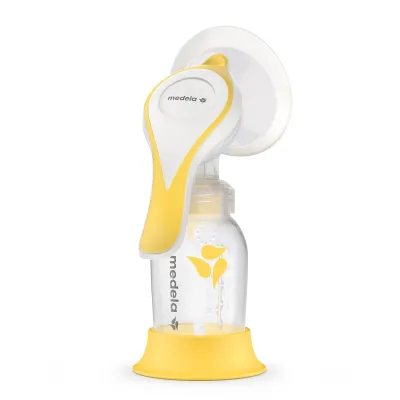
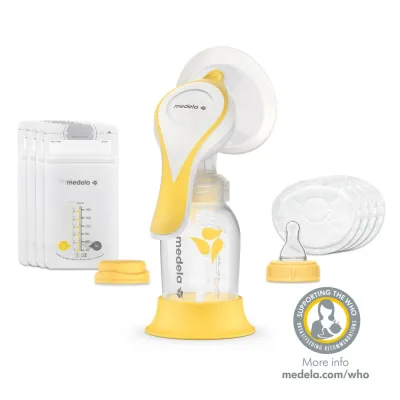
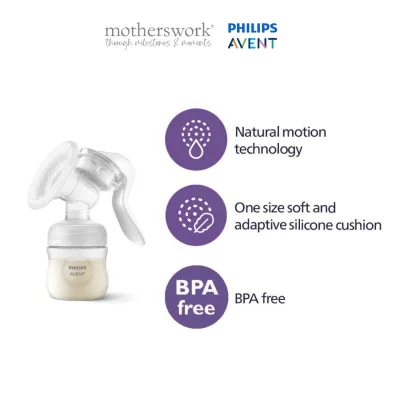
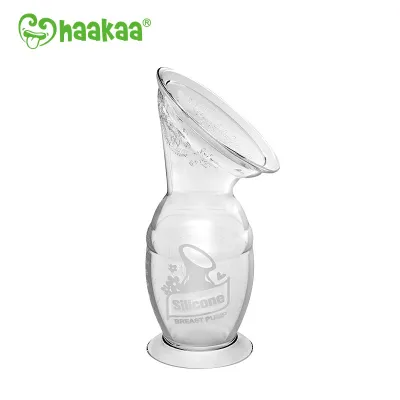
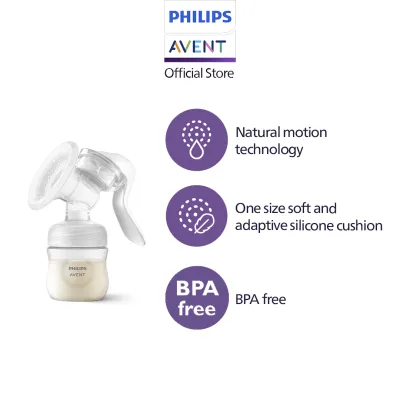
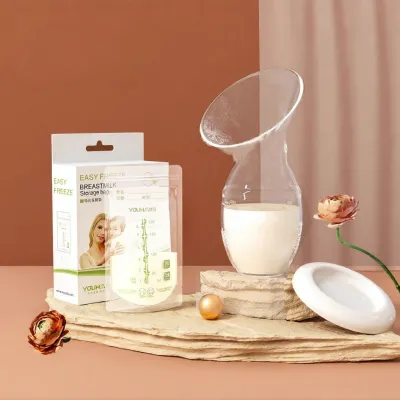
Prices are valid at publication and may change. Please refer to the product page for the latest price.
Daily pumping frequency plays a significant role in your decision because manual expression requires repetitive hand action. If you plan to pump multiple times a day, the physical toll on your hands, wrists, and fingers can accumulate quickly. In contrast, occasional users who only pump once or twice a week can prioritize simplicity and compact design over advanced ergonomic handles.
Portability is another critical factor, especially for active mothers in Singapore. If you frequently commute, travel, or move between different rooms at home, a bulky pump with multiple accessories can become a hassle. A compact, self-contained manual pump that fits easily into a diaper bag or handbag allows you to express milk discreetly and comfortably wherever you are.
Time availability also dictates your choice. Manual pumping requires your full attention and both hands—one to hold the breast shield and the other to operate the lever. If your daily schedule is highly packed, you must weigh the time spent manually pumping against the convenience of hands-free electric alternatives, keeping in mind that a manual pump is often faster to assemble, clean, and pack away.
Core Features to Compare Across Budget Tiers
When shopping for a manual breast pump, understanding which features justify a higher price point helps you get the best value for your money. Budget tiers generally range from entry-level silicone suction collectors under S$30 to premium mechanical manual pumps that cost upwards of S$80. Comparing specific features across these tiers ensures you do not overpay for functionality you do not need.

Flange Sizing and Comfort
The flange, or breast shield, is the funnel-shaped part that fits over your nipple. Proper sizing is crucial for both comfort and efficient milk expression. Entry-level pumps often come with a single, standard flange size (usually 24mm), which may not fit every mother comfortably. Premium models frequently offer multiple flange sizes in the box or sell compatible sizes separately. Using an incorrectly sized flange can lead to friction, pain, and reduced milk flow, so verifying the availability of alternative sizes is a priority.
Material Safety and Standards
Regardless of the price tag, material safety is non-negotiable. Look for pumps clearly labeled as BPA-free and made from food-grade silicone and polypropylene. High-quality materials ensure that no harmful chemicals leach into your expressed milk during collection or sterilization. While entry-level models from reputable brands meet these basic safety standards, premium models often feature higher-grade, ultra-soft silicone that feels more natural against the skin and maintains its shape longer under repeated sterilization.
Handle Ergonomics and Weight
The design of the pump handle directly affects how quickly your hand tires during a session. Basic manual pumps feature straight, rigid levers that require a full grip and significant force to compress. Premium models invest in ergonomic, curved handles that pivot smoothly, allowing you to use a lighter, one-handed grip. Some advanced designs even feature a swivel handle that lets you pump at different angles, significantly reducing wrist strain over longer sessions.
Suction Control and Expression Phases
More expensive manual pumps often mimic a baby’s natural nursing pattern by offering dual-phase expression. This is typically achieved through a two-way lever: one side is used for fast, shallow strokes to stimulate the let-down reflex, while the other side is used for slower, deeper strokes to draw out the milk. Entry-level models usually rely on a single suction strength, requiring you to manually adjust your hand pressure and speed to control the flow, which requires more practice and effort.
Decision Matrix: Matching Pump Types to Common Scenarios
To help you visualize how these features align with your daily routine, consider how different lifestyles dictate your priorities. A mother who primarily stays at home has different requirements than one who commutes daily on public transport or works in a shared office space. Use the following scenarios to identify which characteristics matter most for your situation.
Occasional Pumping and Travel
For mothers who only need to pump occasionally—such as relieving engorgement during a night out or keeping a backup in the car—simplicity is key. In this scenario, you should prioritize ultra-lightweight designs with minimal assembly parts. A simple, one-piece silicone suction pump is often highly effective for catching let-down on one breast while direct breastfeeding on the other.
These compact designs require no assembly, take up virtually no space in a travel bag, and can be cleaned quickly with standard dish soap and warm water. Because they do not rely on mechanical levers, they are completely silent and highly discreet, making them excellent companions for family day trips or flights where packing light is essential.
Regular Pumping and Building a Stash
If you are actively working to build a milk freezer stash or regularly replace missed feeds, you will need a mechanical manual pump designed for frequent use. Here, ergonomic comfort and efficient milk extraction are the top priorities. Look for a pump with a well-designed, cushioned handle that minimizes hand fatigue during 20-minute sessions.
An adjustable suction mechanism and a soft silicone massage insert inside the flange can help stimulate milk flow more effectively. While these models have more parts to clean and assemble than a basic silicone collector, the increased milk yield and reduced physical strain make them a worthwhile investment for daily use.
Returning to Work and Discreet Pumping
For working mothers transitioning back to an office environment, pumping discreetly in shared spaces or dedicated nursing rooms requires a balance of quietness and speed. A manual pump is naturally quieter than an electric one, but you should still look for models with quiet valve mechanisms that do not squeak or click during operation.
Compatibility with standard hands-free pumping bras is a major advantage, allowing you to keep the pump securely in place while keeping your hands free to use a computer or read. Additionally, choosing a model that pumps directly into standard storage bottles or bags can save precious time during busy workdays by eliminating the need to transfer milk between containers.
Essential Safety, Hygiene, and Compatibility Checks
Before finalizing your purchase, it is vital to perform several safety and compatibility checks. Because breast pumps are personal hygiene items, they are generally non-returnable once the packaging seal is broken. Taking the time to verify these details beforehand prevents costly mistakes and ensures a safe feeding experience for your baby.
First, check the manufacturer’s guidelines regarding sterilization and cleaning. Different materials have different temperature tolerances. While most polypropylene and silicone parts can withstand boiling water, steam sterilizers, and dishwasher cycles, some specialized parts or valves may degrade quickly under high heat or UV sterilization. Always verify if the pump parts are compatible with your existing home sterilizer to avoid warping or damaging the components.
Second, consider bottle thread compatibility. If you already have a collection of feeding bottles at home, look for a manual pump that shares the same thread standard (such as wide-neck or standard-neck). Many brands design their pumps to connect directly to their own bottles, but some offer adapters that allow you to pump directly into major third-party bottle brands or disposable milk storage bags. Direct pumping minimizes the risk of contamination and accidental spills during transfer.
Finally, inspect the packaging carefully upon purchase. Ensure that the hygiene seals are completely intact and show no signs of tampering. Look for clear manufacturing dates, batch numbers, and authentic certification labels on the box. If you notice any tears in the silicone valves, molding defects on the plastic parts, or missing components upon unboxing, do not use the pump; instead, contact the retailer or manufacturer immediately for a replacement.
Purchasing Channels and Post-Purchase Verification
In Singapore, manual breast pumps are widely available across various retail channels. To ensure you are purchasing a genuine product backed by a valid local warranty, buy directly from authorized brand stores, reputable local pharmacies, or established department stores. While online marketplaces offer convenience and competitive pricing, be cautious of unauthorized parallel imports, which may lack local warranty coverage or contain counterfeit parts that do not meet safety standards.
When buying online, verify that the seller is an official flagship store or an authorized distributor. This guarantees that you receive authentic stock and have access to customer support if you encounter issues. Additionally, check the availability of replacement spare parts, such as silicone valves, diaphragms, and comfort cushions. These small components wear out over time and must be replaced periodically to maintain proper suction; buying a pump from a brand that does not sell individual spare parts can force you to replace the entire unit prematurely.
Once your pump arrives, perform a thorough physical inspection before sterilization. Wash your hands, open the packaging, and lay out all the components on a clean surface. Check that the silicone parts are flexible and free of micro-tears, and ensure the plastic parts fit together snugly without gaps. If the pump features a mechanical lever, test the movement to ensure it operates smoothly without sticking or making unusual noises.
Frequently Asked Questions (FAQ)
Can I use a manual breast pump if I have a low milk supply?
Yes, a manual breast pump can be a helpful tool for stimulating milk production, but it should be used as part of a broader management plan. The manual action allows you to control the speed and suction pattern, which can help trigger the let-down reflex. You can use a manual pump for short, frequent stimulation sessions to signal your body to produce more milk.
However, if you have persistent concerns about your milk supply, it is highly recommended to consult a certified lactation consultant or healthcare professional. They can provide personalized guidance, assess your baby’s latch, and help you develop an effective feeding and pumping schedule tailored to your body’s needs.
How often should I replace the silicone valves and membranes?
Silicone valves and membranes are delicate parts that stretch and wear out with regular use, washing, and sterilization. When these parts lose their elasticity or develop tiny, invisible tears, the pump’s suction strength will decrease, leading to longer pumping sessions and lower milk yields.
As a general guideline, if you pump daily, you should inspect and consider replacing these silicone parts every 1 to 3 months. If you only pump occasionally, they may last between 3 to 6 months. Always refer to your specific manufacturer’s instruction manual for their recommended replacement schedule, and replace any part immediately if you observe visible stretching, warping, or tearing during cleaning.

Community discussion
Share your experience or ask a question. Comments are reviewed before publication.