
Finding the ideal lightweight carrier bag for your stroller depends entirely on matching your specific stroller model’s folded dimensions with your travel habits. There is no single universal winner; the best choice balances exact brand compatibility, carrying comfort, and the level of protection required for your typical transit environment. Navigating busy transport hubs like Changi Airport, boarding public transit, or packing a car boot for a family getaway requires a streamlined travel system. A well-chosen carrier bag protects your stroller from dirt, moisture, and minor scuffs while keeping your hands free to manage your child. To make an informed decision, you must evaluate folded dimensions, carrying styles, material durability, and your typical travel profile.
Verify Stroller Dimensions and Brand Compatibility
Before purchasing any carrier bag, the most critical step is to measure your stroller’s folded dimensions. Do not rely solely on the manufacturer’s standard specifications, as these measurements often exclude attached accessories. Canopy extensions, bumper bars, cup holders, and parent consoles can add significant bulk to the folded frame. To get an accurate measurement, fold your stroller completely, lock the chassis, and use a measuring tape to record the maximum length, width, and height. If your stroller has quick-release wheels, measure it both with the wheels attached and removed, as taking the wheels off can dramatically reduce the overall footprint and allow for a more compact bag.
Once you have these measurements, compare them against the internal dimensions of potential carrier bags. This brings you to the choice between brand-specific (OEM) bags and universal-fit options. Brand-specific bags are engineered by the stroller manufacturer to fit precise models. They offer a tailored, snug fit that minimizes shifting during transit, which reduces the risk of internal friction damage. Many OEM bags also feature dedicated internal compartments for wheels, belly bars, or rain covers, ensuring everything stays organized and secure. The primary trade-offs are cost and long-term utility; these bags are often more expensive and cannot be reused if you switch to a different stroller brand in the future.
Products mentioned in this guide
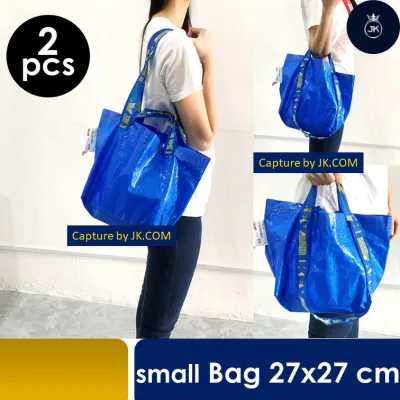
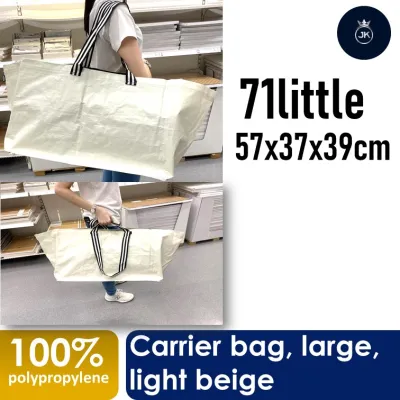
Prices are valid at publication and may change. Please refer to the product page for the latest price.
Universal-fit carrier bags offer greater versatility and are widely available on various online marketplaces. They are designed with generous dimensions to accommodate a wide range of stroller brands and styles, from compact cabin strollers to larger jogging models. This makes them an excellent, budget-friendly investment if you own multiple strollers or plan to upgrade your gear later. However, the looser fit of a universal bag means the stroller can slide around inside. This shifting can cause uneven weight distribution while carrying and may lead to premature wear on the bag’s fabric where sharp frame joints press against the material.
Furthermore, check your stroller manufacturer’s guidelines regarding travel bag compatibility. Some premium stroller brands offer comprehensive travel guarantees or extended warranties that cover damage sustained during airline transit, but only if the stroller was packed inside their official, brand-approved travel bag. Using a third-party universal bag might void these specific warranties, leaving you responsible for any repair costs if the stroller is damaged by baggage handlers. Always read the warranty fine print to understand what is covered before deciding between an OEM and a universal bag.
Compare Carrying Styles for Travel Convenience
How you carry your stroller through transit hubs significantly impacts your travel comfort. Carrier bags generally fall into three main design categories: backpack-style, single shoulder strap, and wheeled bags. Backpack-style carrier bags feature padded, adjustable shoulder straps that allow you to carry the stroller on your back. This hands-free design is incredibly convenient for parents navigating airports or train stations, as it leaves both hands free to push a luggage trolley, hold a child’s hand, or manage travel documents. When choosing a backpack-style bag, look for wide, padded straps and an adjustable chest clip to help distribute the weight evenly across your shoulders and torso.

Single shoulder straps and top carry handles are better suited for quick, short-distance transitions. If you are primarily loading the stroller in and out of car boots, taxi trunks, or public buses, a simple duffel-style bag is often the most efficient choice. These bags allow you to quickly grab the stroller and move, but they can cause shoulder strain if carried over long distances, especially with heavier stroller models. If you opt for a shoulder strap, ensure it features a sliding shoulder pad and is securely stitched to the bag’s main body with reinforced cross-stitching.
For larger, heavier strollers, a lightweight bag with integrated wheels can save you from physical strain. These bags allow you to roll the stroller behind you like a suitcase on smooth airport floors. However, wheeled carrier bags are inherently heavier and bulkier than unstructured bags. You must weigh the benefit of rolling convenience against the added weight and the challenge of storing a bulky, structured bag once you reach your destination.
Additionally, always check the empty weight of the carrier bag itself. When traveling by air, every kilogram counts toward your baggage allowance. If you plan to bring a compact stroller onboard as cabin baggage, the combined weight of the stroller and the carrier bag must comply with the airline’s strict cabin weight limits, which often range from 7kg to 10kg. A heavy carrier bag could push you over the limit, forcing you to check the stroller at the gate or the check-in counter.
Assess Material Durability and Protection Levels
A carrier bag must be durable enough to protect your stroller from the rigors of travel while remaining lightweight enough to carry easily. The choice of material plays a vital role in this balance. High-denier polyester or nylon fabrics (such as 600D or 900D) offer excellent resistance to tears, abrasions, and punctures. Given Singapore’s humid climate and sudden tropical downpours, look for fabrics treated with a water-resistant polyurethane (PU) or durable water repellent (DWR) coating. This prevents moisture from seeping through the bag and rusting metal joints or causing mold on the stroller’s seat fabric.
Protection levels vary widely from thin, unstructured nylon shells to heavily padded bags. Unstructured bags provide basic protection against dust, dirt, grease, and light scratches, making them ideal for gate-checking or storing the stroller in a car boot. However, they offer virtually no impact protection. If you expect your stroller to be handled by airport baggage staff, look for a bag that features foam padding around critical areas, such as the handlebar, folding hinges, and wheel axles. This padding absorbs shocks and prevents the frame from bending or scratching under pressure.
Before finalizing your choice, inspect the bag’s hardware and construction quality. Zippers are the most common failure point on travel bags; look for heavy-duty, self-repairing coil zippers with lockable pulls that allow you to secure the bag with a TSA-approved lock. Double-stitched seams, bound edges, and reinforced base panels are also crucial indicators of long-term durability. If the bag features plastic buckles or tension straps, ensure they are made of high-impact polymer that won’t crack easily under stress or in cold cargo holds. If you notice any fraying on the carrying straps, cracked plastic buckles, or torn seams, stop using the carrier bag immediately to prevent the stroller from falling and causing injury or damage. Consult the manufacturer for replacement parts or repair guidelines.
Decision Framework: Match the Bag to Your Travel Profile
To choose the right carrier bag, you must match the bag’s specifications to your typical travel scenarios. If you are a frequent flyer who regularly checks your stroller at the main ticket counter, your priority should be maximum protection. In this scenario, invest in a brand-specific, heavily padded travel bag, preferably one backed by a manufacturer travel guarantee. The added cost and weight are justified by the peace of mind that your premium stroller is shielded from the rough handling typical of automated baggage systems.
If your travel style involves gate-checking the stroller or relying heavily on public transit like the MRT, an ultra-lightweight, unstructured universal bag with backpack straps is the most practical choice. These bags can be quickly deployed at the aircraft door or boarding platform, and they fold down compactly enough to fit into the stroller’s under-seat basket when not in use. This eliminates the hassle of carrying a bulky, empty bag while pushing your child through the terminal.
For parents who own ultra-compact strollers designed to fit in overhead cabin bins, a simple, lightweight slipcover or drawstring bag is often sufficient. The primary purpose of a bag in this context is not impact protection, but rather keeping the stroller’s wheels from dirtying the overhead compartment or other passengers’ luggage. A minimalist, lightweight cover adds negligible weight and ensures compliance with airline cabin cleanliness guidelines.
However, there are scenarios where a lightweight carrier bag may not be appropriate. If your stroller is exceptionally heavy, bulky, or has fragile, non-removable parts, a lightweight fabric bag will not provide adequate support or protection. In such cases, you should consider a heavy-duty, structured travel case, or evaluate whether renting a stroller at your destination is a safer and more convenient alternative. Finally, always verify the specific stroller policies, size restrictions, and baggage fees of your chosen airline before departing, as rules can vary significantly between carriers.
Frequently Asked Questions (FAQ)
Can I use a universal carrier bag for a premium stroller brand? (FAQ)
Yes, you can use a universal carrier bag, but you must carefully verify the internal dimensions to ensure a secure fit. While universal bags are highly cost-effective, they may not offer the snug fit of an OEM bag, which can lead to the stroller shifting and sustaining minor scratches during transit. Additionally, check if using a non-brand bag voids any travel damage warranties offered by your premium stroller manufacturer.
Do airlines require strollers to be in a carrier bag? (FAQ)
Most airlines do not strictly require a carrier bag for gate-checking, but they highly recommend using one. A bag protects the stroller’s delicate fabrics, harness straps, and buckles from getting caught in baggage handling equipment or soiled during transit. For standard checked baggage, some airlines may mandate a protective bag or wrap to limit their liability for cosmetic damage.
How do I clean and maintain a lightweight stroller carrier bag? (FAQ)
To preserve water-resistant coatings and fabric integrity, avoid machine washing your carrier bag unless the manufacturer’s instructions explicitly permit it. Instead, spot clean the bag using a damp cloth, mild detergent, and cool water. Allow the bag to air dry completely in a shaded, well-ventilated area before folding it for storage to prevent mold and mildew growth, which is especially common in humid climates.

Community discussion
Share your experience or ask a question. Comments are reviewed before publication.