
Choosing the right kids plate is a fundamental step in supporting your child’s weaning journey. Rather than simply picking a colorful design, parents must evaluate how a plate’s physical characteristics align with their baby’s motor skills and developmental stage. The correct choice can minimize mealtime frustration, encourage independent eating, and keep clean-up manageable.
Every stage of weaning presents unique physical challenges for an infant. From the initial introduction of smooth purees to the mastery of toddler utensils, the design of your tableware plays a supportive role. By understanding your child’s current abilities, you can select a plate that acts as a learning tool rather than an obstacle.
Assess Your Baby's Current Weaning Stage and Motor Skills
The weaning journey is generally divided into three primary phases, each requiring different levels of physical coordination. The first phase, starting solids around six months, involves smooth purees and mashes where parents do most of the active feeding. During this stage, the infant’s primary task is learning to swallow and exploring the sensory properties of food.
Products mentioned in this guide
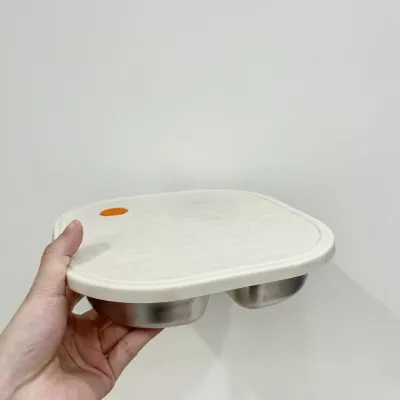
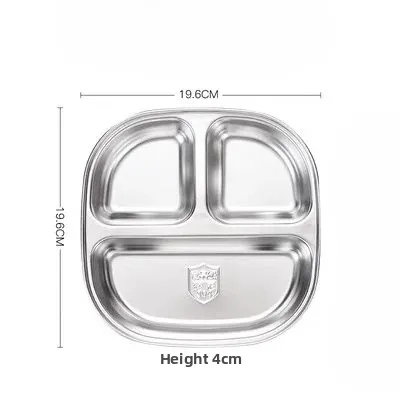
![[SG InStock]304 Stainless Steel Plate Kids Dinner Palte Compartments Tray Divided Dinner Plate](https://img.lazcdn.com/g/p/68e8cd2d5b1cdad3a7408ca8a62b005f.jpg_400x400q80.jpg_.webp)
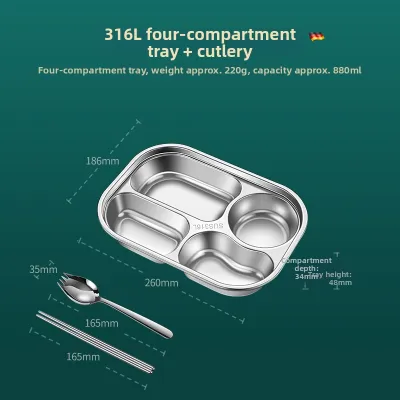
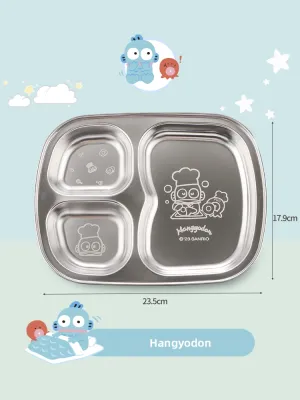
![Cartoon Melamine Tableware Hello Kitty/Frozen/McQueen/Paw Patrol Cute Plates for Children [SG Ready Stock]](https://img.lazcdn.com/g/p/ad258c69508707acb7a2167707d927db.jpg_400x400q80.jpg_.webp)
Prices are valid at publication and may change. Please refer to the product page for the latest price.
As babies progress to the second phase, usually between eight and twelve months, they begin exploring textures through finger foods. This stage relies heavily on the development of the palmar grasp, where the baby uses their entire hand to hold food, followed by the pincer grasp, which involves picking up small pieces using the thumb and index finger. Tableware must accommodate these grasping styles by keeping food accessible and stable.
The third phase, typically starting around twelve months, involves independent self-feeding with utensils. This stage requires advanced hand-eye coordination and the ability to scoop food against a barrier. Toddlers must learn to coordinate both hands, often holding the plate with one hand while scooping with the other.
To select the most appropriate plate, observe your child’s mealtime behavior and physical tendencies. If your baby is prone to lifting, throwing, or sliding dishes off the highchair tray, stability is your primary requirement. If they are focused on scooping but struggle to keep food on the spoon, the height and curvature of the plate’s walls are more critical than its suction power.
Keep in mind that developmental timelines vary significantly from child to child. You should base your tableware selection on your baby’s observed motor skills rather than their chronological age alone. Always cross-reference your observations with the specific product’s recommended age and safety guidelines on the packaging before introducing a new plate to your child’s routine.
Evaluate Key Design Features for Safety and Usability
When evaluating kids plates, material safety must be your top priority. Caregivers should carefully inspect product labels and packaging to verify that the materials used are food-grade and free from harmful chemicals. Look for verified certifications such as BPA-free, PVC-free, and phthalate-free labels on silicone, stainless steel, or natural bamboo products. Do not assume a product is safe based solely on the brand name or material type; physical verification of safety labeling is essential.

Kids plates generally fall into broad price bands, ranging from budget-friendly plastic options under S$10 to premium food-grade silicone or bamboo sets priced between S$20 and S$40. Investing in certified, durable materials often saves money in the long run by reducing the need for frequent replacements.
The plate’s base determines its stability and how well it resists sliding or tipping. Suction bases use a vacuum seal to lock the plate firmly onto flat surfaces, which is highly effective for preventing younger babies from tossing their meals onto the floor. For older toddlers who are ready to practice carrying their own dishes, non-suction plates with weighted or non-slip silicone bottoms are more appropriate, as they teach realistic handling while preventing accidental slips.
Plate depth and edge design directly impact a child’s ability to scoop food successfully. Curved, high inner edges act as a physical “wall” that allows babies to push food against the side to load it onto their spoons. Shallow, flat plates do not offer this support, making them better suited for early sensory exploration where food is spread out, or for older children who have already mastered utensil control.
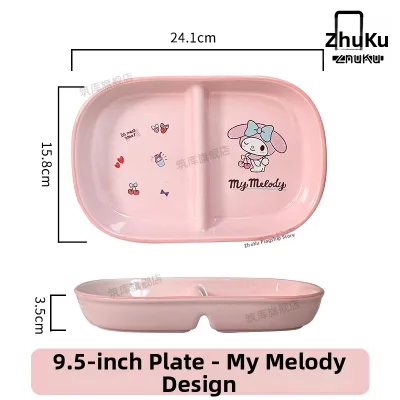
The choice between divided and open plates depends on your child’s eating habits and sensory preferences. Divided plates feature separate compartments that keep different foods from touching, which is highly beneficial for children who experience anxiety over mixed textures or flavors. They also assist parents with portion control. Open plates, conversely, encourage children to practice mixing foods and prepare them for eating family-style meals from standard dinnerware.
Match the Right Kids Plate to Your Baby's Developmental Milestones
Starting Solids (Around 6 Months)
At the beginning of the weaning journey, meals are primarily about introduction, tasting, and sensory play. Because parents perform the majority of the active feeding, a large, deep plate is unnecessary and can get in the way. Instead, look for small, shallow plates or flat silicone feeding mats that allow your baby to touch, smear, and taste purees easily.
During this early stage, an infant’s movements are highly uncoordinated, and any loose object on the highchair tray is likely to be swiped onto the floor. To prevent this, select a plate with an exceptionally strong suction base. A secure suction seal ensures that the plate remains stationary, allowing your baby to focus entirely on exploring the food without the distraction of a sliding dish.
Before purchasing a suction plate, it is essential to measure your highchair tray. In Singapore, many homes utilize compact highchairs with small, curved, or textured trays. If the suction base of the plate is wider than the flat surface of the highchair tray, or if the tray’s surface is too textured to allow a vacuum seal, the suction feature will not function. Verify these dimensions to ensure a secure fit.
Learning to Self-Feed (8 to 12 Months)
As your baby transitions to self-feeding with spoons and fingers, they require tableware that actively supports their emerging motor skills. Look for plates featuring curved or angled inner edges. When your baby pushes a spoon against these curved walls, the shape naturally guides the food onto the utensil, reducing frustration and building self-feeding confidence.
This is also the ideal stage to introduce divided plates. As you offer a wider variety of finger foods, keeping different textures and temperatures separate helps your baby identify individual flavors. This clear separation can make new foods less overwhelming and support sensory development during a critical phase of taste exploration.
Because babies at this stage frequently test cause and effect by dropping objects, durability is crucial. Choose plates made from highly durable, drop-resistant materials such as thick food-grade silicone or break-resistant plastics. Avoid glass, ceramic, or thin melamine plates that can shatter or chip when dropped repeatedly from highchair height.
Independent Toddler Eating (12 Months and Beyond)
Once your child reaches toddlerhood and demonstrates refined motor skills, they are ready to transition to larger, standard-depth plates or shallow bowls. These designs closely resemble adult dinnerware, helping to teach mature eating etiquette. The larger surface area also accommodates the increased portion sizes and varied meals of a growing toddler.
At this stage, you can begin phasing out suction bases. Toddlers quickly figure out how to peel suction plates off the table, and the sudden release of a strong vacuum can cause a larger mess than a standard plate would. Transitioning to plates with weighted, non-slip bottoms teaches your child to handle their dishes carefully while providing enough resistance to prevent accidental spills.
While divided plates remain useful for picky eaters, introducing open plates is highly beneficial now. Open designs encourage toddlers to practice managing mixed foods, such as pasta with sauce or rice with stews. This helps them adapt to eating family-style meals and prepares them for using standard household tableware.
Perform Safety Checks and Routine Maintenance
To keep your kids plates hygienic and functional, you must strictly follow the manufacturer’s care and maintenance instructions. Never assume a plate is microwave- or dishwasher-safe based on material type alone. For example, some silicone plates contain internal metal or plastic stiffeners that cannot be microwaved, while certain bamboo plates will warp or split if exposed to the high heat and moisture of a dishwasher. Always verify the safety symbols on the product packaging before use.
Regularly inspect all tableware for physical wear and tear. Run your fingers along the edges of silicone plates to check for deep scratches, cuts, or degradation of the suction base, as damaged silicone can harbor bacteria. For bamboo or wooden plates, check for splinters, cracks, or loose joints that could pinch your child’s skin or trap food particles.
Proper drying is critical, especially in Singapore’s humid climate. Natural materials like bamboo and wood must be thoroughly air-dried in a well-ventilated area after washing. Storing these plates in closed, damp cupboards before they are completely dry can lead to mold growth in the natural crevices of the material, posing a health risk to your child.
Establish clear safety boundaries for when to discard a plate. If you observe deep, un-cleanable scratches, persistent soapy odors, splintering wood, or any signs of mold that cannot be thoroughly removed, stop using the plate immediately. Discard the damaged item and replace it to ensure your child’s feeding environment remains safe and hygienic.
Frequently Asked Questions (FAQ)
When should I transition my baby from a suction plate to a regular plate?
The transition from a suction plate to a regular plate depends on your child’s behavioral readiness and motor skills rather than a specific age. Most children are ready to make the switch between 12 and 18 months, once they stop intentionally throwing or flipping their tableware. You can test their readiness by introducing a non-suction, non-slip plate during low-mess snack times under close supervision to observe how carefully they handle it.
Are silicone kids plates safe for microwave use?
You must always check the specific manufacturer’s label or packaging for microwave-safe symbols before heating food on a silicone plate. While pure, high-quality food-grade silicone is naturally heat-resistant, many commercial kids plates feature embedded plastic structural supports, decorative elements, or suction mechanisms made of materials that can warp, melt, or release chemicals when exposed to microwave heat.
How do I remove strong suction from a kids plate without breaking it?
To release a strong suction seal safely, locate the small release tab molded onto the edge of the silicone suction base. Gently lift or pull this tab upward to allow air to enter underneath the seal, which immediately breaks the vacuum. Avoid pulling the plate straight up by its edges, as this can damage the silicone, risk damaging the highchair tray, or cause food to spill.
Community discussion
Share your experience or ask a question. Comments are reviewed before publication.