
Potty training is a landmark phase in early childhood development, signaling a transition toward independence. However, the practicalities of managing this milestone can vary dramatically depending on your living environment and daily routine. In Singapore, where families often balance compact apartment living with active, on-the-go weekends, a standard, bulky plastic potty can quickly become a logistical challenge. This is where the foldable potty serves as a practical, space-saving alternative.
Choosing the right model requires looking past aesthetic appeal to evaluate how a potty fits into your primary daily routines. By categorising your needs into three primary scenarios—frequent travel, compact flat living, or dedicated daily home use—you can narrow down the design features that will support your child’s progress. A one-size-fits-all approach often leads to frustration, such as buying an ultra-light travel model that feels too unstable for a toddler’s daily home use, or purchasing a heavy multi-functional potty that is too cumbersome to carry on a family outing to East Coast Park. Prioritising your dominant scenario ensures you invest in a tool that integrates seamlessly into your lifestyle.
Best Foldable Potty Features for Travel and On-the-Go
When you are away from home, potty training presents a unique set of challenges. Toddlers have short windows between realizing they need to use the toilet and the actual event, making immediate access to a clean, familiar seat essential. A travel-optimised foldable potty must prioritize rapid deployment, lightweight construction, and reliable mess containment to minimize stress during public outings, road trips, or flights.
Products mentioned in this guide
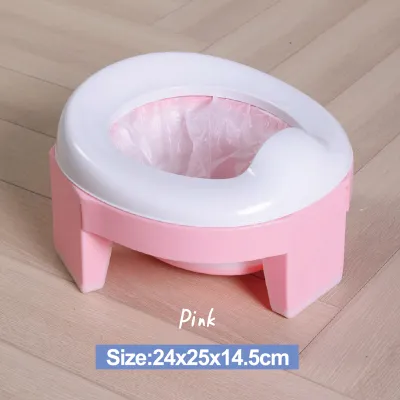
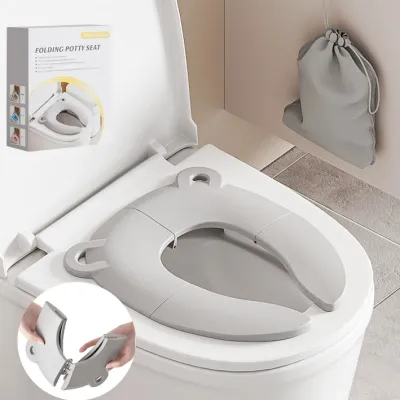
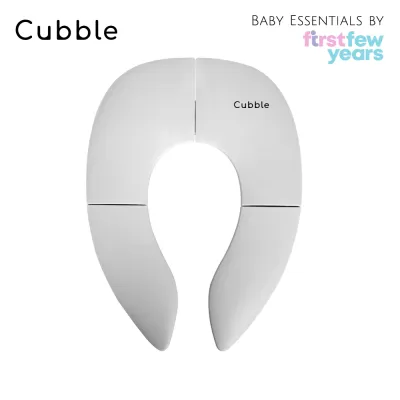
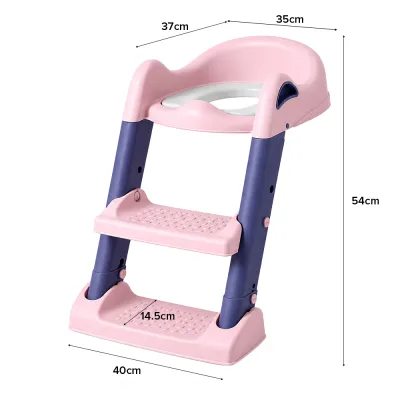
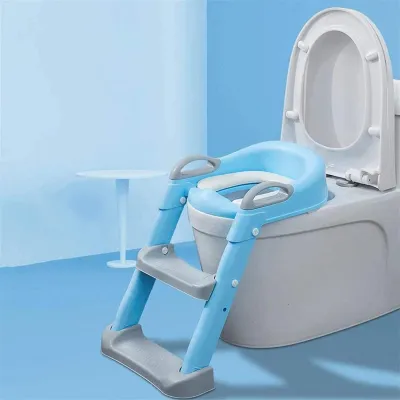
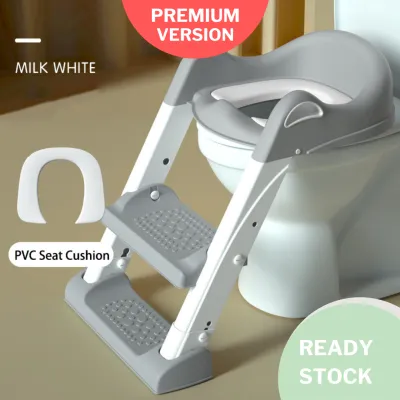
Prices are valid at publication and may change. Please refer to the product page for the latest price.
The physical dimensions of the potty when folded are critical. It should ideally fit inside a standard diaper bag, the under-seat basket of a stroller, or a compact car boot without displacing other essentials. Parents should look for models constructed from durable, lightweight plastics that do not add unnecessary bulk to their travel gear. Beyond weight, waste management is the most critical factor for outdoor use. The potty must feature a secure system for holding disposable, leak-proof liners or collection bags, allowing you to wrap and dispose of waste hygienically when public restrooms are unavailable or unsanitary.
Key Portability and Setup Features
When comparing travel models, evaluate the folding mechanism closely. Flat-fold designs use hinges that allow the sides to collapse inward, creating a slim profile that easily slides into bags. Collapsible nesting styles, on the other hand, feature concentric rings that compress downward into a flat disc. Both styles have merits, but flat-fold models often provide greater structural rigidity when unfolded. Look for models that weigh under one kilogram and include a dedicated, washable travel pouch or carry handle to keep the rest of your belongings hygienic.
Practical Tips for Travelling Parents
To ensure smooth outings, assemble a dedicated “potty kit” that remains packed and ready. This kit should include the folded potty, several biodegradable disposable liners, flushable wipes, hand sanitiser, and sealable wet bags for waste disposal. Before attempting to use the potty in a busy public space, practice unfolding and setting it up at home with your child. This familiarises them with the seat and ensures you can deploy it in seconds during an emergency.
Optimising Space: Foldable Potties for Small Flats and HDBs
Living in a compact apartment or HDB flat in Singapore requires smart spatial management. Traditional potties have a large footprint and often sit permanently on the bathroom floor, creating a tripping hazard and cluttering a high-traffic area. A foldable potty designed for compact homes can be collapsed and tucked away out of sight when not in use, keeping your living space organized and hygienic.

When selecting a potty for a small flat, look for designs that fold completely flat. This allows you to slide the unit under a bathroom vanity, lean it against a wall, or store it in the narrow gap next to the washing machine. Additionally, visual clutter can make small spaces feel even smaller. Choosing a potty with a minimalist design and neutral, muted colours helps it blend into your home decor rather than standing out as a bright, plastic distraction in your living room or bathroom.
Space-Saving Designs and Storage Solutions
Flat-folding models are generally the easiest to store in narrow household gaps. If floor space is exceptionally limited, look for models that feature built-in hanging loops or compatible wall hooks. Hanging the collapsed potty on the back of a bathroom door or on the side of a cabinet utilizes underused vertical space and keeps the potty off wet bathroom floors, which is particularly important in wet-and-dry combined HDB bathrooms.
Multi-Functional Options for Compact Homes
To maximize the value of every square metre, consider a multi-functional foldable potty that serves dual purposes. Some advanced models are designed to fold into a sturdy step stool or a small toddler seat when the lid is closed. This eliminates the need to buy a separate step stool for handwashing at the sink. However, safety must remain your top priority. Before using any potty as a step stool, consult the manufacturer’s instruction manual to verify the maximum weight limit, check for non-slip rubber feet on the base, and ensure the locking joints are fully engaged to prevent collapse.
Daily Home Use: Transitioning with a Foldable Potty
If your primary goal is daily potty training at home, your priorities shift from ultra-light portability to long-term comfort, structural stability, and ease of cleaning. A potty used multiple times a day must withstand the enthusiastic movements of an active toddler while providing a comfortable, non-threatening seating experience that encourages them to sit patiently.
While a foldable potty can serve as your primary training tool, it is also highly effective as a secondary potty in multi-level homes or to keep in a separate room for quick access. For daily use, a wide, stable base is non-negotiable. Toddlers frequently shift their weight, lean forward, or stand up abruptly. A potty that wobbles or tips easily can startle a child, potentially causing a setback in their training progress. Ergonomics also play a vital role; a contoured seat with a supportive backrest helps your child feel secure during longer training sessions.
Stability and Comfort for Everyday Training
For daily home training, inspect the base of the foldable potty for robust, non-slip rubber grips that prevent the unit from sliding on tiled bathroom floors. The folding joints must be highly rigid and feature secure locks that prevent any swaying or shifting when your child sits down. Additionally, ensure the seating surface is smooth and contoured, with no sharp plastic seams or narrow gaps near the hinges that could pinch delicate skin or cause chafing during extended use.
Cleaning and Maintenance Routines
Daily use requires a straightforward, hygienic cleaning routine. Look for foldable models that feature a removable inner bowl, which allows you to empty and rinse the waste without needing to carry the entire folding frame to the toilet. Seamless surfaces are highly desirable, as they prevent urine and grime from accumulating in hard-to-reach crevices. When cleaning, use mild, baby-friendly soaps and warm water. Always refer to the product’s care label and manufacturer instructions to avoid using harsh chemical cleaners that could degrade the plastic or weaken the folding mechanisms over time.
Can One Foldable Potty Do It All? Cross-Scenario Compatibility
Many parents wonder whether they can buy a single foldable potty to handle travel, small-space storage, and daily home training. While hybrid models exist, they inevitably involve trade-offs. A highly specialized travel potty is incredibly light and compact, but it may lack the robust stability and comfortable seating required for daily home use. Conversely, a heavy-duty, multi-functional home potty may fold flat for storage but prove too heavy and bulky to carry comfortably in a diaper bag during a day trip.
To decide whether to purchase one hybrid model or two specialized potties, consider your family’s lifestyle and budget. If you travel frequently or spend almost every weekend outdoors, investing in a dedicated, ultra-light travel potty alongside a sturdy, non-folding or heavy-duty folding potty for home use is often the most practical choice. If you rarely travel and primarily need to save space in a small flat, a single, robust flat-folding potty with a step-stool conversion feature will offer the best balance of utility and space-saving design. Standard price bands for foldable potties generally range from S$15 for basic travel seats to S$60 or more for premium, multi-functional hybrid models, allowing you to choose an option that fits your household budget.
Safety and Hygiene Checklist Before You Buy
Before finalizing your purchase, perform a thorough safety and hygiene check to ensure the product is safe for your toddler. Because foldable potties rely on moving parts, they require closer inspection than traditional one-piece plastic potties.
Use this checklist to verify the potty’s safety features:
- Hinge Locks: Ensure the folding hinges lock securely into place and cannot be collapsed accidentally by a child's movement.
- Pinch Prevention: Inspect the joints to ensure there are no gaps where small fingers or skin could get pinched during setup or use.
- Weight Capacity: Check the product packaging or manufacturer's documentation for the maximum weight limit, ensuring it accommodates your child's current weight with room for growth.
- Base Grip: Verify that the base has adequate non-slip rubber pads to prevent sliding on smooth surfaces.
- Supervision and Placement: Always place the potty on a flat, level floor, and never leave your child unattended during use.
Frequently Asked Questions (FAQ)
When should my child transition from a foldable potty to the regular toilet?
Children typically show readiness to transition to the adult toilet between the ages of two and four, though individual timelines vary. Key indicators include consistent success using the foldable potty, the ability to communicate their physical needs clearly, and the physical coordination to pull their clothing up and down independently. If your foldable potty converts into a step stool, you can use it to help your child climb onto the adult toilet seat safely, making the transition feel familiar and secure.
Are standalone foldable potties safe to use on top of an adult toilet seat?
No, standalone foldable potties designed for floor use are not safe to place on top of an adult toilet seat. These units are engineered specifically for flat, stable floor surfaces, and placing them on an elevated, curved toilet seat presents severe risks of slipping, tipping, and falls. If you want a solution for the adult toilet, purchase a dedicated foldable toilet seat reducer. Always check the manufacturer’s instructions to confirm the intended method of use for your specific product before attempting to place any training seat on an adult toilet.
Community discussion
Share your experience or ask a question. Comments are reviewed before publication.