
Choosing the right ezpz product comes down to matching your baby’s current developmental milestone with the correct mat size, plate division, and suction strength. Because feeding is a progressive sensory and motor skill, the tableware that supports a newborn transitioning to purees will differ significantly from the gear needed by an active toddler practicing self-feeding. By aligning your purchase with your child’s physical capabilities and your household’s dining setup, you can minimize mealtime mess and foster independent eating habits from the very first bite.
While age ranges provide a helpful starting point, every child develops at their own pace. Observing your baby’s trunk control, hand-to-mouth coordination, and interest in grasping food will give you the best indication of which feeding tools are appropriate. Investing in the right silicone tableware not only protects your furniture but also provides a stable, frustrating-free environment for your little one to explore new textures and flavors.
Quick Guide: Matching ezpz Products to Your Baby's Feeding Stage
To help you navigate the diverse range of silicone tableware, this decision matrix connects common developmental milestones with the most suitable product categories. Selecting the right tool ensures that your baby is neither overwhelmed by a plate that is too large nor frustrated by a bowl that cannot accommodate their growing appetite.
Products mentioned in this guide
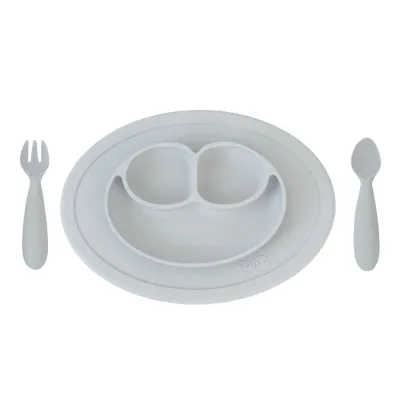
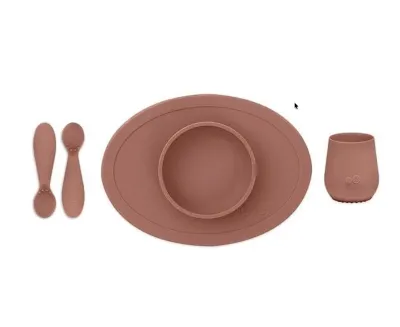
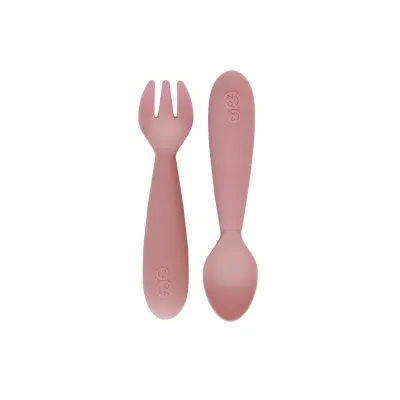
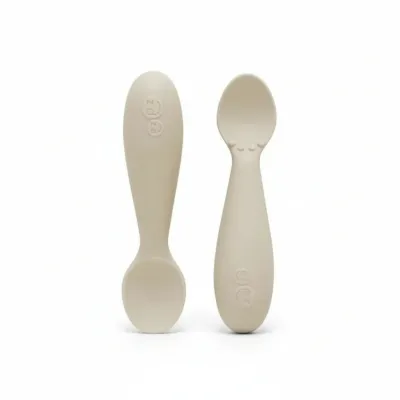
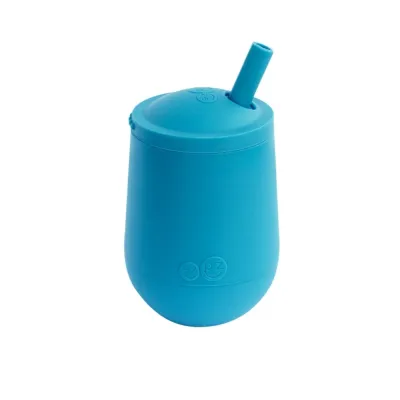
Prices are valid at publication and may change. Please refer to the product page for the latest price.
| Developmental Stage | Typical Milestones | Recommended ezpz Gear | Key Verification Check |
|---|---|---|---|
| Early Weaning (approx. 4–6 months) | Sitting with support; introducing smooth purees and mashed foods. | Small suction bowls, compact mini mats, and soft spoon sets. | Ensure the bowl base fits within your highchair's flat tray boundaries. |
| Active Self-Feeding (approx. 6–12 months) | Grasping finger foods; practicing utensil use; exploring textures. | Divided suction plates, medium suction mats, and silicone catch-bibs. | Verify that the highchair tray surface is completely smooth and non-porous. |
| Toddlerhood & Travel (approx. 12+ months) | Eating family-style meals; drinking from open cups; dining out. | Larger divided plates, open training cups, and portable, foldable mats. | Check the toddler's physical strength; ensure tableware fits standard dining tables. |
When using this guide, remember that safety and developmental readiness should always take priority. Before purchasing or introducing any new feeding accessory, always verify the manufacturer’s recommended age, weight, and developmental guidelines printed directly on the specific product packaging. Caregiver supervision is essential during all mealtimes to ensure your baby uses the tableware and utensils safely.
Decoding the ezpz Range: Mats, Plates, Bowls, and Bibs
Understanding the functional differences between the various product designs is key to choosing the right form factor. The ezpz range consists of several distinct categories, each engineered to solve specific mealtime challenges. Mixing up these designs can lead to unnecessary spills or a mismatch with your highchair setup.

All-in-one suction mats are the cornerstone of the brand’s design. These products feature a silicone plate or bowl that is permanently molded into a wide, flat silicone base mat. The primary benefit of this design is dual-action protection: the suction base keeps the dish firmly anchored to the table, while the surrounding mat acts as a built-in placemat to catch stray crumbs, drips, and spills. This setup is highly effective at protecting wooden dining tables and minimizing cleanup time.
In contrast, standalone plates and bowls offer a much smaller footprint. While they still feature suction bases to prevent tipping, they lack the wide perimeter mat. These standalone options are ideal for compact dining spaces, crowded family tables, or highchairs with very limited tray space where a full-sized mat simply will not fit flat.
Choosing between divided plates and open bowls depends largely on the types of food you are serving. Divided plates are specifically designed to separate different food groups, which is highly beneficial for babies learning to identify distinct textures and tastes. The physical dividers also provide a sturdy vertical wall that helps babies scoop up food with their fingers or early utensils. Open bowls, on the other hand, are better suited for liquid-based foods, purees, yogurts, and early cereals.
Silicone bibs with deep catch pockets serve a completely different purpose than traditional fabric bibs. While fabric bibs absorb liquids, they often become saturated quickly, leading to wet clothing and skin irritation around the baby’s neck. Molded silicone bibs stay physically open during meals, acting as a reliable trough to catch falling food and liquids. They are completely waterproof, do not absorb odors, and can be wiped clean or rinsed in the sink within seconds.
Because product names, bundle configurations, and seasonal design variations frequently change, always check the official product descriptions and packaging details. This ensures you are getting the exact dimensions, capacity, and features required for your specific household setup.
How to Select the Right ezpz Gear for Each Weaning Milestone
As your baby grows, their relationship with food changes dramatically. Matching your tableware to these shifting milestones ensures that your child always has the right level of physical support during meals.
Starting Solids and Early Weaning
The introduction of solid foods is an exciting milestone, but it begins with very small portions. At this stage, babies are primarily consuming smooth purees, mashed fruits, or thin cereals. Because their intake is minimal, large plates are unnecessary and can make portion sizes look deceptively small.
For this early phase, small-capacity suction bowls and compact mini mats are the most practical choices. These smaller items are designed to fit easily on crowded or exceptionally compact highchair trays, which are common in modern, space-conscious apartments in Singapore. A compact footprint ensures that you still have room on the tray for a water cup, a washcloth, and your own hands as you assist with feeding.
Even if you are primarily spoon-feeding your baby, secure suction remains highly important. Around five to six months of age, babies develop a strong urge to reach out, grab, and swat at objects in front of them. An unsecured bowl can easily be flipped over in a split second, sending purees flying across your floor or walls. A strong suction base keeps the bowl anchored, allowing you to focus on the feeding process rather than holding the dish in place.
Always check the manufacturer’s minimum age and developmental readiness guidelines on the packaging before introducing these early weaning tools. Ensuring your baby is physically ready to sit upright and swallow solids is the first step toward a safe feeding journey.
Developing Self-Feeding Skills
Between six and twelve months, many babies transition to self-feeding, often through baby-led weaning or a combination of spoon-feeding and finger foods. This is a highly active, sensory phase where babies use their hands to explore different food shapes, weights, and temperatures.
Divided suction plates are incredibly helpful during this stage. The separate compartments allow you to offer a balanced variety of foods—such as a protein, a vegetable, and a carbohydrate—without them mixing together. For many infants, keeping foods separate makes them more visually appealing and easier to grasp. Furthermore, the raised inner walls of the compartments act as a physical barrier, giving your baby a surface to push food against when trying to load a spoon or pick up slippery items.
As self-feeding skills develop, the eating area inevitably becomes messier. Larger suction mats are excellent for this phase because they cover a wider surface area of your dining table or highchair tray. This extra coverage protects sensitive table finishes from acidic foods like tomato sauce or berries. The suction base also prevents the baby from lifting the entire plate and tossing it onto the floor, which is a common experimental behavior at this age.
To manage the increased volume of dropped food, transition your baby to a silicone catch-bib. As your child practices bringing food to their mouth, a significant portion will inevitably fall. A sturdy silicone pocket catches these drops before they land on your baby’s lap or the floor, keeping clothes cleaner and reducing post-meal cleanup to a minimum.
Toddlerhood and On-the-Go Meals
By the time your child reaches toddlerhood, their appetite will have grown, and they will likely be eating the same meals as the rest of the family. Their motor skills are much more refined, allowing them to handle larger utensils and transition to open cups.
At this stage, you should transition to larger plates, standard open bowls, and training cups that mimic adult tableware. These larger dishes accommodate bigger portions and allow for more complex meal presentations. Open cups are particularly important during toddlerhood, as they help support proper oral muscle development and swallowing patterns.
Because toddlers are highly active and families frequently dine out at local cafes, visit relatives, or travel, portability becomes a major priority. Look for compact, flexible, or foldable silicone options that can be easily packed into a diaper bag. Lightweight mats that can be rolled up and secured allow you to maintain a clean, familiar, and slip-resistant eating surface for your child no matter where you are dining.
It is also important to reassess your suction needs during toddlerhood. Older toddlers are remarkably strong and clever; many will eventually figure out how to peel up the edges of a suction mat or lift a suction bowl by releasing the vacuum seal. When your child reaches this stage of physical strength, the primary role of the tableware shifts from absolute suction prevention to teaching proper table manners and using stable, slip-resistant dishes that fit naturally on standard dining tables.
Essential Checks Before Buying ezpz Tableware and Bibs
Before you invest in silicone feeding gear, performing a few quick household checks will save you from purchasing items that are incompatible with your existing furniture or highchair.
- Highchair Tray Compatibility: This is the most common mistake parents make. Always measure the flat, usable surface area of your highchair tray before buying a suction mat. If the mat is even slightly wider than the flat portion of the tray, or if it overlaps the curved outer rim, air will seep underneath. This breaks the vacuum seal, rendering the suction feature completely useless.
- Material and Safety Labels: Because these products come into direct contact with warm food, material safety is critical. Always inspect the packaging to verify food-grade silicone claims, BPA-free, PVC-free, and phthalate-free certifications. High-quality silicone should not contain cheap chemical fillers, which can degrade over time or leach odors into your baby's food.
- Suction Surface Requirements: Suction mats require a completely smooth, flat, and non-porous surface to create a proper vacuum. They work beautifully on polished stone, glass, laminate, and smooth plastic. However, they will not stick effectively to textured wood tables, matte finishes, tile surfaces with grout lines, or highchair trays with heavy grain patterns. Test your dining surfaces beforehand to ensure compatibility.
- Retailer Authenticity: Due to the popularity of premium silicone baby brands, counterfeit products are common on various online marketplaces and ecommerce platforms. These cheap imitations often bypass rigorous safety testing and may contain harmful chemical fillers or heavy metals. To protect your baby, always purchase directly from the brand's official store or authorized local distributors.
Taking the time to complete these checks ensures that your selected tableware performs exactly as intended, providing a safe and reliable feeding environment for your child.
Caring for Silicone Tableware and Bibs Safely
Proper maintenance is essential to keep your silicone feeding gear hygienic, odor-free, and in excellent physical condition for years to come. While silicone is highly durable, it still requires specific care to prevent material degradation.
Always rinse your silicone mats, plates, and bibs immediately after meals. Brightly pigmented foods—such as tomato paste, pumpkin, carrots, or turmeric—can leave stubborn stains if allowed to sit on the silicone surface for extended periods. Rinsing also prevents strong food odors, such as fish or garlic, from absorbing into the material. While high-quality silicone is generally dishwasher-safe, always check the specific product label for exact temperature limits and shelf placement recommendations (usually the top rack is preferred).
Never use sharp metal knives or metal utensils directly on silicone surfaces. While silicone is highly resilient to drops and impacts, it can be easily punctured or sliced by sharp metal edges. Cuts and deep scratches in the silicone not only ruin the product but also create deep crevices where food particles and bacteria can accumulate, making the item difficult to sanitize properly.
Regularly inspect your silicone tableware and bibs for signs of wear and tear. Pay close attention to the thin edges of suction bases, the adjustment straps on bibs, and the joints of divided compartments. Look for any stretching, micro-tears, or structural damage that could compromise the safety or functionality of the item.
If you notice that the silicone has become sticky to the touch, heavily discolored, or torn, stop using the product immediately. A sticky texture usually indicates that the silicone has degraded, which can happen if it is exposed to harsh chemical cleaners, abrasive scrubbers, or temperatures beyond its rated limit. In such cases, consult the manufacturer’s customer service for guidance or replace the item to ensure your baby’s safety.
Frequently Asked Questions (FAQ)
Why is my suction mat not sticking to the highchair tray?
Suction mats rely on a physical vacuum to stay anchored to a surface. For this vacuum to form, the contact area between the silicone base and the tray must be completely airtight. If your mat is sliding or lifting easily, it is usually because air is finding a way underneath the silicone base.
Common culprits include textured highchair trays, deep scratches on the plastic surface, or a thin layer of residual grease and dust. To resolve this, ensure both the tray and the underside of the suction mat are completely clean and dry. Wash the suction base with warm, soapy water to remove any invisible oil residue, let it air dry completely, and then press down firmly in the center of the dish to activate the seal on a smooth, flat surface.
Can I use silicone tableware and bibs in the microwave or oven?
While high-quality food-grade silicone is naturally heat-resistant, you must always check the specific product’s packaging or official care instructions for its verified temperature thresholds before exposing it to direct heat. Different product lines and design variations may have different heat tolerances.
Be particularly cautious with items that feature multiple materials, such as bibs with plastic fasteners, plates with nylon reinforcement cores, or cups with rigid plastic handles. These attached elements often have much lower heat tolerances than pure silicone and can melt or warp in the microwave or oven. If you are ever unsure of a specific product’s heat limits, the safest practice is to heat your baby’s food in a separate, verified microwave-safe glass or ceramic container first, and then transfer the warm food to the silicone dish once it has reached a safe feeding temperature.
Community discussion
Share your experience or ask a question. Comments are reviewed before publication.