
Choosing the right Eusik baby food for your baby’s weaning journey depends on matching their developmental milestones with the specific texture, consistency, and ingredient sizes indicated on the product packaging. Rather than relying solely on chronological age, parents should evaluate their baby’s oral motor skills—such as swallowing control and chewing ability—and cross-reference these with the manufacturer’s stage labels and preparation guidelines. This approach ensures that each meal supports your baby’s growth safely and comfortably.
For busy parents in Singapore, navigating the transition to solid foods involves balancing convenience with nutritional quality. Premium commercial options like Eusik offer a structured way to introduce diverse flavors and textures, especially when balancing home-cooked meals with ready-to-prepare options. Because Singapore’s warm, humid climate demands strict food safety standards, understanding how to select, prepare, and store these products is essential for maintaining their nutritional value and preventing spoilage.
To make the most of these products, caregivers must learn to read packaging indicators, identify physical readiness cues, and inspect ingredient lists carefully. This guide provides a practical framework to help you confidently select the most appropriate Eusik products for every stage of your baby’s weaning journey.
Products mentioned in this guide
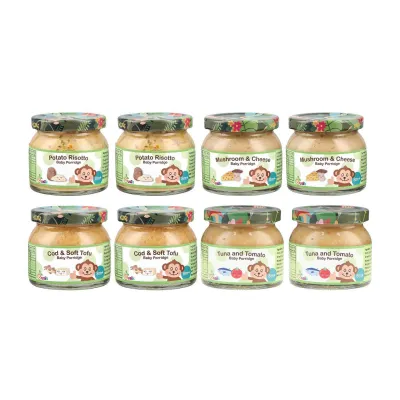
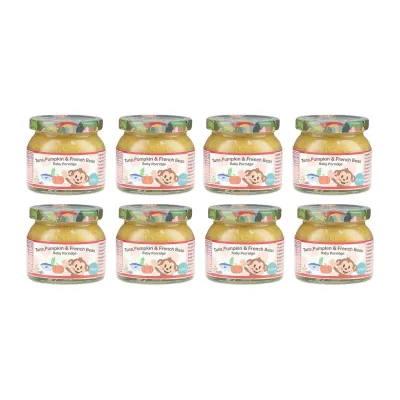
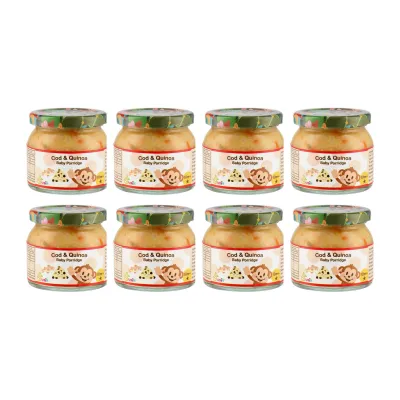
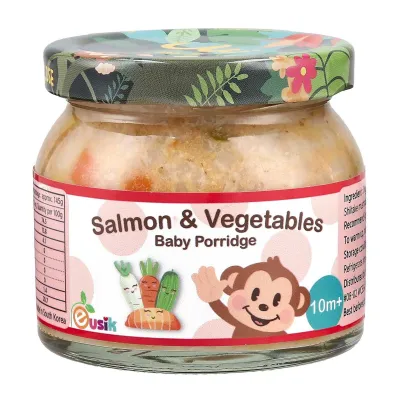
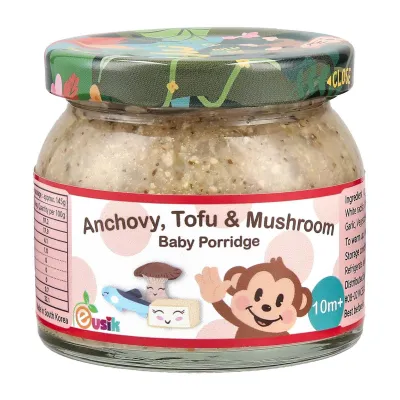
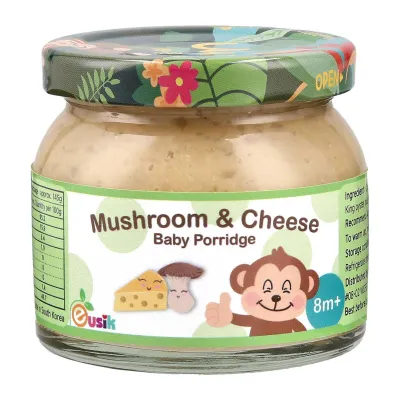
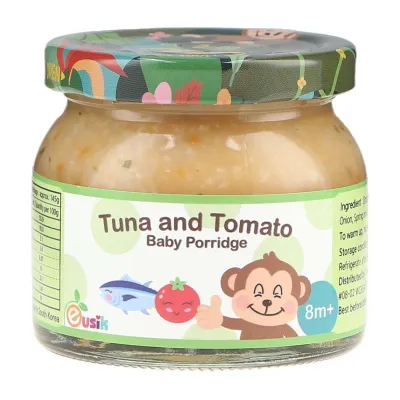
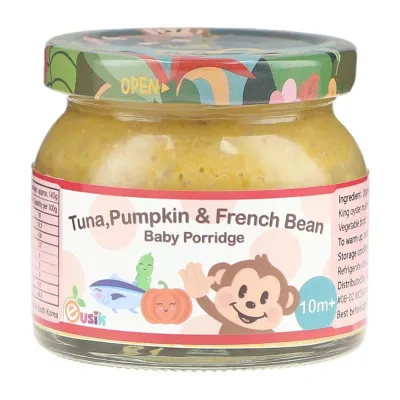
Prices are valid at publication and may change. Please refer to the product page for the latest price.
Understanding Your Baby's Weaning Stages
Weaning is a progressive developmental journey that typically begins around six months of age, when a baby’s digestive system and motor skills are mature enough to handle foods other than breast milk or formula. Standard pediatric guidelines generally divide this journey into distinct phases, starting with initial tasting, moving to learning to chew, and eventually transitioning to family meals. Each phase requires a specific food consistency to help the baby develop oral motor skills safely and effectively.
During the initial tasting phase, which usually spans the first few weeks of weaning, the primary goal is to introduce the concept of swallowing non-liquid food. The ideal texture at this stage is a completely smooth, runny puree or a very thin, single-grain rice gruel. At this point, food is not the primary source of nutrition, but rather a sensory experience to help the baby learn how to move food from the front of the mouth to the back for swallowing.
As your baby becomes comfortable with swallowing, they enter the learning-to-chew phase, typically around seven to eight months. This stage introduces thicker purees, finely mashed foods, and very soft, tiny lumps. Even without teeth, babies can use their gums and tongue to mash these soft textures against the roof of their mouth, which helps strengthen the jaw muscles and prepares them for more complex foods.
By nine to eleven months, most babies are ready for advanced chewing, which involves soft, minced foods, small tender chunks, and easily dissolvable finger foods. This phase often coincides with the development of the pincer grasp, where the baby can pick up small pieces of food between their thumb and forefinger. Offering textured foods during this window is crucial for preventing texture aversion later in childhood.
Around twelve months and beyond, the final phase involves transitioning to modified family meals. The food should consist of soft-cooked, chopped table foods that allow the baby to practice biting and chewing firmer textures. While chronological age serves as a helpful general reference, developmental readiness—such as head control, sitting stability, and tongue coordination—must always be the primary indicator for advancing to the next texture level.
How to Match Eusik Products to Each Weaning Stage
To select the correct Eusik product line, parents should look beyond the prominent age recommendations on the front of the packaging and focus on the specific stage indicators. Eusik products are typically categorized into sequential steps or stages designed to align with a baby’s growing physical capabilities. These indicators are printed clearly on the packaging, helping caregivers identify whether a product is formulated as a starter puree, a medium-textured porridge, or a thicker, chunkier meal.

When evaluating a product, turn the package over to read the detailed texture and ingredient size descriptions. A Step 1 or starter product should explicitly state that it features a completely smooth, uniform consistency with no visible lumps or fibers. For Step 2 or intermediate products, the label should describe a thicker, porridge-like consistency with finely minced vegetable or protein pieces that require minimal gumming.
For advanced stages, such as Step 3 or toddler meals, the packaging should indicate larger, soft-cooked grains and distinct, chewable pieces of vegetables or proteins. Checking these descriptions ensures that the physical size of the ingredients matches your baby’s current chewing and swallowing abilities, reducing the risk of gagging or frustration during mealtime.
It is also essential to verify the manufacturer’s preparation instructions, as different product formats require specific handling to achieve the intended consistency. Some Eusik products are ready-to-eat jars or pouches, while others may be freeze-dried powders or dehydrated cubes that require the addition of warm water. Carefully following the liquid-to-powder ratios specified on the packaging ensures the final meal is neither too thick nor too runny for your baby’s current stage.
If your baby is in a transitional phase, you can easily customize the consistency of prepared Eusik products. For example, if a Step 2 porridge is slightly too thick for a baby who is just moving up from Step 1, you can dilute it with a small amount of breast milk, formula, or warm water to create an intermediate texture. Always make these adjustments gradually, observing how your baby manages the modified consistency before moving fully to the next official product stage.
Key Factors to Check on Eusik Product Labels
Evaluating the ingredient list is the first step in ensuring a product is safe and suitable for your baby’s current weaning phase. When scanning the label, look for simple, recognizable ingredients and prioritize single-ingredient options during the very early stages of weaning. This practice makes it much easier to identify the source of any potential food sensitivities or allergic reactions before introducing complex, multi-ingredient meals.
Carefully check the ingredient list for common allergens, such as soy, wheat, dairy, eggs, fish, or sesame, which are frequently included in diverse baby food formulations. Additionally, verify that the product contains no added sugars, excessive sodium, artificial preservatives, synthetic colorings, or artificial flavorings. A high-quality baby food product should rely entirely on the natural flavors of its agricultural ingredients to encourage healthy palate development.
Next, examine the nutritional information panel to ensure the product aligns with your baby’s developmental needs. For babies around six months of age, natural iron stores begin to deplete, making dietary iron intake a priority. Look for products that feature iron-rich ingredients, such as beef, or those that are fortified with essential vitamins and minerals like iron and calcium to support rapid bone and muscle development.
Given Singapore’s warm and humid climate, verifying packaging integrity and shelf life is a critical safety step. Inspect the container thoroughly before purchase, ensuring there are no punctures, dents, bloated lids, or broken safety seals. For dry, powdered, or freeze-dried Eusik products, check that the resealable zip-lock is fully functional to prevent moisture from entering the package, which can lead to rapid spoilage or bacterial growth.
Always locate and check the expiration date printed on the packaging, keeping in mind that imported products may use different date formats. Ensure the product will be consumed well before this date, and note any instructions regarding how quickly the food must be used once the seal is broken. If you are budgeting for premium imported baby food, planning your purchases around these expiration dates helps minimize waste while ensuring your baby receives the freshest possible nutrition.
Signs Your Baby is Ready for the Next Eusik Stage
Transitioning your baby to a more advanced Eusik product stage should always be guided by observable physical and behavioral cues rather than a strict calendar schedule. One of the most important physical milestones is the ability to sit upright with minimal to no support, which indicates the core strength necessary for safe swallowing. Additionally, the baby must have excellent head and neck control to turn away from the spoon when they are full or if they need a break.
Another critical physical sign is the gradual disappearance of the extrusion reflex, which is the automatic tongue-thrust that pushes solid objects out of the mouth. When a baby is ready for thicker textures, they will be able to draw food from a spoon, keep it in their mouth, and use their tongue to move it toward the back of the throat for swallowing. You may also observe your baby making active chewing motions with their jaw when offered slightly thicker purees.
Behavioral signs are equally telling indicators of readiness for new textures. If your baby watches you intently during family meals, mimics chewing motions while watching others eat, or reaches out to grab food from your plate, they are demonstrating a keen interest in exploring new culinary experiences. A baby who eagerly opens their mouth when a spoon approaches is showing readiness to progress beyond basic starter purees.
When introducing a new, more textured Eusik product, always do so gradually and in a calm environment. It is normal for babies to experience mild gagging occasionally as they learn to manage lumps; this is a natural safety mechanism that helps them move food forward in the mouth. However, persistent gagging, choking, or immediate spitting out of the food indicates that the texture may still be too challenging, and you should temporarily return to a smoother stage.
If your baby shows persistent refusal, severe gagging, vomiting, or signs of digestive discomfort such as unusual bloating or changes in stool consistency after trying a new texture, pause the transition. In such cases, or if you suspect an allergic reaction, consult a pediatrician or a qualified healthcare professional for personalized guidance. Advancing textures should always be a positive, pressure-free experience that respects your baby’s unique developmental pace.
Frequently Asked Questions (FAQ)
Can I mix different Eusik stages if my baby is transitioning?
Yes, mixing different stages is a practical and gentle way to help your baby adjust to more complex textures. If your baby is hesitant to transition from a smooth Step 1 puree to a thicker Step 2 porridge, you can blend a small amount of the Step 2 product into their familiar Step 1 meal. This gradual introduction allows your baby to experience tiny, soft lumps while still enjoying a familiar, easy-to-swallow consistency.
Before mixing, always check the specific preparation instructions on both Eusik packages to ensure the products are compatible and prepared safely. For instance, if one product requires reconstitution with hot water, prepare it fully and let it cool to a safe temperature before blending it with a ready-to-eat puree. Monitor your baby closely during the meal to observe how they manage the combined texture, and adjust the ratio as their chewing confidence grows.
How should I store opened Eusik baby food?
Proper storage is essential for maintaining food safety and preventing bacterial contamination, particularly in Singapore’s warm and humid environment. Always refer to the specific storage instructions and time limits printed on the Eusik packaging. Generally, once a jar, pouch, or prepared container of baby food is opened, any portion that has not been in contact with your baby’s saliva must be sealed tightly and stored in the refrigerator immediately.
To maintain strict hygiene, never feed your baby directly from the original container if you plan to save a portion for later, as bacteria from their saliva can transfer to the food and cause rapid spoilage. Instead, spoon a small portion into a separate, clean bowl for feeding and refrigerate the remainder, typically using it within 24 hours. Any prepared baby food that has been left at room temperature for more than two hours must be discarded to ensure your baby’s safety.
Community discussion
Share your experience or ask a question. Comments are reviewed before publication.