
Choosing a child carrier backpack in Singapore requires balancing ergonomic support, physical comfort, and tropical climate adaptability. Whether you are navigating the nature trails of the Southern Ridges or walking through crowded shopping malls, a properly designed carrier distributes your child’s weight evenly to prevent back strain. To find the right model, parents must look beyond marketing claims and evaluate specific structural features, safety certifications, and developmental fit guidelines.
An ergonomic carrier is not just a luxury; it is a necessity for protecting both your physical health and your child’s skeletal development. By understanding how weight is distributed and how a child’s body should be positioned, you can make an informed decision that ensures comfortable, pain-free outings for the entire family.
Understanding Ergonomic Design in Child Carrier Backpacks
True ergonomic design in a child carrier backpack focuses on supporting the natural anatomy of both the wearer and the child. For the child, the most critical ergonomic feature is the seating position. A high-quality carrier must support the “M-shape” position, also known as the spread-squat position, where the child’s knees are slightly higher than or level with their hips. This positioning keeps the hip joint in a secure socket, reducing the risk of hip dysplasia and supporting healthy spine development.
Products mentioned in this guide
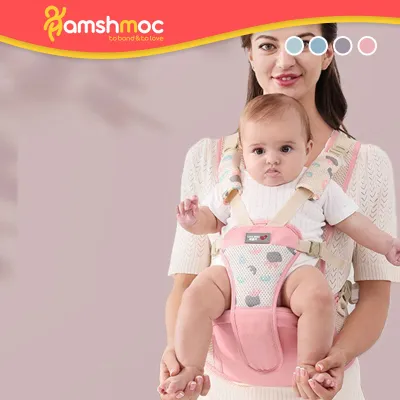
![[SG In Stock]Ergonomic Baby Carrier Backpack Infant Baby Hipseat Carrier Front Facing Baby Wrap Sling Travel Backpack](https://img.lazcdn.com/g/p/3c0cdb9bc2b1c77dbdec8695e3ea31f2.jpg_400x400q80.jpg_.webp)
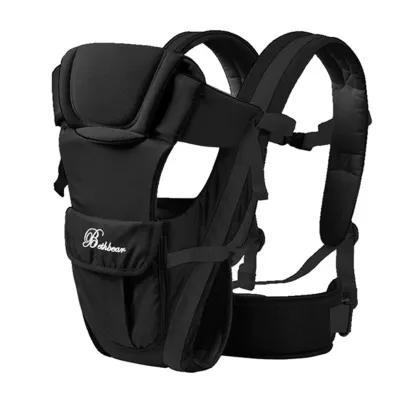
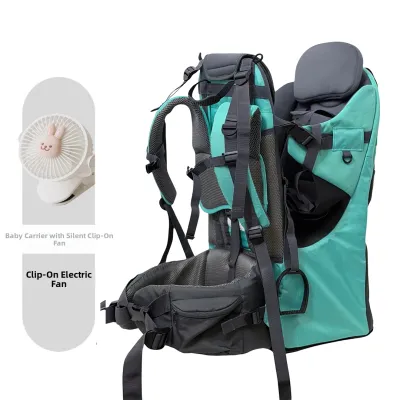
Prices are valid at publication and may change. Please refer to the product page for the latest price.
For the parent, ergonomics is entirely about weight distribution. A child’s weight should not pull downward on your shoulders or strain your neck. Instead, a structured carrier uses a wide, padded hip belt to transfer up to 80 percent of the load directly to your pelvic girdle, which is far better suited for carrying heavy weight than your spine. This transfer stabilizes your center of gravity, allowing you to walk naturally without leaning forward to compensate for the load.
Multi-point adjustability is another hallmark of genuine ergonomic design. Because parents come in all shapes and sizes, a carrier must offer adjustable torso lengths, shoulder straps, and sternum straps. This adjustability ensures that if partners of different heights share the carrier, each person can customize the fit to align the lumbar support panel perfectly with their lower back, preventing localized pressure points.
Evaluating Comfort Features for Both Parent and Child
When evaluating comfort, the quality and density of the padding are paramount. Low-density foam compresses quickly under weight, leading to webbing straps digging into your shoulders. Look for high-density EVA foam or closed-cell padding in the shoulder straps and hip belt, as these materials retain their shape and cushioning properties over hours of continuous use. For the child, check for plush padding around the leg openings to prevent friction and chafing against their thighs.

Buckle placement and strap routing directly affect how easily you can use the carrier independently. A well-designed carrier allows you to make all primary adjustments from the front or sides while wearing it. Look for pull-forward adjustment straps on the hip belt, which are much easier to tighten than straps that require you to pull backward. Side-entry buckles for the child’s seat also make loading and unloading much safer and less awkward when you are alone.
Structured lumbar support panels are essential for stabilizing the load during extended walks. These panels should feature contoured padding that mirrors the natural inward curve of your lower spine. In framed hiking carriers, look for an internal aluminum frame that provides rigid vertical support, preventing the backpack from sagging or shifting laterally as you move, which can quickly fatigue your core muscles.
Matching the Carrier to Your Child's Developmental Stage
Selecting a carrier requires careful attention to your child’s current physical milestones rather than their age alone. Always verify the minimum and maximum weight limits printed directly on the manufacturer’s product label. Relying on general age guidelines can be misleading, as children grow at vastly different rates, and exceeding these limits compromises both the structural integrity of the carrier and your child’s safety.
Before transitioning your child to a back-carrying position or a framed backpack carrier, they must demonstrate consistent, strong neck and head control. This milestone is typically reached around six months of age, but you must ensure they can sit unassisted before placing them in a structured backpack. Without sufficient core strength, a child can slump forward in a spacious backpack carrier, which can restrict their airway.
For younger infants, soft-structured carriers often require specialized infant inserts to bridge the gap until they can sit comfortably with their legs spread naturally around your torso. Conversely, as your child grows into a toddler, look for carriers that offer seat extensions or adjustable foot stirrups. Stirrups prevent the child’s legs from dangling straight down, which can cut off circulation and pull their pelvis into an unhealthy, flat position.
Adapting to Local Climate and Daily Routines
Singapore’s tropical climate, characterized by high humidity and consistent heat, demands specific material choices. Standard heavy canvas or thick synthetic fabrics can quickly cause both you and your child to overheat. Prioritize carriers constructed with 3D mesh panels, ventilated back suspension systems, and moisture-wicking fabrics. A tensioned mesh back panel on a framed carrier creates a physical air gap between your back and the pack, allowing sweat to evaporate efficiently.
Your daily routine should dictate the physical footprint of the carrier. If your outings primarily involve navigating MRT stations, narrow shopping mall aisles, and escalators, a bulky, framed hiking carrier may prove cumbersome. For these urban environments, a compact, foldable soft-structured carrier that fits easily into a stroller basket or car boot is often more practical. If you prefer outdoor trails, a framed carrier with a built-in kickstand allows you to set the carrier down safely to load or unload your child.
Sun protection is another critical factor for local use. Look for carriers with integrated, deployable sunshades that offer rated UPF protection. These shades not only protect your child’s sensitive skin from intense UV rays but also provide a darker, calmer environment that encourages napping while you are on the move. Adjustable sleep hoods on soft-structured carriers serve a similar purpose, supporting the child’s head when they fall asleep.
Safety Verification and Pre-Purchase Checklist
Before purchasing any child carrier backpack, you must verify its safety credentials. Look for recognized international safety standards printed on the packaging or the product label, such as EN 13209 (the European standard for child carriers) or ASTM F2236 and ASTM F2549 (the US standards for soft carriers and framed backpack carriers). These certifications ensure the product has undergone rigorous testing for structural strength, fabric durability, and chemical safety.
Perform a physical inspection of the carrier, whether you are testing it in-store or reviewing it immediately after delivery from an online marketplace. Examine the stitching at high-stress connection points, such as where the shoulder straps meet the body of the carrier; look for reinforced box-X stitching. Test every buckle to ensure it engages with a clear, audible click and does not slip when pulled under tension. Check that the frame of a hiking carrier is rigid and free of sharp edges or pinch points.
Finally, conduct a test fit with your child present before committing to the purchase. Adjust the carrier to your body first, then secure your child. Verify that you can see your child’s face at all times and that their chin is not resting on their chest, which can restrict breathing. The child’s face should be “visible and kissable” in a front carrier, and easily monitored via a small travel mirror or your phone’s front camera when they are on your back.
Frequently Asked Questions (FAQ)
How do I clean and maintain the carrier's fabric and buckles?
To preserve the structural integrity and hygiene of your child carrier, always consult the manufacturer’s care label for specific washing instructions and temperature limits. For minor spills and drool, spot-cleaning with a damp cloth and a mild, baby-safe detergent is highly recommended. If the carrier is machine-washable, use a gentle cycle with cold water, place the carrier in a mesh laundry bag, and fasten all buckles beforehand to prevent damage.
Never machine-wash a carrier with a non-removable metal frame, and avoid submerging plastic buckles in harsh chemical cleaners, which can degrade the plastic and compromise the locking mechanism. Always air-dry the carrier completely in a well-ventilated, shaded area. Avoid direct, intense sunlight during drying, as prolonged UV exposure can weaken synthetic fibers and fade the fabric. Ensure it is entirely dry before storage to prevent mold growth in humid conditions.
At what point should I stop using a child carrier backpack?
You must discontinue using a child carrier backpack immediately once your child exceeds the manufacturer’s stated maximum weight or height limit, as the carrier may no longer safely support the load. Additionally, pay close attention to your child’s behavioral cues; if they consistently resist being placed in the carrier, cry, or show signs of physical discomfort such as red marks on their thighs, they may have outgrown the seat dimensions.
Your own physical comfort is also a critical indicator. If you begin to experience persistent back, shoulder, or neck pain despite adjusting the straps correctly, the combined weight of the carrier and your child may be too heavy for your physical capacity. If you have ongoing concerns about your child’s physical development, posture, or your own musculoskeletal health while using a carrier, consult a pediatrician or a qualified physical therapist for professional guidance.

Community discussion
Share your experience or ask a question. Comments are reviewed before publication.