
Selecting the right edge protector for your Singapore home requires balancing child safety, furniture preservation, and the challenges of a humid tropical climate. HDB flats and condominiums feature a diverse mix of furniture materials—from sleek glass coffee tables and solid wood TV consoles to premium marble kitchen counters. A single, universal product type rarely works across all these surfaces. Instead, the ideal choice depends on matching the specific physical properties of each furniture material with compatible protector compounds and adhesives.
By understanding how different materials interact with adhesives and cushioning, you can keep your child safe from sharp corners while ensuring your furniture remains undamaged. This guide outlines how to evaluate your home’s surfaces, select the appropriate edge guard materials, and execute a secure, damage-free installation.
Evaluating Furniture Surfaces and Adhesive Compatibility
Before purchasing any edge protector, you must evaluate the physical characteristics of your furniture surfaces. Furniture materials generally fall into two categories: porous and non-porous. Porous surfaces, such as unfinished wood, veneers, and unsealed natural stone, contain microscopic voids. When you apply a liquid or high-tack adhesive to these materials, the glue can penetrate the pores, creating an incredibly deep bond. While this makes the protector difficult for a toddler to pull off, it also increases the risk of tearing away wood fibers, paint, or varnish during removal.
Products mentioned in this guide
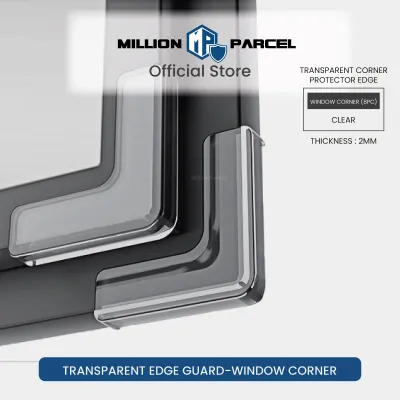
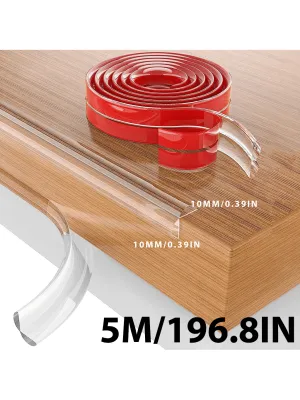
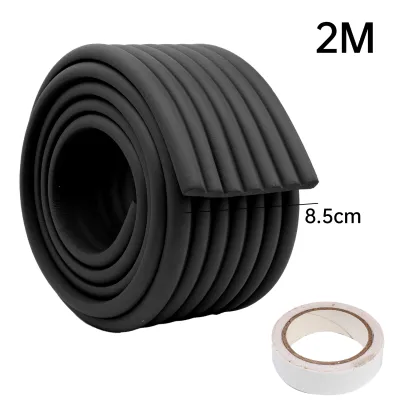
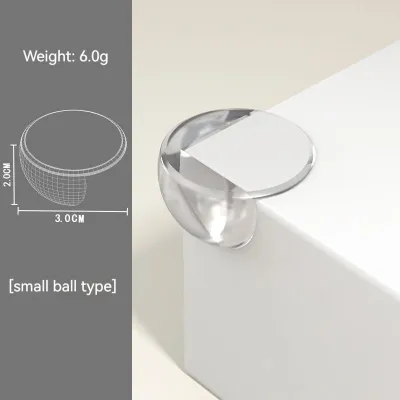
![[SG] Transparent Corner Protector | Corner Guard Baby Safety Corner Protector for Table & Furniture Corner Edge Bumper](https://img.lazcdn.com/g/p/5a3a27d1f5eb0192e08060b473a0dd4d.jpg_400x400q80.jpg_.webp)
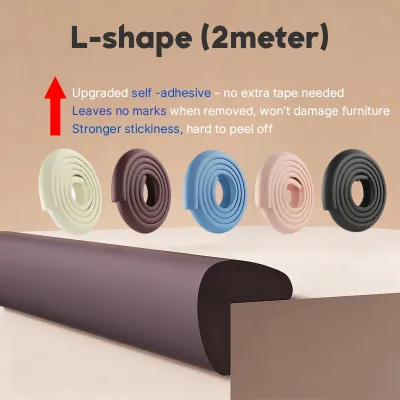
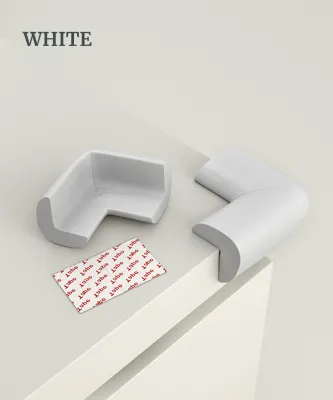
Prices are valid at publication and may change. Please refer to the product page for the latest price.
Non-porous surfaces, including tempered glass, polished marble, glazed ceramics, and metals, do not absorb adhesives. On these surfaces, the adhesive relies entirely on surface-level cohesion. While this reduces the risk of deep material damage, it means the adhesive must have high shear strength to prevent the protector from sliding or peeling when subjected to lateral impacts or curious toddler fingers.
To navigate these differences, always check manufacturer labels for explicit surface compatibility warnings. High-quality brands will state whether their adhesives are safe for finished wood, oil-rubbed surfaces, or natural stone. Avoid generic products that claim universal compatibility without specifying surface types, as their adhesives may be too aggressive for delicate finishes or too weak for smooth surfaces.
Regardless of the product claims, performing a spot test is an essential safety step for your furniture. Apply a small, one-inch piece of the included adhesive tape to an inconspicuous area of the furniture, such as the underside of a table lip or the back of a console leg. Leave the test strip in place for at least 48 hours to observe any chemical reactions, bubbling, or discoloration. When you peel it off, check if the finish lifts or if any stubborn residue remains, allowing you to assess the risk before committing to a full installation.
Matching Edge Protectors to Glass Coffee Tables
Glass coffee tables are popular in modern Singapore living rooms for their ability to make small spaces feel open and airy. However, their sharp, rigid edges present a significant hazard to toddlers. When choosing an edge protector for glass, maintaining the aesthetic appeal of the furniture while ensuring robust impact absorption is a common priority for parents.

Clear PVC (polyvinyl chloride) or silicone protectors are the most suitable material choices for glass furniture. Unlike bulky, opaque foam guards, clear protectors blend seamlessly with the glass, preserving the visual profile of the table. When selecting clear materials, look for UV-stabilized formulations. Singapore’s intense tropical sunlight, which streams through large apartment windows, can cause low-quality clear plastics to turn yellow, cloudy, and brittle within a few months. UV-resistant silicone maintains its clarity and flexibility over a much longer lifespan.
Adhesive selection is equally critical for glass surfaces. Because the adhesive is visible through the glass, you should look for high-clarity, double-sided acrylic tapes. These tapes provide a strong, transparent bond that does not leave unsightly white or cloudy patches. The adhesive must be highly cohesive to resist the constant pulling and tugging of a child without sliding along the smooth glass edge.
When balancing thickness and density, keep in mind that glass does not flex. A collision with a glass edge transfers all the impact force directly to the child. While thick, heavy foam offers maximum shock absorption, it can look visually disruptive and may peel away under its own weight on thin glass. A medium-density, profile-matched silicone guard offers the best compromise, providing sufficient cushioning to distribute impact force while maintaining a low, secure profile on the glass edge.
Protecting Wooden TV Consoles and Tables Without Damage
Wooden TV consoles, dining tables, and study desks are central features in most households. These pieces are often finished with polyurethane, lacquer, water-based paints, or delicate wood veneers. Protecting these edges requires a careful approach to prevent stripping away expensive finishes when the safety gear is eventually removed.
For wooden furniture, high-density NBR (nitrile butadiene rubber) foam or soft rubber protectors are highly recommended. These materials are exceptionally soft and provide excellent impact absorption. They are also widely available in various wood-toned colors, such as brown, beige, and charcoal, allowing you to match the protector to your furniture’s natural hue. Alternatively, if you have a toddler who is visually adventurous, choosing a high-contrast color can help them identify and avoid the sharp edges of the console.
To protect the underlying wood, look for edge guards that utilize medium-tack, residue-free acrylic adhesives. These adhesives are formulated to provide sufficient grip to resist child tampering while remaining gentle enough to release from finished wood without pulling up the varnish or paint. Avoid industrial-strength permanent tapes, which are almost guaranteed to damage wood veneers and lacquer finishes upon removal.
Be aware of potential chemical interactions between the adhesive and the wood finish. Some soft oil finishes or older lacquers can react with the plasticizers found in certain foam protectors or the solvents in low-grade adhesives. This reaction can soften the wood finish, leaving a sticky, permanently damaged patch. Reading the manufacturer’s instructions to ensure compatibility with finished wood, and executing a thorough spot test, will safeguard your wooden heirlooms.
Safeguarding Marble and Stone Kitchen Counters
Open-concept kitchens with marble, granite, or engineered quartz countertops are highly desirable in Singapore apartments. However, these stone surfaces present unique challenges for baby-proofing due to their chemical sensitivity and exposure to active kitchen environments.
Natural stone, particularly marble, is highly porous and chemically sensitive. Aggressive chemical solvents found in standard adhesives can easily penetrate unsealed stone, leading to permanent dark stains or chemical etching that dulls the polished finish. Once etched, restoring the stone’s shine requires professional polishing, which can be costly. Therefore, you must prioritize non-staining, neutral-cure adhesives or specific stone-safe double-sided tapes recommended by surface manufacturers.
For the protector material itself, food-grade silicone is the superior choice for kitchen environments. Silicone is non-porous, hygienic, and easy to wipe clean, preventing food particles and liquids from harboring bacteria along the counter edge. It is also highly resistant to staining from common kitchen spills like soy sauce, coffee, or oil.
Kitchen edge protectors must also withstand significant environmental stress. The high humidity of Singapore, combined with steam from rice cookers, boiling pots, and nearby dishwashers, can quickly break down standard adhesives. Ensure the product you select features a moisture-resistant and heat-resistant acrylic adhesive. This ensures the guard remains firmly bonded to the stone edge even when exposed to temperature fluctuations and kitchen moisture.
Verifying Safety Standards and Installation Steps
Because babies and toddlers naturally explore their environment using their hands and mouths, verifying the chemical safety of any edge protector is just as important as checking its physical cushioning. Before purchasing, carefully inspect the product packaging and manufacturer specifications to verify non-toxic material claims.
Look for products that explicitly state they are free from harmful chemicals, including bisphenol A (BPA), phthalates, heavy metals, and toxic flame retardants. Reliable manufacturers will often reference compliance with international safety standards, such as the European toy safety standard (EN 71-3) or REACH regulations. These certifications indicate that the material has undergone testing to ensure it does not leach harmful substances if chewed on by a child.
Once you have verified the safety of the product, proper installation is key to ensuring the protector stays in place. Begin by thoroughly cleaning the furniture edge to remove dust, grease, and skin oils. For non-porous surfaces like glass or polished metal, rubbing alcohol is highly effective. For wood or stone, use a mild, surface-safe soapy water solution and dry the area completely with a microfiber cloth. Any residual moisture, dust, or oil will prevent the adhesive from forming a proper bond.
After cleaning, apply the adhesive tape to the protector or the furniture edge as directed. Press the edge protector firmly along its entire length for at least 30 seconds, paying close attention to the corners and ends. Crucially, allow the adhesive to cure undisturbed. Most manufacturers specify a curing time of 24 hours before the protector is subjected to any pulling, cleaning, or daily wear. Preventing your child from interacting with the guard during this initial curing window is essential for a long-lasting bond.
Removing Protectors Safely and Preventing Residue
When your child outgrows the need for edge guards, removing them safely requires patience and the right technique to avoid damaging your furniture’s surface.
To remove an edge protector without tearing the underlying finish, use a hair dryer on a low or medium heat setting to gently warm the adhesive. Direct the warm air along the edge of the protector for a few minutes to soften the glue, making it pliable. Once warmed, slowly and gently peel the protector back at a shallow angle, applying heat continuously just ahead of the peeling point. Never rip the protector off quickly, as the sudden force can easily pull up wood veneer, paint, or stone sealant.
After removing the protector, you may find some sticky adhesive residue left behind. To clean this up safely, select a method matched to your furniture material. For glass and polished stone, a small amount of eucalyptus oil, vegetable oil, or a mild commercial adhesive remover applied to a microfiber cloth will dissolve the residue without scratching. For finished wood, avoid harsh chemical solvents; instead, gently rub the residue with your finger to roll it into small balls, or use a damp cloth with a drop of mild dish soap.
If you are dealing with high-value antique furniture, delicate French-polished wood, or unsealed exotic stone, DIY removal carries a high risk of surface damage. If the adhesive feels exceptionally stubborn or if you notice the finish starting to lift, stop immediately. In these cases, consulting a professional furniture restorer or stone specialist is the safest way to preserve your investment.
Frequently Asked Questions (FAQ)
How often should edge protectors be replaced?
Edge protectors should be inspected weekly for signs of wear, damage, or degradation. In Singapore’s hot and humid climate, adhesives can break down more rapidly, and materials like NBR foam can become brittle or lose their elasticity over time. If you notice any tearing, hardening, or peeling edges, or if the protector can be easily pulled off by your child, it no longer provides adequate safety and should be replaced immediately. Generally, high-use areas like kitchen counters or living room coffee tables may require replacement every six to twelve months.
Can edge protectors be reused on different furniture?
Reusing adhesive-based edge protectors on different furniture is not recommended. Once an adhesive tape is peeled away from a surface, its structural integrity and bonding strength are permanently lost. Attempting to reuse the protector by applying aftermarket double-sided tape is highly unreliable, as the new tape may not bond properly to the silicone or foam material. This can cause the protector to fall off unexpectedly, creating a choking hazard or leaving the sharp edge exposed. For optimal safety, always use new edge protectors with fresh, factory-applied adhesive when baby-proofing a new area.

Community discussion
Share your experience or ask a question. Comments are reviewed before publication.