
Finding the right diaper rashes cream for your baby is one of the most practical decisions you will make as a parent. With dozens of options lining the shelves, it is easy to feel overwhelmed by competing claims of instant healing and overnight protection. To make an informed choice, you must look beyond eye-catching packaging and focus on three core pillars: the active barrier ingredients, the product’s physical texture, and how well the formulation matches your baby’s current skin condition. In a warm, tropical climate like Singapore, where high humidity can trap moisture inside a diaper, selecting a cream that balances effective moisture protection with skin breathability is essential for keeping your little one comfortable.
Assessing Your Baby's Rash Severity and Skin Type
Before you can select the ideal rashes cream, you must evaluate the current state of your baby’s skin. Diaper rashes are not all the same, and applying the wrong type of product to a severe or infected rash can sometimes delay healing or worsen irritation. Mild diaper dermatitis typically presents as light pink or red patches localized to areas where the diaper directly touches the skin, such as the buttocks, thighs, and lower abdomen. This type of rash is usually caused by friction, heat, or brief contact with wetness, and it generally responds quickly to basic barrier protection and frequent diaper changes.
When a rash progresses to severe skin breakdown, the clinical picture changes significantly. You may observe intense, bright red patches, raw or peeling skin, and even small open sores or blisters. This level of inflammation indicates that the skin’s natural protective barrier has been compromised, leaving the deeper layers vulnerable to further damage from urine and fecal enzymes. In these cases, a standard lightweight cream is insufficient; the skin requires a highly concentrated, heavy-duty physical barrier to completely isolate the raw areas from external moisture while the tissue regenerates.
Products mentioned in this guide
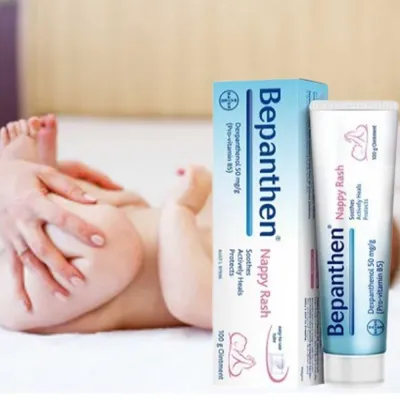
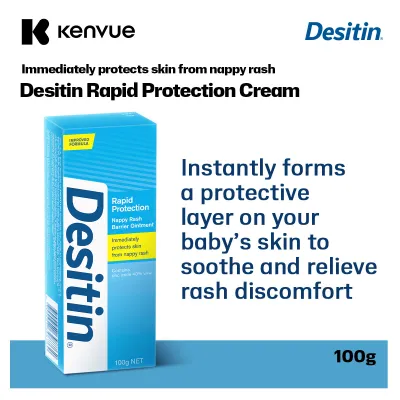
![[Bundle of 3] Desitin Daily Defense Diaper Rash Protection Cream Instantly Soothe Diaper Rash Discomfort 57g](https://img.lazcdn.com/g/p/c06fcbee4b7febda2851c500c86b8170.jpg_400x400q80.jpg_.webp)

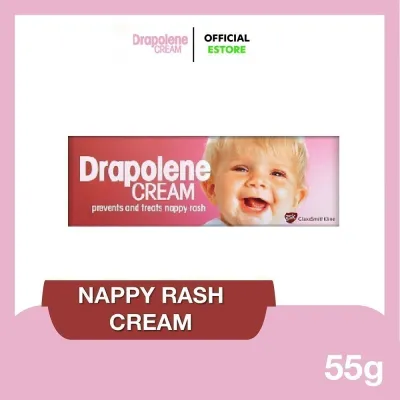
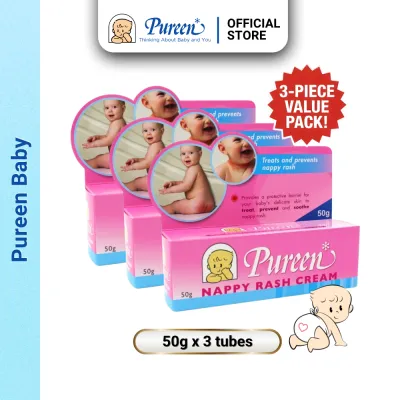
Prices are valid at publication and may change. Please refer to the product page for the latest price.
It is also crucial to distinguish between a standard contact rash and an infection. Fungal infections, most commonly caused by the yeast Candida, thrive in the warm, dark, and moist environment inside a diaper. A yeast rash typically features a bright red, slightly raised rash with distinct borders, and it characteristically spreads into the deep skin folds of the groin, which are usually spared in simple friction rashes. You will also notice tiny, red satellite spots or pustules spreading outward from the main rash area. If you observe these satellite lesions, or if the rash develops yellow crusts, oozes pus, or is accompanied by a fever, you must stop using over-the-counter rashes cream and consult a pediatrician immediately, as these symptoms suggest a fungal or bacterial infection that requires targeted prescription treatment.
Decoding Active Ingredients in Rashes Creams
Reading the ingredient label is the most reliable way to determine how a rashes cream will perform on your baby’s skin. The primary function of any diaper cream is to create a physical shield between the skin and the moisture or enzymes trapped inside the diaper. The most common active ingredient used for this purpose is zinc oxide. Zinc oxide is a mineral that sits on top of the skin, reflecting wetness away while providing mild astringent and soothing properties. When reviewing labels, pay close attention to the concentration of zinc oxide, which can range from 10% to 40%. Lower concentrations are highly spreadable and excellent for daily protection, whereas higher concentrations create a thick, pasty shield designed to protect severely irritated or raw skin.

Another highly effective barrier agent is petroleum jelly, also known as petrolatum. Unlike zinc oxide, which is a physical mineral barrier, petroleum jelly is an occlusive agent that forms a slick, water-resistant layer over the skin. This layer prevents external moisture from penetrating while simultaneously locking in the skin’s natural hydration to support the healing process. Many parents prefer petroleum-based ointments for their smooth application and clear finish, making them highly versatile for both prevention and mild irritation.
In addition to barrier agents, many formulations include soothing botanical extracts to help calm inflammation and reduce discomfort. Ingredients such as calendula, chamomile, and aloe vera are frequently added for their natural soothing properties. While these botanicals can be highly beneficial, it is important to remember that any plant-derived ingredient carries a small risk of triggering an allergic reaction, especially on skin that is already compromised. If your baby has a family history of eczema or sensitive skin, introduce these botanical formulations with caution.
When decoding labels, it is equally important to identify ingredients that you should avoid. Synthetic fragrances are among the most common triggers for allergic contact dermatitis and can cause a stinging sensation when applied to raw, broken skin. Essential oils, such as tea tree or lavender, are often marketed as natural remedies but can be highly sensitizing to infant skin. You should also steer clear of products containing alcohol, parabens, phthalates, and harsh preservatives like methylisothiazolinone, as these substances can strip the skin of its natural oils and exacerbate diaper dermatitis.
Choosing the Right Texture for Day and Night Use
The physical consistency of a rashes cream plays a major role in how easy it is to apply, how long it stays on the skin, and how comfortable it feels for your baby. Diaper care products generally fall into two main categories: thick ointments and lightweight creams. Ointments are typically oil-based, translucent, and greasy. They provide an exceptionally strong, long-lasting barrier that does not wash away easily when exposed to urine. This makes ointments highly effective, but they can be difficult to spread over tender, irritated skin and equally challenging to clean off during diaper changes, which can sometimes lead to further friction damage if you scrub too hard.
In contrast, creams are water-based, white, and have a lighter, more breathable consistency. They absorb into the skin more quickly and are much easier to spread smoothly, making them highly convenient for frequent daytime diaper changes. However, because they are lighter, they tend to wear away faster and may require more frequent reapplication to maintain an effective barrier. Choosing between these textures often comes down to a strategic day-and-night routine. During the day, when you are changing diapers frequently, a lightweight, easily spreadable cream keeps the skin protected without building up a heavy, sticky residue. For overnight use, when your baby will go longer stretches between changes, a thick, heavy-duty ointment or paste is preferable to provide continuous protection against prolonged wetness.
Environmental factors, such as ambient humidity and diaper fit, also influence how different textures perform. In a humid climate like Singapore, trapped sweat and heat can quickly lead to heat rash if the diaper area is sealed too tightly with a heavy, non-breathable ointment. If you apply a thick paste and then fasten the diaper too tightly, you risk trapping moisture against the skin rather than keeping it out. To prevent this, always ensure your baby’s skin is completely dry before applying any cream or ointment, and choose a lighter, more breathable texture during hot, humid days while ensuring the diaper is fitted snugly but allows for adequate air circulation.
Safety Checks and Label Reading for Sensitive Skin
If your baby has highly sensitive skin or a history of eczema, selecting a rashes cream requires extra vigilance. Marketing terms on the front of the bottle can often be misleading, so it is essential to understand what these labels actually mean. For instance, the term “hypoallergenic” is not a legally defined medical standard; it simply indicates that the manufacturer has formulated the product without ingredients that are widely known to cause allergic reactions. Similarly, “dermatologist-tested” means that a dermatologist oversaw some level of testing on human subjects, but it does not guarantee that the product is completely free of irritants or suitable for every baby’s unique skin chemistry.
To ensure a new rashes cream is safe for your baby, you should always perform a localized patch test before applying it to the diaper area. To do this, apply a pea-sized amount of the cream to a small, clean patch of healthy skin on your baby’s inner arm or thigh. Monitor the area closely over 24 to 48 hours for any signs of a reaction, such as redness, swelling, tiny bumps, or itching. If the skin remains clear, you can proceed with using the product on the diaper area. If any irritation occurs, wash the product off immediately and discontinue use.
Another common misconception is that “natural” or “organic” labels automatically guarantee a gentle, non-irritating formula. While organic ingredients are grown without synthetic pesticides, they can still contain natural allergens or irritants. For example, natural nut oils (such as almond or macadamia oil) can trigger reactions in babies with sensitive skin or underlying allergies, and certain plant extracts can be highly acidic or sensitizing. Always read the full ingredient list on the back of the packaging rather than relying on front-label marketing claims, and prioritize simple, minimalist formulas with fewer ingredients to minimize the risk of skin sensitization.
Building a Condition-Based Shortlist for Diaper Care
Rather than searching for a single “perfect” product, it is highly effective to build a small shortlist of diaper care options tailored to different scenarios. A practical approach is to categorize your selections into three distinct tiers based on your baby’s immediate skin needs. For daily prevention, your shortlist should feature a lightweight, breathable barrier cream or a simple petroleum-based ointment that is easy to apply and wipe away. For mild redness and early signs of irritation, select a soothing cream that combines moderate zinc oxide (around 10% to 20%) with calming agents like calendula or aloe vera to reduce inflammation. For severe rashes or active skin breakdown, your shortlist must include a thick, high-concentration zinc oxide paste (up to 40%) to provide maximum physical isolation from moisture.
When purchasing these products, whether from physical pharmacies or online marketplaces, always perform a few essential quality checks. First, verify the ingredient list on the physical packaging, as online product descriptions can sometimes be outdated or differ from the actual formulation. Second, check the expiration date; active ingredients like zinc oxide can settle or degrade over time, reducing the cream’s effectiveness. Finally, inspect the packaging to ensure the safety seal is fully intact, which prevents contamination and ensures the product’s integrity.
Once you have selected a product from your shortlist, the final step is to track your baby’s skin response over a 24 to 48-hour period. Apply the cream consistently with each diaper change, ensuring the skin is completely clean and dry beforehand. If you notice a visible reduction in redness and irritation, you have found a suitable match for your baby’s skin. However, if the rash does not improve, or if your baby shows signs of discomfort after application, stop using the product immediately and try an alternative formulation from your shortlist, or consult a healthcare professional for personalized guidance.
Frequently Asked Questions (FAQ)
Can I use diaper rash cream as a preventive measure for every change?
Using a rashes cream as a preventive measure with every diaper change depends largely on your baby’s individual skin sensitivity and susceptibility to irritation. For babies with highly sensitive skin or those prone to frequent rashes, applying a thin layer of a mild barrier cream or petroleum jelly can provide excellent ongoing protection against moisture. However, for babies with resilient skin, daily cream application at every change is generally unnecessary. The most effective preventive measures remain maintaining dryness, changing diapers promptly after they become wet or soiled, and allowing for regular diaper-free time where your baby can go without a diaper to let the skin breathe naturally.
How long should I wait to see improvement after applying the cream?
For a mild, non-infected diaper rash, you should typically begin to see visible improvement—such as reduced redness and calmer skin—within 24 to 72 hours of consistent barrier cream application and diligent diaper hygiene. If you do not observe any improvement after three days of consistent care, or if the rash continues to worsen, it is important to re-evaluate the situation. Red-flag symptoms that require immediate professional medical evaluation include the rash spreading rapidly beyond the diaper area, the appearance of blisters, peeling skin, bleeding, oozing pus, or if your baby develops a fever or seems unusually irritable.

Community discussion
Share your experience or ask a question. Comments are reviewed before publication.