
Selecting a diaper dustbin in Singapore requires balancing immediate convenience with long-term household expenses. The right choice keeps your nursery smelling fresh while fitting seamlessly into your daily routine and living space. To find the most suitable model, you must evaluate the sealing mechanism, physical footprint, and ongoing cost of replacement bags.
Disposal systems generally fall into two categories: those utilizing individual bag-wrapping technology and those employing continuous bag mechanisms. While individual wrapping offers excellent odor containment by isolating each diaper, it typically incurs higher recurring costs. Conversely, continuous bag systems or bins compatible with standard trash bags offer greater flexibility and lower long-term expenses, though they may release a brief puff of odor during emptying.
In Singapore’s compact housing layouts, such as HDB apartments and condominiums, space is at a premium. A bin that fits snugly beside a changing table without blocking walkways is essential. Additionally, estimating your baby’s daily diaper volume based on their developmental stage helps determine whether a compact bin suffices or if a larger capacity is necessary to avoid constant trips to the main rubbish chute.
Products mentioned in this guide
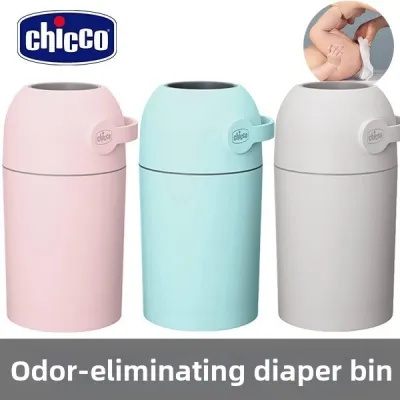
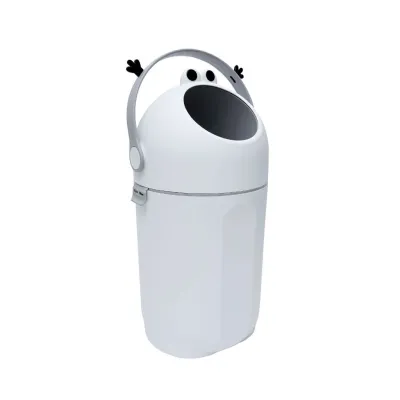
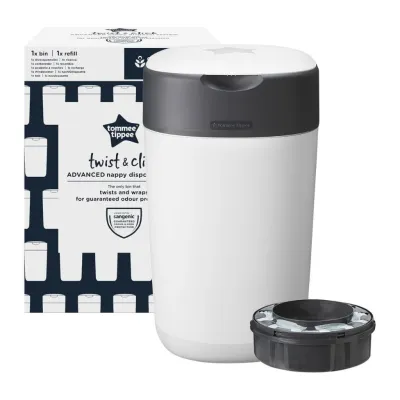
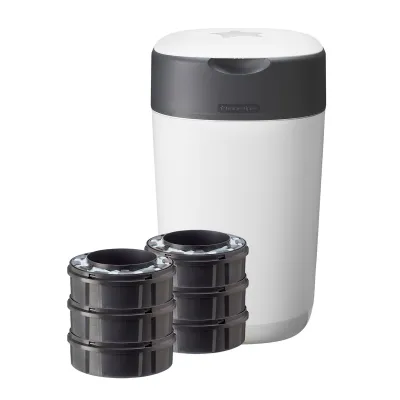
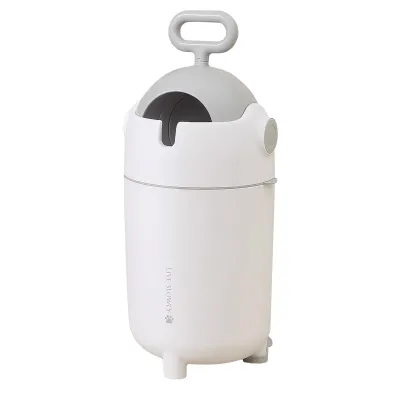
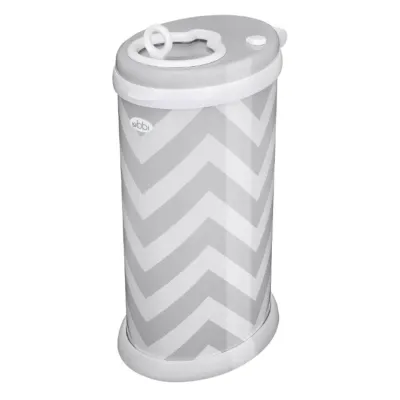
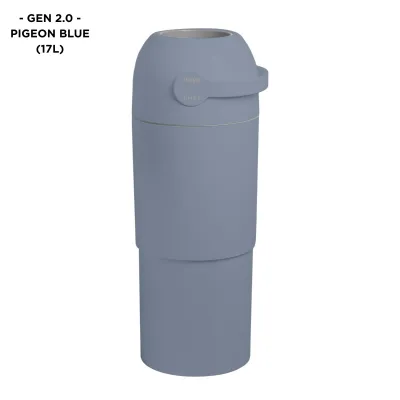
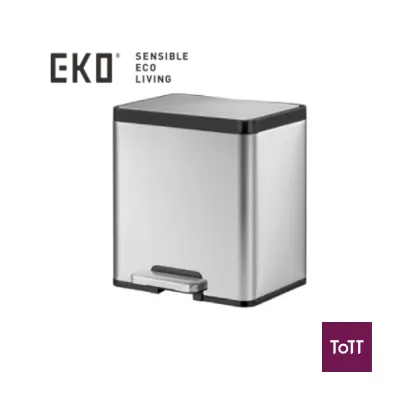
Prices are valid at publication and may change. Please refer to the product page for the latest price.
Key Features to Evaluate Before Buying
Before committing to a specific diaper disposal system, it is vital to understand the technical specifications and design elements that differentiate various models. These features directly impact how well the bin controls odors, how much space it occupies, and how much it will cost to operate over several years.
Odor-Sealing Mechanisms
Odor control is the primary reason parents invest in a dedicated diaper dustbin rather than using a standard household bin. Different manufacturers employ distinct technologies to trap unpleasant smells, ranging from mechanical seals to multi-layer barrier films.
Mechanical seals typically use rubber gaskets, spring-loaded trapdoors, or heavy-duty clamps to create an airtight barrier when the lid is closed. These systems are often paired with steel or high-density plastic bodies that resist odor absorption over time. Multi-layer film wrapping systems, on the other hand, physically twist each diaper into an individual plastic sleeve, sealing away moisture and gas molecules before they can escape into the room.
When evaluating these systems, check the product packaging or manufacturer specifications for built-in carbon filter compartments or antimicrobial additives in the plastic. Carbon filters help neutralize ambient odors inside the bin, while antimicrobial treatments inhibit the growth of odor-causing bacteria on the bin’s surfaces.
However, even the most advanced sealing technology cannot completely replace basic hygiene practices. Effective odor control ultimately depends on regular emptying, proper bag loading according to the manual, and maintaining adequate room ventilation to prevent heat and humidity from accelerating waste decomposition.
Capacity and Nursery Footprint
Balancing the physical size of the diaper dustbin with your nursery’s layout is crucial for maintaining an organized and functional space. A bin that is too small requires frequent trips to the outdoor disposal chute, while a bin that is too large can overwhelm a compact room.
To estimate the required capacity, consider your baby’s age and developmental stage. Newborns can easily go through ten to twelve diapers a day, meaning a small bin will fill up rapidly. As your child grows, the frequency of diaper changes decreases, but the physical size of each diaper increases, which still impacts how quickly the bin reaches its limit.
Before purchasing, measure the designated spot in your nursery, paying close attention to the height and width of the bin. Ensure there is sufficient clearance beneath changing tables or shelving units for the lid to open fully without obstruction.
The practical trade-off lies between convenience and space. A larger capacity bin reduces the frequency of emptying, which is highly convenient for busy parents, but it occupies a larger physical footprint and may allow older diapers to sit longer, potentially increasing odor buildup inside the container.
Refill Systems and Ongoing Costs
The initial purchase price of a diaper dustbin is only a fraction of the total cost of ownership. Parents must factor in the ongoing expense of bag refills, which can accumulate significantly over the two to three years a child is in diapers.
Disposal bins generally use either proprietary refill cassettes or standard household trash bags. Proprietary cassettes contain a continuous roll of specially formulated, multi-layer plastic film designed to block odors. While highly effective, these refills must be purchased regularly from official brand stores or online marketplaces, and their prices can vary.
To calculate the estimated monthly running cost, divide the price of a refill cassette by its expected diaper capacity. For example, if a cassette costing S$15 is rated to hold approximately 180 newborn diapers, and your baby uses 240 diapers a month, you will require about 1.3 cassettes per month, resulting in an ongoing cost of roughly S$20 monthly.
If you prefer to minimize recurring expenses, look for bins designed to work with standard drawstring trash bags or reusable fabric liners. While these may not offer the same level of individual diaper sealing, they eliminate the need for proprietary refills and allow you to purchase generic bags in bulk from local supermarkets.
Matching the Diaper Dustbin to Your Household Needs
Every household has unique priorities, living arrangements, and budget constraints. Matching these factors to the right type of diaper dustbin ensures a more satisfying user experience and prevents buyer’s remorse.

- Scenario A: Prioritizing Maximum Odor Containment
If your nursery is located in a small, poorly ventilated room, or if you live in a high-rise apartment where opening windows is limited during certain seasons, odor containment is your absolute priority. In this scenario, look for individual wrapping systems that seal each diaper in multi-layer, odor-blocking film. This technology prevents smells from escaping even when the lid is opened to deposit a new diaper, keeping confined spaces smelling clean.
- Scenario B: Prioritizing Low Ongoing Costs and Environmental Impact
For families focused on minimizing long-term household expenses and reducing plastic waste, a bin compatible with standard trash bags or biodegradable liners is the most suitable choice. These systems do not lock you into expensive proprietary refill contracts, allowing you to use affordable, locally sourced bags. Some models also support reusable, washable cloth liners, which are ideal for parents practicing cloth diapering.
- Scenario C: Managing Limited Nursery Space
When space is extremely tight, such as in shared bedrooms or compact nursery corners, a slim, vertical design is highly advantageous. Look for bins with a narrow profile that can slide easily between a wardrobe and a changing table. Foot-pedal operated lids are also beneficial in tight spaces, as they allow hands-free operation without requiring extra clearance on the sides of the bin.
What to Verify Before and After Checkout
To ensure a smooth purchasing experience and maintain the longevity of your diaper dustbin, there are several key steps to follow before and after checkout.
Before finalizing your purchase on any ecommerce platform or at a local baby boutique, verify what is included in the box. Many manufacturers package their bins with one or two starter refill cassettes, which allows you to use the system immediately without making an extra purchase. Additionally, check the warranty terms and return policies, especially regarding mechanical parts like foot pedals or lid hinges.
Once the bin arrives, carefully review the manufacturer’s instructions for proper bag loading. Installing the refill cassette or standard bag incorrectly can compromise the mechanical seal, lead to tearing, or cause the opening mechanism to jam.
In Singapore’s hot and humid climate, regular maintenance is essential to prevent mold, mildew, and persistent odors from developing inside the bin. Wipe down the interior and exterior surfaces weekly using a mild disinfectant or a mixture of warm water and baking soda. Ensure the bin is completely dry before inserting a new bag, as trapped moisture can quickly lead to bacterial growth and unpleasant smells.
Frequently Asked Questions (FAQ)
Can I use regular trash bags in a proprietary diaper dustbin?
Whether you can use regular trash bags depends entirely on the design of your specific diaper dustbin. Some proprietary bins are engineered with unique collar mechanisms that only accommodate their brand’s custom refill cassettes, meaning standard bags will not fit or seal properly.
Attempting to force a standard drawstring bag into a bin designed exclusively for continuous film cassettes can compromise the mechanical seal, allowing odors to escape into your nursery. It may also cause the bag to tear under the weight of the diapers or jam the internal cutting and twisting mechanisms, which could void the manufacturer’s warranty. Always check the product manual to confirm bag compatibility before attempting to use third-party alternatives.
How often should I empty the diaper dustbin?
The frequency of emptying your diaper dustbin depends on its overall capacity, your baby’s age, and their current diet. For newborns, who require frequent changes, a standard-sized bin may need to be emptied every two to three days to prevent it from overflowing.
As babies transition to solid foods, their waste becomes significantly more odorous, requiring more frequent disposal regardless of whether the bin is full. In Singapore’s warm and humid climate, it is highly recommended to empty the bin at least every two days, or even daily, to prevent bacterial proliferation, mold growth, and liquid leakage inside the container.
Are diaper dustbins necessary, or can I use a regular trash can?
While a specialized diaper dustbin is not strictly mandatory, it offers significant convenience and superior odor control compared to a standard household trash can. Dedicated bins are specifically engineered with airtight seals, double-flap systems, or individual wrapping mechanisms designed to trap gases and moisture.
A standard lidded trash can may suffice for some families, especially if it is emptied multiple times a day directly into an outdoor rubbish chute. However, for those living in high-rise apartments where frequent trips to the chute are inconvenient, or for nurseries where maintaining a fresh environment is a priority, a dedicated diaper dustbin is a highly practical investment that simplifies daily baby care.
Community discussion
Share your experience or ask a question. Comments are reviewed before publication.