
Choosing a diaper caddy for a compact Singapore home requires balancing daily utility with space constraints. In a typical HDB bedroom, where floor space is premium, every square centimetre matters. The ideal diaper caddy size is one that holds a practical supply of essentials without encroaching on vital walking paths or blocking furniture doors. For most local nurseries, a medium-sized portable caddy or a narrow vertical rolling cart offers the most efficient footprint.
Assessing Your HDB Nursery Space and Storage Needs
To find the right fit, start by physically measuring the exact spot where you plan to keep the caddy. HDB bedrooms, particularly in newer BTO flats, often feature compact layouts where furniture placement must be highly strategic. Use a measuring tape to check the width, depth, and height of your target zone, whether that is on top of a chest of drawers, inside a wardrobe shelf, or in a tight corner beside the baby cot. Remember to account for door swing clearances, wardrobe sliding doors, and the space you need to stand comfortably during diaper changes.
Next, calculate your actual storage needs based on your baby’s daily routine. Newborns typically require 10 to 12 diaper changes per day, while older infants may need 6 to 8. Keeping a full week’s supply in a single caddy is rarely practical in a small nursery, as it requires an oversized organizer that will quickly overwhelm the room. Instead, aim for a caddy that holds a manageable 24- to 48-hour supply of diapers, allowing you to replenish it easily from bulk storage kept in a wardrobe or household shelter.
Products mentioned in this guide
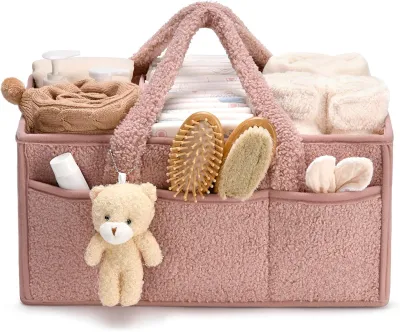
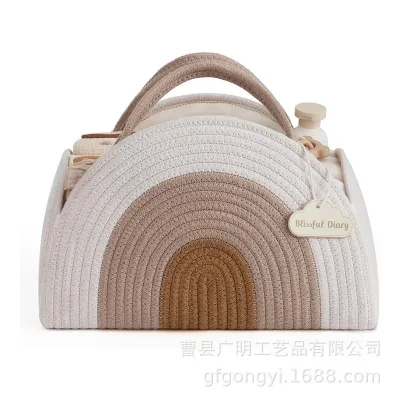
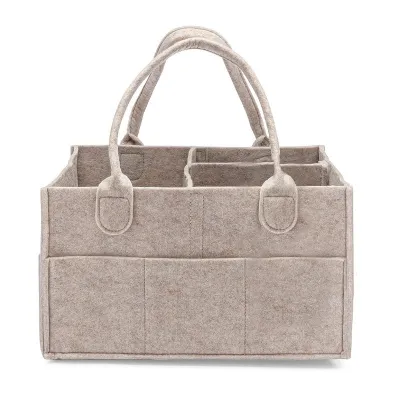
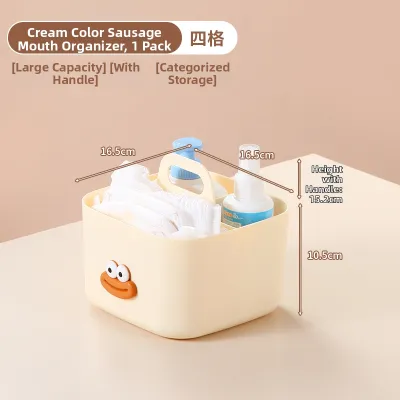
![[sunshineyou]Stylish for Changing Table Baby Diaper Organizer-for Nursery Storage Basket Newborn Essential Gift Set](https://img.lazcdn.com/g/p/301de49634b832e498b70bfc15a41f13.jpg_400x400q80.jpg_.webp)
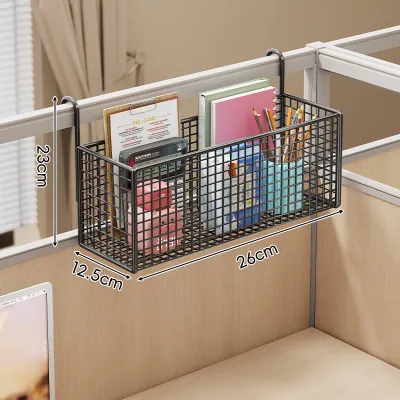
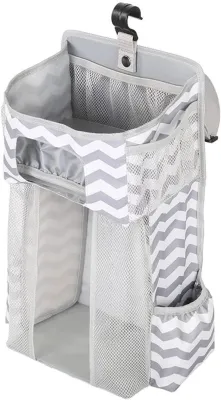
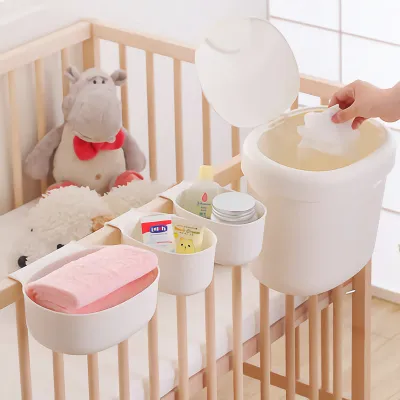
Prices are valid at publication and may change. Please refer to the product page for the latest price.
Finally, list the non-diaper essentials that must share this storage space. A complete diapering setup includes baby wipes, barrier creams, sanitiser, a folding changing mat, and at least one change of clothes for unexpected leaks. If these items are bulky, you will need a caddy with dedicated side pockets or adjustable compartments to keep them organised without requiring a larger overall footprint.
Understanding Diaper Caddy Sizes and Capacities
Diaper caddies generally fall into three distinct size categories, each serving a different organizational strategy. Understanding these categories allows you to match the physical dimensions of the product with the actual storage capacity you require.

Small or Portable Caddies typically measure around 25 to 30 cm in length and 15 to 20 cm in width. These compact organizers are designed for maximum mobility, holding about 10 to 15 diapers alongside a single pack of wipes and a tube of cream. They are ideal for parents who prefer a minimalist setup or need a secondary caddy to carry between the nursery and the living room throughout the day.
Medium or Standard Caddies represent the most popular choice for HDB nurseries, usually measuring 35 to 40 cm in length and 20 to 25 cm in width. This size comfortably accommodates 20 to 30 diapers, a full-sized tub of barrier cream, multiple packs of wipes, and small grooming accessories. A medium caddy fits neatly on top of most standard changing tables or chest of drawers without hanging over the edges.
Large or Multi-tier Caddies are often designed as floor-standing units or rolling utility carts, measuring approximately 40 to 45 cm in length and standing up to 80 cm tall. These units offer maximum storage capacity, holding entire packs of diapers, spare bedsheets, swaddles, and bath towels. While highly functional, they occupy dedicated floor space and are best suited for rooms where wall or table space is limited but floor space is relatively open.
Diaper Caddy Size Categories and Capacity Guide
| Caddy Category | Approximate Dimensions (L x W x H) | Estimated Diaper Capacity | Best Nursery Use Case |
|---|---|---|---|
| Small / Portable | 25 x 18 x 15 cm | 10 to 15 diapers | Day-to-day spot use; moving between rooms |
| Medium / Standard | 38 x 24 x 18 cm | 20 to 30 diapers | Permanent station on changing tables or dressers |
| Large / Multi-tier | 43 x 30 x 80 cm | 40+ diapers (plus bulk supplies) | Dedicated floor corner storage for bulk essentials |
Matching Caddy Sizes to Your Nursery Layout
Integrating your diaper caddy into a tight HDB nursery layout requires careful coordination with your existing furniture. If you plan to place the caddy beside the changing table, ensure there is sufficient clearance to access nearby drawers and cabinet doors. A caddy that is too wide can block your standing space, forcing you into uncomfortable postures while changing your baby. If your changing pad sits on top of a dresser, measure the remaining surface area to ensure the caddy can sit securely alongside it without any risk of tipping over the edge.
For bedside or cot-side placement, prioritize a slim profile. Narrow walkways between the master bed and the baby cot are common in shared bedrooms. A bulky floor caddy in these tight corridors presents a significant tripping hazard, especially during middle-of-the-night feeding and changing sessions. If space is exceptionally tight, consider a hanging organizer that attaches directly to the cot rails, which keeps the floor entirely clear while keeping essentials within arm’s reach. Always check the manufacturer’s guidelines for weight limits and secure attachment methods when using hanging organizers to ensure baby safety.
If your daily routine involves moving the caddy frequently between the nursery, master bedroom, and living area, portability is your primary consideration. Opt for a lightweight, medium-sized fabric or felt caddy equipped with long, reinforced handles. This setup allows you to carry your diapering essentials under one arm while safely holding your baby with the other, eliminating the need to maintain multiple fully stocked changing stations across a compact home.
Space-Saving Features for Compact Nurseries
When dealing with limited square footage, specific design features can dramatically increase a caddy’s utility without expanding its physical footprint. Collapsible or foldable designs are highly beneficial for small homes. These caddies can be folded completely flat when not in use, making them easy to pack away during travel, store inside a drawer, or tuck away once your child transitions out of diapers.
Removable internal dividers offer another layer of versatility. Instead of buying a larger caddy to fit oddly shaped items, adjustable dividers allow you to customize the interior layout of a standard-sized caddy. You can easily reconfigure the compartments to hold small items like nail clippers and cotton buds in the early months, and later adjust them to hold larger items like toddler training pants or storybooks as your child grows.
The choice between vertical and horizontal footprints is a crucial spatial decision. Taller, narrower caddies maximize vertical space, making them ideal for tight floor corners or narrow shelves. Conversely, wider, shallower caddies are better suited for deep wardrobe shelves or for sliding underneath a cot to utilize otherwise wasted space.
Rolling utility carts are a popular vertical storage option, but they require careful evaluation. While wheels provide excellent mobility, the cart’s frame and caster wheels add substantial height and require a clear, flat floor path to roll smoothly. In a very small nursery, a rolling cart can sometimes feel like an obstacle rather than a convenience, particularly if it blocks access to power outlets or light switches.
Common Sizing Mistakes to Avoid
One of the most frequent mistakes parents make is purchasing a diaper caddy based solely on its advertised diaper capacity without verifying its external dimensions. A caddy that holds fifty diapers may sound convenient, but if it takes up half of your changing table surface, it will leave you with no room to safely lay your baby down. Always prioritize the external footprint of the organizer over its maximum storage volume.
Another common error is ignoring the vertical clearance of shelves and changing tables. A tall caddy or a multi-tier cart can easily block low-hanging shelves, window sills, or the drop-side mechanism of a cot. Measure the height of the space above your changing area to ensure you can easily reach into the caddy to grab items without scraping your knuckles or knocking over adjacent decor.
Finally, avoid the temptation to use your nursery caddy as a primary bulk storage unit. Small HDB flats are best organized by separating active daily supplies from bulk inventory. Storing entire jumbo packs of diapers in your active caddy simply crowds a small room. Keep your bulk packs stored away in designated household storage areas, and use a compact, right-sized caddy in the nursery to maintain a calm, clutter-free environment.
Frequently Asked Questions (FAQ)
Can I use a regular storage basket instead of a dedicated diaper caddy?
While a standard storage basket can certainly hold diapers, dedicated diaper caddies are specifically engineered for nursery efficiency. They typically feature adjustable internal dividers to keep small tubes of cream upright, side pockets for quick access to wipes, and reinforced handles designed to support the weight of heavy liquid items. Standard baskets often lack these organizational features, leading to a cluttered interior where small items easily get lost at the bottom.
How do I clean a fabric diaper caddy without shrinking it?
To maintain the shape and size of a fabric or felt diaper caddy, always consult the manufacturer’s care label before cleaning. Avoid machine washing and high-heat tumble drying, as these processes can warp the internal support panels and shrink the fabric. Instead, spot clean any stains using a damp cloth and mild baby-safe detergent, then allow the caddy to air dry completely in a well-ventilated area away from direct sunlight.
Community discussion
Share your experience or ask a question. Comments are reviewed before publication.