
Selecting the right diaper backpack is one of the most practical decisions a caregiver can make to ensure smooth, stress-free outings with a baby. The ideal bag is not a static choice; rather, it depends heavily on the duration of your trip, the environment you will encounter, and the specific needs of your child’s current developmental stage. A bag that works perfectly for a quick medical checkup may prove frustratingly small during an all-day outdoor excursion, while a massive travel pack will feel unnecessarily bulky when navigating a tight neighborhood cafe.
To make an informed choice, parents should evaluate three primary scenarios: quick local errands, extended outdoor park days, and long transits or travel. Each of these situations demands a different balance of key variables, primarily empty weight, total storage capacity, and the complexity of the compartment organization. Understanding how these variables shift based on your destination allows you to maintain comfort and keep essential items immediately accessible.
Universal Must-Haves for Every Diaper Backpack
Regardless of where you are heading, certain foundational features should exist in any high-quality diaper backpack to ensure long-term usability and physical comfort. First and foremost is ergonomics. Carrying several kilograms of baby gear requires thickly padded, adjustable shoulder straps and a breathable, contoured back panel. In warm, humid environments like Singapore, a mesh or ventilated back panel is crucial to allow airflow, reducing sweat buildup and preventing painful shoulder or lower back strain during extended wear.
Products mentioned in this guide
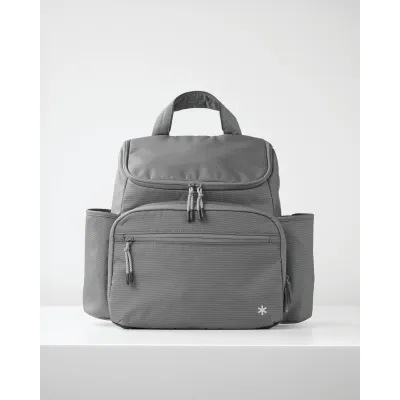
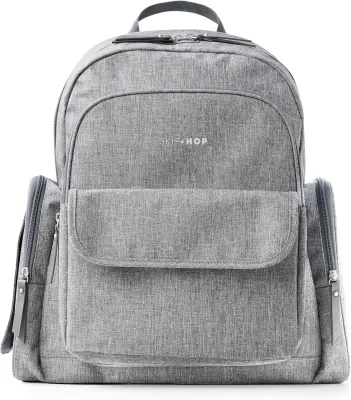
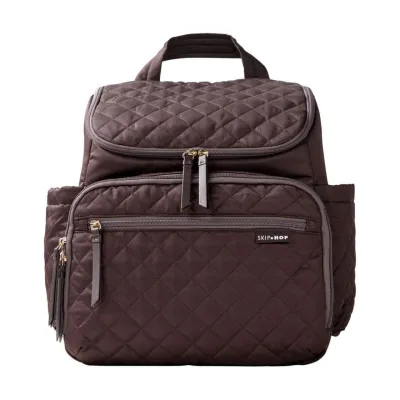
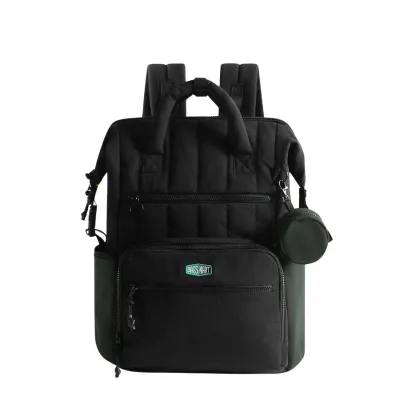
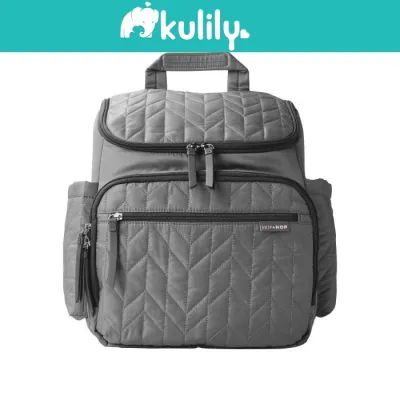
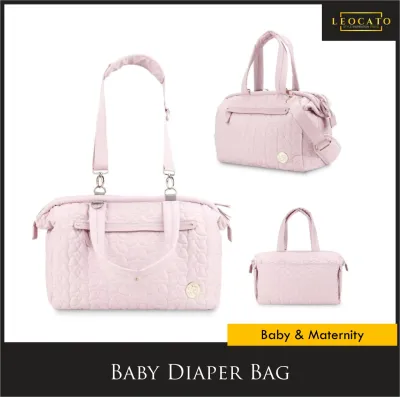
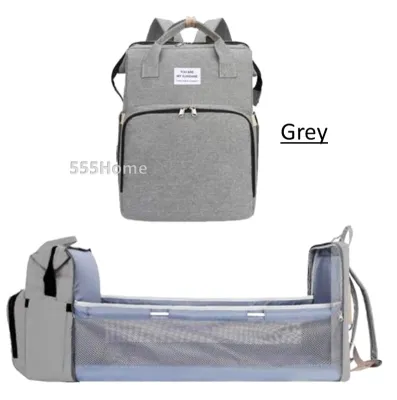
Prices are valid at publication and may change. Please refer to the product page for the latest price.
Material durability is another non-negotiable baseline. The exterior fabric must be highly water-resistant and easy to wipe clean, as diaper bags are frequently placed on public restroom counters, park benches, or grassy ground. High-density polyester or nylon fabrics offer excellent resistance to abrasions and spills, ensuring that a sudden tropical downpour or an accidental milk leak does not ruin the contents of your bag.
Temperature control is equally vital for infant feeding safety. Look for dedicated, insulated bottle pockets designed to help maintain breast milk, formula, or warm water at a safe temperature. Always verify the manufacturer’s guidelines regarding how long these insulated compartments can reliably maintain temperature, and consult a pediatrician or lactation professional if you have specific questions about safe milk storage during hot days.
Finally, caregiver convenience features prevent the frustration of digging through baby items to find personal belongings. A dedicated, secure pocket located near the top or back of the backpack is ideal for storing your phone, keys, wallet, and transit cards. Keeping these personal essentials isolated from diapers and wipes ensures you can access them instantly without disrupting the organized layout of your baby’s supplies.
Short Errands: Prioritizing Lightweight Design and Quick Access
When you are stepping out for a brief errand—such as a routine visit to the pediatric clinic, a quick grocery run, or a coffee catch-up at a local neighborhood cafe—your primary focus should be on physical agility and rapid access. These short trips, typically lasting under two hours, often involve frequent transitions in and out of cars, taxis, or public transport. You will likely be navigating narrow store aisles or crowded indoor spaces where a bulky, oversized backpack becomes a physical hindrance.

For these quick excursions, prioritize a diaper backpack with a compact footprint and a very light empty weight. A wide-opening main compartment, often featuring a structured clamshell or doctor-bag frame, is incredibly valuable because it stays open on its own. This structural design allows you to locate and retrieve a fresh diaper or a pack of wipes with one hand while holding your baby with the other.
Stroller integration is another critical feature for short, mobile trips. Look for built-in stroller clips or detachable straps that allow you to hang the bag securely from the stroller handlebar, freeing up your back entirely. However, safety must always come first: always consult your stroller manufacturer’s user manual to verify the maximum weight capacity for the handlebar, and never hang a heavy bag that could cause the stroller to tip backward, especially when removing your child from the seat.
To maintain maximum comfort during these brief outings, avoid the common pitfall of overpacking. A highly effective strategy is to scale down your gear by using a minimalist organizer insert or opting for a small, convertible diaper bag that can transition from a backpack to a sleek crossbody. Carrying only two or three diapers, a travel-sized pack of wipes, a single change of clothes, and one bottle keeps your load exceptionally light and highly manageable.
Day Trips to the Park: Managing Capacity, Comfort, and Weather
Planning an extended outdoor day trip—such as a family picnic at East Coast Park, a visit to the Singapore Botanic Gardens, or an afternoon at an outdoor playground—requires a diaper backpack optimized for capacity, physical comfort, and weather resilience. Spending several hours outdoors in a tropical climate means you must pack a significantly larger volume of supplies to keep your baby clean, dry, cool, and protected from the elements.
In this scenario, high capacity is paramount. Your backpack needs sufficient volume to hold multiple changes of clothing, a large supply of diapers, towels, sun hats, extra bottles, and a variety of snacks. A high-quality park bag should also feature a thick, padded changing mat that is either built-in or easily detachable. This ensures you always have a clean, cushioned surface to change your baby on public park benches, grass, or less-than-ideal public restroom changing tables.
Weather readiness is another critical consideration for outdoor excursions. Sudden tropical rain showers and high humidity require a bag with water-resistant zippers and a dedicated, lined wet/dry compartment. This specialized pocket is essential for isolating damp washcloths, sweat-soaked onesies, soiled bibs, or muddy shoes from the clean, dry items in the rest of your backpack, preventing moisture and odors from spreading.
Furthermore, the internal organization must allow you to separate health and protection items from food and toys. Look for a bag with multiple interior mesh pockets that keep items visible and organized. This allows you to store baby-safe sunscreen, insect repellent, and basic first-aid supplies in an easily identifiable section. Always read the manufacturer labels on sunscreens and repellents to verify age suitability before application, and consult a medical professional if your baby experiences any skin irritation or insect bites.
Travel and Long Transit: Organization, Security, and Versatility
Navigating long transits, airport terminals, or interstate travel with an infant presents a unique set of challenges that demand maximum organization, security, and physical versatility from your diaper backpack. During travel, you must manage security checkpoints, flight boarding, and cramped seating arrangements, all while keeping your hands completely free to handle your baby, travel documents, or additional luggage.
A dedicated travel diaper backpack should feature a built-in luggage sleeve, which is a wide fabric strap on the back panel that allows the backpack to slide securely over the telescoping handle of a rolling suitcase. This simple feature completely removes the weight of the bag from your shoulders during long walks through airport terminals. Additionally, look for hidden, anti-theft zippered pockets positioned against your back to securely store high-value items like passports, boarding passes, and emergency cash.
Modern travel also requires smart tech integration. Many travel-focused diaper backpacks include built-in USB charging ports with internal cable routing. This allows you to connect a portable power bank inside the bag and charge your phone or a portable bottle warmer on the go, keeping vital electronic devices powered without the need to unzip and rummage through the main compartment during transit.
Physical versatility is equally important when dealing with tight overhead bins or under-seat storage on airplanes and buses. Convertible diaper bags that can quickly transition from a traditional backpack to a top-handle tote or a shoulder bag allow you to adapt instantly to different physical environments. This flexibility makes it much easier to stow the bag in tight spaces or access essential items quickly mid-flight without disrupting neighboring passengers.
Can One Diaper Backpack Do It All?
Faced with these varying scenarios, many parents wonder whether they should invest in a single, highly versatile diaper backpack or purchase multiple specialized bags. Opting for a single, maximum-capacity “do-it-all” bag can seem economical, but it often introduces significant daily trade-offs. A large, heavy travel backpack is highly impractical for a simple thirty-minute trip to the local supermarket, adding unnecessary physical strain and bulk to a quick errand.
Conversely, relying solely on a tiny, minimalist diaper clutch will leave you severely under-prepared for a full-day outdoor excursion or a weekend trip. A highly practical compromise is to adopt a modular packing strategy. Select a mid-sized diaper backpack—typically around 15 to 20 liters in volume—that features excellent ergonomic support, a lightweight empty frame, and robust weather resistance.
To adapt this mid-sized bag to different outings, utilize lightweight, color-coded packing cubes or removable accessory pouches. For short errands, you can carry the backpack with just one small pouch containing basic changing essentials. For longer day trips or travel, you can easily slide in additional pre-packed cubes containing extra clothing, feeding supplies, or weather protection gear. This modular approach allows you to scale your bag’s internal capacity up or down in seconds, giving you the ultimate flexibility without the need to purchase and maintain multiple expensive bags.
Frequently Asked Questions (FAQ)
How do I clean and maintain a diaper backpack to prevent odors?
To maintain hygiene and prevent odors, empty all compartments completely and shake out any loose debris. Wipe the entire interior and exterior surfaces with a soft cloth dampened with warm water and a mild, baby-safe detergent, paying extra attention to seams where crumbs and spills accumulate. Always check the manufacturer’s care label before attempting to machine wash the bag, and allow it to air dry completely in a well-ventilated, shaded area, as direct, harsh sunlight can degrade water-resistant coatings and fabric fibers over time.
Are stroller straps safe to use on all stroller models?
Stroller straps are highly convenient, but their safety depends entirely on the design and stability of your specific stroller. Before attaching any bag, consult your stroller’s manufacturer guidelines to verify if the frame is approved for hanging external loads. Never overload the handlebar, as excessive weight can easily cause the stroller to tip backward, creating a severe safety hazard for your child; always remove the diaper backpack from the handlebar before lifting your baby out of the stroller seat.
What is the ideal weight for an empty diaper backpack?
The ideal weight for an empty diaper backpack is under 1 kg, with many lightweight, high-performance models weighing between 600 and 800 grams. Because baby essentials, filled water bottles, insulated milk containers, and changing accessories can easily add an additional 3 to 5 kg of weight, starting with a lightweight empty bag is crucial to minimize physical fatigue and protect your shoulders and back from long-term strain.
Community discussion
Share your experience or ask a question. Comments are reviewed before publication.