
Selecting the right baby grooming tools is a foundational step in caring for your child’s hygiene, comfort, and physical safety. To choose the right Dear Cherie baby grooming kit, you must match the specific tools—such as electric nail trimmers, soft-bristle hairbrushes, and rounded safety scissors—to your child’s current physical development, skin sensitivity, and nail thickness rather than relying solely on chronological age. While age ranges on packaging provide a helpful starting point, your baby’s individual growth milestones are the ultimate guide for determining which grooming implements are safe and effective at any given moment.
As your baby transitions from a delicate newborn to an active toddler, their grooming requirements shift dramatically. Using tools designed for older children on a newborn can cause accidental cuts or micro-abrasions, while using newborn-specific tools on a toddler can result in bent blades or ineffective grooming. By evaluating the design, safety features, and material specifications of each kit, you can select a grooming setup that supports safe, stress-free care routines throughout your child’s early years.
Why Age and Developmental Stage Dictate Grooming Needs
A baby’s physical characteristics undergo rapid transformation during the first few years of life. At birth, a newborn’s skin is exceptionally thin—often up to 30 percent thinner than adult skin—making it highly susceptible to irritation, scratches, and micro-abrasions. Their nails are paper-thin, flexible, and closely fused to the underlying nail bed, which makes distinguishing between the nail edge and the skin a delicate task. Additionally, newborn hair is typically fine and sparse, and their scalps are prone to dryness or conditions like cradle cap.
Products mentioned in this guide
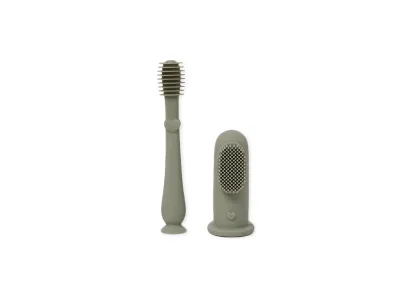
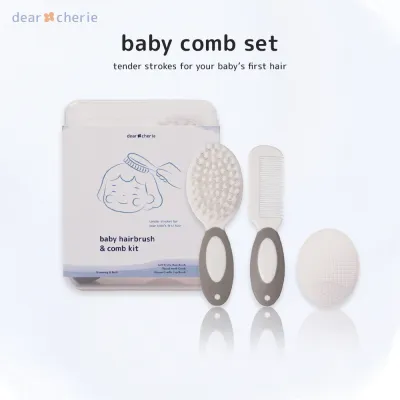
Prices are valid at publication and may change. Please refer to the product page for the latest price.
As the months progress, these physical traits change. By the time a baby reaches infancy and toddlerhood, their skin barrier becomes more resilient, and their fingernails and toenails grow thicker and more rigid. Hair becomes denser, requiring tools that can detangle without pulling. Motor skills also develop rapidly; while a young infant may remain relatively still or sleep through a grooming session, an older infant or toddler will actively wriggle, reach for the tools, or resist being held still. This increase in physical strength and mobility introduces new safety challenges that require sturdier, more ergonomic grooming implements.
Using grooming tools that do not align with your baby’s developmental stage carries distinct risks. For instance, using a standard metal nail clipper designed for older children on a newborn’s pliable nails can easily pinch the delicate skin of the fingertip. Conversely, attempting to use an ultra-gentle newborn emery board on a toddler’s tough, fast-growing nails will be highly inefficient and may cause the file to wear down instantly. Understanding these physiological changes allows you to select tools that balance safety with practical effectiveness.
While Dear Cherie offers various grooming configurations, parents must always cross-reference the brand’s recommended age guidelines on the product packaging with their child’s actual physical milestones. Every baby develops at a unique pace, meaning a child may require a transition to sturdier tools earlier or later than average. By focusing on your baby’s specific skin sensitivity, nail hardness, and comfort levels, you can make an informed decision on when to introduce new tools from your grooming kit.
Essential Tools in a Dear Cherie Grooming Kit and What to Check
Before purchasing a baby grooming kit, it is vital to understand the function of each included tool and the specific safety features you must verify on the product label. A well-designed kit should provide clear, manufacturer-specified guidelines for every implement.

Nail Care Tools
Nail care is often the most frequent and nerve-wracking grooming task for parents. Standard infant nail care tools generally fall into three categories: safety scissors, clippers, and files or electric trimmers. Baby nail scissors feature rounded safety tips to prevent accidental punctures if the baby makes a sudden movement. Infant nail clippers are scaled down in size, featuring curved cutting blades that match the natural contour of a small fingernail, and often include ergonomic handles or non-slip grips to give parents precise control.
When evaluating a Dear Cherie kit, check the product description for built-in safety enhancements. Some clippers feature integrated safety guards to limit how much of the nail can be inserted, while others may include a magnifying glass attachment to improve visibility. For newborns, look for kits that include ultra-fine emery boards or an electric nail trimmer equipped with rotating, cushioned filing pads. Always verify the manufacturer’s stated age range for each cutting tool, as blade sharpness, guard sizes, and filing textures are calibrated for specific nail thicknesses.
Hair and Scalp Care
Caring for a baby’s hair and scalp requires tools that respect the delicate nature of the cranial skin. Newborn brushes typically feature ultra-soft bristles—often made from natural materials like goat hair or very soft synthetic fibers—designed to gently smooth fine hair and stimulate the scalp without causing irritation. These soft brushes are also highly effective for gently loosening flaky skin associated with cradle cap during bath time.
As your child’s hair grows thicker and longer, a soft-bristle brush may no longer reach the scalp or effectively manage tangles. At this stage, a wide-toothed comb with smooth, rounded teeth becomes necessary to detangle hair gently without scratching or pulling. When selecting a kit, examine the materials used in the brushes and combs. Ensure there are no sharp plastic seams or rough edges on the comb teeth. Additionally, review the manufacturer’s care instructions; tools used on the hair and scalp must be easy to wash with mild soap and water to prevent the buildup of oils, skin flakes, and bacteria.
Oral and Nasal Care
Some comprehensive baby grooming kits include specialized tools for early oral hygiene and nasal clearance. Oral care tools often start with soft silicone finger cots or toothbrushes designed for parents to slip over their fingers. These tools are used to gently massage tender gums and clean the first emerging teeth. When purchasing, you must verify that any silicone tool is made from high-quality, food-grade silicone and is certified BPA-free. Check the recommended age range for oral insertion to ensure the size is appropriate for your baby’s mouth.
Nasal aspirators or bulb syringes are designed to clear mucus from a baby’s nasal passages, which is especially important since infants primarily breathe through their noses. When evaluating a nasal aspirator within a grooming kit, check the tip size and material; it should be made of soft, flexible silicone to prevent injury to the sensitive nasal lining. Look for designs that are easy to disassemble, clean, and sanitize, as trapped moisture can promote mold growth. Always stop using any oral or nasal tool immediately and consult a pediatrician if your baby shows signs of physical distress, tissue irritation, or bleeding.
Matching Kit Features to Your Baby's Growth Milestones
To simplify your purchasing decision, it is helpful to look at baby grooming through the lens of developmental milestones. Matching the features of a Dear Cherie kit to these specific stages ensures you always have the right tool on hand.
Newborns (0-3 Months)
During the first three months of life, grooming is centered on extreme gentleness and protection. A newborn’s nails grow incredibly fast, often requiring trimming multiple times a week to prevent them from scratching their own face. However, because the nail is highly flexible and closely attached to the skin, traditional clipping can be challenging for new parents.
For this stage, look for a Dear Cherie kit that prioritizes the following features:
- Electric Nail Trimmer with Infant Pads: These devices use rotating, cushioned filing pads that gently file down the nail without damaging the surrounding skin. Ensure the kit includes pads specifically color-coded or labeled for the 0-3 month range.
- Ultra-Soft Bristle Brush: A brush with natural or ultra-fine synthetic bristles is ideal for smoothing fine hair and gently massaging the scalp.
- Silicone Finger Brush: A soft silicone finger cot is perfect for wiping down gums after feedings.
Avoid using standard metal clippers or sharp scissors during these first few weeks unless you have extensive experience and the tool’s packaging explicitly clears it for newborn use. Always perform grooming tasks when your baby is calm, fed, or sleeping to minimize sudden movements, and carefully read all safety warnings provided by the manufacturer.
Infants (4-12 Months)
As babies reach the four-to-twelve-month mark, they become significantly more active. They begin to roll, sit up, grab at objects, and display a keen interest in their surroundings. This increased mobility means that grooming sessions must be quick, precise, and highly secure. At the same time, their nails are becoming slightly firmer, and their hair may be growing longer and thicker.
When choosing a kit for an infant, look for these features:
- Ergonomic Baby Nail Clippers: Clippers should feature large, non-slip handles that fit securely in your hand, allowing you to make clean, quick cuts with confidence.
- Safety-Guarded Scissors: Scissors with rounded tips and short blades give you excellent control for trimming fingernails and toenails while minimizing the risk of accidental pinches.
- Dual Brush and Comb Set: A transition set containing both a soft brush and a fine, rounded comb helps manage changing hair textures.
Always check the product label to ensure the tools are rated for your baby’s current age bracket. Infant tools are engineered to handle slightly more resistance than newborn tools, making them more effective as your baby’s physical features mature.
Toddlers (1-3 Years)
By the toddler years, your child has developed a strong sense of independence and may actively resist grooming routines. Toddlers have much thicker nails, a full head of hair that is prone to tangling, and a tendency to move suddenly. Grooming tools for this stage must be durable, highly efficient, and easy to use quickly.
Key features to look for in a toddler-appropriate kit include:
- Standard Child-Sized Clippers: These clippers feature stronger blades designed to cut through thicker toddler nails cleanly without splitting the nail.
- Sturdy Detangling Comb: A comb with wider spacing between the teeth helps gently remove knots from thicker hair without causing discomfort.
- Toddler Training Toothbrush: If oral care is included, look for a toothbrush with a larger, easy-to-grip handle for small hands and soft, rounded nylon bristles.
- Durable Travel or Storage Case: A dedicated case is essential for keeping tools organized, clean, and out of reach of curious toddlers, especially when traveling.
At this stage, direct adult supervision remains absolutely mandatory. Toddlers should never be allowed to hold or play with grooming tools unsupervised, and parents must regularly check the tools for signs of wear, replacing any items that show degradation.
Safety Boundaries and Pre-Purchase Verification
No matter which Dear Cherie grooming kit you choose, safety must always remain your top priority. Implementing a strict verification and maintenance routine ensures that grooming remains a safe, hygienic experience for your child.
Label Verification
Before making a purchase, take the time to physically read or digitally verify the product label and packaging. Do not assume a tool is safe or appropriate simply because it is marketed as a “baby” product. Look for explicit age recommendations, clear material listings, and safety certifications. Ensure that all plastic and silicone components are certified BPA-free, phthalate-free, and made from food-grade materials where applicable. Check for any choking hazard warnings, particularly regarding small parts like trimmer attachments or protective caps.
Condition Checks
Before every single grooming session, inspect each tool thoroughly. Look for any signs of physical damage or wear that could compromise safety:
- Check metal blades on scissors and clippers for any spots of rust, dullness, or misalignment.
- Inspect brushes for loose bristles that could fall out and pose a choking hazard or irritate your baby's eyes and nose.
- Examine silicone and plastic parts for cracks, tears, or signs of degradation.
If you detect any damage, compromise, or wear, discard the tool immediately and replace it. Using damaged tools can lead to uneven cuts, skin pinching, or bacterial contamination.
Hygiene and Maintenance
Proper hygiene is critical to prevent the transfer of bacteria and skin infections. In warm, humid environments like Singapore, moisture can easily trap bacteria or mold on grooming tools if they are not dried properly.
Follow these low-risk cleaning practices:
- Wipe metal cutting blades with a cotton pad dipped in isopropyl alcohol after each use, allowing them to air dry completely before storage.
- Wash hairbrushes and combs in warm, soapy water using a mild baby shampoo, rinse thoroughly, and shake out excess water. Place them bristle-down on a clean towel to dry.
- Clean silicone finger brushes and nasal aspirator tips according to the manufacturer's specific sanitization instructions, which may include boiling or using a steam sterilizer.
Always refer to the official Dear Cherie care manual for tool-specific cleaning guidelines to avoid damaging the materials.
When to Stop and Seek Help
If a grooming tool causes any skin redness, swelling, bleeding, or significant distress to your baby, stop using it immediately. Grooming tools are designed for basic maintenance, not medical treatment. If your baby has persistent scalp issues like severe, thick cradle cap, or painful conditions like ingrown toenails or localized skin infections around the nail bed, do not attempt to resolve these issues with grooming tools. Consult a pediatrician or a qualified healthcare professional for proper medical evaluation and treatment.
Supervision
Never leave a child unattended with any grooming tool, even for a moment. Grooming implements, including soft brushes and electric files, contain small parts, sharp edges, or batteries that can pose serious safety risks if mishandled. Keep all grooming kits stored securely in a high cabinet or locked drawer, completely out of reach of children, when not in active use by an adult.
Frequently Asked Questions (FAQ)
Can I use a toddler grooming kit for a newborn?
It is highly discouraged to use a toddler grooming kit for a newborn. Toddler grooming tools are designed for thicker nails, denser hair, and more resilient skin. The blades on toddler nail clippers and scissors are larger and sharper, which significantly increases the risk of cutting a newborn’s paper-thin skin or pinching their delicate fingertips. Additionally, toddler hairbrushes have stiffer bristles that can irritate a newborn’s sensitive scalp.
To ensure your newborn’s safety, you should strictly follow the manufacturer’s age recommendations on the Dear Cherie packaging. It is best to use a dedicated newborn grooming kit or utilize the specific newborn-safe attachments, such as ultra-fine filing pads on an electric trimmer, until your baby reaches the physical milestones required for larger, more robust toddler tools.
How often should I replace the tools in the grooming kit?
The replacement frequency of baby grooming tools depends on the type of tool, how often it is used, and how well it is maintained, rather than a rigid calendar schedule. However, you should inspect the tools regularly for physical signs of wear. Nail clippers and scissors should be replaced if the blades become dull, misaligned, or show any signs of rust or corrosion, as dull blades can tear the nail rather than cutting it cleanly.
Hairbrushes and combs should be replaced immediately if the bristles begin to fall out, if the teeth on the comb chip or bend, or if you notice any mold growth or cracks in the plastic base. For electric nail trimmers, the filing pads must be replaced as soon as the abrasive texture wears smooth and becomes ineffective. Always consult the Dear Cherie product manual for specific replacement schedules, accessory compatibility, and warranty information.
Community discussion
Share your experience or ask a question. Comments are reviewed before publication.