
Providing a comfortable, clean, and breathable space for diaper changes is a daily priority for parents in Singapore. With the tropical climate bringing high humidity and warm temperatures year-round, selecting the right materials for your nursery is essential to keep your baby comfortable and prevent skin issues like heat rash. While there are many options on the market, a cotton baby changing mat is often preferred for its natural softness, excellent breathability, and gentle feel against an infant’s delicate skin. However, finding the ideal mat involves looking beyond generic marketing claims and understanding the specific material compositions, structural designs, and safety features that suit your home.
Selecting the right changing mat requires a careful balance of comfort, practical utility, and safety. Because diaper changes happen multiple times a day, the mat must not only support your baby securely but also withstand frequent cleaning and fit seamlessly into your living space. Whether you are setting up a dedicated nursery in a spacious flat or looking for a compact, portable solution for a cozy apartment, understanding what makes a high-quality cotton mat will help you make an informed decision. This guide outlines the essential features, sizing considerations, safety standards, and maintenance practices to help you choose a reliable cotton changing mat in Singapore.
Essential Features to Look for in a Cotton Changing Mat
When evaluating cotton changing mats, it is important to understand that “cotton” can refer to several different fabric constructions and material blends. A 100% organic cotton cover offers the highest level of breathability and is free from synthetic chemicals, making it an excellent choice for newborns with highly sensitive skin. Cotton muslin is another popular option; its loose, open weave makes it incredibly lightweight and fast-drying, which is highly advantageous in Singapore’s humid climate. On the other hand, cotton terry features tiny loops that provide excellent absorbency and a plush, towel-like texture, though it may take slightly longer to dry after washing. Some mats utilize cotton-polyester blends, which offer increased durability and resistance to wrinkling or shrinking, though they may feel slightly less breathable than pure cotton.
Products mentioned in this guide
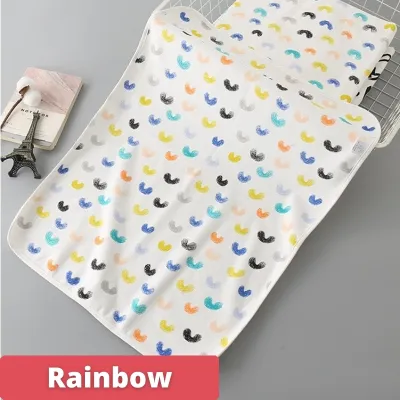
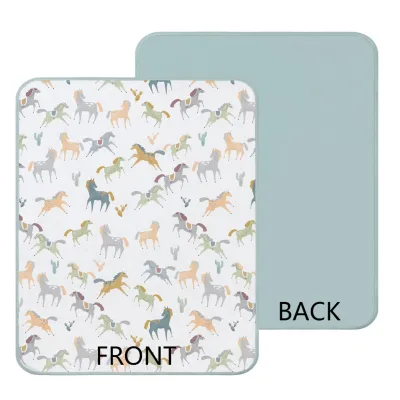
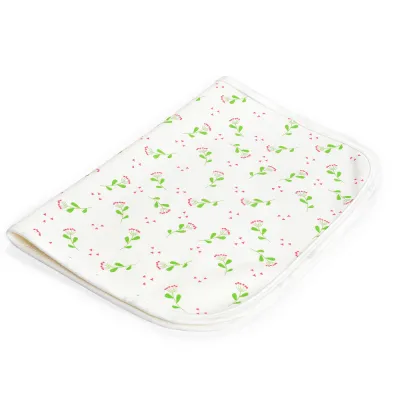
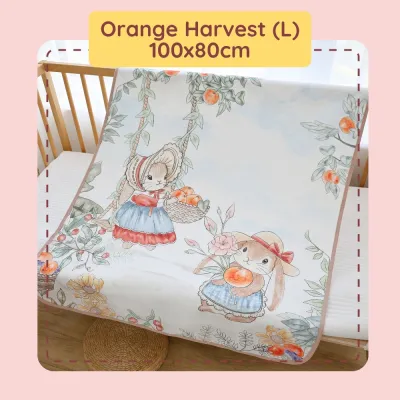
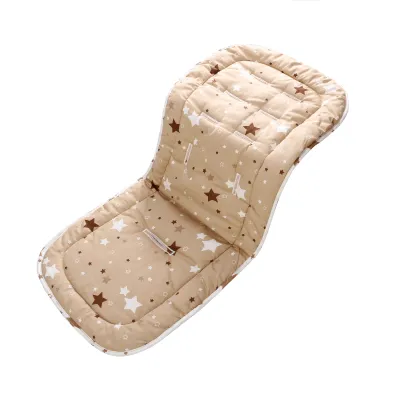
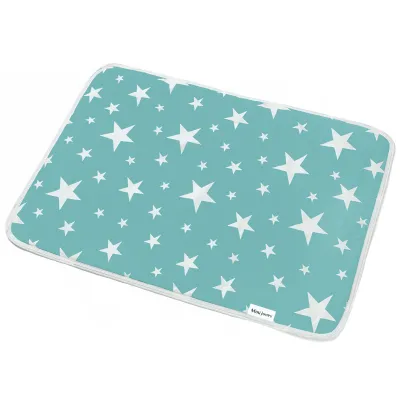
Prices are valid at publication and may change. Please refer to the product page for the latest price.
While a soft cotton surface is ideal for your baby’s comfort, cotton alone is not waterproof. To protect the underlying foam core and your nursery furniture from inevitable leaks and spills, a high-quality changing mat must incorporate a reliable waterproof barrier. Look for mats that feature a hidden waterproof layer beneath the cotton cover, typically made from thermoplastic polyurethane (TPU) or polyurethane laminate (PUL). These materials effectively block liquids from seeping into the inner cushioning while remaining flexible and quiet, avoiding the loud crinkling noise associated with cheaper PVC backings. Some designs feature a fully waterproof inner mat with a removable, washable cotton cover, while others integrate a waterproof lining directly into the underside of the cotton fabric itself.
The structural design of the changing mat plays a critical role in keeping your baby secure during changes. Many premium mats feature contoured edges or raised bumpers along the sides, creating a gentle, secure hollow that helps keep your baby centered on the mat. These contoured designs are particularly helpful as babies become more active and begin to roll, though they should never be viewed as a substitute for active parental supervision. The foam base should be firm enough to prevent the baby from sinking completely to the hard surface underneath, providing both ergonomic support and a stable foundation. Additionally, check the underside of the mat for non-slip materials or silicone grip dots, which prevent the mat from sliding across the top of your changing table or dresser during use.
Choosing the Right Size, Thickness, and Format
Before purchasing a changing mat, it is essential to measure your intended changing surface to ensure a proper and safe fit. Standard changing tables and dresser-top changers typically accommodate mats measuring approximately 50 centimeters by 70 centimeters or 45 centimeters by 80 centimeters. Choosing a mat that is too large can cause dangerous overhang, compromising the stability of the changing station and increasing the risk of the mat tipping over. Conversely, a mat that is too small may slide around excessively unless secured with adhesive strips or physical brackets. If you live in a compact Singaporean apartment where space is limited, you might opt for a smaller, space-saving mat designed to fit on top of a cot top changer or a compact chest of drawers.

For parents who are frequently on the move or need a flexible setup, portable or foldable cotton changing mats offer an excellent alternative to bulky, stationary designs. These travel-friendly formats typically feature a thin, padded cotton surface that can be folded or rolled up tightly to fit inside a diaper bag or stroller basket. Many portable mats include integrated straps, snap closures, or magnetic fasteners to keep them neatly folded when not in use. While travel mats do not offer the thick cushioning or contoured safety edges of stationary models, they provide a clean, familiar, and comfortable cotton surface for diaper changes in public restrooms, in the car, or while visiting family.
The thickness and density of the inner foam core are key factors that determine both comfort and safety. A high-quality stationary changing mat should have a thickness of at least 2.5 to 5 centimeters, utilizing high-density polyurethane foam or supportive polyester fiberfill. This thickness ensures that your baby’s head, spine, and hips are well-cushioned against the hard wooden or metal surface of the changing table. Avoid mats that feel overly soft or squishy, as they do not provide adequate physical support and can degrade quickly over time, leading to uneven sagging. A firm, resilient foam core will maintain its shape through months of daily use, ensuring a consistent and stable platform for every diaper change.
Safety Checks and Cleaning Requirements to Verify
Safety should always be the primary consideration when selecting any baby product, and changing mats are no exception. Because your baby’s bare skin will come into direct contact with the mat daily, look for reputable safety certifications on the product packaging or manufacturer listings. Certifications such as OEKO-TEX Standard 100 guarantee that the fabric has been rigorously tested for harmful substances and is safe for infant use. If you are purchasing an organic cotton mat, verify that it carries the Global Organic Textile Standard (GOTS) label, which ensures the organic status of the textiles from harvesting through environmentally and socially responsible manufacturing. For the inner foam core, certifications like CertiPUR-US indicate that the foam is made without ozone depleters, heavy metals, or harmful flame retardants.
Maintaining proper hygiene is essential to prevent the buildup of bacteria, mold, and mildew, especially in Singapore’s warm and humid environment. Before buying, carefully review the manufacturer’s washing and drying instructions for the cotton cover. High-quality cotton covers should be easily removable via a secure zipper and machine washable. To prevent shrinkage, color fading, or fabric degradation, manufacturers often recommend washing cotton covers in cold or lukewarm water on a gentle cycle using a mild, baby-safe detergent. Avoid using harsh chlorine bleach or fabric softeners, as softeners can leave a residue that reduces the natural absorbency of the cotton fibers and may irritate sensitive skin.
Proper drying techniques are equally important to preserve the shape and fit of the cotton cover. While tumble drying on low heat is sometimes permitted, line drying in a well-ventilated area out of direct sunlight is often the best way to prevent shrinkage and prolong the life of the fabric. Ensure the cover is completely dry before slipping it back over the foam core, as any trapped moisture can quickly lead to mold growth in humid conditions. Because diaper changes can be messy and unpredictable, it is highly practical to purchase at least one or two spare cotton covers. Having a backup cover ensures that your changing station remains fully functional and comfortable while one cover is in the wash or drying on the line.
It is vital to remember that no changing mat, regardless of its safety features, contoured edges, or security straps, can replace constant adult supervision. Falls from elevated surfaces like changing tables can cause serious injuries. Always keep one hand on your baby at all times during a diaper change, and never leave your infant unattended on a changing mat, even for a split second. If your changing mat comes equipped with a safety strap, use it to help secure your baby, but do not rely on it as a guarantee of safety. If your baby is exceptionally active or has reached the developmental milestone of rolling over consistently, it may be safest to transition to performing diaper changes on a clean mat placed directly on the floor.
A Practical Checklist for Evaluating Options in Stores
When shopping for a cotton changing mat in local retail stores or browsing online marketplaces, having a structured evaluation process will help you avoid low-quality products. Use the following checklist to assess the quality, safety, and practicality of any mat before making your purchase:
- Verify the Fabric Composition: Carefully read the physical product tags or detailed online specifications rather than relying solely on broad marketing terms like "cotton feel" or "cotton-soft." Ensure the label explicitly states the percentage of cotton, looking for 100% cotton or certified organic cotton if you want maximum breathability and softness.
- Inspect the Seams and Zippers: Examine the stitching along the edges of the cotton cover to ensure it is tight, even, and double-stitched to prevent fraying after multiple wash cycles. Check the quality of the zipper; it should glide smoothly, be securely attached, and feature a fabric guard or hidden zipper garage to prevent the metal pull from scratching your baby's skin or snagging other items in the laundry.
- Assess the Waterproof Barrier: If the mat claims to be waterproof, verify how this is achieved. Look for a separate, high-quality TPU or PUL inner lining rather than a cheap, noisy plastic backing that can crack over time or trap excessive heat.
- Test the Foam Firmness: Press down firmly on the center of the mat to evaluate the foam density. It should offer immediate resistance and spring back quickly when released, indicating that it will provide stable support and won't bottom out under your baby's weight.
- Check the Underside Grip: Ensure the bottom of the mat features a reliable non-slip surface, such as textured rubber backing or silicone grip patterns, to keep the mat firmly in place on your changing table or dresser.
- Review the Return and Warranty Policies: Check the retailer's return policy and the manufacturer's warranty terms, especially regarding manufacturing defects, zipper failures, or premature fabric wear. Reading customer reviews can also provide valuable insights into how well the cotton cover holds up to repeated washing and whether it is prone to excessive shrinking or staining.
By systematically verifying these details, you can select a durable, safe, and comfortable cotton changing mat that meets your family’s needs and provides a reliable space for your baby’s daily care.
Frequently Asked Questions (FAQ)
Can I use a standard cotton towel instead of a dedicated changing mat?
While a standard cotton towel is soft, absorbent, and easily washable, it is not a suitable long-term substitute for a dedicated baby changing mat. Towels lack the essential structural support, firm cushioning, and contoured safety edges that keep an infant secure and comfortable during diaper changes. Furthermore, standard towels do not have a non-slip backing, meaning they can easily slide across smooth wooden or plastic surfaces, creating a significant safety hazard. A towel also lacks a built-in waterproof barrier, allowing wetness from leaks to seep directly through to the underlying furniture or mattress. While a clean, folded cotton towel may be acceptable for temporary, emergency diaper changes performed directly on the floor, a dedicated changing mat with proper safety features and support should always be used for regular, elevated changing stations.
How often should I wash the cotton cover of a changing mat?
The frequency of washing your changing mat’s cotton cover depends on several factors, including your baby’s age, the frequency of diaper leaks, and the local climate. As a general rule, the cover should be washed immediately whenever it becomes soiled by urine, stool, or diaper creams to maintain proper hygiene and prevent staining. Even in the absence of visible soil or spills, it is recommended to wash the cotton cover at least once a week to remove accumulated sweat, dead skin cells, and household dust. In Singapore’s warm and humid climate, washing the cover regularly is particularly important to prevent the growth of mold, mildew, and odor-causing bacteria. Keeping two or three spare cotton covers on hand allows you to quickly swap out a dirty cover for a clean one, ensuring your baby always has a fresh, hygienic, and comfortable surface to lie on without interrupting your daily routine.

Community discussion
Share your experience or ask a question. Comments are reviewed before publication.