
Choosing the right child potty depends on balancing your toddler’s developmental stage with your home’s physical layout. For early beginners who need stability and immediate access, a standalone floor potty is often the most reassuring starting point. For older, more independent toddlers who want to mimic adults, a toilet seat reducer paired with a sturdy step stool is highly effective. Your final choice will ultimately depend on your bathroom space, your child’s physical readiness, and how often you need a portable solution for outings.
Understanding the Main Types of Child Potties
Before browsing online marketplaces or local baby boutiques, it is helpful to understand the three primary categories of training potties. Each design serves a distinct purpose in the toilet training journey, catering to different levels of physical coordination and bathroom setups. By understanding these core differences, you can select a model that aligns with your parenting approach and your child’s comfort level.
Standalone Floor Potties
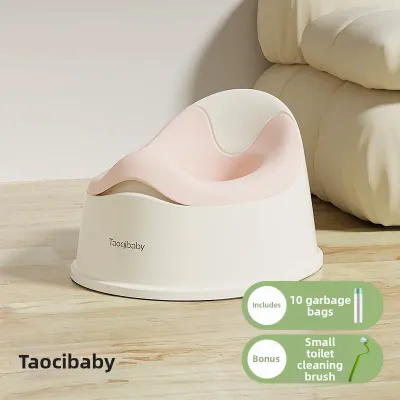
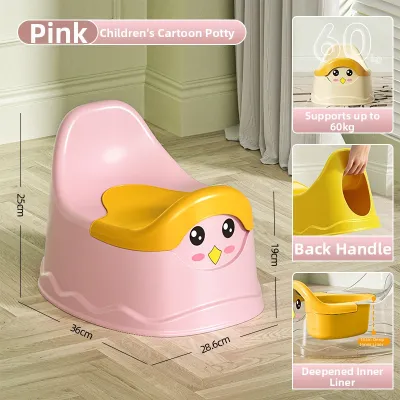
Freestanding floor potties are low-to-the-ground, self-contained units designed specifically for small children. Because they sit directly on the floor, they allow toddlers to sit with their feet planted firmly, which provides essential physical stability and the correct anatomical positioning for bowel movements. This low height also allows your child to sit down and stand up independently without requiring adult assistance or a step stool, fostering confidence from the very beginning. Many models feature high backrests or small side handles, which can help your toddler feel secure and balanced while sitting.
Products mentioned in this guide
![[SG STOCK] Potty Training Toilet Easy to Clean Cute Duck Baby Potty Training Seat with Splash Guard Toddler Toilet Seat](https://img.lazcdn.com/g/p/43b322c9eeaf92e9ebff6db15b96d8af.jpg_400x400q80.jpg_.webp)
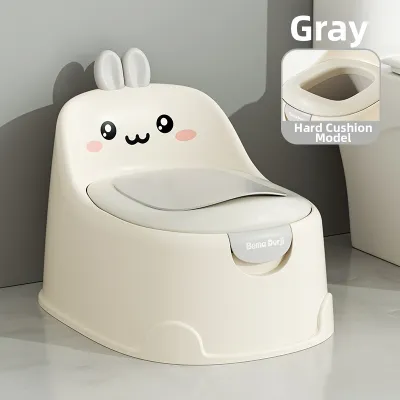
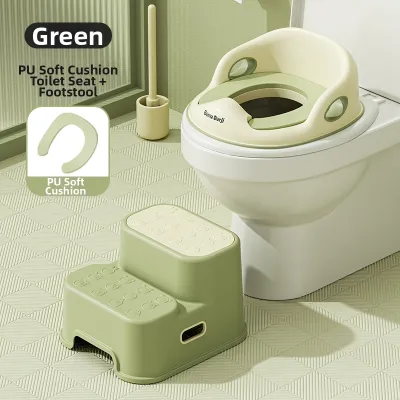
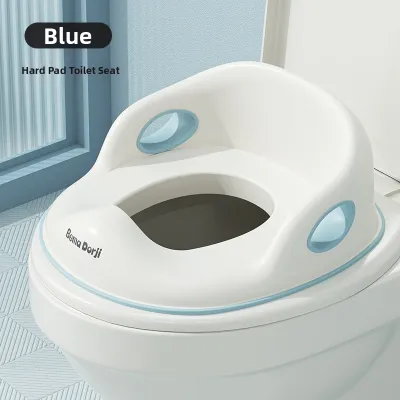
Prices are valid at publication and may change. Please refer to the product page for the latest price.
Maintaining a standalone potty involves a regular cleaning routine, as the inner bowl must be emptied into the adult toilet and washed after every use. In humid climates like Singapore, choosing a model with a highly polished, non-porous plastic surface is beneficial to ensure quick drying and easy sanitization. While these units do require dedicated floor space in your bathroom, their portability within the home means you can temporarily place them in a playroom or bedroom during the initial days of training, ensuring that the potty is always within immediate reach when your child signals they need to go.
Toilet Seat Reducers with Step Stools
Toilet seat reducers are specialized inserts that fit directly over your existing adult toilet seat, narrowing the opening so your toddler can sit securely without fear of slipping in. These reducers are excellent for older toddlers who show a strong desire to use the “big toilet” just like their parents or older siblings. They help normalize the adult bathroom environment from the very beginning, which can make the eventual transition to independent toilet use much smoother.
When selecting a seat reducer, it is crucial to verify the attachment mechanism to ensure it remains stable and does not slide during use, as any wobbling can frighten a child and cause training setbacks. Many models are paired with a separate or integrated step stool, which is necessary to help your child climb up and support their feet while seated. You should always check the manufacturer’s weight limits and non-slip grip specifications for both the reducer and the stool to ensure they match your child’s current physical development. Additionally, consider whether your home toilet has a round or elongated bowl, as some reducers are designed to fit specific shapes.
Travel and Foldable Potties
Maintaining consistency is one of the most important aspects of successful potty training, which makes travel potties an invaluable tool for families on the go. These lightweight, compact units are designed to fold flat, fitting easily into a diaper bag or the stroller basket for trips to the park, shopping malls, or visits to relatives. They can be set up quickly in unfamiliar environments, providing a familiar and hygienic seating option for your child.
Most travel potties function in two ways: as a standalone low potty using disposable, absorbent liners, or as a folding seat reducer on public toilet seats. Managing waste on the go requires planning, so you will want to look for models that accommodate biodegradable liners or feature easily washable silicone inserts. Having a reliable travel option helps prevent training regressions that can occur when toddlers feel intimidated by loud, automatic-flushing public restrooms or the large, open bowls of standard public toilets.
Key Factors to Evaluate Before Purchasing
When evaluating different child potty options, material quality and ease of cleaning should be your top priorities. Look for models made from durable, BPA-free plastics with smooth, seamless designs, as crevices and rough joints can trap moisture and bacteria. A removable inner bowl with a dedicated handle makes emptying and rinsing the potty significantly easier, reducing the risk of accidental spills during cleanup.

The design of the splash guard is another critical physical feature to inspect before buying. A built-in splash guard should be high enough to deflect urine downward but contoured in a way that does not interfere with your child’s ability to sit down or stand up comfortably. For some toddlers, an overly high or rigid splash guard can cause discomfort, so look for rounded, ergonomic shapes that prioritize both containment and comfort.
You must also measure your available bathroom floor space and compare it to the physical footprint of the potty. In compact apartments or shared family bathrooms, a bulky standalone potty can quickly become an obstacle, making a folding seat reducer or a highly compact floor model a more practical choice. Ensure that whatever model you choose can be stored neatly out of the way when adult family members need to use the bathroom.
Finally, always verify the weight capacity and ergonomic support of the potty against your child’s current height and weight. A potty that is too small can cause your child’s knees to be uncomfortably cramped, while one that is too large may lack the necessary back support, making them feel insecure. Look for wide, stable bases with non-slip rubber feet to prevent the potty from sliding or tipping over when your toddler sits down quickly.
Building Your Shortlist Based on Bathroom Setup and Training Goals
To narrow down your choices from online marketplaces, start by analyzing your specific home layout and daily routine. If you live in a home with a small or shared bathroom, such as a typical HDB flat, space-saving designs are essential. In these setups, a toilet seat reducer that hangs on a hook on the side of the toilet tank, paired with a nesting step stool, keeps the floor clear and maintains a tidy environment.
Your chosen potty training method should also influence your purchase decision. If you are following a child-led readiness approach, having a standalone floor potty permanently accessible in their play area allows them to explore and use it at their own pace. Conversely, if you prefer a structured, parent-led scheduling approach, a seat reducer that integrates directly into the family’s bathroom routine can help establish clear associations with regular toilet habits.
Budget considerations are also practical, with basic standalone potties starting around S$15, while multi-functional models that transition from a floor potty to a seat reducer and step stool can range from S$40 to S$80. If you are planning for a multi-child household, investing in a highly durable, single-molded plastic model without complex mechanical parts is often the most cost-effective choice. Ensure that any pre-loved or hand-me-down potties are thoroughly inspected for hairline cracks or worn-out non-slip grips before introducing them to a second child.
Planning the Transition to the Adult Toilet
The ultimate goal of potty training is to transition your child to using the standard adult toilet independently. Recognizing the physical and behavioral signs of readiness can help you time this transition smoothly. If your toddler begins to show curiosity about the adult toilet, asks to use the “big” seat, or complains that their standalone floor potty feels too small, it is time to introduce a seat reducer.
To ensure safety and maintain your child’s confidence during this shift, adjust your step stool so that their knees are slightly higher than their hips when seated. This squatting posture is anatomically optimal and helps them feel secure on the elevated seat. Always supervise your child during this transition phase, checking that the reducer is firmly seated and that the step stool remains stable on your bathroom floor tiles.
To phase out the training potty without causing anxiety or regression, involve your child in the process by letting them help store the old potty away. You can frame the transition as an exciting milestone, emphasizing their growing independence while keeping the routine consistent. If your child experiences temporary setbacks or expresses fear of the adult toilet, simply pause, offer gentle reassurance, and consider returning to the standalone potty for a few more weeks before trying again.
Frequently Asked Questions (FAQ)
At what age should I introduce a child potty?
Rather than relying on a strict chronological age, it is best to look for developmental milestones that indicate your child is physically and cognitively ready. These signs typically include staying dry for two hours or more, showing awareness of when they are wet or soiled, and being able to follow simple instructions. Consulting pediatric guidelines can help you identify these readiness cues, ensuring you introduce the potty when your child is most receptive rather than rushing the process due to external pressure.
Is a splash guard necessary for all toddlers?
While splash guards are highly beneficial for young boys to help direct urine into the bowl, they can also be useful for girls who are still learning how to position themselves correctly. A low, integrated splash guard is generally sufficient for most toddlers and is easier to clean than a high, removable shield. When choosing a potty, prioritize a smooth, contoured guard that provides effective containment without creating sharp edges or making it difficult for your child to sit down comfortably.
Community discussion
Share your experience or ask a question. Comments are reviewed before publication.