
To choose the right changing mat, you must balance your home’s layout, your daily mobility, and your baby’s physical development. A diapering station is one of the most frequently used spots in a home during a child’s first year, making the choice of changing mat critical for both convenience and safety. By selecting a model that fits your specific living environment and climate, you can establish a secure and hygienic routine.
Quick Diagnostic: Which Changing Mat Fits Your Setup?
Every family’s daily flow is different, meaning there is no single best changing mat for everyone. The ideal option is one that integrates seamlessly into your existing space and matches how often you diaper your baby at home versus on the go. To help you narrow down your choices, consider this quick-reference matrix mapping common household scenarios to suitable mat styles:
- Compact HDB Flat: If you are navigating limited bedroom space, a foldable, roll-up, or dresser-top wipeable mat is ideal. These can be easily stored away when not in use.
- Multi-Story Home: For homes with multiple levels, lightweight portable mats with carrying handles—or maintaining a dedicated, simple mat on each floor—will save you from constant trips up and down stairs.
- Frequent Travel or Outings: If you are often outdoors, a compact, foldable clutch-style mat with built-in storage pockets for diapers and wipes is highly practical.
- Spacious Dedicated Nursery: A stationary contoured foam mat with high raised edges and a non-slip base is excellent for a permanent changing table setup.
Changing mats in Singapore span a wide range of price points, from budget-friendly portable pads under S$20 to premium contoured foam models priced over S$100. Identifying your primary diapering location first ensures you invest in a product that genuinely supports your lifestyle rather than adding unnecessary clutter.
Products mentioned in this guide
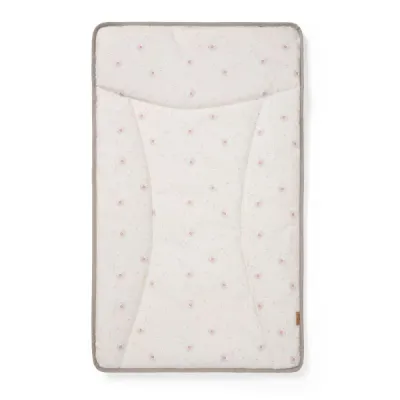
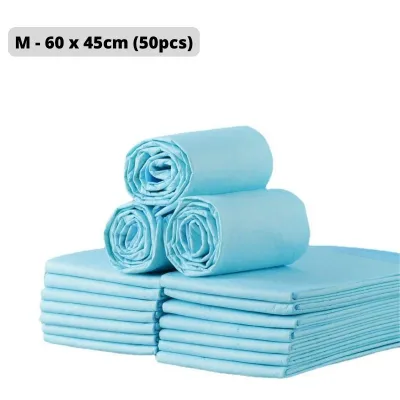
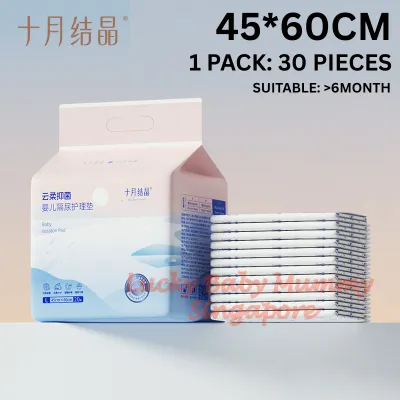
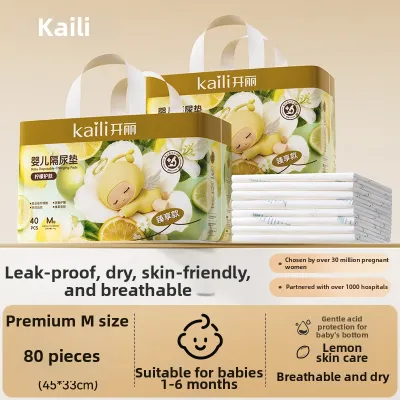
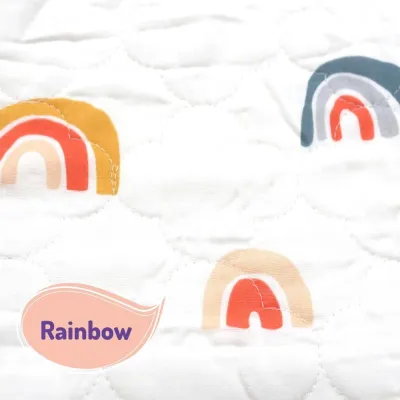
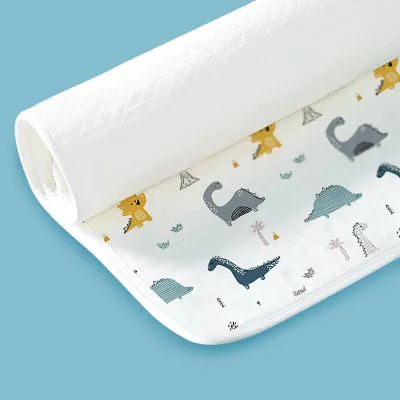
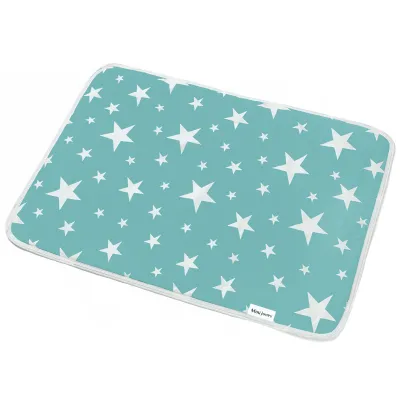
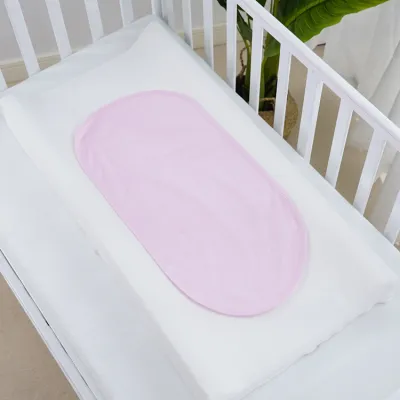
Prices are valid at publication and may change. Please refer to the product page for the latest price.
Assess Your Space: Matching the Mat to Your Room Layout
In Singapore, where space is often at a premium, particularly in modern HDB apartments, evaluating your room footprint is essential. A dedicated changing table is a wonderful addition if you have the space, but it is not a strict necessity. If you do choose a dedicated nursery setup, a contoured changing mat designed to sit atop a changing table or a wide chest of drawers offers excellent stability.

For compact living situations, look for flexible alternatives that do not require a permanent footprint. Foldable or roll-up changing mats can be stored in baskets, slid under a cot, or hung on wall hooks when diapering is finished. Some parents prefer dresser-top mats that can be placed on existing furniture during diaper changes and stored vertically afterward to keep surfaces clear.
Multi-purpose furniture can also be paired with flexible mats to maximize utility. For example, some lightweight mats are designed to fit securely inside travel cots or playpens. When adapting existing furniture, always verify the manufacturer’s guidelines to ensure the surface can support the combined weight of the mat and your growing baby.
Before purchasing any changing mat, measure your chosen flat surface precisely. The mat must sit completely flat with zero overhang. Any portion of the mat extending past the edge of the furniture poses a severe safety hazard, as it can cause the mat to tip or slide when the baby’s weight shifts during a change.
Aligning Portability with Your Daily Routine
Your diapering routine is rarely confined to a single room. In larger or multi-story homes, carrying a heavy, rigid changing mat between rooms is impractical and can compromise safety when navigating stairs. A highly effective strategy is to establish a primary diapering station with a supportive, contoured mat, while keeping lightweight, simple mats in common areas like the living room.
For families who are frequently on the go, a portable changing mat is indispensable. Look for travel-friendly designs that fold down into a compact clutch. These mats often feature integrated pockets to hold a small stack of diapers, a travel pack of wipes, and diaper creams, allowing you to manage quick changes without carrying a bulky diaper bag.
When evaluating travel mats, prioritize water-resistant exteriors and quick-folding mechanisms. These features allow you to deploy the mat rapidly on public changing tables, park benches, or vehicle seats, and wipe it clean immediately afterward. A durable, easily packable design ensures you can maintain hygiene standards no matter where you are.
Ultimately, choosing between stationary and mobile diapering comes down to a trade-off between cushioning and flexibility. A heavy, plush contoured mat provides excellent comfort for a fixed station but is difficult to move. Conversely, a thin, highly portable wipeable mat can be deployed anywhere in seconds but offers less padding. Balancing these two styles based on your daily flow will save time and physical strain.
Evaluating Materials for Hygiene and Tropical Comfort
Singapore’s warm and humid tropical climate introduces unique challenges for baby products. Babies are highly prone to heat rash and skin irritation when pressed against non-breathable materials. Therefore, the material of your changing mat plays a vital role in keeping your baby comfortable and dry during diaper changes.
Wipe-clean surfaces made of polyurethane (PU) or PEVA are incredibly convenient because they do not absorb liquids. You can sanitize them instantly with a baby-safe wipe after a messy change. However, synthetic waterproof materials can feel sticky and hot against a baby’s bare skin in humid weather, which may cause discomfort.
To balance hygiene and comfort, consider using machine-washable covers made of natural fibers over a waterproof mat. Cotton or bamboo covers offer excellent breathability and moisture-wicking properties, keeping the baby’s skin cool. If you choose this route, ensure you have at least three or four covers on hand, as they will require regular laundering to maintain hygiene.
When assessing the padding of a mat, look for high-density foam. The foam should be thick enough to cushion your baby’s head and spine against hard surfaces, yet firm enough to provide a stable, non-sinking platform. Very soft, plush padding can make it difficult to roll the baby safely during diaper changes and may degrade quickly over time.
Do not rely solely on marketing claims like “natural” or “eco-friendly.” Instead, verify the product tags and manufacturer specifications for recognized safety certifications. Look for labels indicating the mat is free from harmful chemicals, such as BPA and phthalates. Certifications like OEKO-TEX Standard 100 verify that the textile components have been tested for harmful substances and are safe for a baby’s sensitive skin.
Safety Checks and Knowing When to Transition
Safety is the paramount consideration when using any diapering product. Elevated diapering surfaces present a significant risk of falls, which can lead to serious injuries. When selecting a changing mat, look for built-in safety features such as contoured raised edges, adjustable safety straps, and a non-slip base that grips the underlying furniture securely.
Despite these safety features, the golden rule of diapering remains absolute: always keep one hand on your baby. A safety strap or a contoured edge is never a substitute for active adult supervision. Babies can move unexpectedly in a split second, and even a newborn can wiggle off an elevated surface if left unattended.
Knowing when to transition away from an elevated changing mat is crucial for fall prevention. Monitor your baby’s physical milestones closely. As soon as your baby shows signs of rolling over, attempting to sit up, or pulling themselves up, you must stop using elevated changing tables and mats. Additionally, always check the manufacturer’s stated weight and age limits; once your baby exceeds these thresholds, transition immediately to floor-based diapering.
Regularly inspect your changing mat for signs of wear and tear. In humid environments, cracked waterproof layers can trap moisture, leading to mold and bacterial growth that cannot be easily sanitized. Check the seams for splitting, look for peeling edges, and ensure the foam has not degraded or lost its supportive shape. If you spot any of these issues, replace the mat immediately to maintain a safe and hygienic environment.
Frequently Asked Questions (FAQ)
Can I use a regular towel or blanket instead of a changing mat?
While a towel or blanket can serve as a temporary surface in an emergency, they are not ideal for regular diapering. Standard household textiles lack a waterproof barrier, meaning any leaks or spills will soak through to the surface underneath, creating hygiene challenges. Furthermore, towels and blankets can easily bunch up or slip on smooth surfaces, creating a physical hazard for an active baby. If you must use a textile surface, ensure it is placed flat on the floor rather than on an elevated table, and wash it immediately after use. For older babies who can stand, a thick, non-slip floor blanket can be a practical option for quick clothing adjustments.
How do I clean and sanitize a wipeable changing mat safely?
To maintain the integrity of a wipeable changing mat, clean it daily with mild soap and warm water or a baby-safe disinfectant wipe. Avoid using harsh household chemicals, bleach, or abrasive scrubbing pads, as these can degrade the waterproof coating, compromise the material’s safety, and leave behind residues that irritate your baby’s delicate skin. Always allow the mat to air dry completely before storing it or placing a cover over it, especially in humid climates where trapped moisture can encourage mold growth. If the manufacturer provides specific care instructions, always follow those guidelines to preserve the product’s warranty and safety standards.
When should I stop using an elevated changing mat?
You should stop using an elevated changing mat as soon as your baby reaches any of the following milestones: showing the ability to roll over, attempting to sit up, or exceeding the manufacturer’s specified weight or age limit. Typically, many parents transition away from elevated surfaces between 4 to 6 months of age, though this depends entirely on your baby’s individual physical development. Once these milestones are reached, the risk of a fall increases significantly. Transition to diapering on a secure mat placed directly on the floor, or practice diapering your baby while they are standing up once they are stable on their feet.

Community discussion
Share your experience or ask a question. Comments are reviewed before publication.