
Selecting the right snacks for your baby is a major milestone in their feeding journey, and brown rice crackers have become a staple in many Singaporean households. These light, crispy snacks are highly valued for their convenience, portability, and ability to keep little hands occupied. However, walking down the baby food aisle in a local supermarket can quickly become overwhelming. With dozens of colorful boxes making various health claims, it is easy to assume that any product marketed for infants is automatically safe and nutritious.
In reality, evaluating these snacks requires looking past attractive packaging to scrutinize the ingredient list, nutritional panel, and physical properties of the cracker. Because a baby’s digestive system, kidneys, and oral motor skills are still developing, the ideal snack must meet strict safety and nutritional standards. This guide provides a practical, step-by-step framework to help you read labels, assess physical safety, and build a personalized shortlist of high-quality brown rice crackers available in Singapore.
When to Introduce Brown Rice Crackers to Your Baby
Before adding any dry snacks to your baby’s diet, ensure they are developmentally ready for finger foods. Most infants reach this stage around six months of age, but readiness is determined by physical milestones rather than a specific date. Look for clear signs of readiness, such as the ability to sit upright in a high chair with little to no assistance, good head and neck control, and a keen interest in the food on your plate.
Products mentioned in this guide
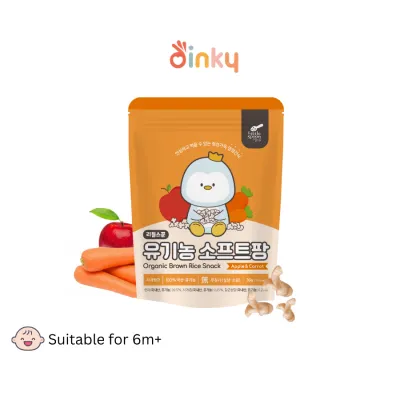
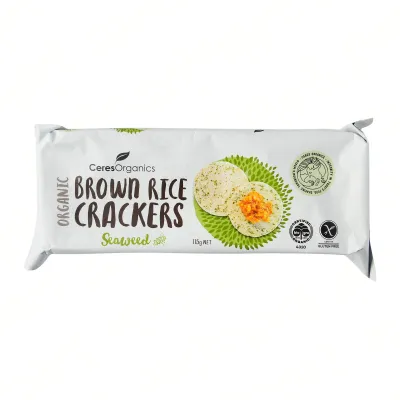
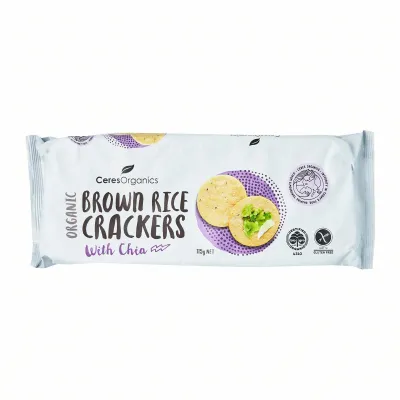
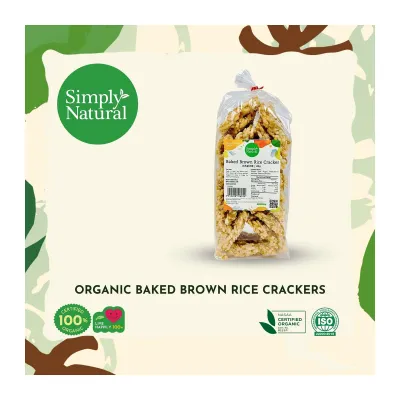
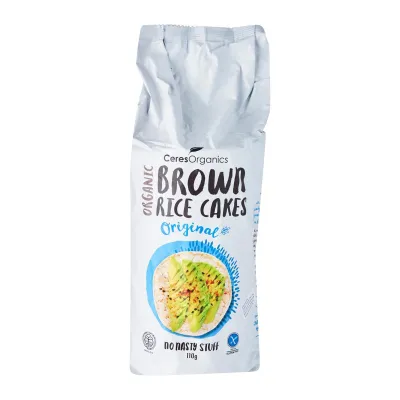
Prices are valid at publication and may change. Please refer to the product page for the latest price.
Another critical milestone is the development of the pincer grasp, where your baby begins to pick up small objects using their thumb and index finger. If your baby is still using their entire palm to scoop up objects, they may struggle to handle smaller cracker pieces safely. It is also important to distinguish between hard teething biscuits, which are designed for babies to gnaw on to soothe sore gums, and melt-in-the-mouth crackers, which are formulated to dissolve quickly when mixed with saliva. For early eaters transitioning from smooth purees, quick-dissolving crackers are much safer and easier to manage.
Because every child develops at their own pace, always consult your pediatrician before introducing new solid foods or dry snacks. This is especially important if your baby has a history of developmental delays, swallowing difficulties, or a family history of severe food allergies. A quick check-in with a healthcare professional ensures that your baby’s oral motor skills are sufficiently mature to handle the texture of rice crackers safely.
Decoding the Nutrition Label: What to Look For
When evaluating brown rice crackers, the nutrition information panel and the ingredient list are your most reliable tools. Manufacturers often use terms like “natural,” “wholesome,” or “made with real veggies” on the front of the box, but these claims are not tightly regulated and can be misleading. To get the true picture of what you are feeding your baby, turn the box over and read the ingredient list, which is always organized in descending order by weight.

The very first ingredient listed should be whole grain brown rice. If you see white rice flour, starches, or sweeteners listed first, the product is primarily made of refined carbohydrates rather than nutrient-dense whole grains. Additionally, pay close attention to the serving size specified on the panel. Infant snack portions are often very small, and manufacturers may present nutritional values per serving to make sodium or sugar levels appear lower than they actually are.
To make an accurate comparison between different brands, look at the “per 100g” column alongside the “per serving” column. This allows you to compare the concentration of nutrients directly, regardless of how the manufacturer defines a single portion. By learning to calculate the actual nutrient intake per cracker, you can avoid products that rely on empty calories and fillers to bulk up their recipe.
Managing Sodium and Added Sugar
An infant’s kidneys are still maturing and cannot efficiently process large amounts of sodium. Pediatric guidelines generally recommend keeping a baby’s salt intake as low as possible, with a maximum limit of less than 1 gram of salt (approximately 400 milligrams of sodium) per day for infants under twelve months. When shopping for brown rice crackers, aim for products that contain zero added salt and have the lowest possible sodium content per serving—ideally less than 10 milligrams per portion.
Added sugars pose another significant concern for developing babies. Introducing sweet snacks early in life can shape a child’s taste preferences, making them less accepting of savory vegetables and plain whole grains later on. Furthermore, frequent exposure to sugar can contribute to early tooth decay, even before primary teeth fully emerge. When checking the ingredient list, look out for hidden sugars that may be listed under alternative names, such as fruit juice concentrate, brown rice syrup, maltose, cane sugar, or fructose.
To find the healthiest option, perform a side-by-side comparison of the products available on the shelf. Choose crackers that list no added sweeteners of any kind. If a product uses fruit juice concentrate for flavoring, ensure it is positioned near the end of the ingredient list, indicating it is present only in trace amounts rather than serving as a primary sweetener.
Verifying Whole Grain and Rice Content
Whole grain brown rice is nutritionally superior to refined white rice because it retains the bran and the germ, which contain essential B vitamins, minerals, and dietary fiber. Refined white rice has these outer layers stripped away, leaving behind mostly starch. When selecting a cracker, verify that “brown rice” or “whole grain brown rice” is explicitly named as the primary ingredient.
Some manufacturers voluntarily include a whole grain percentage or a whole grain stamp on their packaging to indicate the proportion of whole grains used. While these stamps are helpful indicators, they are voluntary, so a lack of a stamp does not necessarily mean the product is inferior. Instead, rely on the ingredient list to confirm that refined flours, such as white rice flour, potato starch, or tapioca starch, are not dominating the recipe.
While small amounts of starches are sometimes added to improve the texture and help the cracker melt more easily, they should never replace the whole grain foundation. If starches or refined flours are listed before brown rice, the cracker will offer very little nutritional value and may cause rapid spikes in your baby’s blood sugar levels.
Assessing Texture, Size, and Choking Safety
Choking is a primary concern for parents introducing solid foods, making the physical characteristics of a rice cracker just as important as its nutritional profile. A safe baby cracker must have an exceptionally high dissolution rate. This means that as soon as the cracker enters the baby’s mouth and comes into contact with saliva, it should soften and dissolve rapidly without requiring active grinding or chewing with teeth.
You can easily test this yourself by placing a piece of the cracker on your own tongue; if it melts away within a few seconds without needing to be chewed, it is likely safe for an early eater. If the cracker remains hard, sticky, or breaks into sharp, jagged shards, it poses a significant choking hazard and should be avoided. The physical size and shape of the cracker also play a vital role in safety.
Look for long, flat rusks or large, circular discs that are easy for a baby to hold with a palmar grasp. These shapes allow the baby to hold one end while gnawing safely on the other. Avoid small, bite-sized crackers or round, coin-shaped snacks that can easily be popped entirely into the mouth, as these can block the airway if swallowed whole. Most importantly, never leave your baby unattended while they are eating. Active, uninterrupted adult supervision is mandatory during all feeding times, and your baby must always be seated completely upright to minimize the risk of choking.
Navigating Allergens and Additives
As you introduce new foods, managing potential allergens and avoiding unnecessary chemical additives is crucial for protecting your baby’s sensitive digestive system. Many packaged snacks are processed on shared manufacturing lines, which introduces the risk of cross-contamination. Carefully scan the packaging for precautionary allergen labeling, such as “manufactured in a facility that also processes milk, soy, wheat, or nuts.”
If your baby has a known food allergy or a high risk of developing one, these warnings are critical for preventing accidental exposure. In addition to allergens, you should actively avoid products that contain artificial colors, synthetic flavors, and chemical preservatives. A baby’s food should be as close to its natural state as possible, and there is no nutritional or safety benefit to including artificial additives in their snacks.
Many parents wonder if they should prioritize organic or non-GMO certified brown rice crackers. Organic certification ensures that the rice was grown without synthetic pesticides or chemical fertilizers, which can be appealing to families looking to minimize chemical exposure. However, organic labels do not automatically make a snack healthy; an organic cracker can still be high in sodium or added sugar. Treat organic certification as a secondary preference that should be weighed against your family budget, always prioritizing a clean, low-sodium ingredient list first.
Building Your Shortlist: Finding Suitable Options in Singapore
To build a practical shortlist of brown rice crackers, you can apply these nutritional and safety criteria to the options available in Singapore’s retail landscape. Local supermarkets, specialty baby boutiques, and reputable online marketplaces offer a wide variety of imported and local brands. When browsing these options, use a simple checklist: check for whole grain brown rice as the first ingredient, verify that sodium is near zero, and confirm there are no added sugars or artificial preservatives.
Because baby snacks can be relatively expensive, it is also wise to calculate the price per gram or per serving in S$ to assess the overall value. Some premium or organic brands may carry a high price tag that does not necessarily translate to better nutrition compared to a simpler, budget-friendly house brand that meets the same safety standards. Comparing the cost per portion helps you find a sustainable option that fits your household budget over the long term.
When purchasing snacks from online marketplaces or third-party sellers, take extra precautions to verify product authenticity. Ensure the packaging is completely sealed, has a clear expiration date, and features English labeling that allows you to read the ingredients accurately. Additionally, keep an eye on safety notices from the Singapore Food Agency (SFA) or manufacturer recall announcements to ensure that the specific batch you are buying has not been flagged for safety issues.
Safe Serving and Storage Guidelines
Once you have selected a safe and nutritious brown rice cracker, proper serving and storage practices are essential for maintaining freshness and preventing accidents. Singapore’s warm, highly humid climate can cause dry crackers to absorb moisture rapidly once the packaging is opened. To prevent them from becoming stale, soft, or tough to chew, store opened crackers in an airtight glass or plastic container in a cool, dry pantry away from direct sunlight.
To help maintain freshness, you can also use food-grade bag clips or keep the individual portion packs sealed until the exact moment of serving. When it is time for a snack, practice portion control by placing a small, predetermined number of crackers on a baby-safe plate rather than handing over the entire box. This prevents your baby from overeating and keeps the remaining crackers clean and dry.
Finally, always serve dry snacks alongside a small cup of water, breastmilk, or formula. Dry crackers can absorb saliva quickly, which can lead to a dry mouth and make swallowing more difficult for a young baby. Offering a few sips of liquid between bites helps moisten the mouth, aids the swallowing process, and ensures a safe, comfortable, and enjoyable snacking experience for your little one.
Frequently Asked Questions (FAQ)
Can babies with gluten intolerance eat brown rice crackers?
Yes, brown rice is naturally gluten-free, making plain brown rice crackers an excellent snack option for babies with gluten sensitivity or celiac disease. However, cross-contamination can occur if the crackers are processed in a facility that also handles wheat, barley, or rye. To ensure complete safety, look for products that are explicitly certified gluten-free or feature a clear label stating they are manufactured in a dedicated gluten-free facility.
How many brown rice crackers can a baby eat in a day?
Brown rice crackers should be viewed as a complementary snack rather than a primary source of nutrition. For infants under twelve months, the bulk of their daily nutrition must come from breastmilk, formula, and nutrient-dense whole foods like vegetables, fruits, and proteins. Limit cracker consumption to one or two small servings per day to ensure these dry snacks do not displace their appetite for more nutrient-rich meals.
Are organic brown rice crackers significantly better for babies?
Organic brown rice crackers offer the benefit of being produced without synthetic pesticides or chemical fertilizers, which some parents prefer to minimize chemical exposure. However, an organic label does not guarantee that a product is nutritionally superior. An organic cracker that contains added sugar, salt, or refined starches is less healthy than a non-organic cracker made from 100% plain whole grain brown rice. Always prioritize the ingredient list and nutrition panel over organic certification alone.
Community discussion
Share your experience or ask a question. Comments are reviewed before publication.