
Selecting the right breast pump pouch is one of the most practical decisions you will make during your breastfeeding journey. The ideal choice depends heavily on where you plan to express milk, how you commute, and the specific type of pump you use. A parent returning to a corporate office needs a very different setup than someone preparing for a flight or packing a hospital bag for childbirth.
To make an informed choice, you must evaluate how a pouch handles physical protection, thermal insulation, and organization. The right breast pump pouch not only keeps your expensive equipment safe from damage but also ensures your expressed milk remains at a safe temperature until you reach a refrigerator. By matching the bag’s design to your primary daily environment, you can transition smoothly between pumping sessions without unnecessary stress.
Core Features to Evaluate Before Buying a Breast Pump Pouch
While a standard diaper bag or a regular tote can physically hold a breast pump, they rarely offer the specialized protection and utility of a dedicated breast pump pouch. Standard bags lack the structured compartments needed to keep heavy pump motors from crushing delicate silicone valves, tubing, and flanges. A dedicated pump pouch is engineered with reinforced walls and custom-designed pockets that isolate your valuable device from everyday clutter.
Products mentioned in this guide
![[ARIA] Breast Pump Pouch | Breast Pump Storage Bag | Breast Pump Bag | Food Storage Bag | Food Container](https://img.lazcdn.com/g/ff/kf/S58e14a65e2f14be1b6f1487bbb0b967cF.jpg_400x400q80.jpg_.webp)
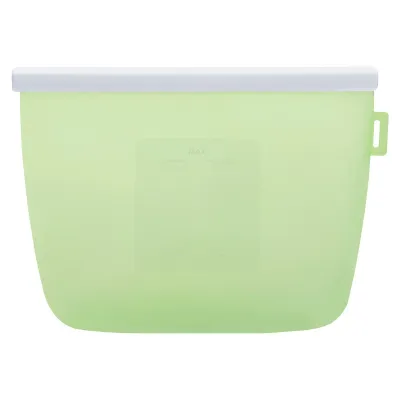
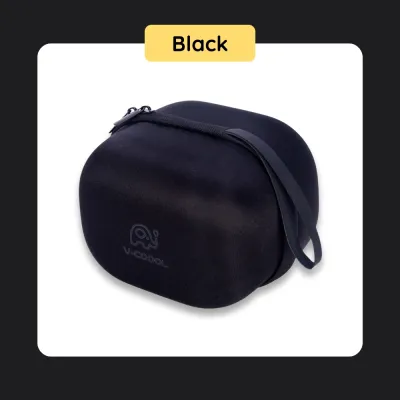
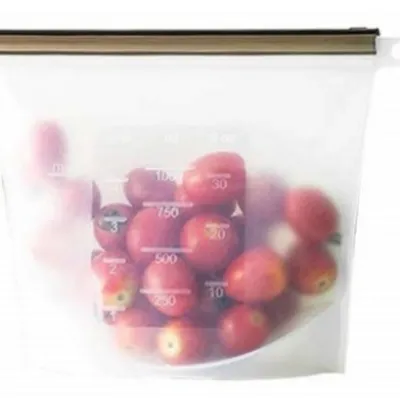
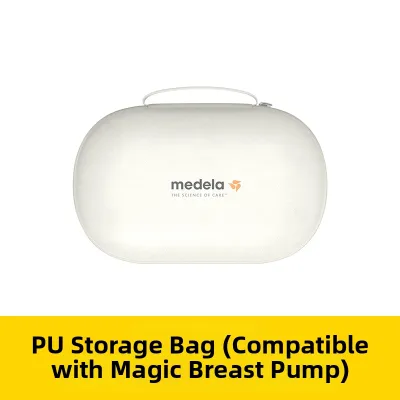
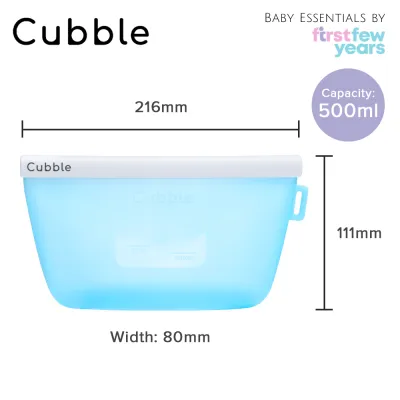
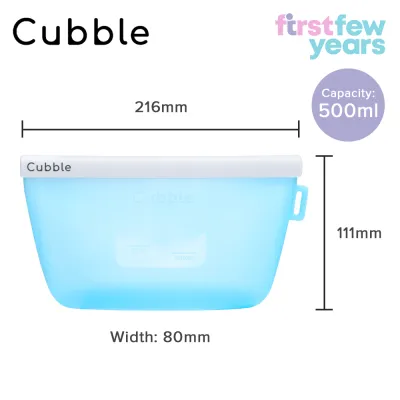
Prices are valid at publication and may change. Please refer to the product page for the latest price.
Sizing and Internal Dimensions for Different Pump Types
Before purchasing any pouch, you must verify the physical dimensions of your specific breast pump motor. Traditional double electric breast pumps are bulky and require deep, structured compartments with sufficient clearance for plugged-in cords and tubing. Portable, wearable pumps are much smaller but require dedicated, padded slots to prevent the power buttons from being accidentally pressed during transit.
Beyond the motor, your pouch must comfortably accommodate your flanges, connectors, collection bottles, and breast shield covers. If you use larger 27mm or 30mm flanges, ensure the bag’s pockets are wide enough to insert and retrieve these parts without bending the plastic. Forcing oversized parts into tight spaces can lead to hairline cracks in the plastic, which ultimately compromises your pump’s suction and efficiency.
Materials, Durability, and Spill Management
Breast milk contains natural fats and sugars that can quickly become a breeding ground for bacteria and unpleasant odours if spilled. Therefore, the interior lining of your pouch must be constructed from water-resistant, wipe-clean materials such as high-density PEVA or TPU. Avoid bags with absorbent fabric linings that require a full machine wash for minor drips.
For the exterior, look for durable, heavy-duty fabrics like nylon or canvas that can withstand being placed on office floors, airport security bins, or hospital bedside tables. High-quality zippers are equally critical; dual-zipper designs allow you to open compartments fully for quick access. Ensure the seams are reinforced, as a fully loaded pump bag containing a motor, full milk bottles, and frozen ice packs can easily weigh several kilograms.
Choosing a Discreet and Organized Pump Pouch for the Workplace
Returning to the office after maternity leave requires a delicate balance of professional presentation and pumping functionality. Many working mothers prefer a pump pouch that maintains absolute aesthetic discretion. Modern designs often mimic high-end laptop totes or structured leather backpacks, allowing you to carry your pumping equipment into boardrooms and meetings without drawing unwanted attention to your personal routine.

Thermal Insulation and Milk Safety during Commutes
If your workplace lacks a dedicated communal refrigerator, or if you have a long commute home, a built-in, leak-proof insulated compartment is non-negotiable. This compartment must be physically separated from the dry sections of your bag to prevent condensation from affecting your electronic pump motor. Look for thick thermal insulation that can maintain a cold environment for several hours when paired with reusable gel ice packs.
For those commuting via public transit, such as the MRT or buses, a bag with a structured, flat base is highly beneficial. A bag that stands upright on its own prevents your collection bottles from tipping over and leaking inside the compartment. Secure, lockable zippers provide peace of mind while traveling through crowded stations, ensuring your personal items and expressed milk remain safe.
Separating Work Essentials from Pumping Gear
To maintain efficiency throughout the workday, your pouch should feature a clear organizational division between your professional tools and your pumping parts. Look for multi-compartment designs that offer a padded sleeve for a laptop or tablet, alongside dedicated pockets for pens, keys, and notebooks.
- Dry Zone: For your laptop, phone, charger, notebook, and clean nursing pads.
- Wet Zone: For used breast pump parts, wet wipes, and silicone collection shells.
- Cold Zone: A dedicated insulated pocket reserved solely for milk storage bottles and ice packs.
This separation minimizes the risk of cross-contamination and ensures you do not accidentally pull out a breast flange during a client presentation.
Selecting a Compact and Travel-Friendly Pump Pouch for Trips
Traveling with a breast pump requires a shift in priority toward lightweight materials, compactness, and rapid accessibility. Whether you are navigating airport security, taking a road trip, or going for a short afternoon outing, heavy and structured leather bags can quickly become a physical burden. Instead, look for flexible, compressible materials like lightweight ripstop nylon that can fold flat when your pump is in use or packed away.
Travel-Specific Utility Features
For frequent flyers, a luggage pass-through sleeve is an invaluable feature. This fabric band on the back of the pouch allows you to secure it firmly over the telescoping handle of your rolling suitcase, freeing up your hands to manage travel documents or a stroller. If you frequently travel by car or stroller, integrated carabiner clips or adjustable stroller straps allow you to hang the pouch directly from the handlebar for immediate access.
Quick-Access Exterior Pockets
When you are on the move, you do not want to dig through the main compartment of your bag to find small, critical components. Look for pouches with dedicated exterior zippered pockets to store small spares like extra valves, membranes, and tubing. Having a hands-free pumping bra or sanitizing wipes in an easily accessible outer pocket allows you to set up your pumping station quickly in public nursing rooms or vehicle passenger seats.
Meeting High-Capacity Needs for Hospital Stays and Postpartum
The immediate postpartum period in the hospital demands a high-capacity storage solution. During your hospital stay, you may need to transport a bulky, hospital-grade rental pump, multiple sets of sterile flanges, breast compresses, nipple creams, and comfortable clothing. This environment requires a large, wide-opening bag rather than a compact, sleek commuter pouch.
Clamshell Openings and Fast Inventory Checks
In a shared or space-constrained hospital room, finding items quickly is essential for your comfort. A pouch with a wide-opening, doctor-bag style frame or a full-zip clamshell design allows the bag to stay open on a table, giving you a complete view of the contents. This design lets you perform quick inventory checks to ensure you have all necessary sterile parts before starting a pumping session.
Managing Soiled Parts Safely
Hospital environments require strict hygiene standards to protect your newborn. You should look for a high-capacity pump pouch that includes separate, washable wet bags or internal zippered pouches. These compartments allow you to isolate used, wet pump parts from your clean clothing and sterile equipment until you can wash them in a hospital sink or transport them home to your sterilizer.
While aesthetic discretion is a low priority in the maternity ward, physical durability and ease of carrying are paramount. Choose a pouch with wide, padded shoulder straps or a comfortable crossbody strap. This makes it much easier to carry your equipment comfortably between your postpartum room, the neonatal intensive care unit (NICU), or your vehicle upon discharge.
Evaluating Cross-Scenario Compatibility: Do You Need Multiple Bags?
For many parents, investing in multiple specialized bags is neither practical nor budget-friendly. However, relying on a single bag across all scenarios requires an understanding of the inherent design trade-offs. A high-capacity bag that is perfect for a hospital stay or a weekend trip will likely feel excessively bulky and heavy during a daily office commute. Conversely, a sleek, professional work pouch may lack the physical space needed for travel essentials or large hospital-grade pumps.
Hybrid and Modular Designs
If you prefer a single, versatile “do-it-all” solution, look for hybrid or convertible pump bags. These innovative designs feature removable insulated cooler inserts, modular compartments, and expandable zippers.
- Modular Coolers: You can remove the insulated milk storage compartment entirely when you do not need to carry milk, converting that space for general storage.
- Convertible Straps: Straps that transition from a backpack style for hands-free commuting to a professional tote handle for office meetings.
- Expandable Sections: Zippers that allow the bag to expand in depth when traveling and compress down for daily use.
Future-Proofing Your Investment
To maximize the value of your purchase, consider how the bag can be repurposed after you finish your pumping journey. High-quality pump pouches can easily transition into standard diaper bags, insulated lunch bags for family outings, or professional laptop backpacks. Choosing a neutral color and a classic silhouette ensures the bag remains useful for years to come, long after your child has transitioned to solid foods.
Hygiene, Milk Storage, and Pouch Maintenance in Humid Climates
Operating in warm and highly humid climates, such as Singapore’s tropical weather, introduces unique challenges for hygiene and milk storage. High humidity accelerates the growth of mold, mildew, and bacteria on damp surfaces. If you leave a damp pump pouch in a warm car or a poorly ventilated room, musty odors can develop within hours, potentially contaminating your sterile pumping equipment.
Safe Thermal Management in Tropical Heat
When commuting in warm weather, standard ice cubes are highly inefficient because they melt rapidly, creating pools of water that can damage your bag’s insulation seams. Instead, always use fully frozen gel ice packs designed specifically for breast milk storage. For maximum thermal efficiency, pre-chill the insulated compartment of your pouch by placing a frozen pack inside for 10 minutes before adding your expressed milk bottles.
Keep the insulated compartment zipped tightly at all times, and avoid opening it repeatedly during your commute. Every time you open the bag, warm, humid air enters, accelerating the melting process of your ice packs. If you are traveling long distances, consider using a separate, high-performance hard-sided cooler nested inside your travel bag for maximum thermal protection.
Mitigating Mold and Odour Risks
To prevent mold and bacteria from taking hold, establish a daily cleaning routine for your breast pump pouch. After returning home, empty the bag completely, wipe down all interior linings with a damp cloth and a mild, baby-safe soap, and leave all compartments zipped open in a well-ventilated, air-conditioned room to dry completely.
Before washing any part of your pouch, always consult the manufacturer’s care label. While some fabric bags are machine washable on a gentle cycle, many insulated linings will degrade or delaminate if exposed to high heat or harsh laundry detergents. Never place an insulated bag in a clothes dryer; instead, hang it upside down in a shaded, well-ventilated area to air-dry.
Frequently Asked Questions (FAQ)
Can I use a regular diaper bag as a breast pump pouch?
While you can physically fit a breast pump into a standard diaper bag, it is generally not recommended as a long-term solution. Standard diaper bags lack the specialized, heavily insulated compartments required to keep expressed milk at safe temperatures during long commutes. Furthermore, carrying dirty diapers, used wipes, and baby toys in the same unstructured compartment as your sterile breast pump parts significantly increases the risk of cross-contamination. If you must use a diaper bag, always use a separate, dedicated, and sealed organizer insert to isolate your pumping equipment.
How do I keep expressed milk cold in my pump pouch during a long commute?
To maintain safe temperatures, use contoured gel ice packs that fit snugly around your milk collection bottles. Pre-chill the insulated compartment of your pouch with a frozen pack before adding your milk, and keep the compartment fully sealed throughout your journey. Minimize the frequency of opening the bag to prevent warm, humid air from entering. If your commute exceeds a few hours in warm weather, verify that your ice packs are rated for extended thermal retention, or transition the milk to a refrigerator as soon as you arrive at your destination.

Community discussion
Share your experience or ask a question. Comments are reviewed before publication.